09 February 2026
Share


We are delighted to announce that seven restaurants have been awarded a Green Star in The MICHELIN Guide Great Britain & Ireland 2026, bringing the total number of Green Stars to 37. The Green Star is received by restaurants at the forefront of the industry when it comes to their mindful practices – restaurants which offer dining experiences that combine culinary excellence with responsible initiatives aimed at reducing their overall impact on the natural world.
Every Green Star restaurant is different and works in its own unique way – but all strive to make a difference to the environment around them. Read on to learn more about our seven new Green Star restaurants, as well as to discover the full list for 2026.
1887, Torridon
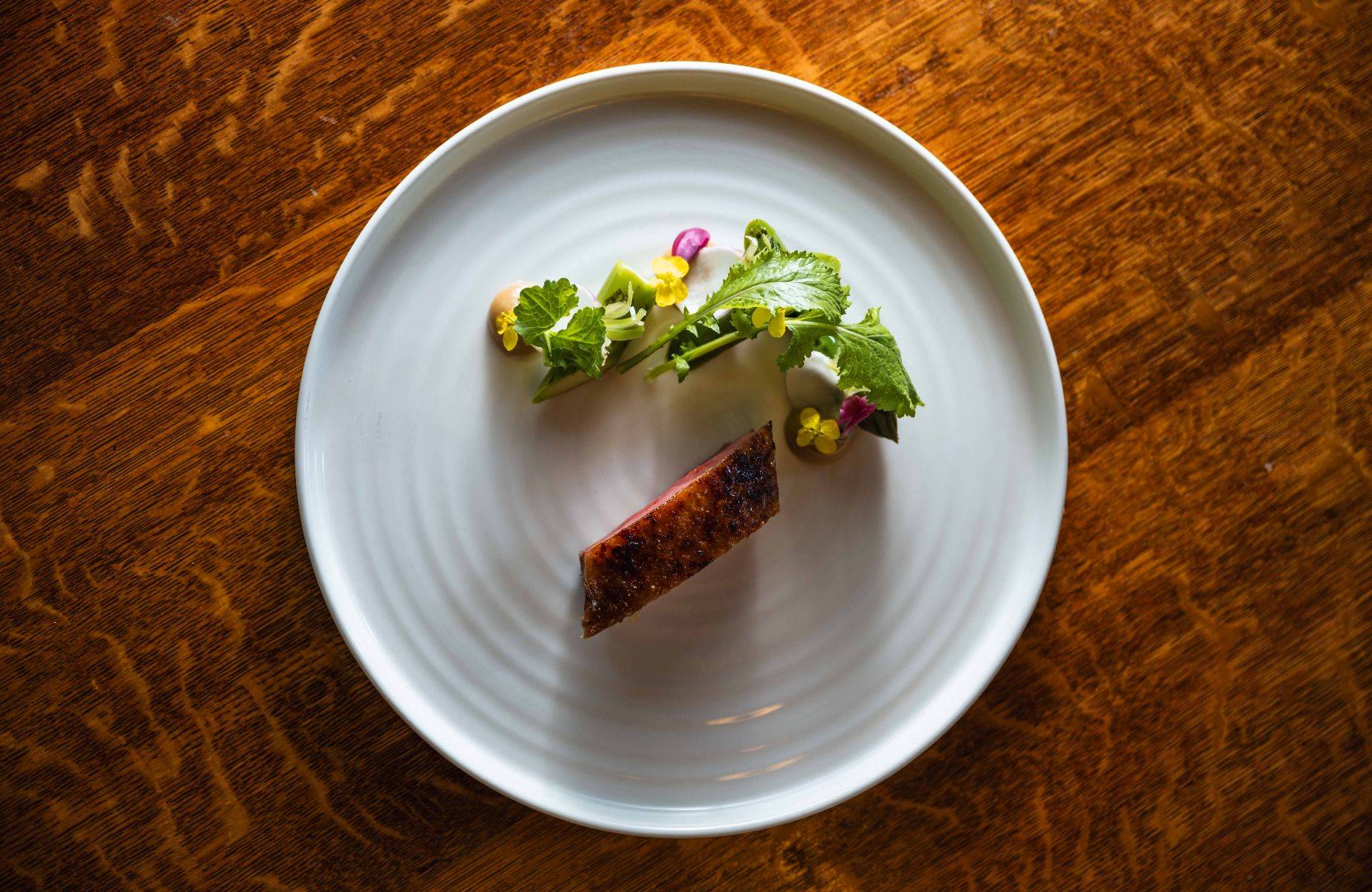
Not just a new Green Star but also the worthy recipient of One MICHELIN Star, it’s been quite the year for the team at 1887. Situated in a gorgeous spot within The Torridon hotel, on the edge of the scenic Upper Loch Torridon, the restaurant’s ethos is informed by its Scottish Highland surroundings. A two-acre kitchen garden means that many of the ingredients used are as local as can be, while animals are reared for meat on the surrounding estate.When it comes to the kitchen, everything is prepared with a low-waste mindset. Our Inspectors saw the results of it first-hand, in a dish that utilised every part of a langoustine caught in Loch Torridon. More than just a responsible approach, this also resulted in a superlative dish that showcased the full range of flavours one ingredient can provide. The team are heavily engaged in the local community too, buying ingredients from nearby suppliers and supporting charities in the area.
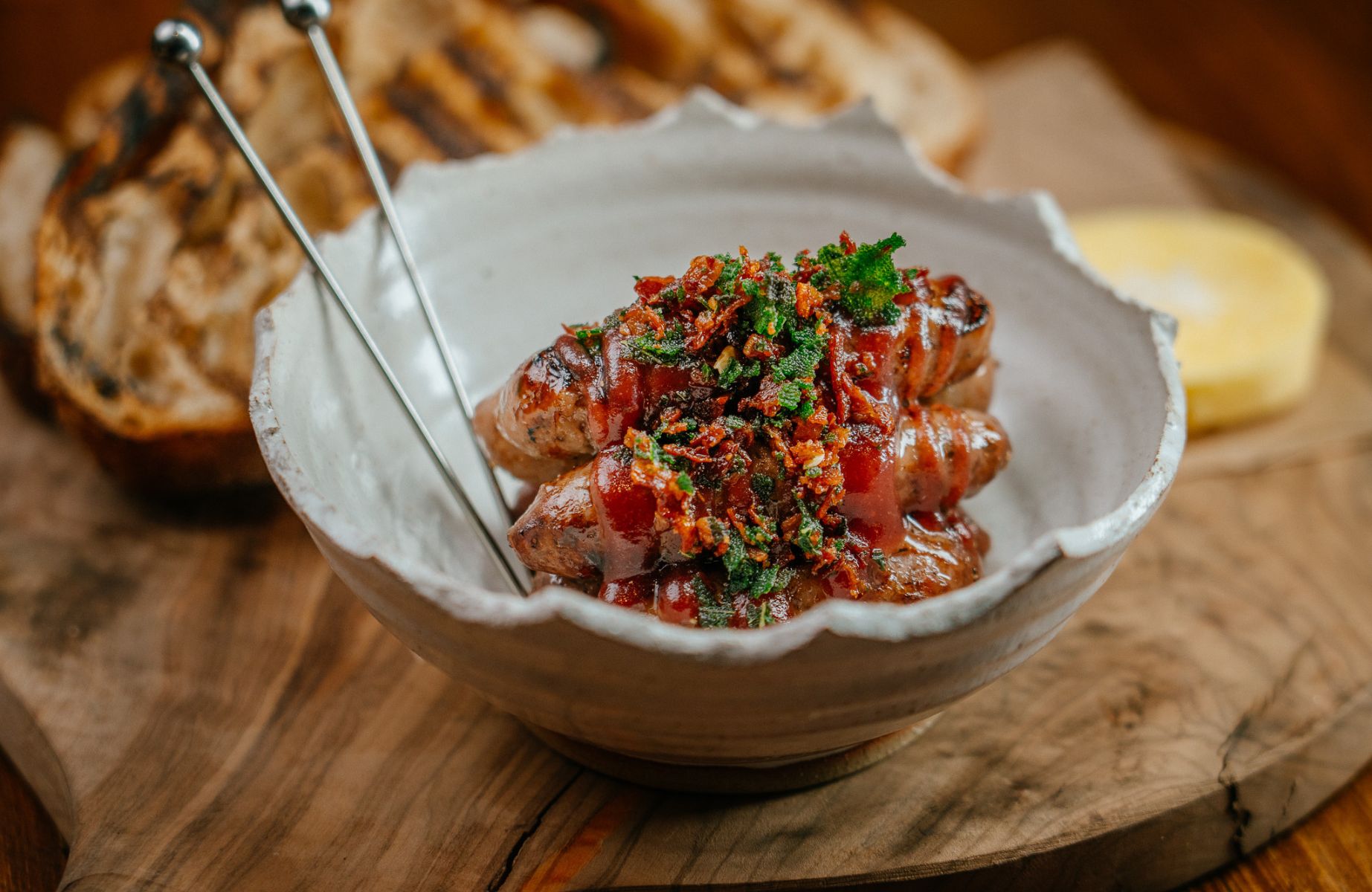
Eight at Gazegill by Doug Crampton, Rimington
One of several new Green Star restaurants forming part of a wider farm or estate, Eight at Gazegill by Doug Crampton takes a fiercely local approach to its menus. The ingredients used in the eponymous chef’s comforting cooking are largely produced on the Gazegill Organics Farm and provide ample natural flavour for the kitchen team to work with. A low-waste approach is taken when preparing the produce, with every part of the plant and the animal used.The team’s engagement with the local community is also particularly heartening to see, with over 250 visits from schools and groups each year aimed at educating young people about nature, farming and leading a healthy lifestyle. The Care Farm project is also run to provide adults with mental health and learning difficulties the opportunity to get involved in growing produce. All the herbs used in the restaurant’s sausages come from the Care Farm.
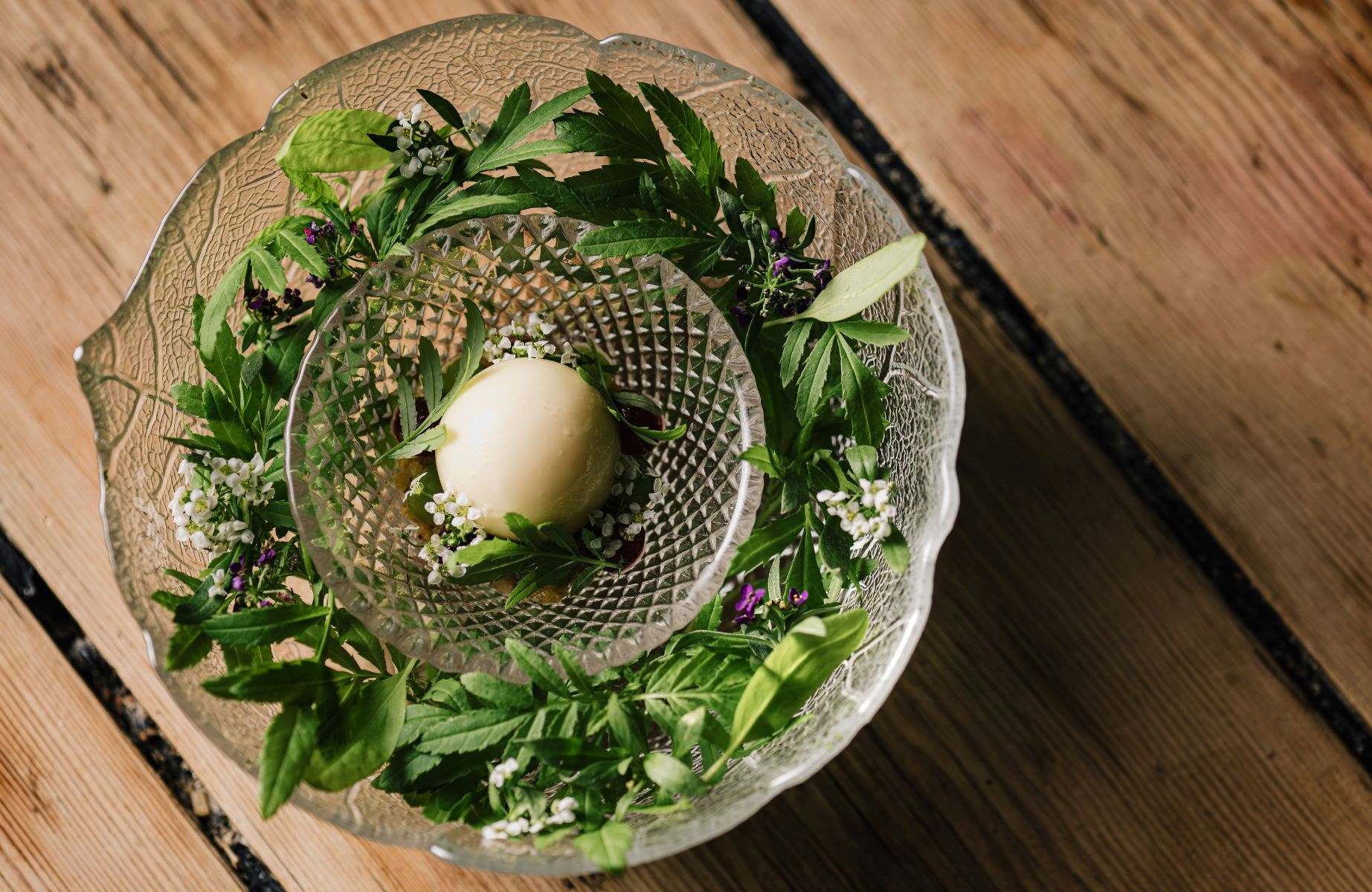
Forest Side, Grasmere
Nestled within the natural beauty of the Lake District, Forest Side is not short on MICHELIN Guide accolades. Already having received a Star for its cooking and a Key for its hotel, the team can now add a Green Star to the list for their commitment to responsible gastronomy. As the region is so well known for its produce, it’s no surprise that the chefs here think local.In fact, their one-acre garden houses polytunnels, greenhouses and over 150 raised beds – resulting in 125 varieties of vegetables and herbs being grown right on the dining room’s doorstep. Foraged ingredients play a key role too, with the team often taking trips together to find new treasures to use in dishes and drinks. Out of season, fermented ingredients play a key role, and a range of hams, sausages and salamis are made on-site. Even the water used to nourish the garden has been considered, with rainwater and fell water being collected.
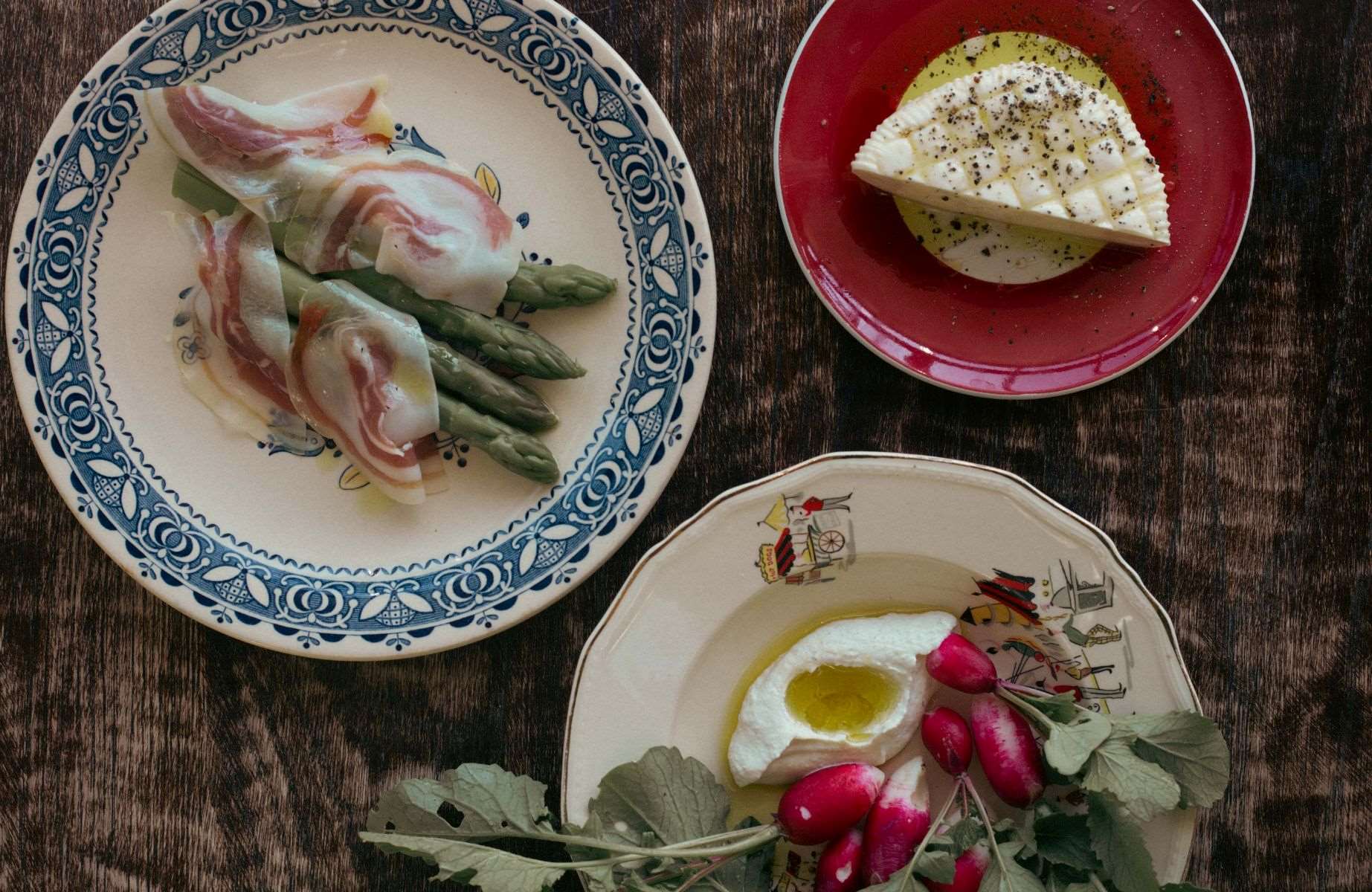
Glebe House, Southleigh
An utterly charming place from top-to-bottom, there’s a lovely farmhouse-like quality to the interior design at Glebe House, which chimes perfectly with both its rural location down a single-track road and its farm-to-fork ethos. A 15-acre, chemical-free smallholding provides many of the fruit, vegetables and herbs for the menu, which changes regularly with the seasons. Whenever there is a surplus of produce, pickling, fermenting and drying techniques are all employed so ingredients can be used in the winer months.It's no surprise to find a low-waste ethos in a Green Star restaurant like this, and indeed food scraps are composted for use in the smallholding and whole-animal butchery is done on-site so that every part can be used – whether that’s skins for sausages, offal for terrines or bones for stock. What’s more, the local ethos extends beyond the kitchen and into the dining room, with crockery and furnishings also coming from nearby suppliers.
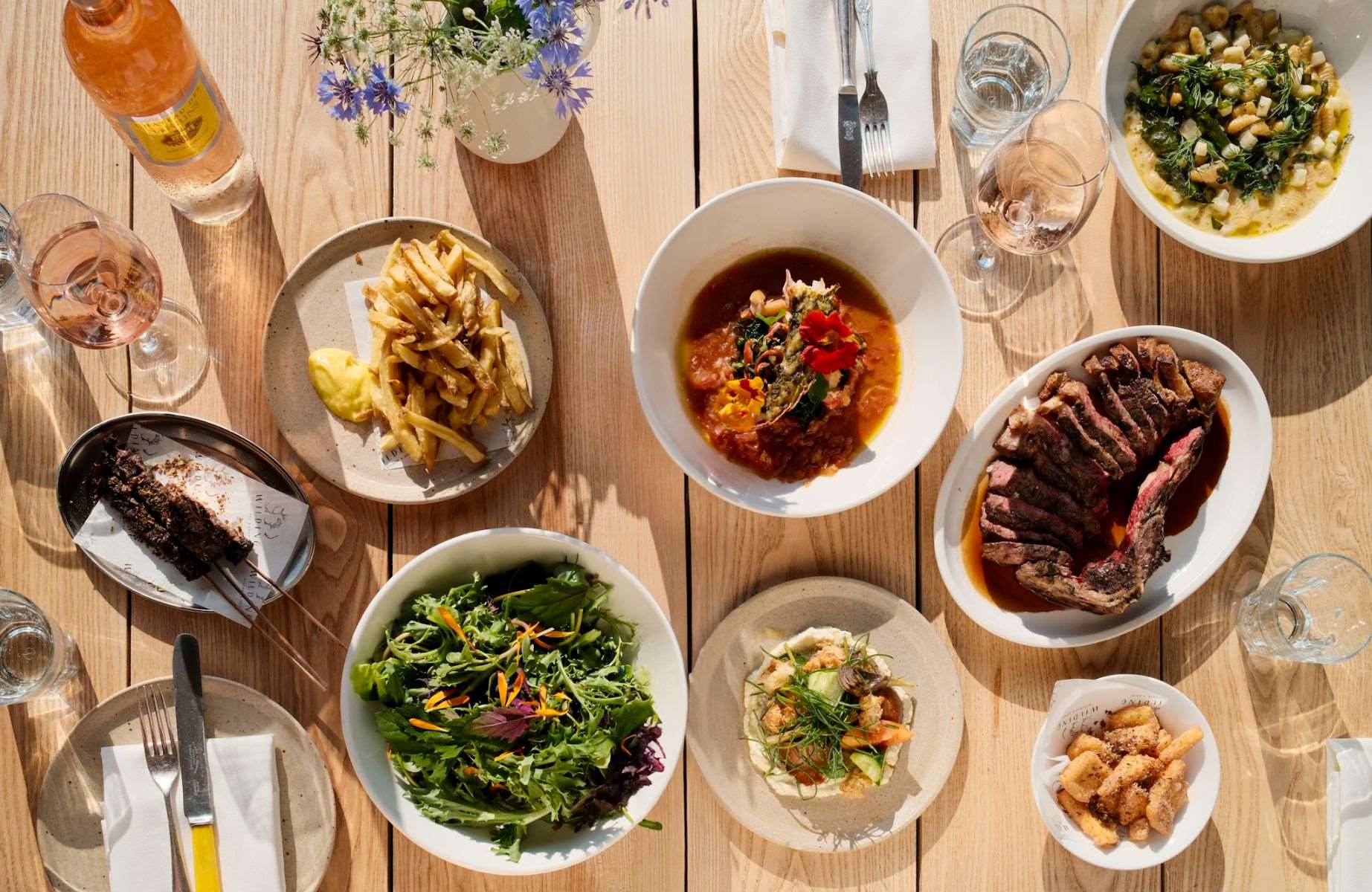
Knepp Wilding Kitchen, Horsham
Having lunch here on a summer’s day, with sun streaming through the windows into the bright and airy barn, feels a lot like paradise. The Knepp Estate as a whole is a wonderful place, with an ethos of rewilding that aims to let nature nurture the land, encouraging biodiversity and removing human interference wherever possible. It’s this ethos that feeds the kitchen too, where every dish is a true demonstration of farm-to-table dining.While meat comes from the surrounding rewilded Estate, vegetables are grown in the 2.5-acre Market Garden, which has been certified organic. The result is dishes such as loin of venison from the Knepp Estate, served with Market Garden beetroot. Where other suppliers must be used, they follow a similar philosophy, such as a regenerative miller in Oxfordshire providing flour for the flatbreads.
The Free Company, Balerno
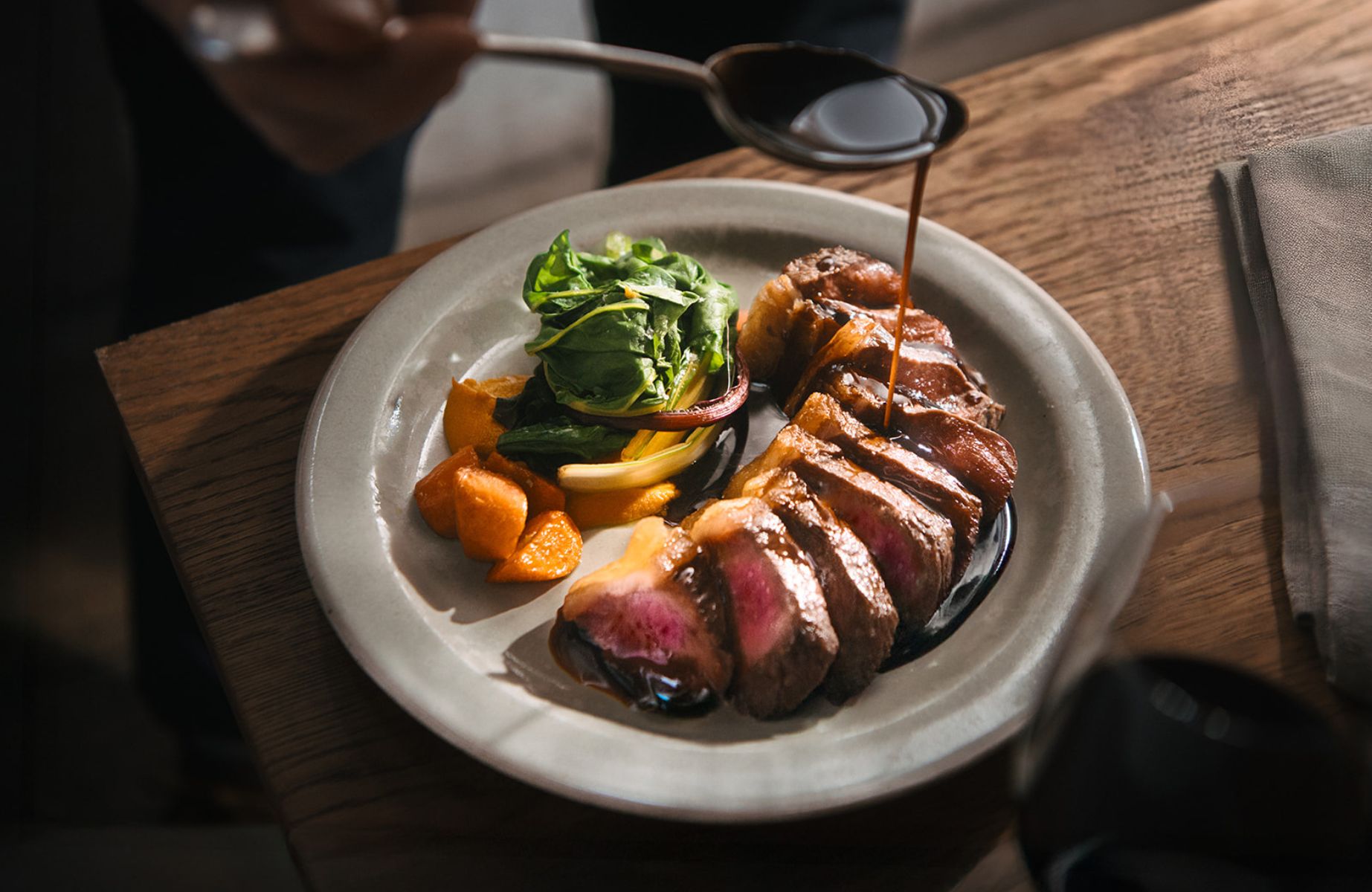
While plenty of restaurants have a kitchen garden attached, The Free Company turns that proposition on its head, as it is a full-on working farm, which happens to also house a restaurant. Run by two brothers who converted the former milking shed on their dad’s old dairy farm into a dining space, it’s a restaurant where the team’s passion for their surroundings is evident in every bite.The farm, over 100 acres in size, is run with regenerative no-dig principles and is certified organic. Here, they raise cattle, sheep and pigs, which are then prepared in the on-site butchery so the team can control wastage and use every part of the animal. More than 10 acres of beds and polytunnels are used for vegetable growing, while the drinks often incorporate house-made ferments and scraps from the kitchen. The farm also has an online shop where they sell their produce.
Timberyard, Edinburgh
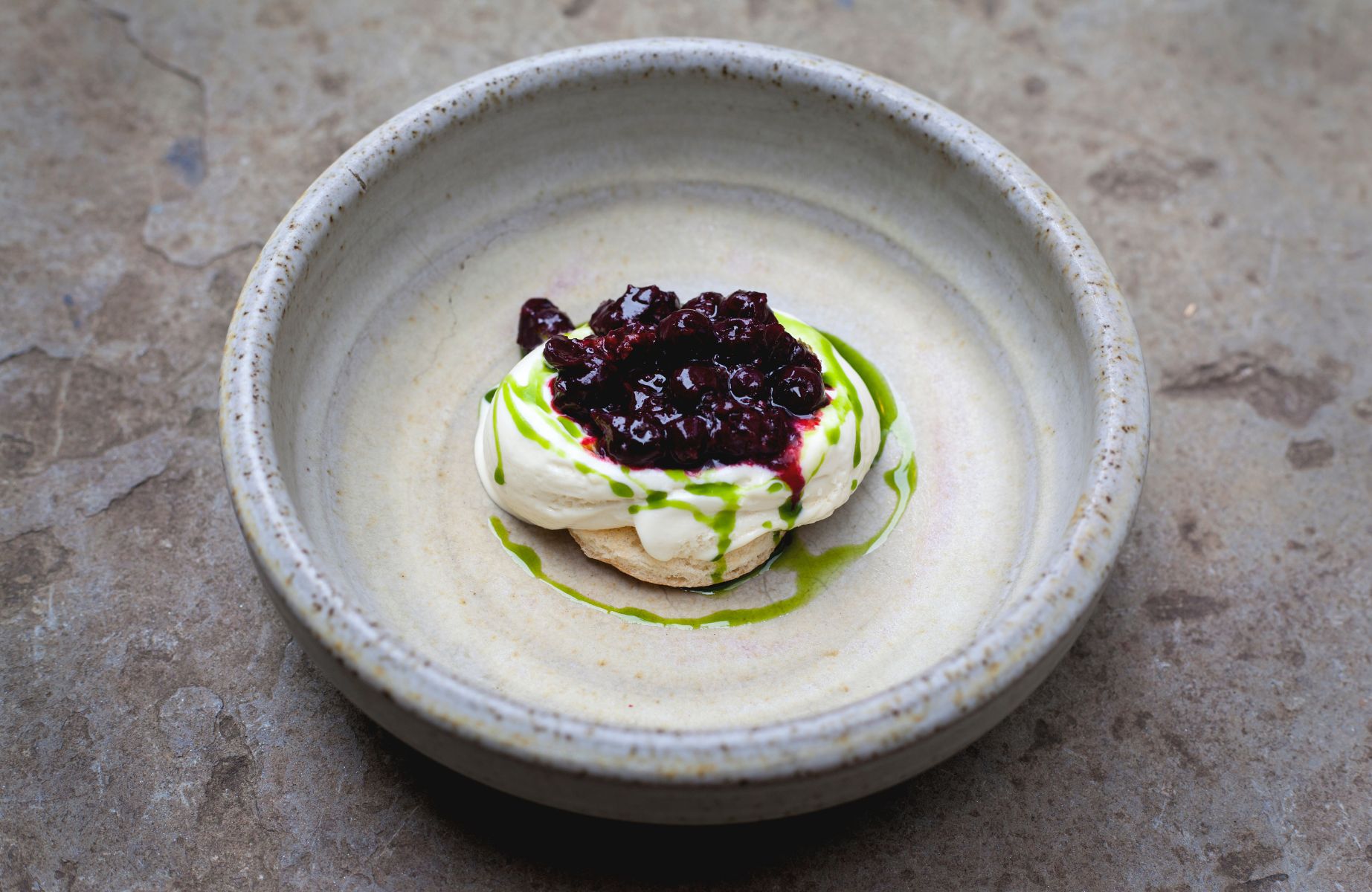
Joining a small group of Green Star restaurants in big cities, Timberyard is showing that an urban location needn’t be a barrier to forward-thinking gastronomy. Local and seasonal are once again the key words here, with Scottish produce forming the bedrock of the menu and all animal products used with a nose-to-tail approach. In the courtyard, the team tend to a small kitchen garden growing herbs and garnishes; they take a hands-off approach, eschewing pesticides, and have even introduced flowering plants to encourage pollinators.Where the team here really excel however, is in their commitment to preserving ingredients. You’ll likely glimpse jars of fermented and pickled produce when you dine here, with the team ensuring that anything left over at the end of the summer will be saved for the winter rather than wasted. This is seen most clearly in the soft drinks, which are made entirely in-house using seasonal, fermented and foraged ingredients. The wine and beer lists have a similar ethos, with all options being either organic or biodynamic.
Below is the full list of restaurants with Green Stars in The MICHELIN Guide Great Britain & Ireland 2026.
England
- Angela's, Margate
- Apricity, London
- Black Swan, Oldstead
- Coombeshead Farm, Lewannick
- CULTURE, Falmouth
- Daylesford Organic Farm, Daylesford
- Eight at Gazegill by Doug Crampton, Rimington – New
- Exmoor Forest Inn, Simonsbath
- Forest Side, Grasmere – New
- Forge, Middleton Tyas
- Glebe House, Southleigh – New
- Homestead Kitchen, Goathland
- Interlude, Lower Beeding
- Jericho, Plungar
- Knepp Wilding Kitchen, Horsham – New
- L'Enclume, Cartmel
- Marle, Heckfield
- Moor Hall, Aughton
- Oak, Bath
- Osip, Bruton
- Petersham Nurseries Café, London
- Pine, East Wallhouses
- Pythouse Kitchen Garden, Tisbury
- Restaurant Sat Bains, Nottingham
- St. Barts, London
- The Small Holding, Kilndown
- Where The Light Gets In, Stockport
- Wild Shropshire, Whitchurch
- Wilsons, Bristol
Scotland
- 1887, Torridon – New
- Inver, Strachur
- The Free Company, Balerno – New
- Timberyard, Edinburgh – New
Wales
- ANNWN, Narberth
- CHAPTERS, Hay-on-Wye
- The Whitebrook, Whitebrook
Republic of Ireland
- Kai Restaurant, Galway
Related Articles:
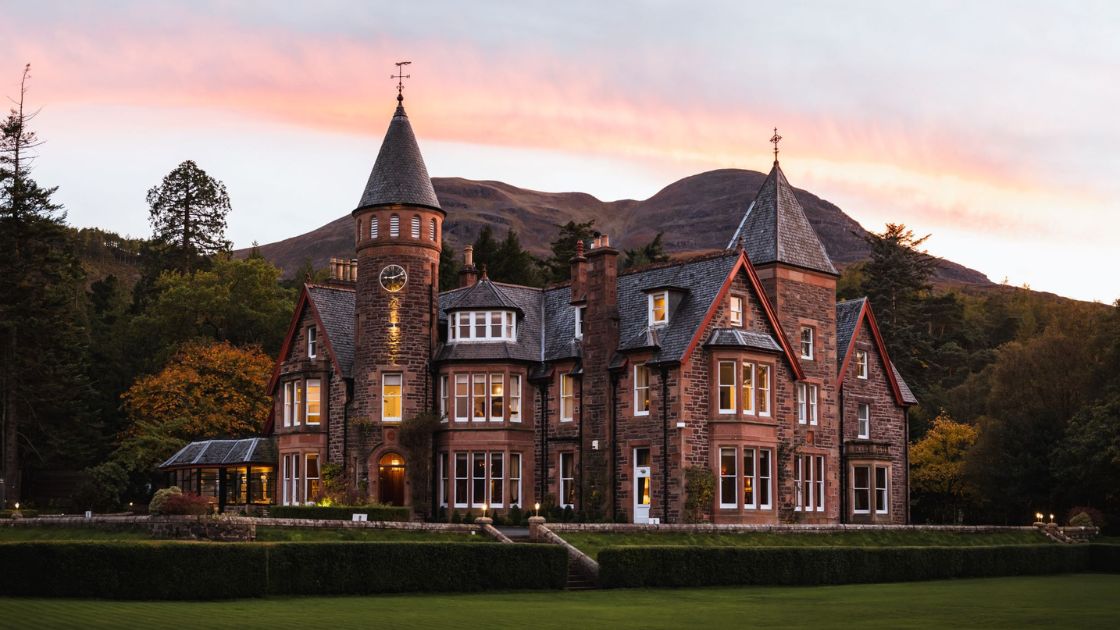
Hero Image: Outside the gorgeous 1887 in Torridon, one of the new Green Star restaurants for 2026. © The Torridon/1887