What We Ate At The Michelin Guide Singapore 2017 Star Event
On the menu: food from six different chefs each embodying the notion of 'classic'.
Share
29 June was a delicious night as chefs from Singapore and around the world converge for the MICHELIN guide Singapore Star event. On the menu: exquisite dishes from our very own Chef Cheung Siu Kong, Jason Tan, as well as Tam Kwok Fung from Jade Dragon and Chicago’s Grace restaurant. These plates revolve around the theme of classic dishes, or its reinterpretation and took months of planning.
Here, the chefs explain how they put the flavours together and tell us what makes it a classic.
Chef Leong Chee Yeng of Jade restaurant
Chef Leong Chee Yeng prepared three canapés prepared for the night, namely Crispy Roasted Pork Belly, Jade Dumplings and Golden Crab Pearl. "To me, classics are like a good song that has lasting quality. You never get tired of it," he says.
Chef Tam Kwong Fung of Macau's two-Michelin-starred Jade Dragon
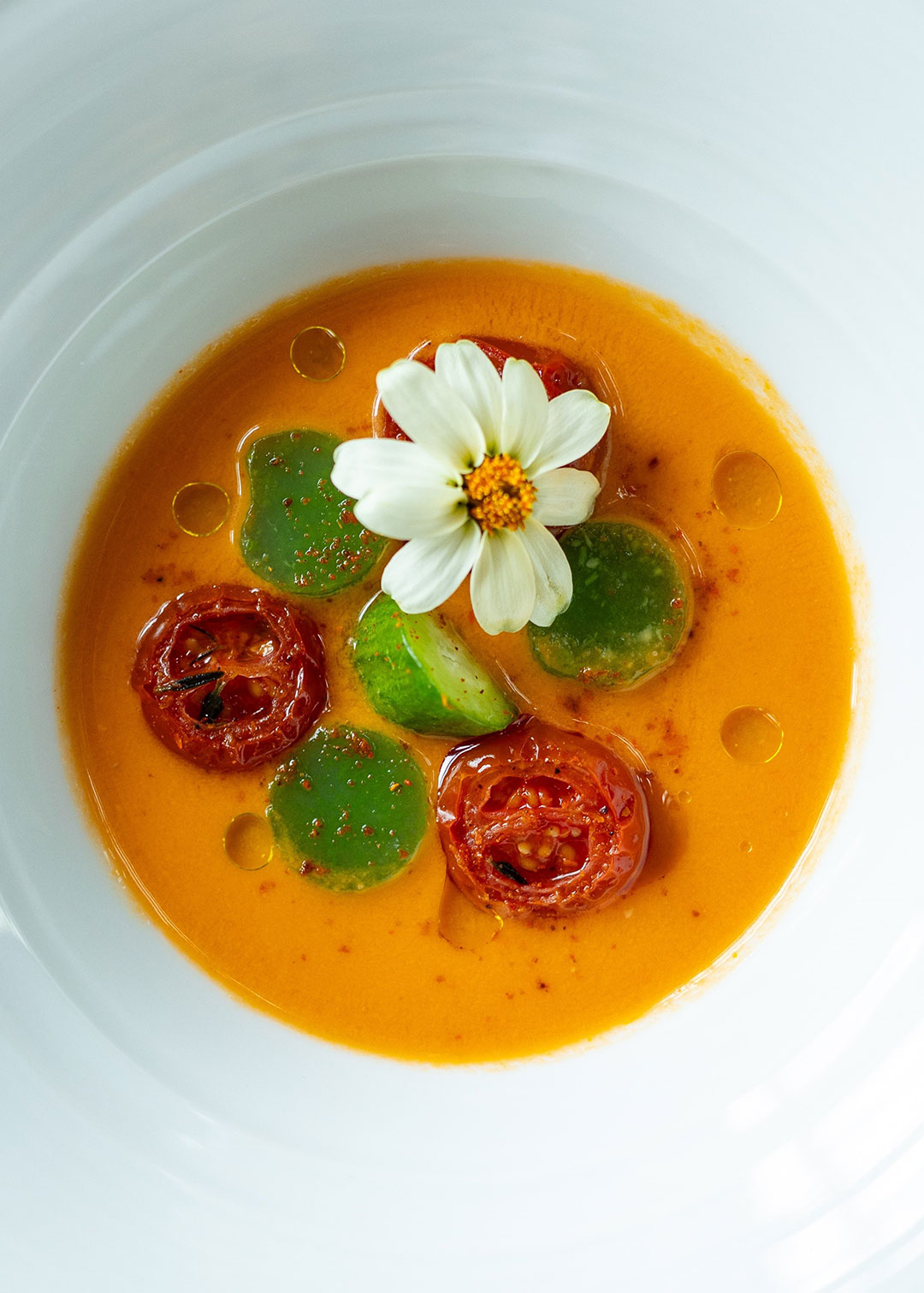
Chef Tam Kwok Fung of Jade Dragon in Macau created a double-boiled dendrobium, yellow squash soup with Brittany lobster and pork shank. These carefully selected ingredients are left to simmer over hours to extract and infuse the flavours and essence into the clear tasty broth.
Chef Jason Tan of one-Michelin-starred Corner House.
‘Classic’ is a term that’s often bandied about without much thought but for chef Jason Tan of one starred Corner House, it’s all about paying homage to his past. He up his smoked Patagonian toothfish with celeriac remoulade, black truffles and French bacon, a reinterpretation of the recipes he learnt very early on in his career.
Chef Cheung Siu Kong of one-Michelin-starred Summer Pavillion
Chef Cheung Siu Kong of Summer Pavillion served up a dessert of crispy almond shortbread, almond black sesame pudding and black sesame roll presented in a monochrome theme. "Classics are able to endure the test of time, yet able to maintain individuality and evolve constantly," he says.

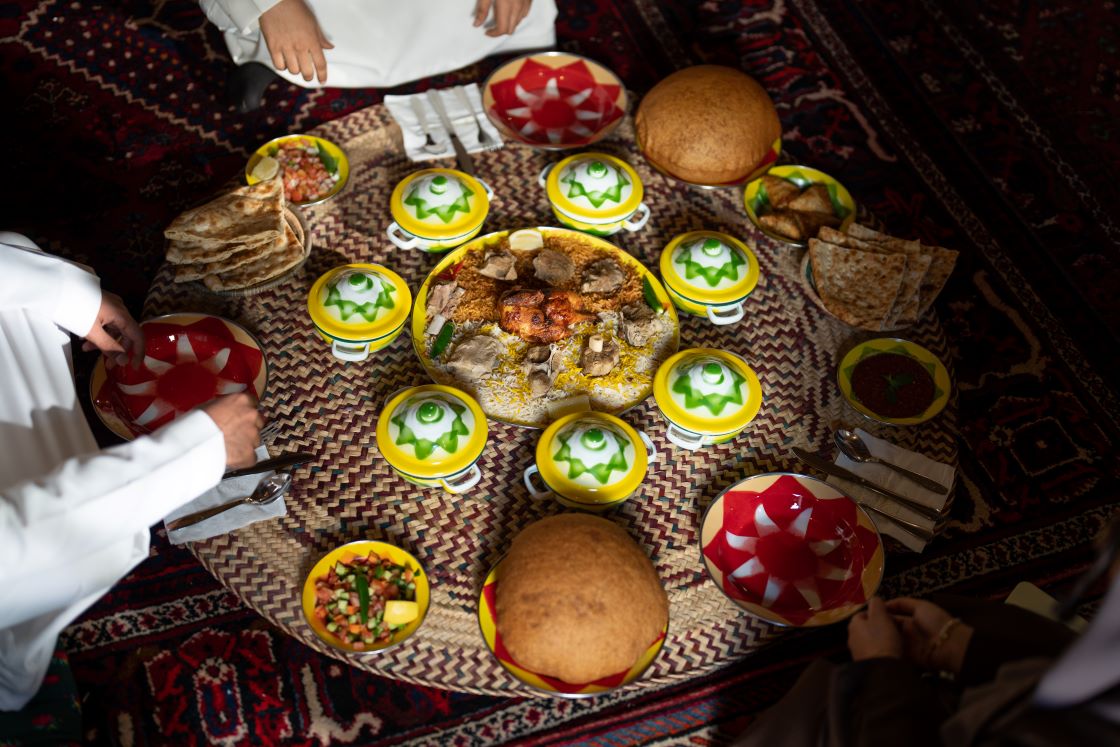
In Saudi Arabia, hospitality is instinct and engrained in their heritage - every gesture, from bukhoor’s scent to qahwa’s pour, speaks of effortless generosity.
Since 1997, The MICHELIN Guide’s Bib Gourmand has celebrated restaurants worldwide that serve exceptional food at great value— here’s what makes it special.
The Magnolia State’s inaugural MICHELIN selection reveals a dining landscape shaped by heritage and ingenuity. Stretching from the hills of Oxford to the salt-swept air of the Gulf Coast, the state’s restaurants tell a story rooted in place yet unafraid of reinvention.
As the Year of the Horse approaches, we mark the New Year by spotlighting the traditional dishes that return each year across Asia. From dumplings and longevity noodles to sweets symbolizing prosperity, all carry centuries of ritual, as well as hopes of abundance, renewal and conviviality — and we share the best places to eat them today.
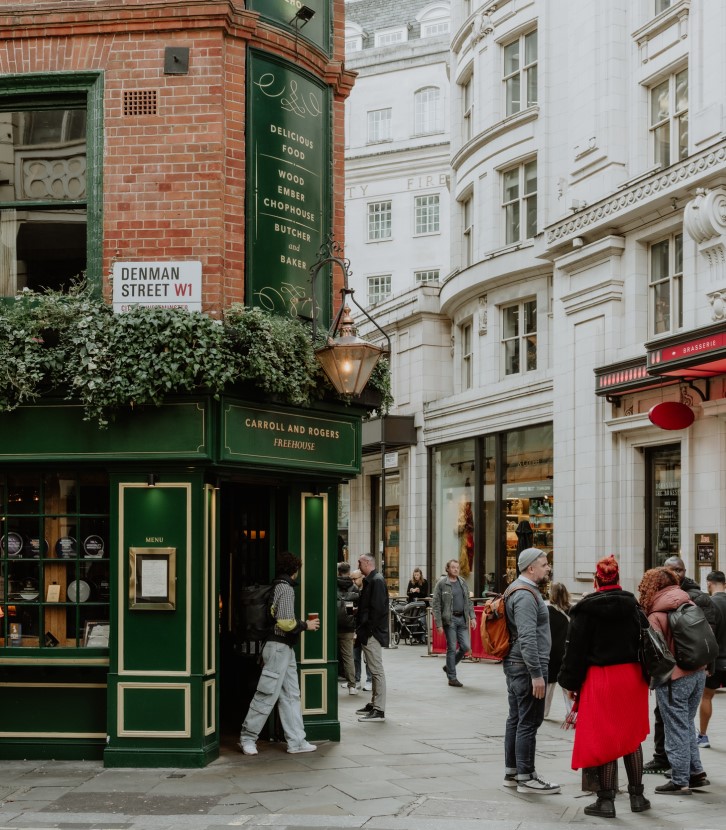
Soho’s neon-lit drinking scene is constantly evolving, with a fresh new crew of chefs and landlords heralding a modern take on the British pub restaurant. We hear what makes the neighbourhood special from those who know it best: the locals.
Once the scrappy outsider of the city’s dining scene, it’s all change for the arty East London neighbourhood, with MICHELIN Guide restaurants now carrying it into its next phase as a go-to for food lovers. We meet the culinary pioneers leading the charge in the Shoreditch of today.
Follow us from the moment Maurizio Cavallaro of Red Earth Farm pulls the beetroot from the ground, to when Chef Nikolai Abela, of Grotto Tavern in Rabat, transforms the vegetable into a creative sensation.
Our experts have eaten at restaurants all across London, and know exactly where to find its best food. But which neighbourhoods do they love the most? Join the Inspectors as they reveal where they like to spend their dining time and their downtime.
Philippine cooking has begun to register more widely with the arrival of The MICHELIN Guide in 2025, marking a turning point in how the cuisine is seen beyond the country’s borders. Local dining today moves easily between regions, traditions and dining rooms. In the greater Manila area and coastal Cebu, that movement reveals a cuisine increasingly sure of its voice.