10 December 2025
Share


When it comes to food, there’s something that makes California special. Maybe it’s the incredibly fresh produce, the seasonality of ingredients, the farm-to-table ethos that originated in the state. “From Napa wines and Central Valley fruits to seafood from the California coast, chefs have access to produce that is rare or unavailable in other states,” says JuMi Pitiwartarlai, chef and co-owner of Sovereign in San Diego.
It could be the culturally rich and diverse communities that share their food, from the family-run Vietnamese neighborhood gem to the local Mexican restaurant with recipes passed down through generations. As Meymuna Hussein-Cattan, owner of Flavors from Afar in Los Angeles, describes, “California is one of the few places where you can taste the world within a few miles. Food traditions carried by diaspora communities, from chefs who aren’t afraid to weave in their memories, identities and ingredients.”
Perhaps it’s the spirit of inventiveness and experimentation, or the fact that you can find truly good food anywhere in the state. “California showed me that food could also be about discovery, reinvention, curiosity and ethics…talk to a local, whether they’re from a major city or a small town, and you’ll find hidden gems everywhere,” says DanVy Vu, chef and owner of Top Hatters Kitchen in San Leandro.
These all make California one of the most unique culinary destinations in the world, with restaurants that you can’t find anywhere else. From a social enterprise restaurant that serves Native American specialties as well as dishes from rotating guest chefs, to a Chinese-Peruvian family-owned restaurant with recipes from Lima and Zhongshan, here are ten MICHELIN Bib Gourmand and MICHELIN-recommended restaurants across California that are worth experiencing.
Flavors from Afar (Bib Gourmand)
Los Angeles, CAAt Flavors from Afar, you can try food from all over the world, with recent menus featuring dishes from Sudan, Egypt, Venezuela and Palestine. First opening in Los Angeles’ Little Ethiopia, Flavors from Afar was started by Meymuna Hussein-Cattan to support refugees and immigrants by creating opportunities for them to share their diverse food traditions. Each month, the restaurant invites guest chefs from globally displaced communities to showcase recipes that are “passed down through generations and tell stories of home, migration and resilience.”
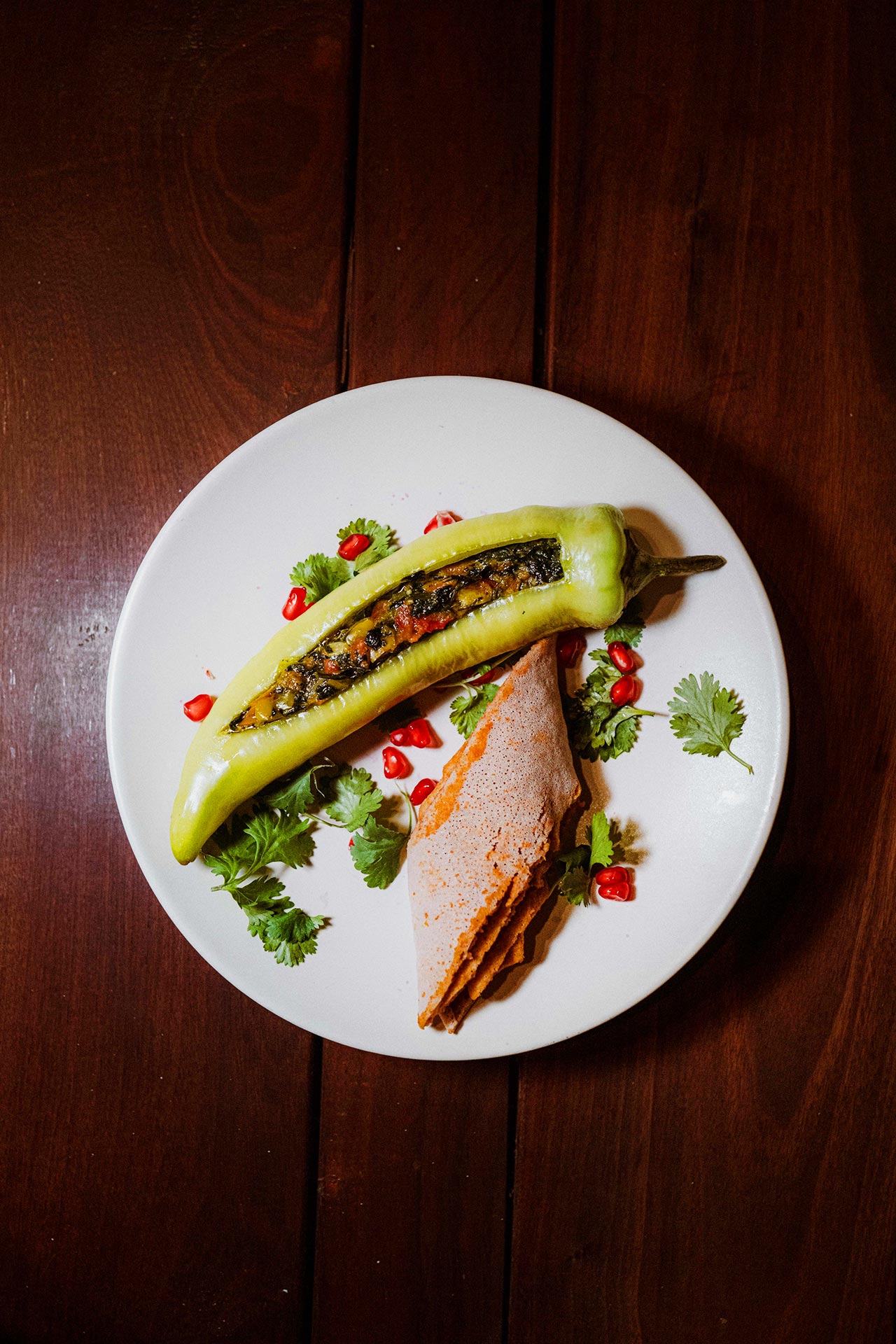
The year-round Native American menu was designed by Chef Louie Chavez, whose grandmother taught him how to cook with respect for his ancestors, for the land and for the ingredients he uses. He describes Navajo and Apache cuisine as “telling stories of the desert, the mountains and the people who have lived with them for generations,” with flavors that are “earthy, smoky and comforting—from blue corn and wild herbs to slow-cooked meats and traditional breads like fry bread or kneel-down bread.” The menu includes dishes from Chavez’ childhood growing up in California, with traditional recipes filled with history, resilience and identity.
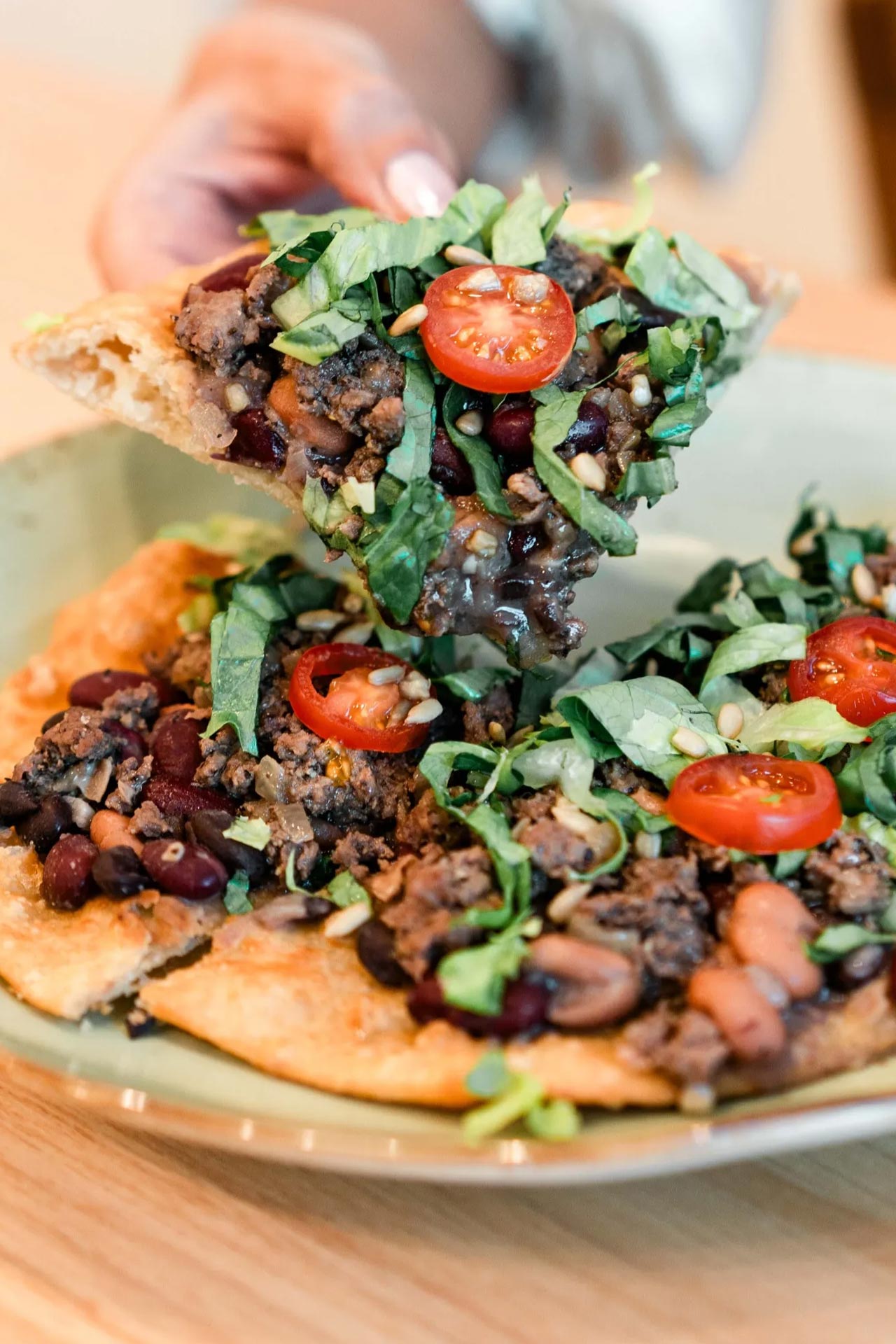
Hussein-Cattan says that California is one of the few places where global stories naturally converge, explaining that “what makes California exciting is the mix of old and new; legacy food traditions carried by diaspora communities, alongside emerging chefs who aren’t afraid to weave their memories, identities and ingredients into something entirely their own.” She hopes that visitors will find Flavors from Afar as a doorway into belonging, and a place of connection, culture and community.

Top Hatters Kitchen (Bib Gourmand)
San Leandro, CA
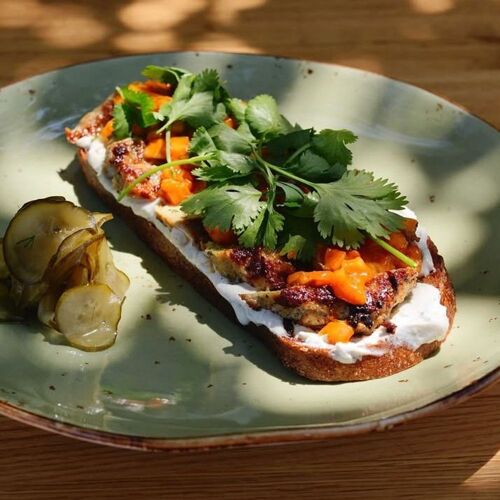
There are few restaurants that blend Vietnamese and Californian cuisines in the way that Top Hatters Kitchen does. As chef and co-owner DanVy Vu explains, they don’t just put California produce in a Vietnamese dish and call it Cal-Vietnamese food. Starting with a pantry of fish sauce, limes, shallots, pandan and herbs, the restaurant takes Vietnamese cooking principles —“contrast, salty against sweet, bright herbs against rich broths”— and combines it with a “California lens of seasonality and restraint.”
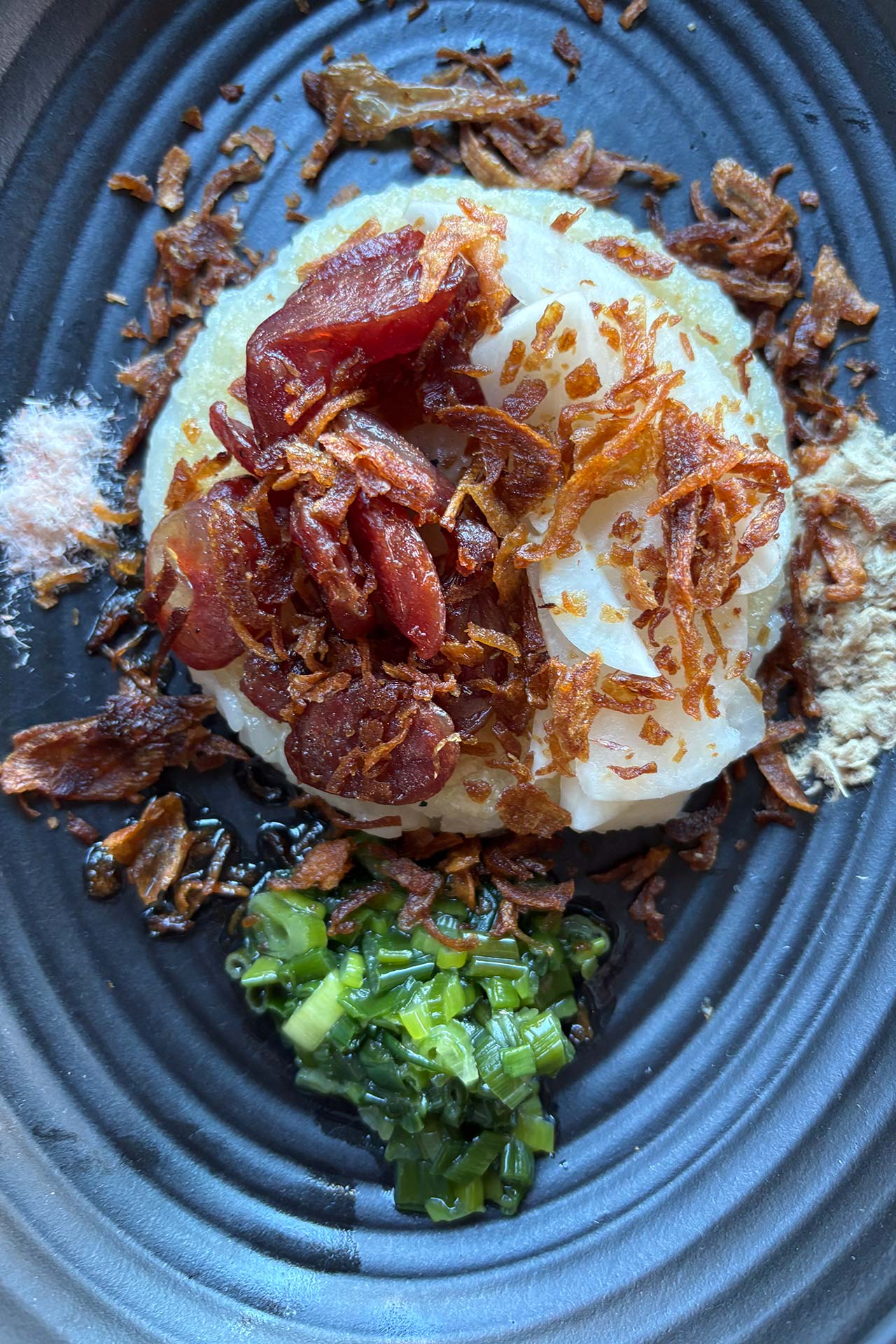
Top Hatters Kitchen primarily sources its produce from Stonybrook Canyon Farm, an organic farm in California’s Castro Valley, where Vu spends two days a week harvesting for the restaurant. She says that allows her to stay connected with what’s thriving on the farm, what’s struggling and what needs to move that week.
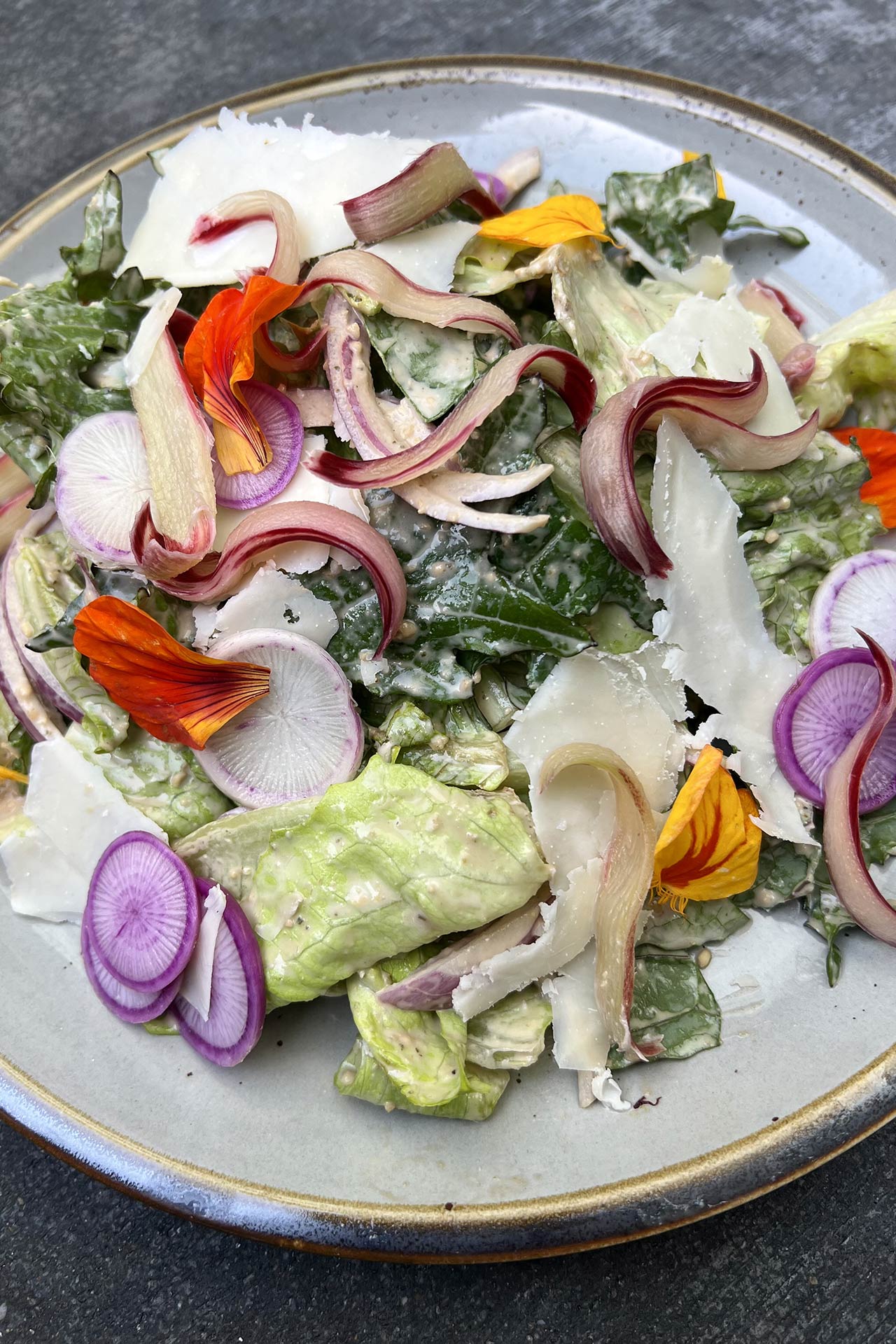
Many of Vu’s favorite dishes on the menu are fleeting, and a result of wanting to salvage fresh vegetables that might otherwise be wasted. One year, when a lot of produce at the farm started to bolt early due to sudden weather changes, she decided to incorporate them into a new dish, creating a bolted baby gem salad with shaved rhubarb. With slightly bitter, tart and bright flavors, it ended up being one of Vu’s favorite salads they’d ever made and captured what she loves about cooking: “staying responsive, respecting what the farm gives us, and finding beauty in what might have been overlooked.”
Vu describes how growing up in Southern California and later moving to Berkeley during the farm-to-table movement shaped her approach to food at Top Hatters Kitchen, saying, “Little Saigon [in Southern California] is one of the best places for Vietnamese food outside of Vietnam…Southern California taught me reverence for tradition. Northern California showed me that food could also be about discovery, reinvention, curiosity and ethics. My cooking lives somewhere between those two worlds.”
Stockhome (Bib Gourmand)
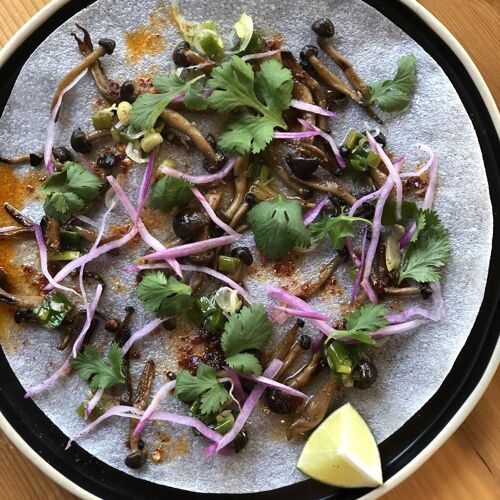
Petaluma, CA25 years ago, Stockhome chef and co-owner Roberth Sundell came to the United States after cooking in kitchens across Stockholm and London. Missing the flavors he grew up with in Stockholm, Sundell was inspired to start a restaurant that could offer simple Swedish street food and classic Nordic comfort dishes.
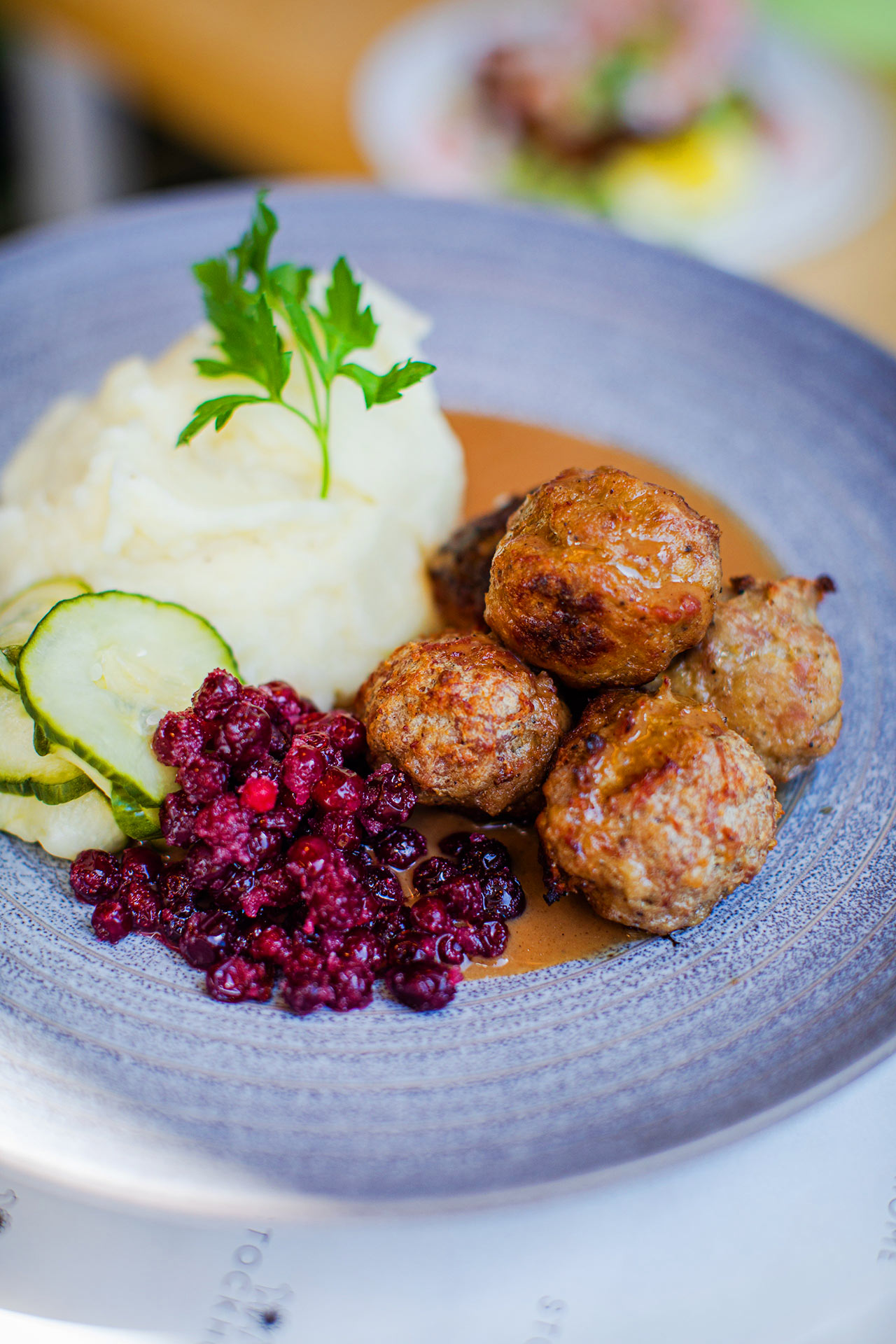
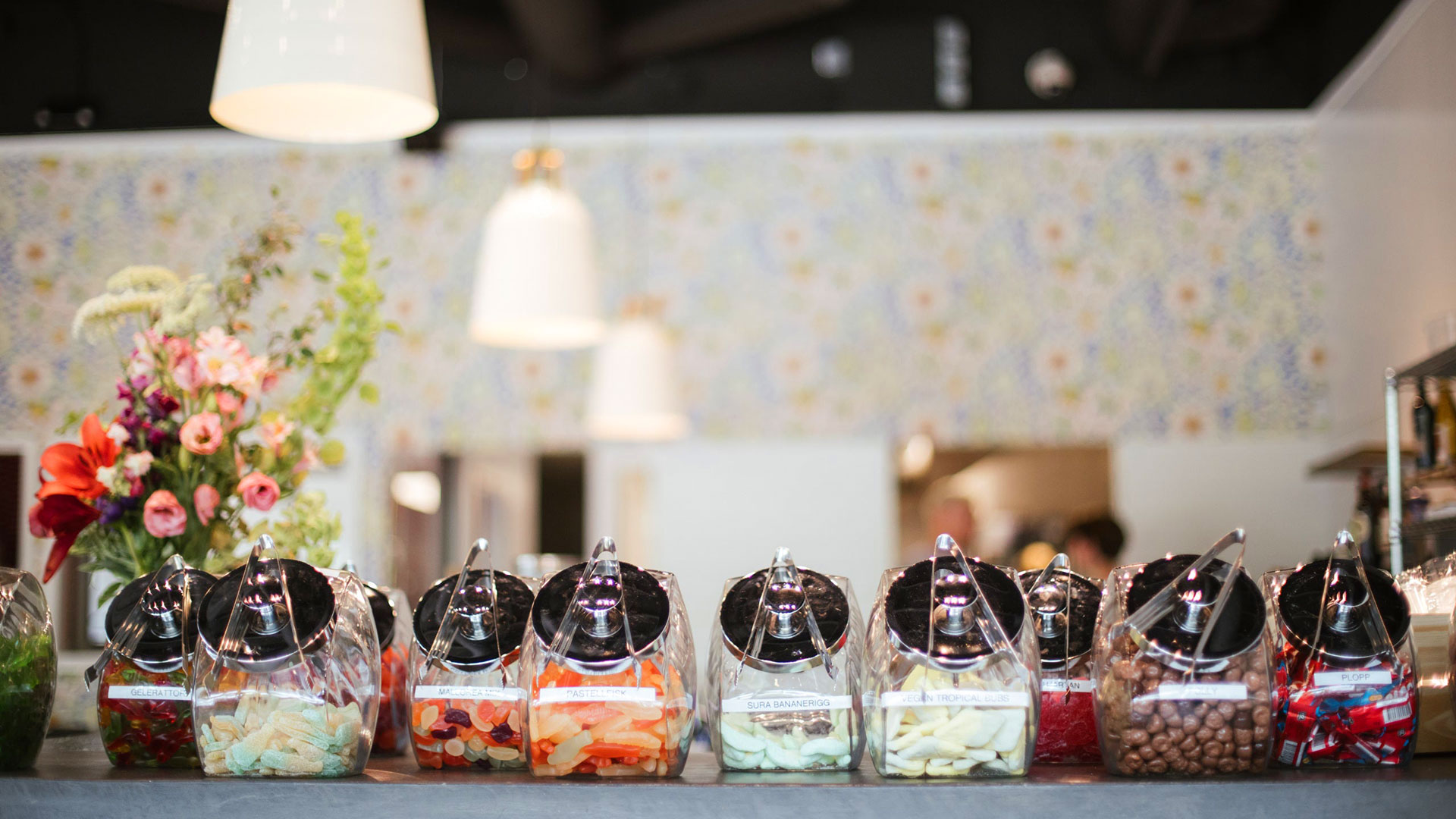
Sundell’s goal is for Stockhome to be both a local and a destination restaurant, a comforting space where people can gather, eat well and feel at home. He recommends trying the Swedish meatballs, which he says are a true taste of Stockholm and a guest favorite. They also import traditional Swedish sweets, a nod to the Swedish tradition of lördagsgodis—the ritual of eating candy on Saturdays that Sundell explains is beloved back home.
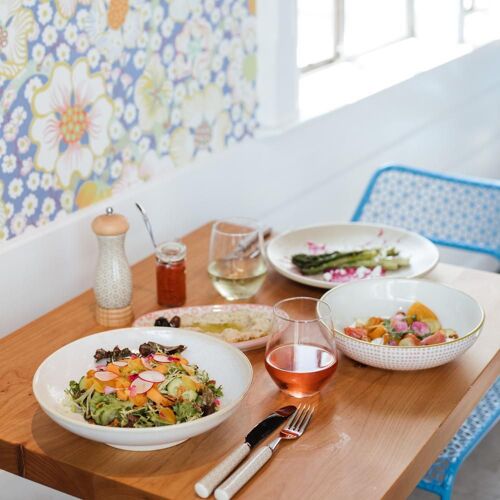
Described by Sundell as “a blend of Swedish roots and California spirit,” Stockhome serves dishes made with California’s seasonal ingredients. The restaurant works closely with local farmers who “show up at the door with beautiful surprises from their fields,” and the fresh produce inspires weekly specials on the menu. There are Californian touches in dishes like the shrimp skagen, with their version of the classic Swedish appetizer featuring avocado.
Sovereign
San Diego, CA
JuMi Pitiwartarlai and Uthan Dejcomrunkul developed a love for cooking from their grandmother, who once prepared meals at the Royal Palace in Bangkok. Having led several Thai restaurants in San Diego for 20 years, the two siblings opened Sovereign to honor their grandmother’s cooking techniques and carry forth their family’s culinary legacy.
Sovereign serves Isaan cooking, which differs from the Central Thai food that many Thai restaurants in the US serve. Isaan cooking comes from the northeastern region of Thailand, with influences from neighboring Laos and Cambodia. Pitiwartarlai says that Isaan food is one of Thailand’s most distinctive and beloved regional cuisines, known for “punchy, bold flavors” and “spiciness, fermented and smoky aromas, crunchy textures and plenty of fresh herbs.”
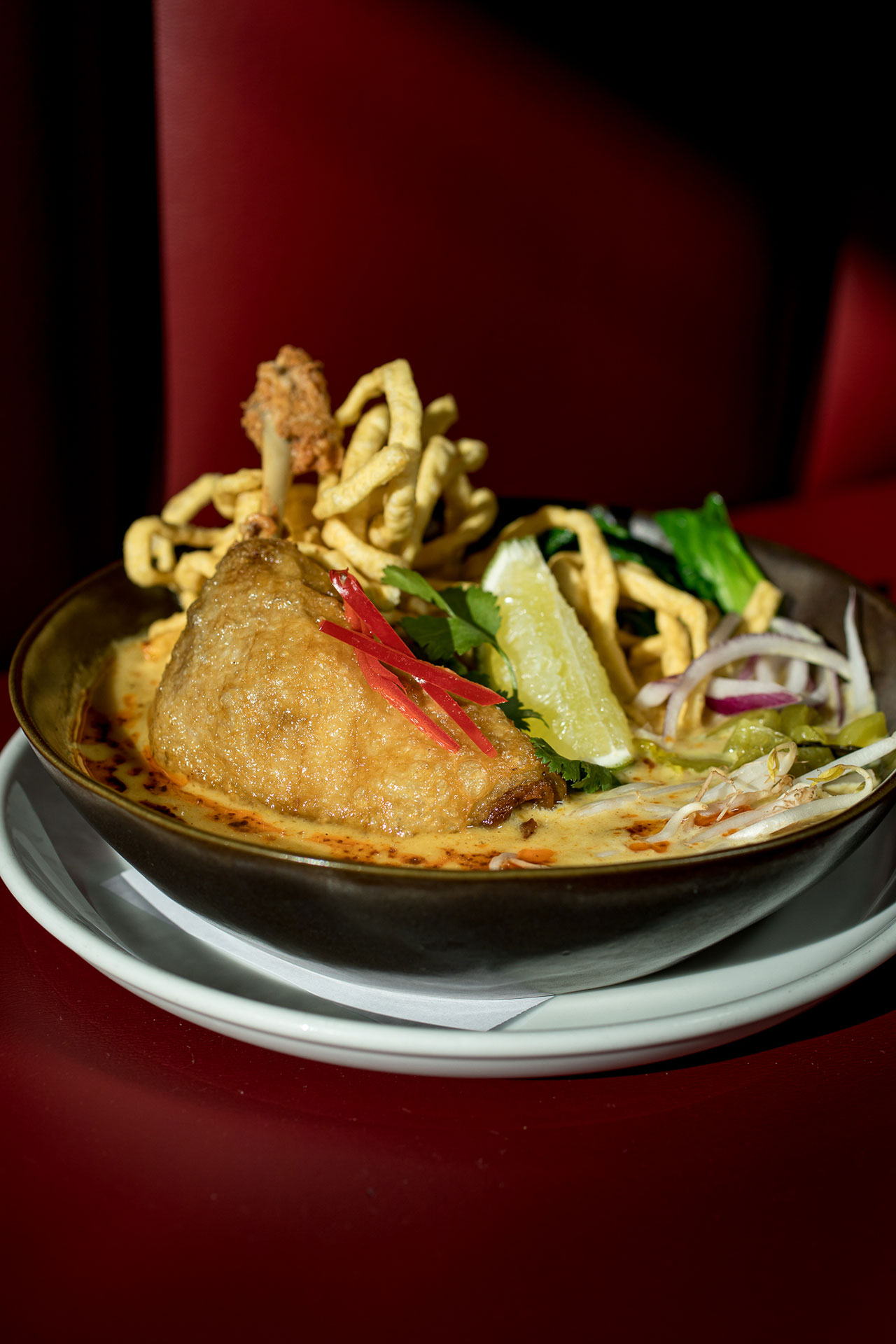
Being in San Diego, close to Mexico, has allowed Sovereign to provide visitors with the freshest dishes possible. “California’s rich agricultural landscape provides incredibly fresh herbs and vegetables—ingredients that are essential to authentic Thai cuisine. Being so close to Mexico also means easy access to vibrant chilies, citrus and fresh seafood, all of which naturally align with Thai flavor profiles,” Pitiwartarlai explains.
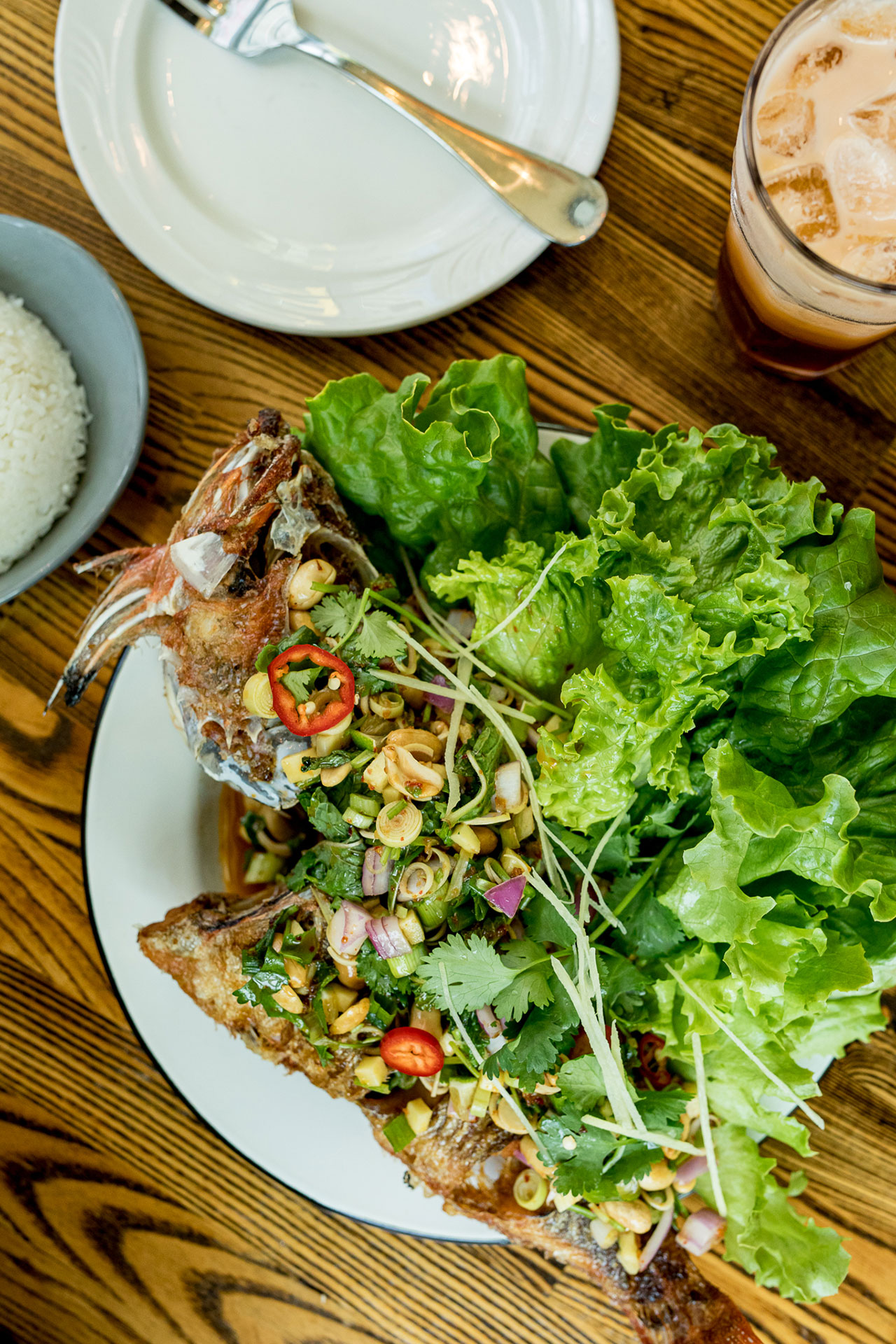
Every week, the restaurant’s special menu features a dish that incorporates seasonal California produce. Pitiwartarlai recommends their locally caught rockfish, which is served in a tamarind-based sauce made with fish sauce, palm sugar, Thai herbs and crushed peanuts. “We collaborate directly with local fishermen, who catch rockfish specifically for our kitchen. Because of this, the dish is not always available, depending entirely on the day’s catch. This unpredictability makes it special, and connects diners to both the fishermen and the coastline,” she says.
Zhengyalov Hatz
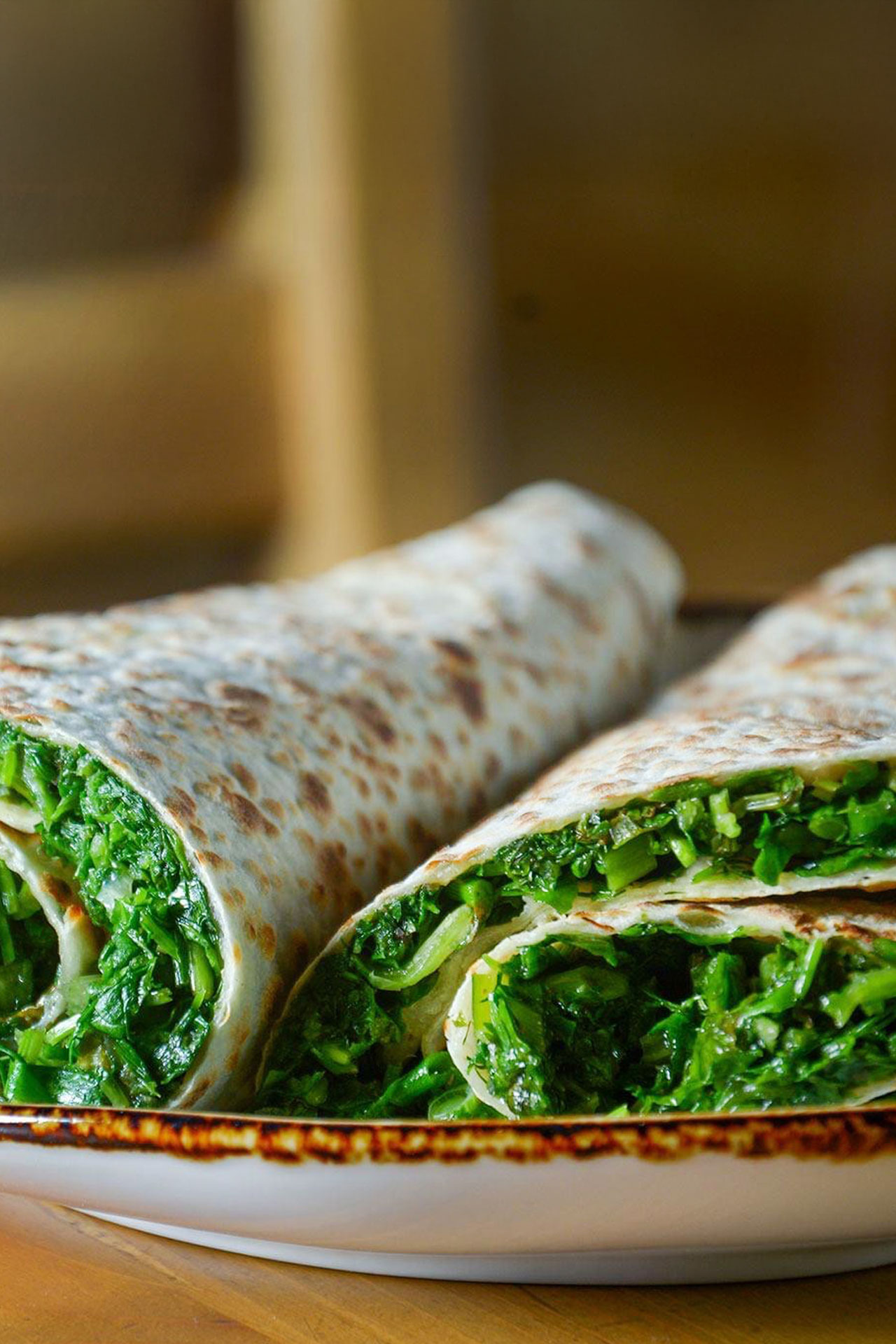
Glendale, CAWith the largest Armenian community in the United States, Glendale has numerous restaurants that serve all kinds of Armenian specialties. Zhengyalov Hatz, which focuses on zhingyalov hats—flatbreads stuffed with herbs and vegetables like sorrel, spinach, scallions and beet leaves—is the only one mentioned in The MICHELIN Guide.
The first Zhengyalov Hatz opened in Yerevan, Armenia 20 years ago. In 2018, founders Iveta Manukyan and Vrezh Osipyan, who was born in the Artsakh region where zhingyalov hats originated, decided to open a location in Glendale.
Zhaneta Vallianos, manager of Zhengyalov Hatz, says that they follow “a long-time recipe used in many Armenian families.” The restaurant uses the same kinds of ingredients in Glendale as they do in Armenia, but works with local farmers to receive fresh greens from Fresno every day.
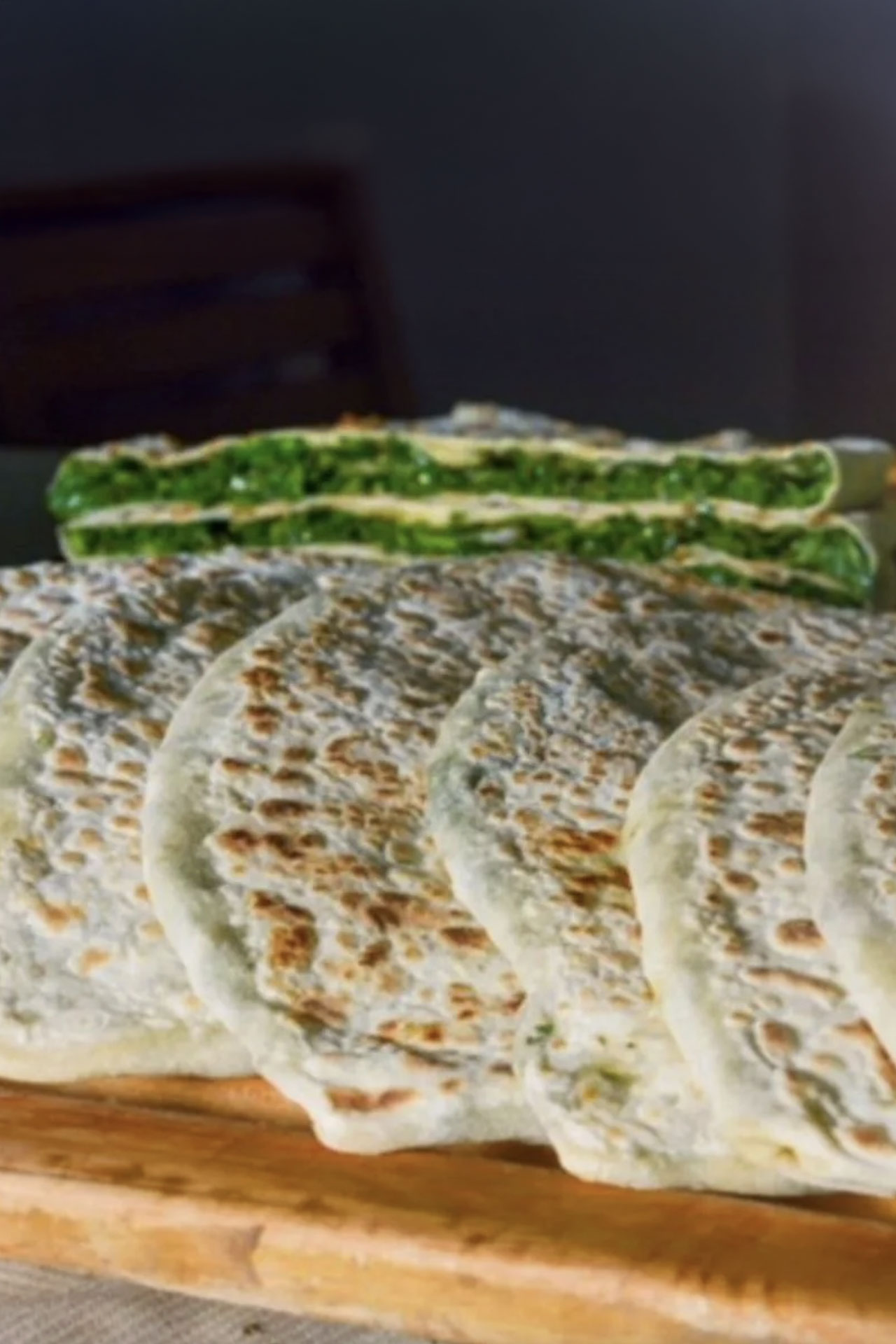
At Zhengyalov Hatz, you can watch the zhingyalov hats being made from scratch, and try an Armenian classic that Vallianos says you can eat “for breakfast, lunch, dinner, or even a midnight snack.”
Chifa (Bib Gourmand)
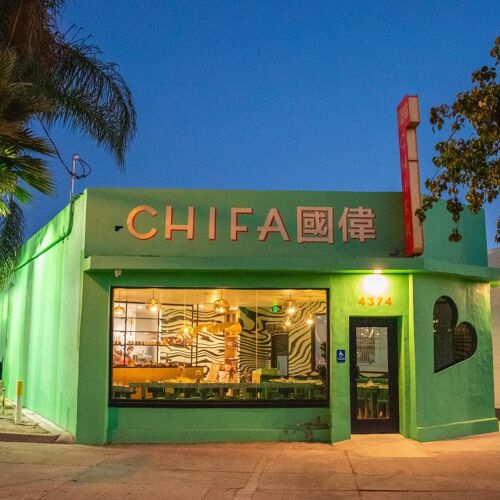
Los Angeles, CAIn Peru, Chinese restaurants are called “chifas.” Wendy Leon opened her original Chifa restaurant in Lima in 1975, and after moving to Los Angeles, the Leon family has “reopened” Chifa more than four decades later. Siblings Rica and Humberto Leon want visitors to feel like they’re a guest at their “family table” when they come to Chifa, explaining, “It’s a place to showcase our family’s overall culinary history by featuring generational recipes from our Cantonese, Peruvian and Taiwanese heritage.”
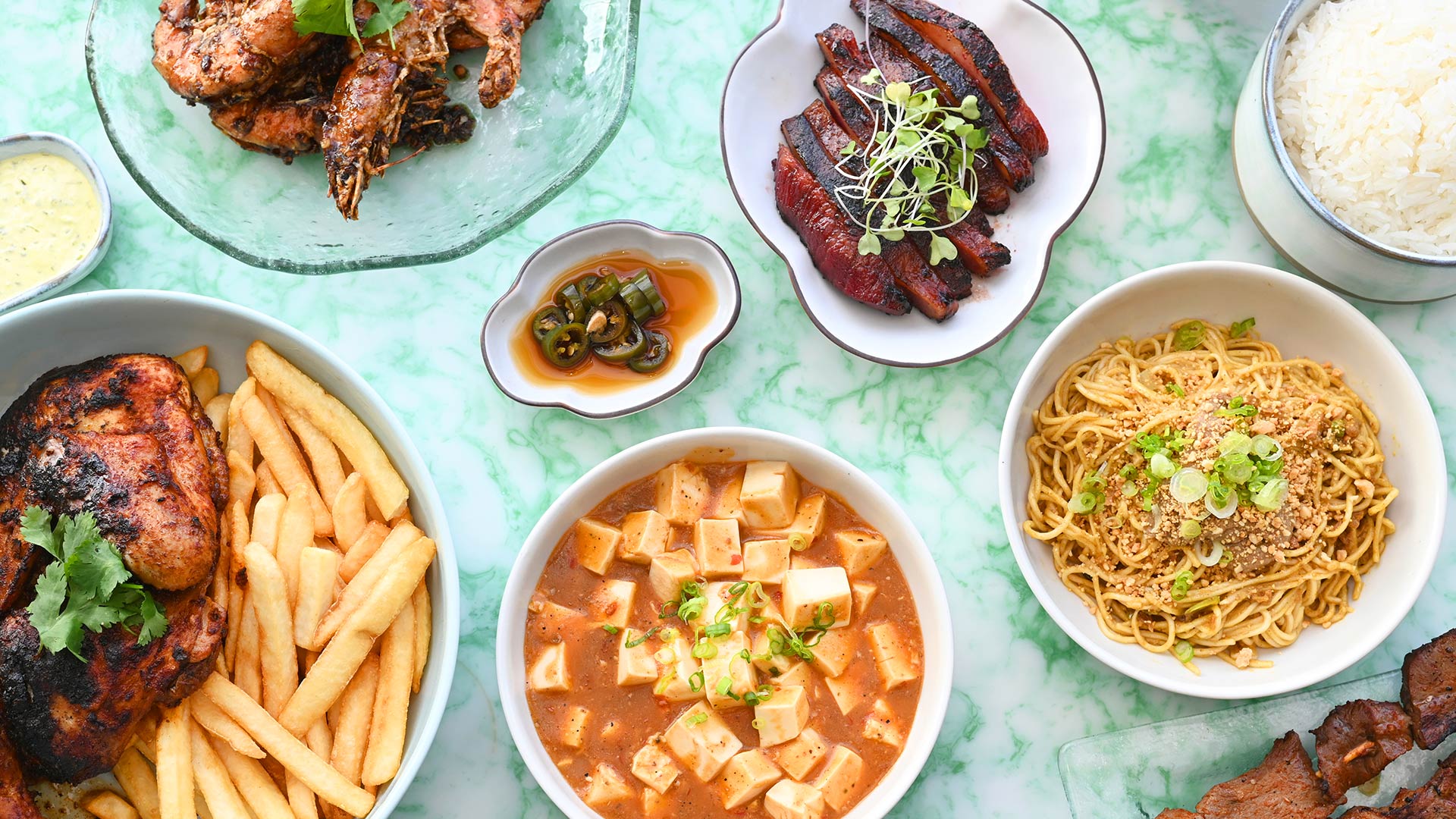
Rica and Humberto describe examples of Chinese-influenced Peruvian cuisine on their menu, including lomo saltado, a stir-fried beef dish that is cooked with soy sauce in a wok. Dishes like these came about during the arrival of Chinese laborers in the 1800s, who brought over ingredients and cooking techniques from their home country. Now, Los Angeles is a fitting place for the family to share this food, as Rica and Humberto explain that California provides “the luxury of having access to Asian and Latin American resources and local farmers.”
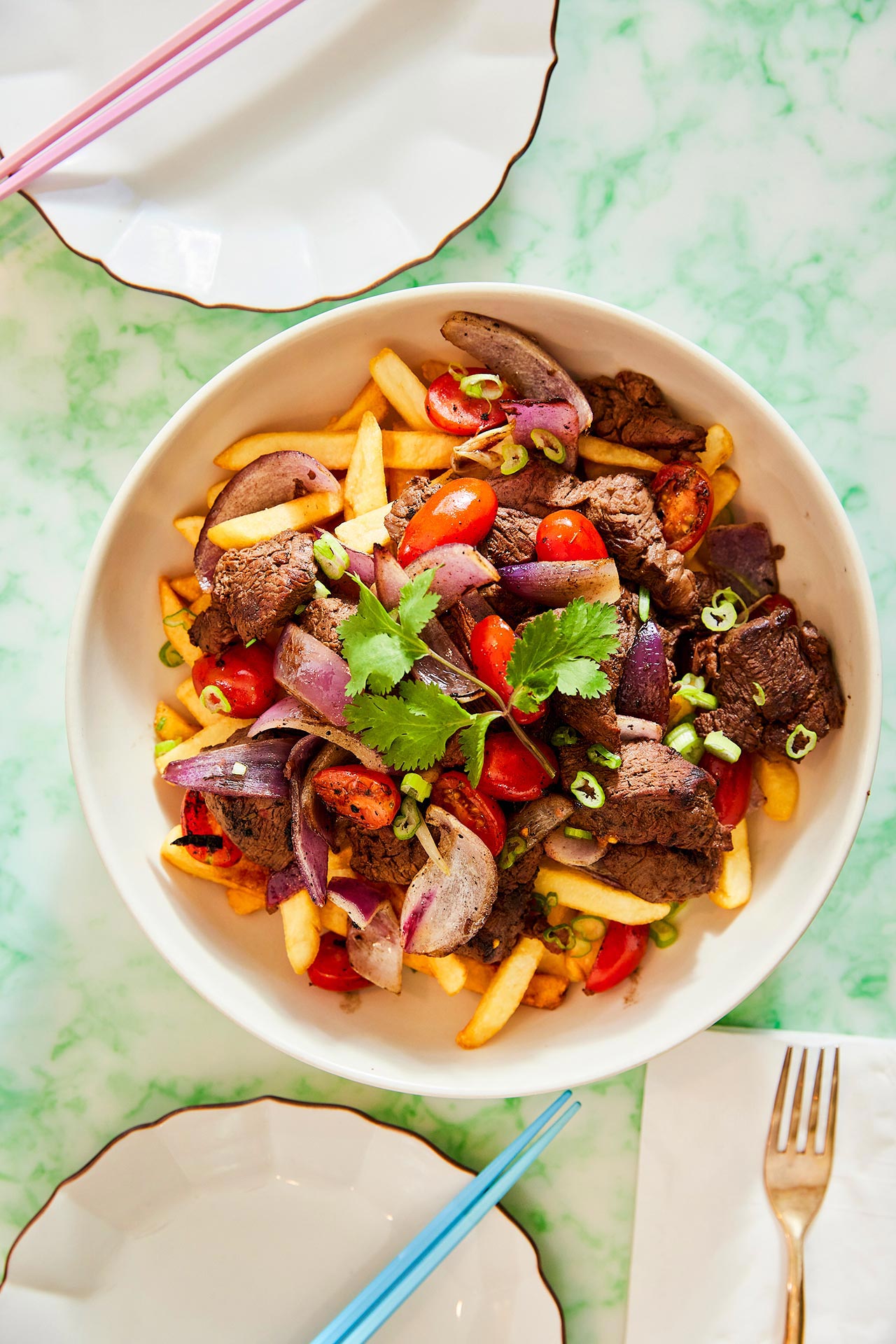
Rooted in the fusion of cultures and culinary styles, the Leon family continues to experiment with different flavors, having created dishes like a beef soup noodle French-dip-style sandwich, a bolo bao (Hong Kong pineapple bun) burger, a Taiwanese pastrami sando and a dim sum beet cake inspired by Chinese radish cakes. Of course, they also recommend their recipes that go back generations, including their version of lomo saltado, which is made with wood-fired and wok-tossed filet mignon and cherry tomatoes.
Abacá
San Francisco, CAAt Abacá, Francis and Dian Ang combine old family recipes and flavors from the Philippines with Northern California’s best seasonal ingredients. With the San Francisco Bay Area having one of the largest Filipino communities in the United States, Abacá has a mission of “showcasing the beauty and vibrance of Filipino culture and cuisine” to visitors. They introduce phrases like “pamilya” (family), “pica-pica” (snacks) and “salamat” (thank you) throughout their menu, while highlighting popular Filipino dishes like pork lumpia (egg rolls), sisig (crispy pork) fried rice and halo halo (dessert).
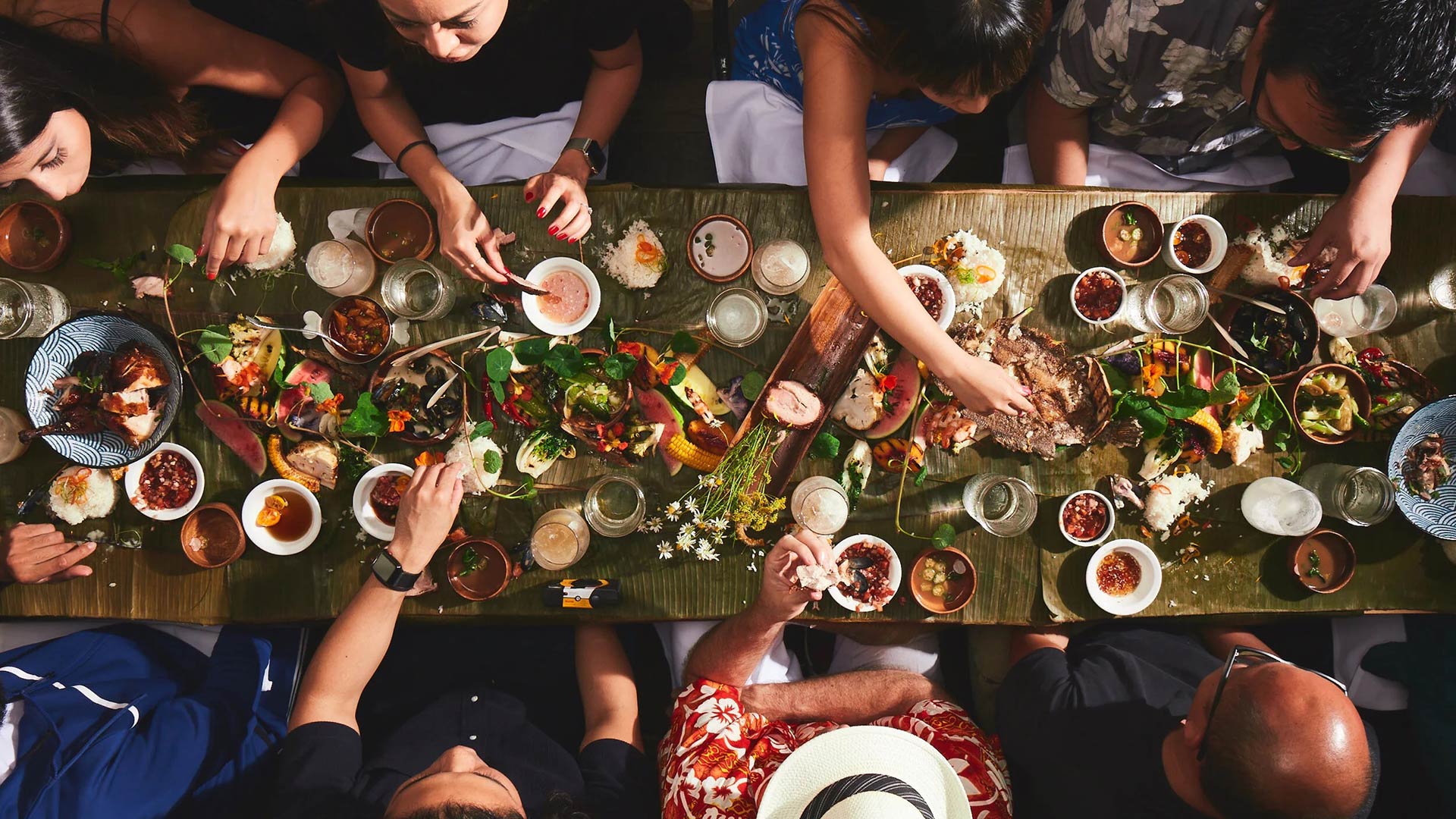
The menu is full of ingredients from local producers. For example, the pork lumpia features stonefruit from K&J Orchard, the cauliflower steak comes from Ledesma Family Farm, and seafood is often sourced from Pier 45 Seafood in Fisherman’s Wharf. The Angs truly aren’t afraid to bring together their Filipino and Californian backgrounds—in a single dish, Monterey squid sits beside adobo sauce, and in another, pandan bibingka (coconut cake) with fresh sunchoke cream.

Nixtaco
Roseville, CALocated near Sacramento, in California’s Gold Country region, Nixtaco is a taqueria whose tacos “simmered in the traditions of their ancestors” have been called some of the best in California—an impressive feat given the incredible variety of Mexican food across the state. With the Central Valley being one of the most bountiful agricultural regions in the United States, it’s no surprise that the restaurant incorporates fresh, locally sourced ingredients throughout its menu.
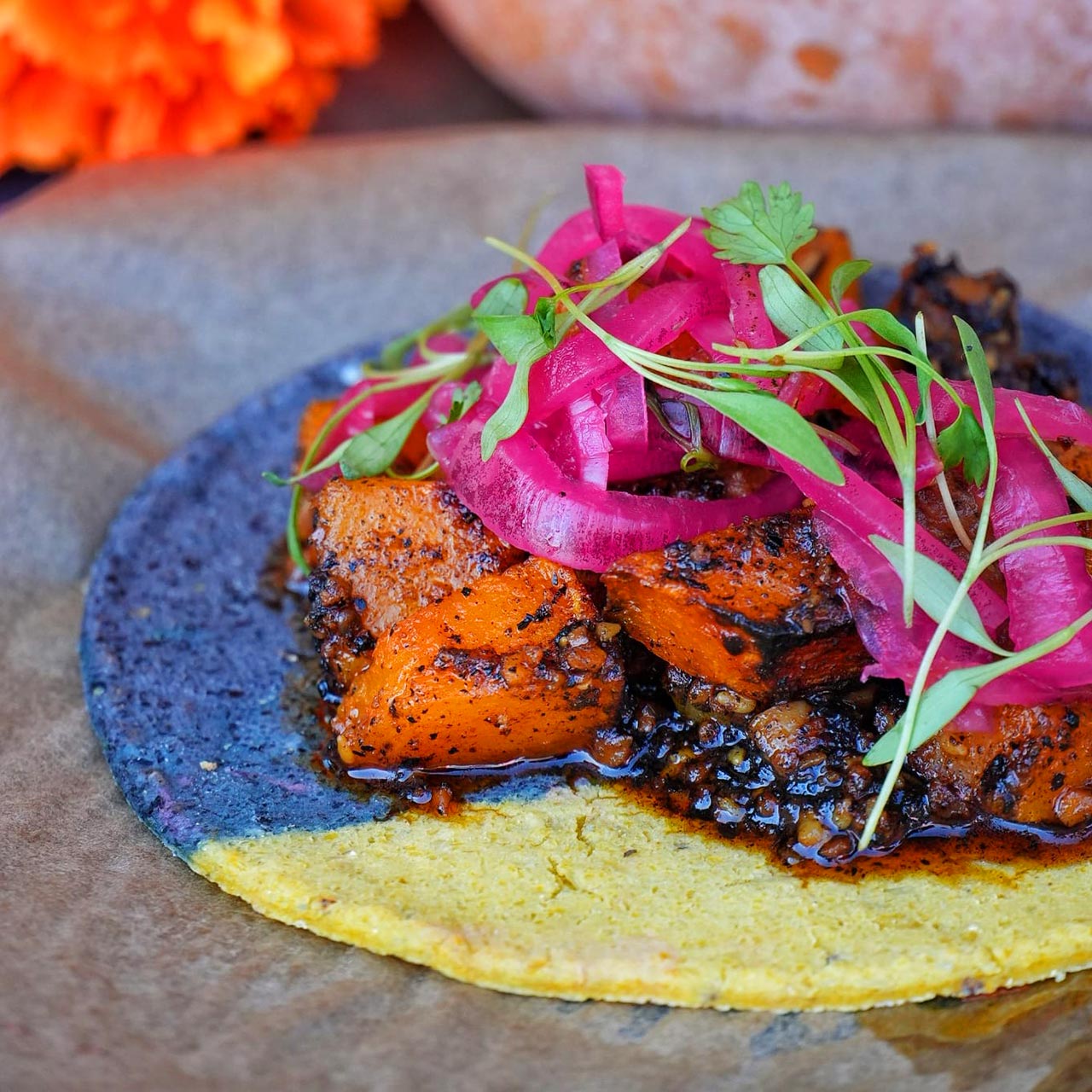
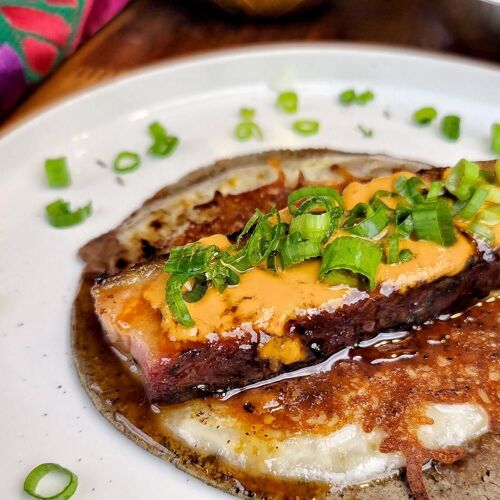
Owners Patricio Wise & Cinthia Martinez share favorites from their hometown of Monterrey, Mexico, such as chicharrones (crispy pork rinds) and carne asada (grilled beef). Their wide range of taco options include chicharrón, short rib barbacoa (braised beef), rajas con queso (creamy peppers), shrimp Mazatlán style and picadillo (minced stew). They feature ingredients from local California producers, like peaches from Twin Peaks Orchards and tomatoes from Uncle Ray’s farm and tortillas are made from landrace corn from a farm in Pleasant Grove, which are nixtamalized (a traditional preparation process) and ground in-house daily.
The Dutchess
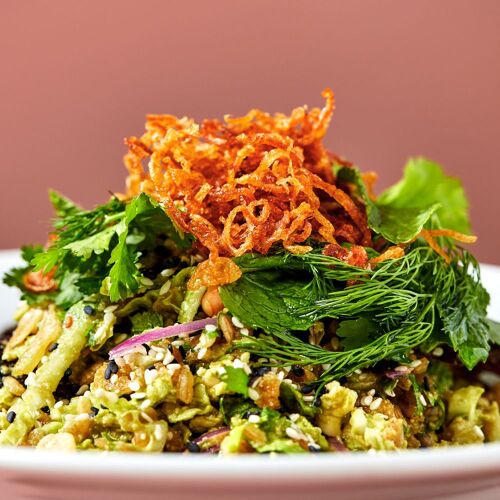
Ojai, CAThe Central Coast is California’s vibrant coastline between San Francisco and Los Angeles. Ojai is just outside of Santa Barbara, and The Dutchess is one of the area’s most interesting spots. At night, it’s a bustling Burmese restaurant led by Chef Saw Naing, with Burmese specialties like tea leaf salad. Pastry Chef Kelsey Brito runs the daytime bakery and cafe, which in addition to pastries and sandwiches also serves Burmese-inspired dishes like a Burmese fried chicken sando.
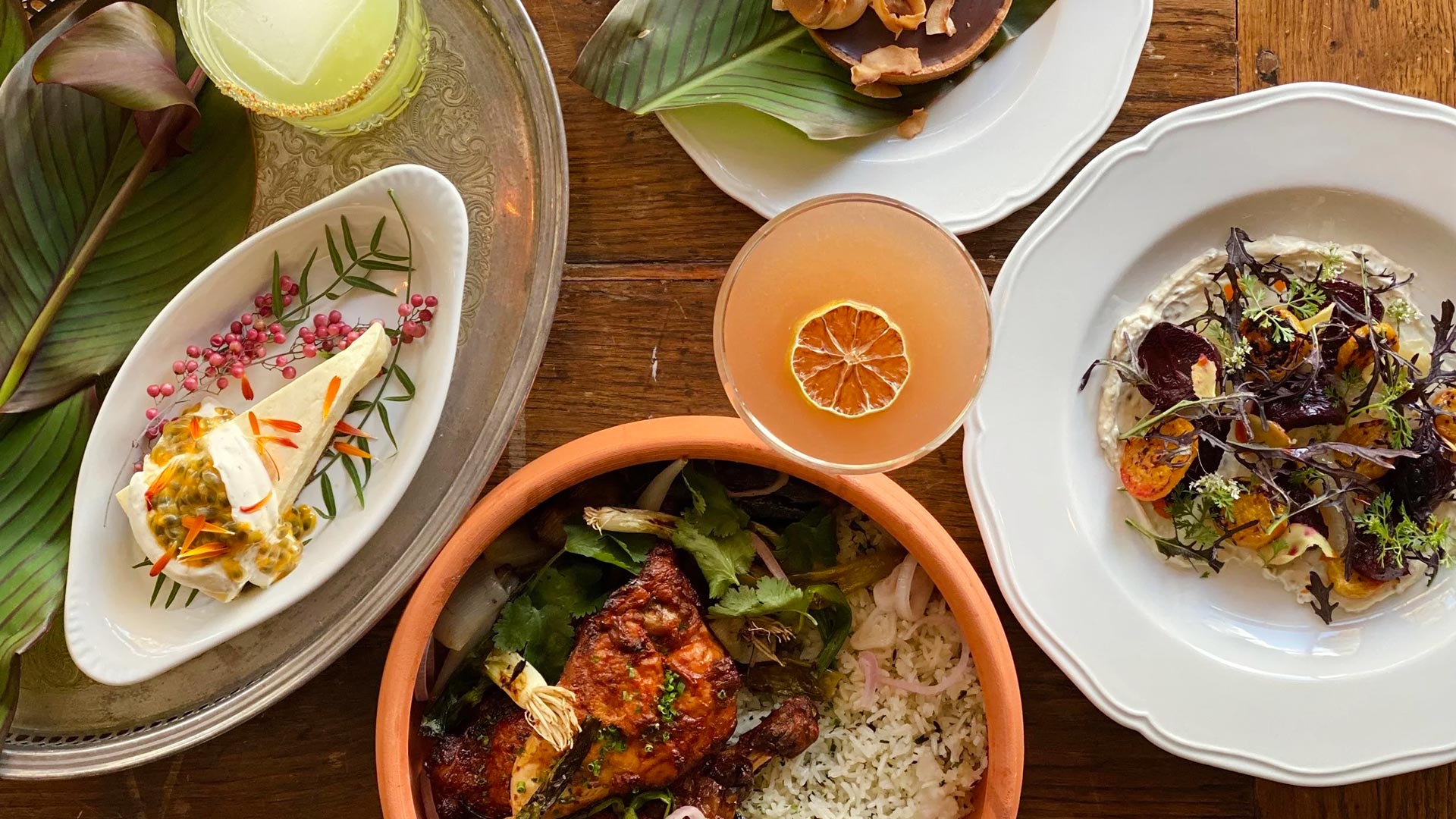
Called a “love letter to Ojai” by the team, The Dutchess gets a majority of its ingredients “from farmers, ranchers, fishermen and winemakers within 50 miles, and who are focused on the health of the land and water.” This includes its local California produce from Ojai Roots Farm and wine from Ojai Alisal Vineyard. According to Naing, the practice of only using what’s local and available is “a hallmark of Burmese food.”
Eylan (Bib Gourmand)
Menlo Park, CA
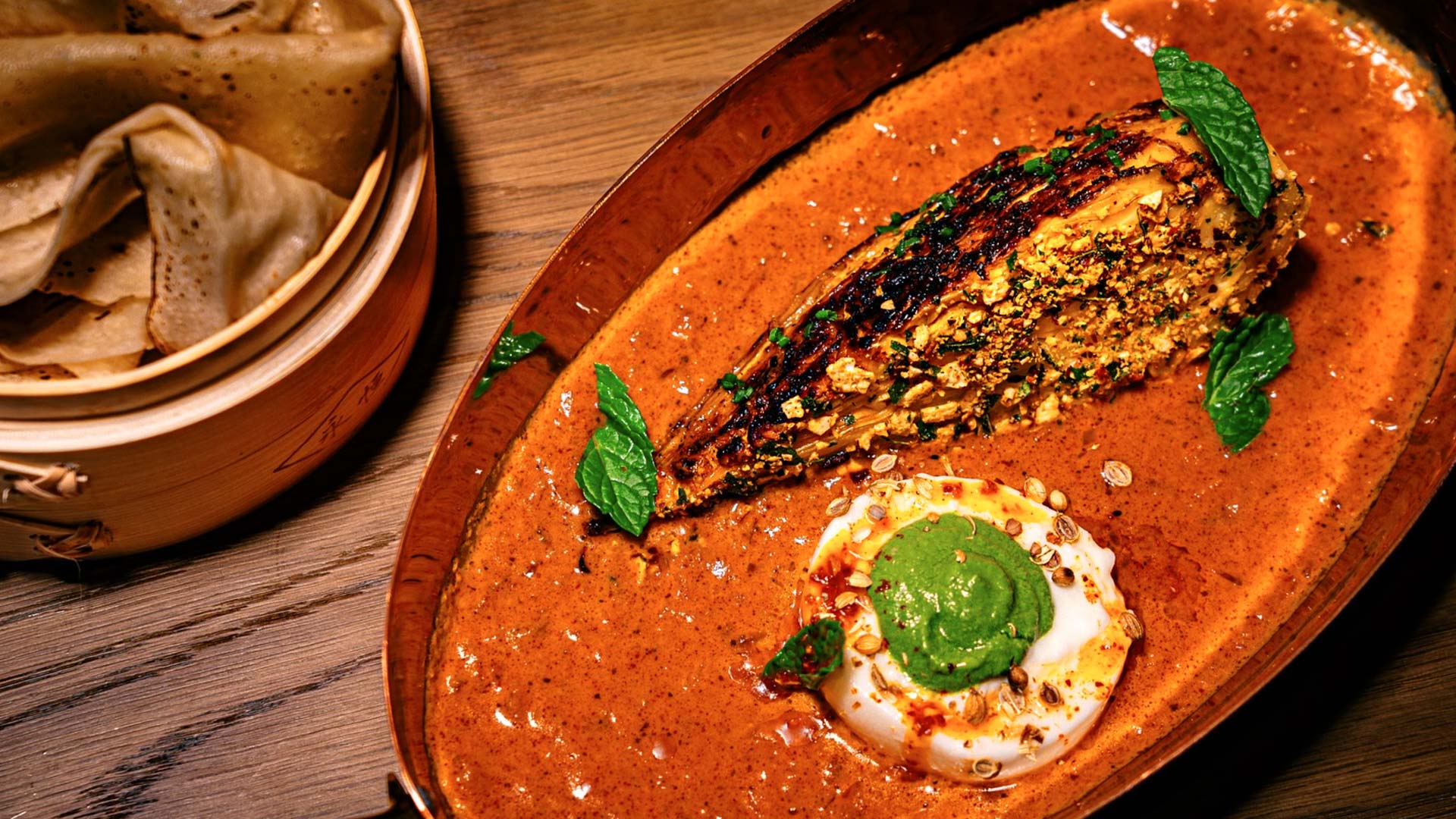
Chef and co-owner Srijith Gopinathan describes Eylan’s culinary style as Cal-Indian: rooted in India’s tradition of wood-fired and charcoal cooking while incorporating California’s local ingredients. He says that this has allowed the restaurant to create deeper flavors and aromas—for example, grilling fresh California tomatillos for a makhani (butter curry) sauce or using crisp autumn grapes in their masala chais (spiced tea).
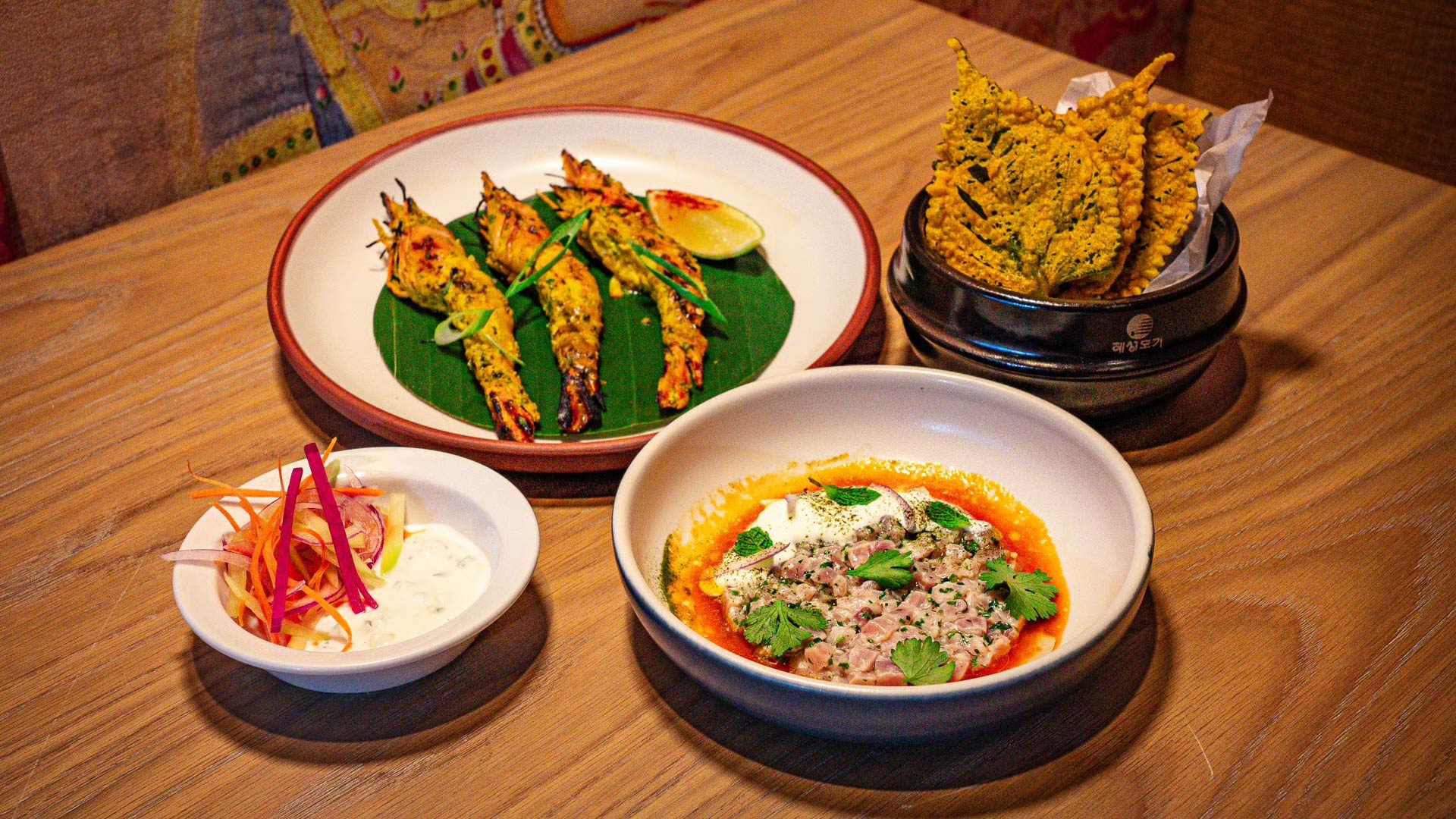
Eylan’s menu is inspired by the seasonality of ingredients in California and close relationships with local producers. For example, they source hispi cabbages from organic farm Dirty Girl Produce, then make it their own by marinating them in light achari (pickled) yogurt, slow-cooking them over embers and serving them on a rich tikka masala (spiced) sauce. “California produces over a third of America's vegetables and two-thirds of its fruits and nuts, which means we have fresh, local ingredients year-round,” explains Ayesha Thapar, co-owner of Eylan.
Gopinathan says that California’s cultural richness makes it one of the most inspiring culinary regions in the world, saying, “California is exciting because of its diversity—in people, ingredients, colors, spices and traditions. You see every style of chilli, fermentation and preservation. It’s a place where global food traditions meet incredible local produce.”

Hero image: ©Chad Santo Tomas/Eylan