

Exploring Riyadh
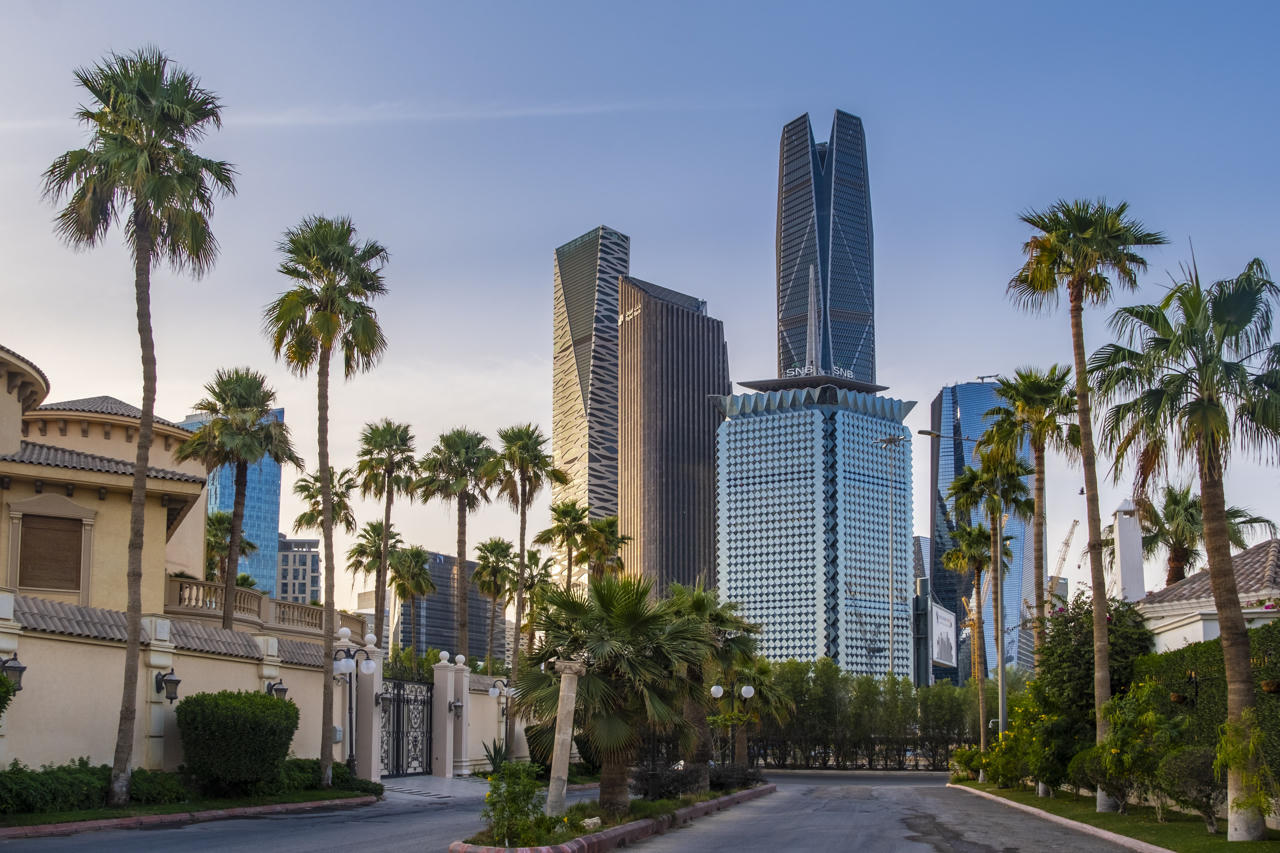
Riyadh is Saudi Arabia’s capital and largest city. Learn more about the top things to see and do.


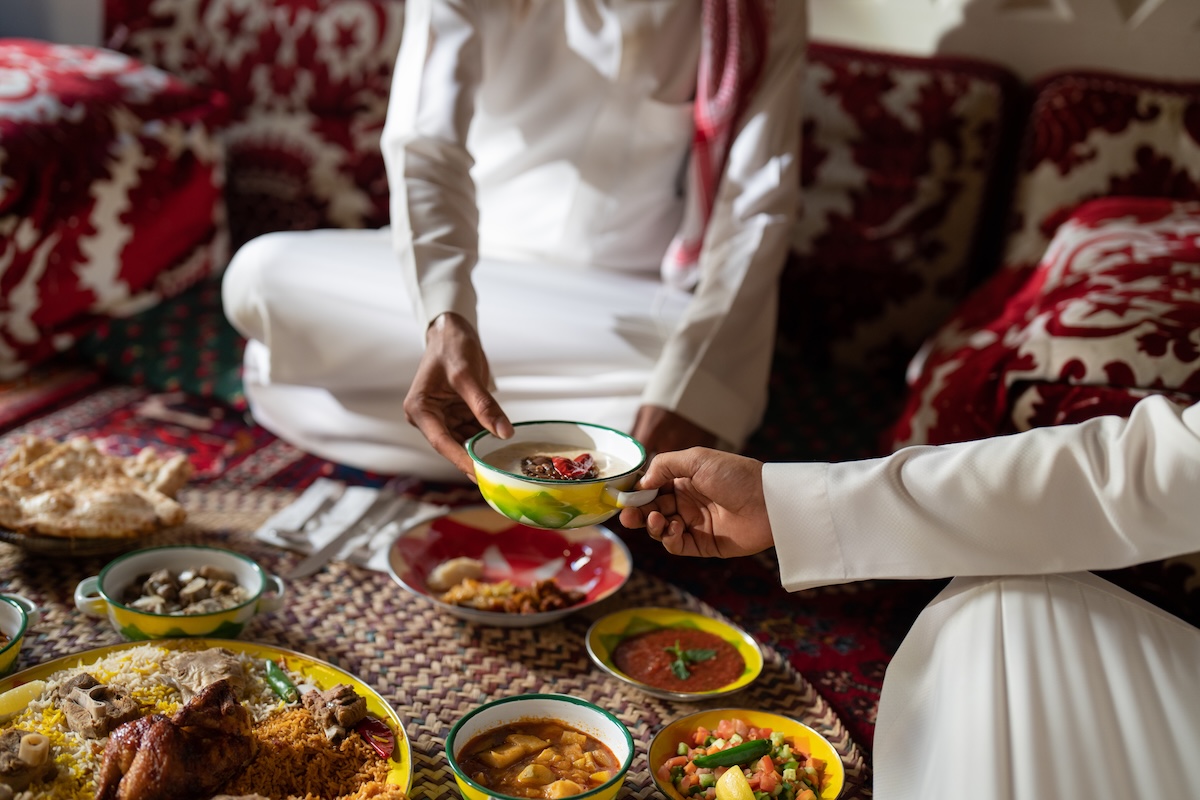
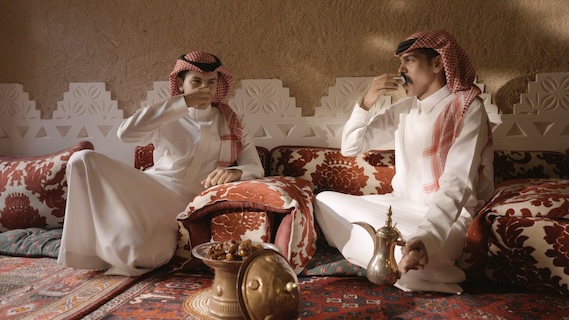
Walking into a Saudi home for the first time, there’s this quiet, uplifting moment. A wave of bukhoor is the first greeting before anything else; it wraps around guests with its soft, warm scent. Then, they are led into the majlis/the living room, which is where families sit together, where guests settle in, where conversations unfold slowly and naturally.
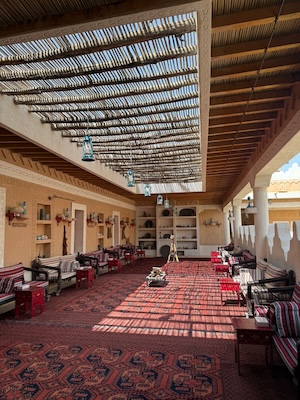
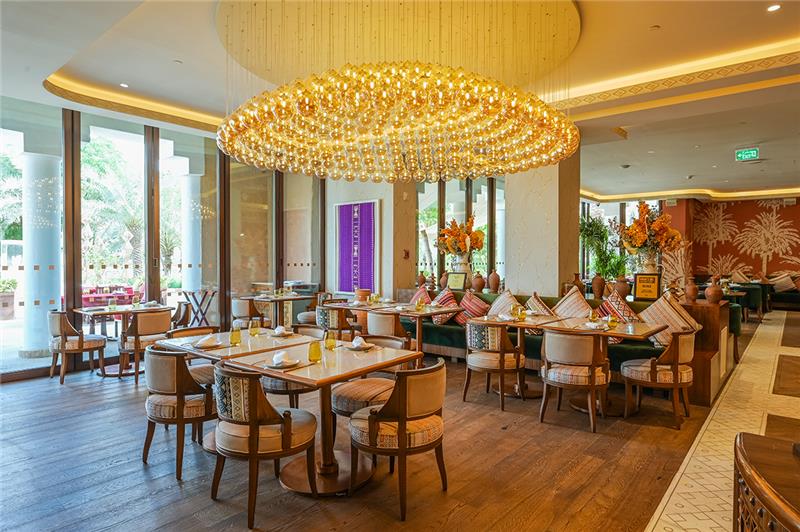
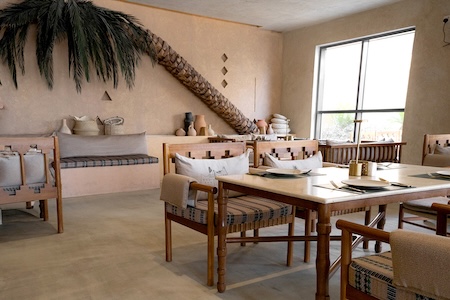
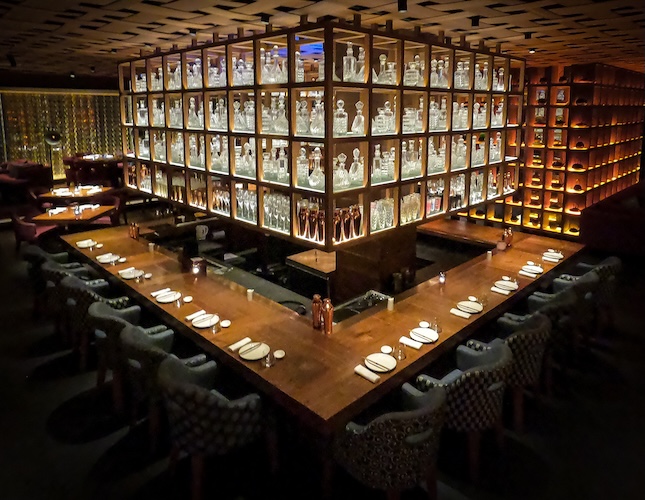
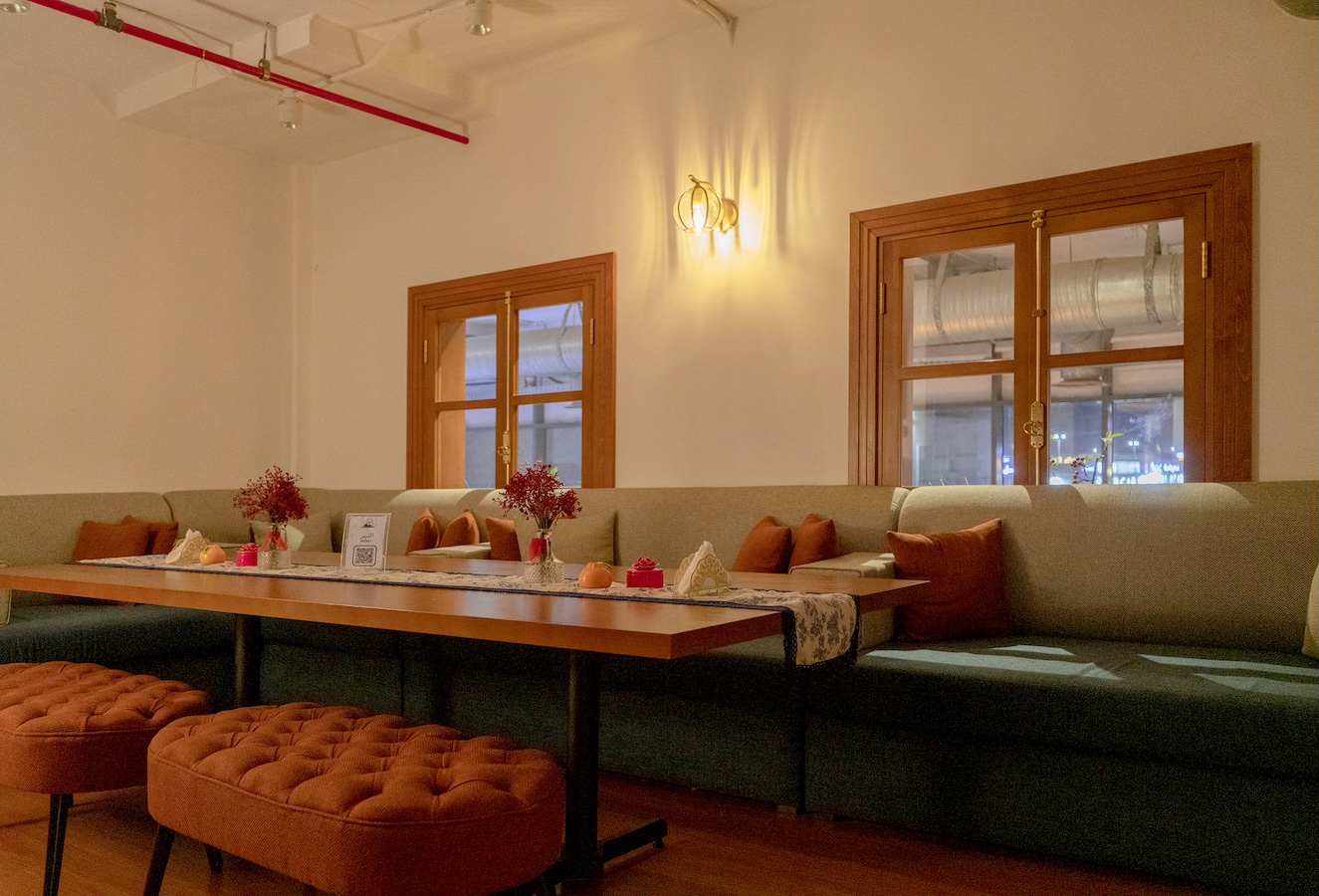
The majlis itself, or modern-day living room, is lit up with soft lights, deep cushions, and carpets that hold stories of their own. Everything in the space feels intentional. “For us as Saudis, we put the most important people in the majlis,” says chef Hind of Bib Gourmand Samia’s Dish. In some Saudi restaurants, you will find the concept of a majlis ever so present, like Albahkali has done in her restaurant.
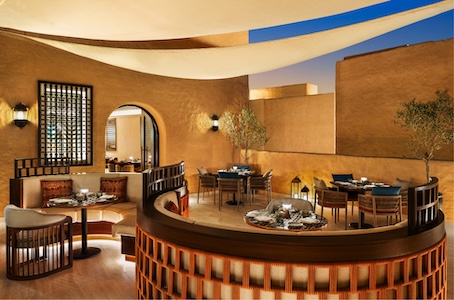
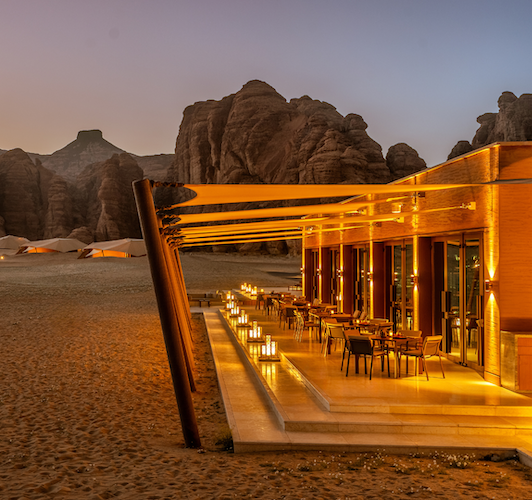
In the desert, the tradition expands into tents set under an endless sky, typically segregated for men and women, and each arranged with carpets and cushions that have weathered sandstorms and celebrations alike.
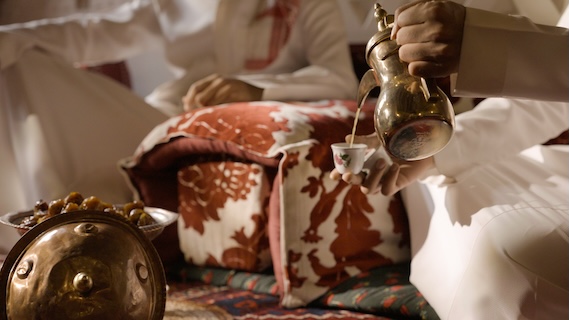
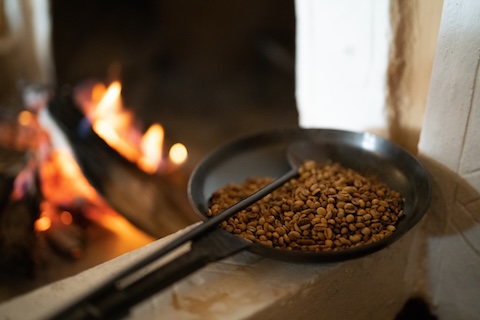
“The first thing we serve our guests is Saudi coffee,”Abahkali explains, “it symbolizes who we are as Saudis; there’s no home that welcomes guests without it. ”Upon sitting in any Saudi home, guests are offered hot qahwa (Saudi coffee) poured into a tiny cup that feels too delicate to hold all the meaning it carries. Saudi coffee is served hot, fragrant, with cardamom, saffron or clove depending on where you are.
The host leans slightly forward to offer the cup as a gesture of kind hospitality and never fills the cup up to the top. After a sip, and before placing the cup down, a refill appears. When done, give the cup a slight shake – a well-known gesture Saudi guests and hosts understand.
“Serving our coffee is our way of celebrating and honoring our guests,” says Fahad Mohammed Abdullah Mosharf, restaurant manager of Bib Gourmand Najd Village. “It’s an important part of our heritage.”
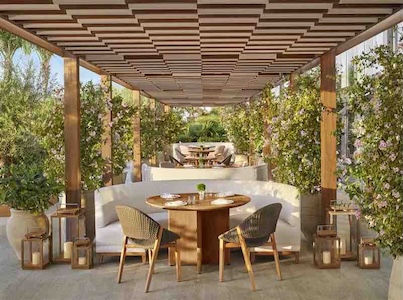
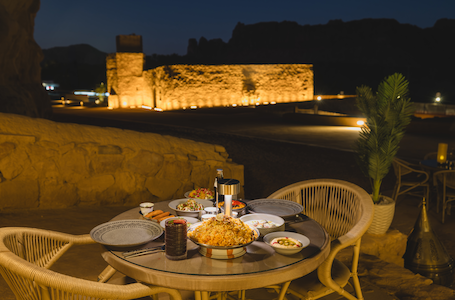
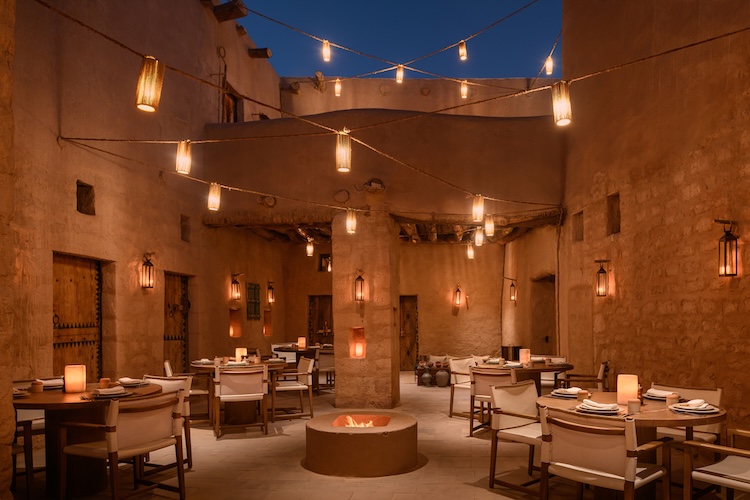
Whether in a tent pitched in the dunes or a modern home in the middle of Riyadh or Jeddah, the feeling of welcome is the same at its core. In the desert, the warmth comes from fire pits and lanterns, from low seating arranged to frame the night sky.
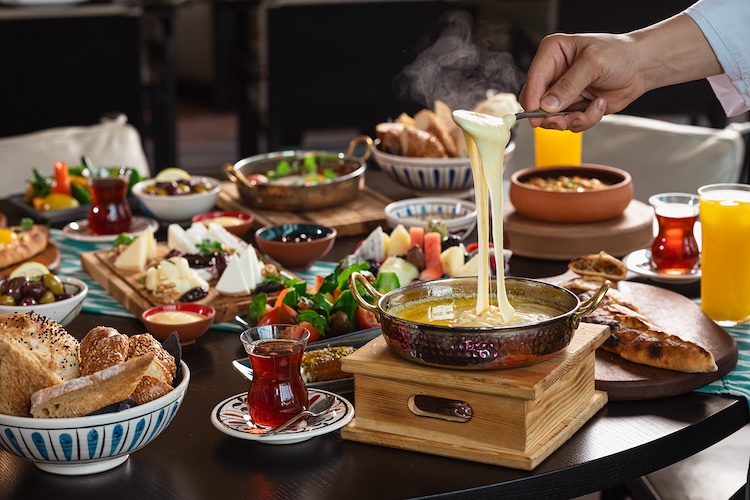
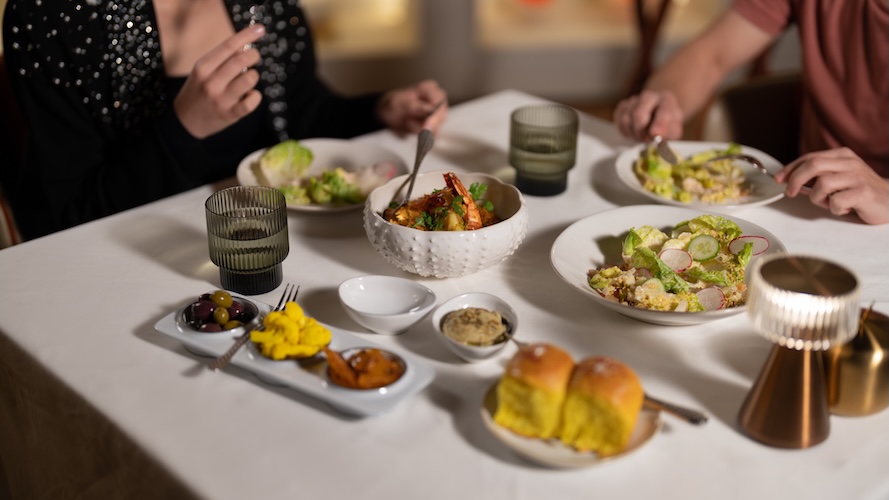
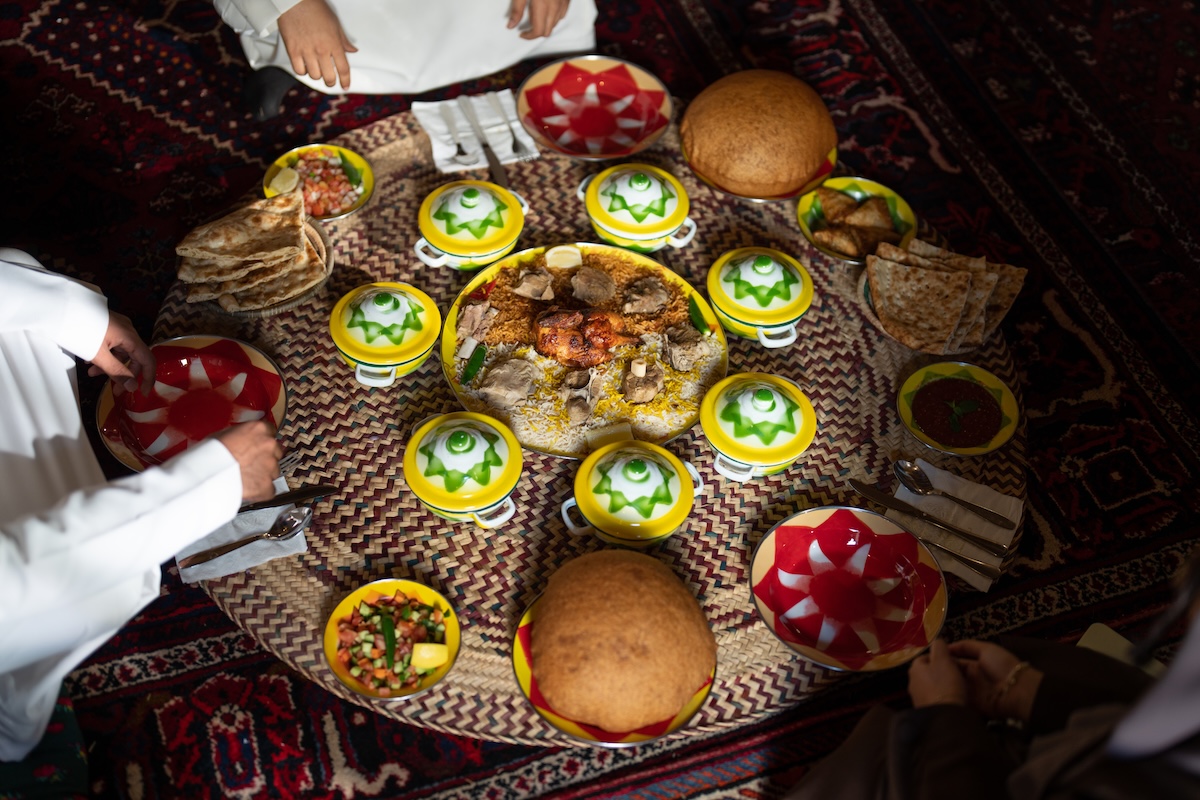
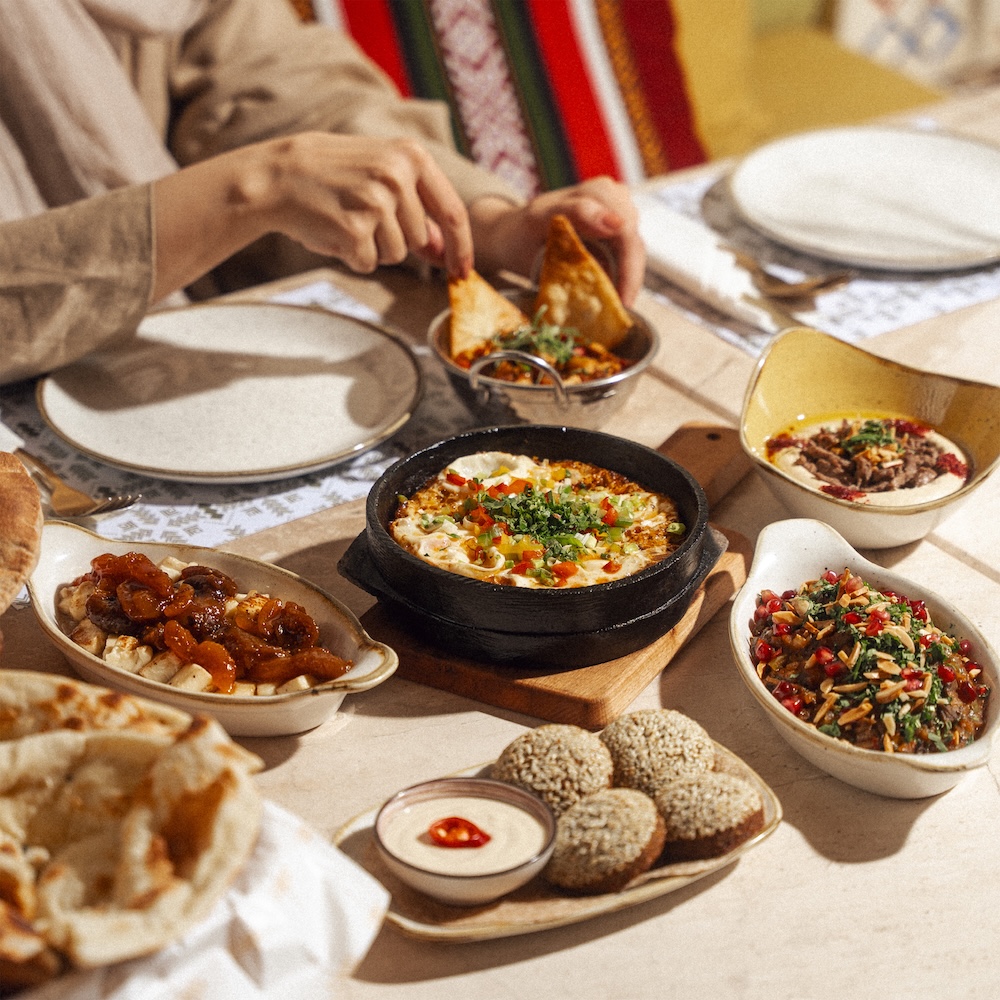
“You don’t just welcome a guest into your home and only serve them coffee,” says Makhoul, “you will offer them a feast as a thank you for coming to your house.”
-- Restaurant General Manager of Taleed by Michael Mina
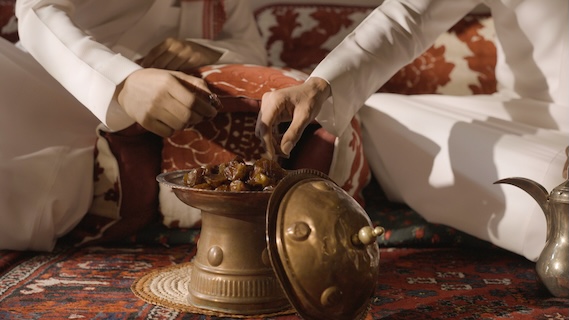
In the city, it’s the familiar ‘Ahlan’ at the door, the smile that precedes every gesture, the insistence that you sit for a cup of coffee and join the family for dinner. The guest always eats first. In some villages till this day, the host waits till the guest is done. Saudis are known to gift their guests, usually with oud incense or perfume, coffee, or dates.
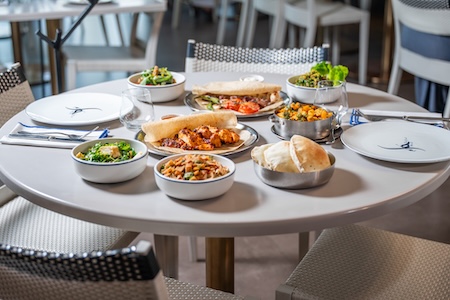
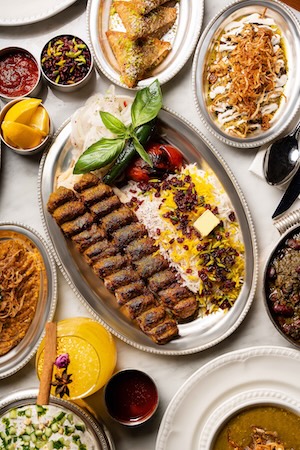
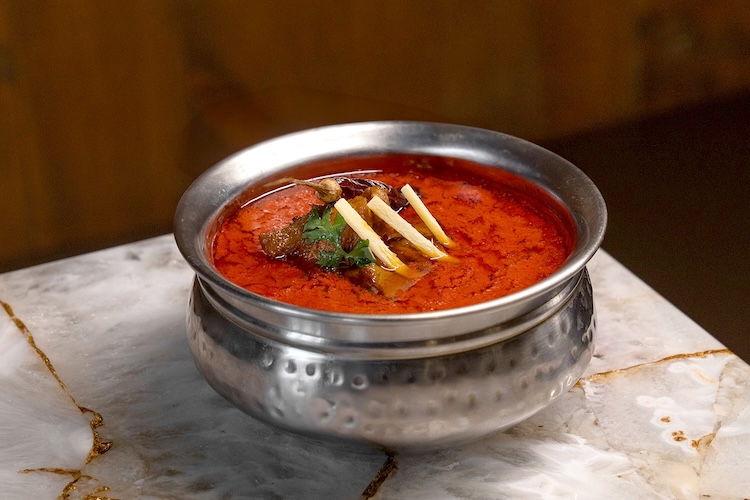
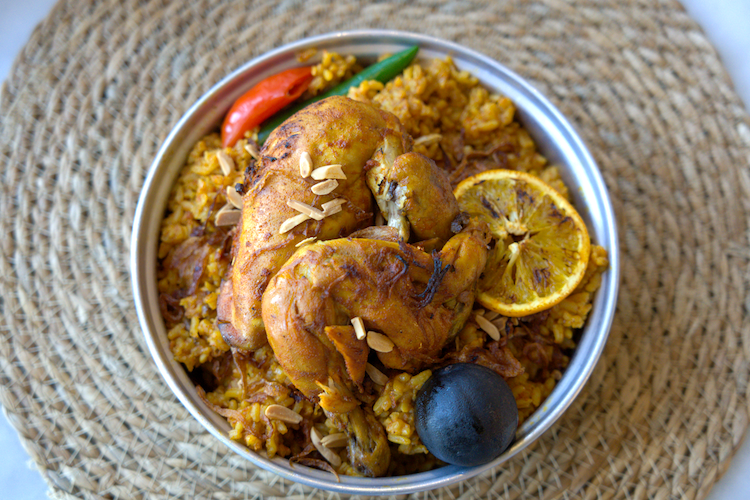
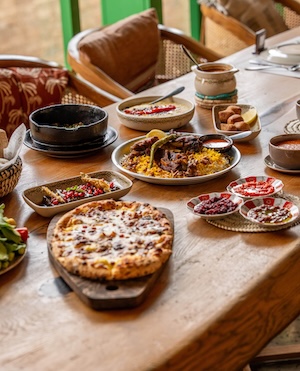
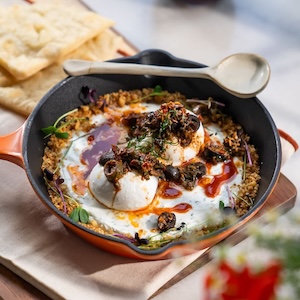
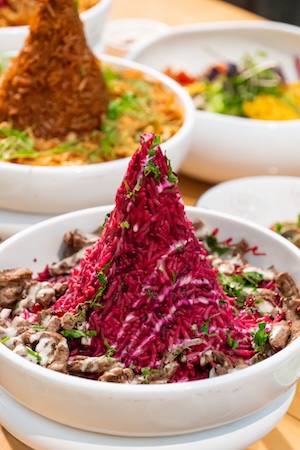
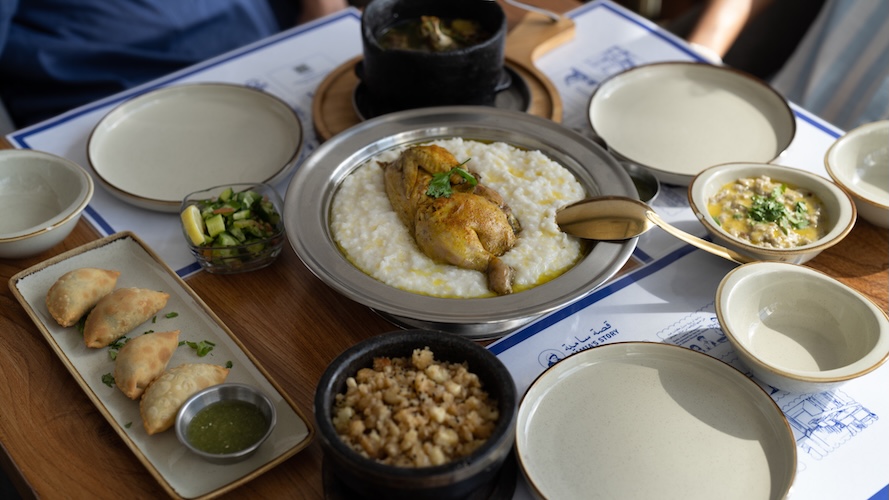
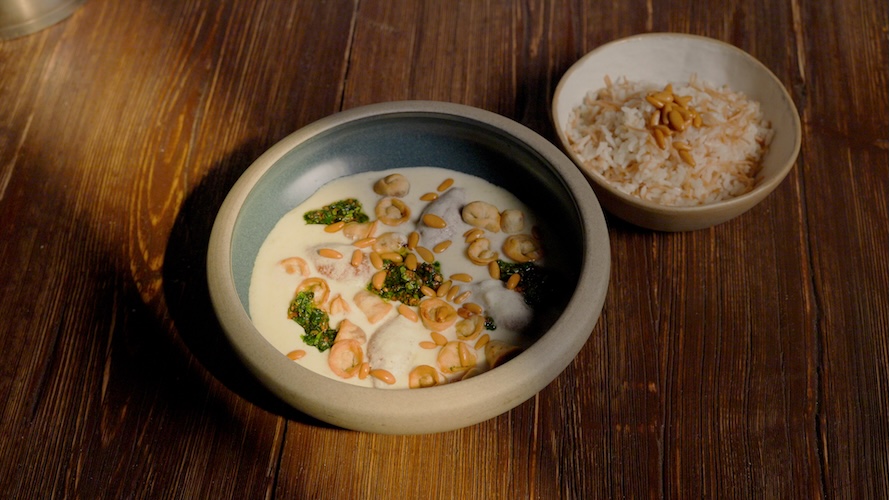
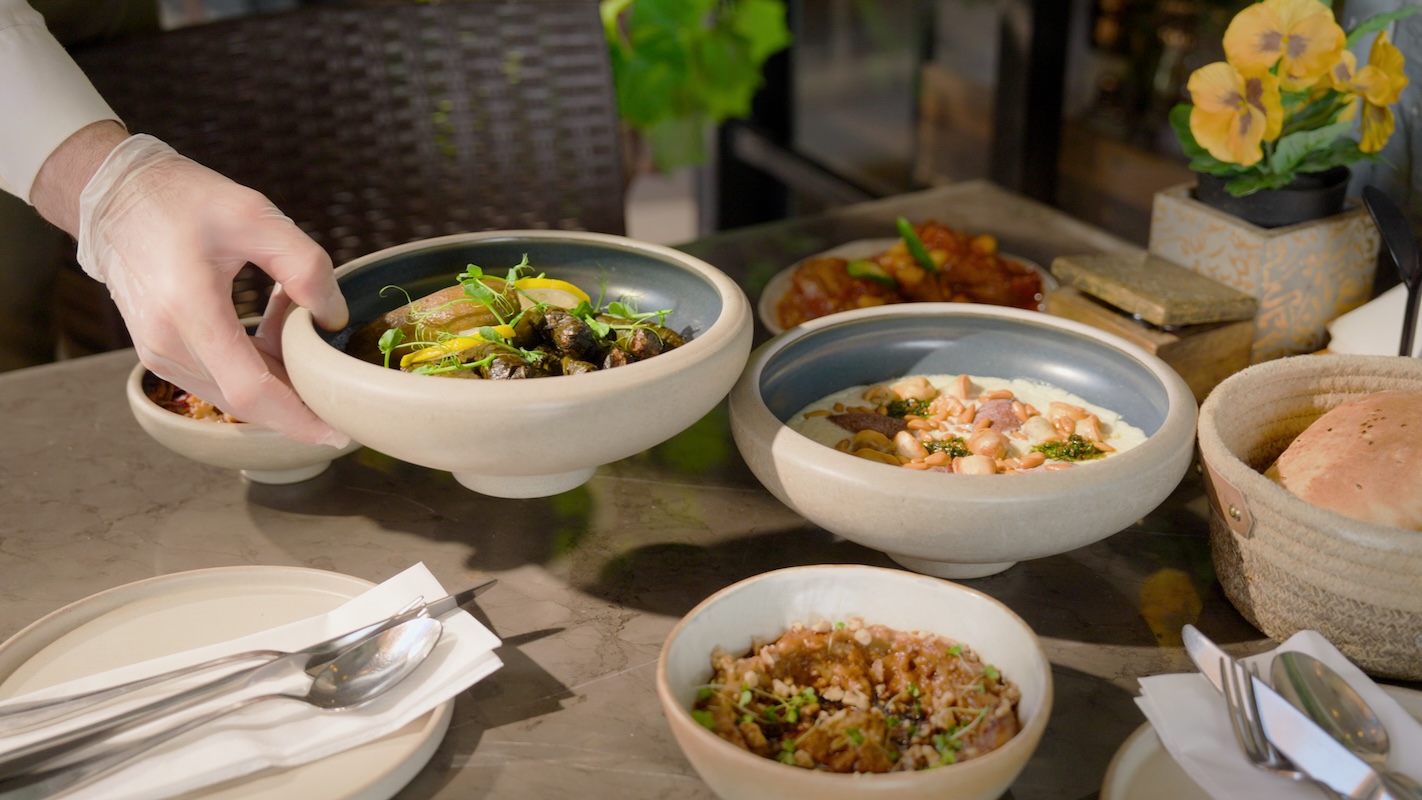
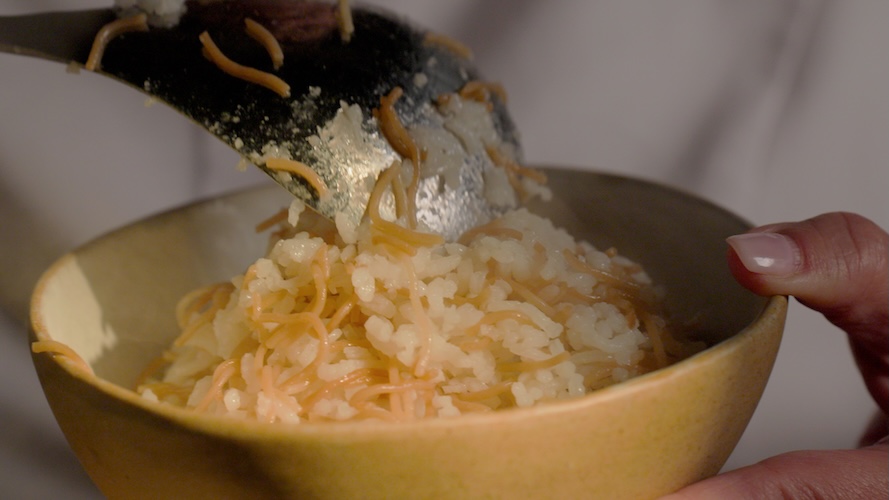
Sometimes it’s a simple spread, sometimes it’s a full table of kabsa - a dish of meat and rice, jareesh - a dish made with coarsely ground wheat and meat along with fresh bread, and family recipes that have been passed down generations. “Jareesh is served during family occasions,” says Mosharf. “We serve it our restaurant because our society still draws inspiration from the past, because it is still a sacred thing to eat.”
Through these everyday customs, Saudi hospitality becomes a living expression of the Kingdom’s heritage. Saudi hospitality evolves with time, but the heart of it never changes.
Nihal Felemban, Saudi Moroccan chef/owner of Bib Gourmand The Lucky Llama, began her journey with a desire she could not shake: “I wanted to show the world what Saudis are capable of,” she shares.
In a time when women’s presence in professional kitchens was rare, Felemban’s perseverance turned passion into purpose. Her restaurant now stands as a symbol of her travels and courage – a bridge between Saudi and the rest of the world. “I always had this seed to open my own business, I was just waiting for the right time,” she reflects.
Similarly, Dalal Haj Ibrahim, Saudi Lebanese chef/founder of MICHELIN-selected Yawmiyat by Dalal, turned her mother’s Lebanese recipes into a popular restaurant. “[My mother] taught me everything, she’s with me whenever I am in the kitchen,” she explains. After starting out from her home kitchen catering for corporate events, she launched a simple sandwich and salads shop before turning it into a beloved family-run eatery with the help of her daughter. “As soon as Sarah joined, the business took off,” she dotingly says, “she’s my backbone.”
“My mother taught me everything, she’s with me whenever I am in the kitchen.”
-- Chef Dalal Haj Ibrahim of Yawmiyat by Dalal
As for banker-turned-chef Roaya Saleh took the culinary industry head on taking inspiration from all the women in her life. Her aim was not only to bring Khaliji dishes to a global stage, but to lead like a mother: a powerhouse. “Leading like a mom keeps my team intact,” she says, “because the mother is really the pillar of the universe.”
These women – and countless others – are part of a broader transformation. Whether through entrepreneurship, policy, or art, Saudi women are not just participating in change; they are leading it.
Their impact extends beyond economics – it’s cultural, social, and deeply human. In every boardroom and classroom, every kitchen and creative studio, they bring the same instinct for community and clarity that once defined family life.
From raising families to raising ideas, Saudi women continue to be the heartbeat of a nation in motion. As the Kingdom looks toward the future, it carries forward the strength, wisdom, and grace of its women – who have always known how to lead, long before the world began to notice.
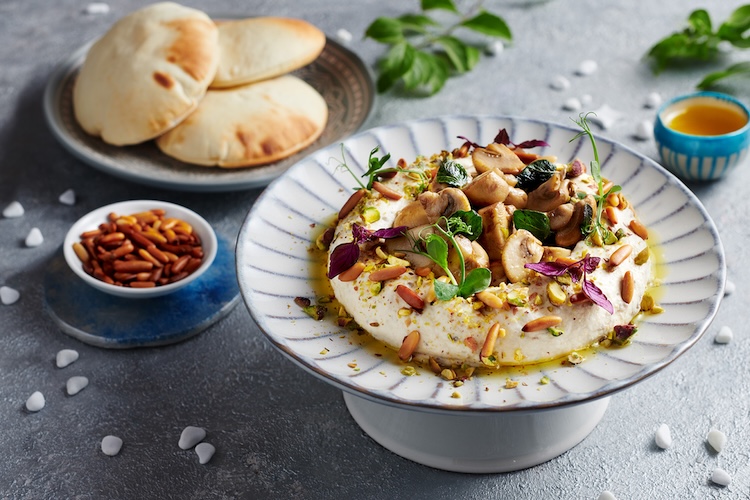
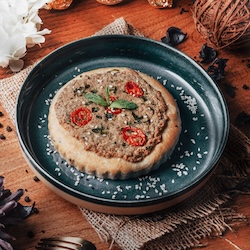
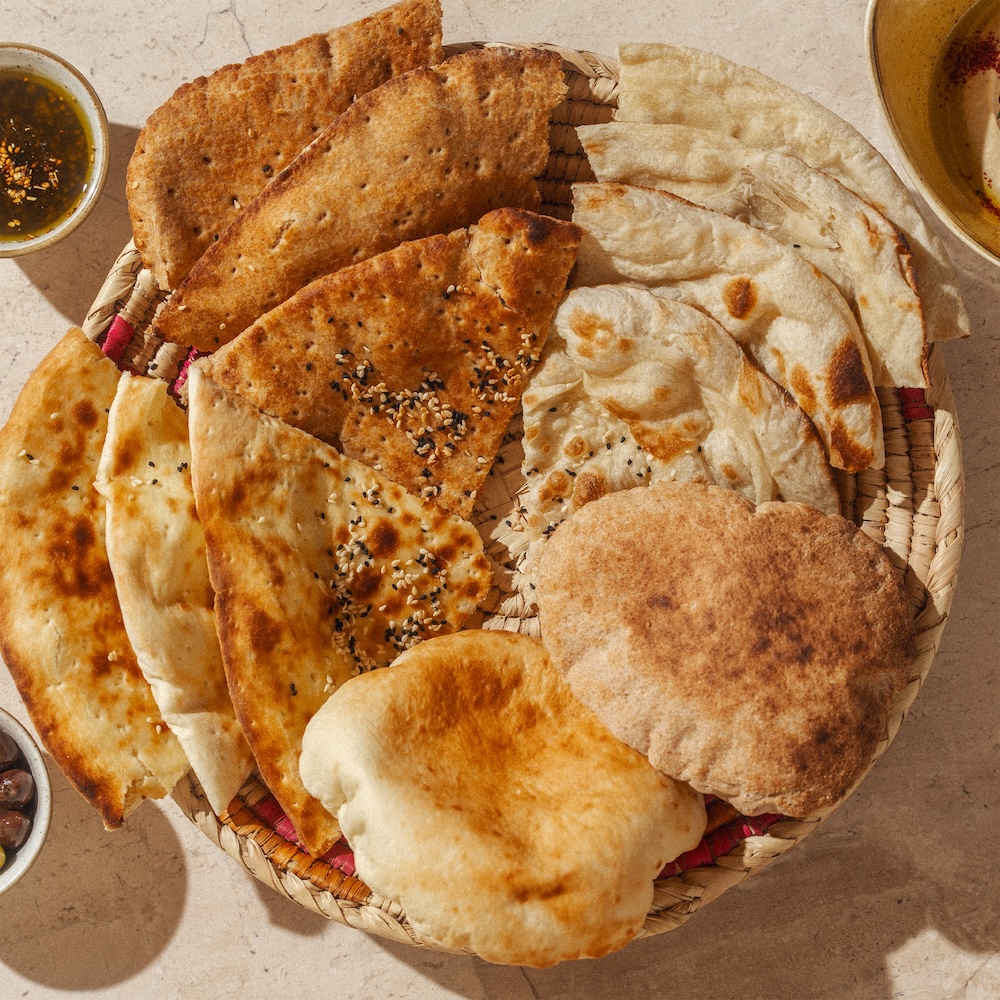
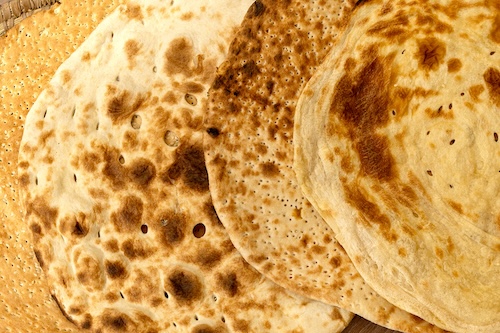
As the sun sets behind the Prophet’s Mosque in the holy city of Madinah, the scent of fatoot - a simple, yeastless flatbread – mingles with dukkah and yogurt. Volunteers hand it out to pilgrims breaking their fast, turning a humble bread into a sacred offering. It’s the first taste of Madinah for many, and a comforting echo of home for others.
During Eid and weddings, kleija takes center stage. A bread originating from Al Qassim, these spiced, filled pastries are lovingly shaped and patterned, filled with dates or nuts, and brushed with saffron or rose water. Kleija is not just dessert; it’s a gift, a gesture of welcome, and a symbol of joy.
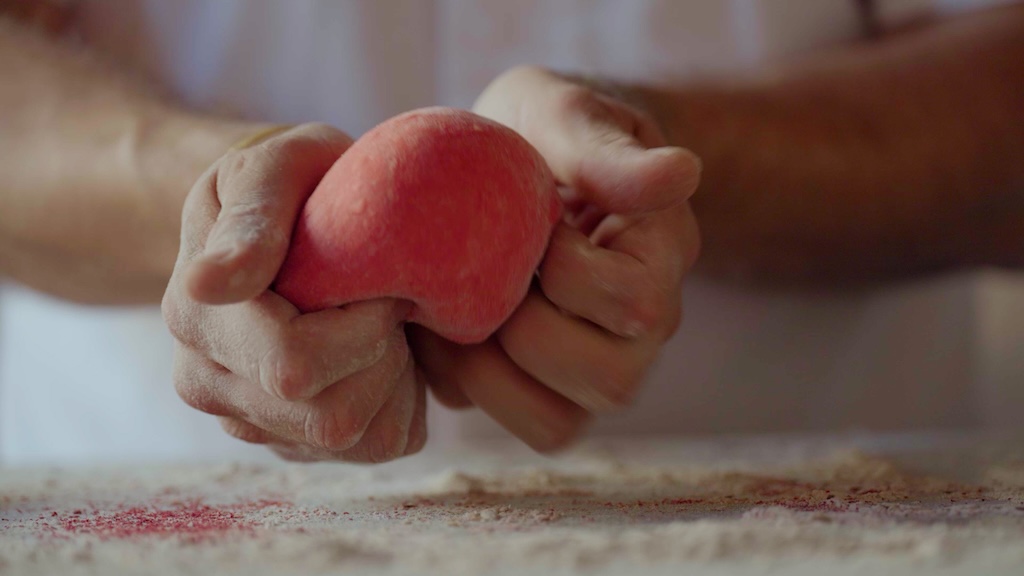
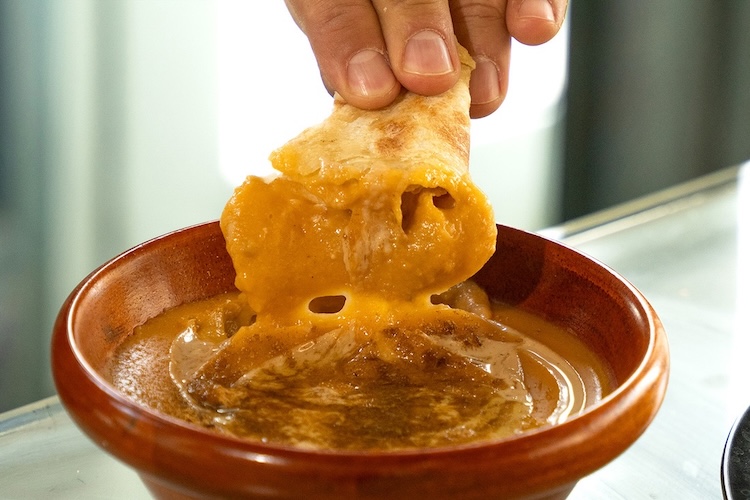
In Al Ahsa, khubz al ahmar, meaning ‘red bread,’ is served with honey, ghee, or vegetables, its sweetness drawn from dates kneaded into the dough. In Taif, khubz al mallah is paired with cheese and honey in the morning, or meat and ghee later in the day, each bite steeped in tradition.
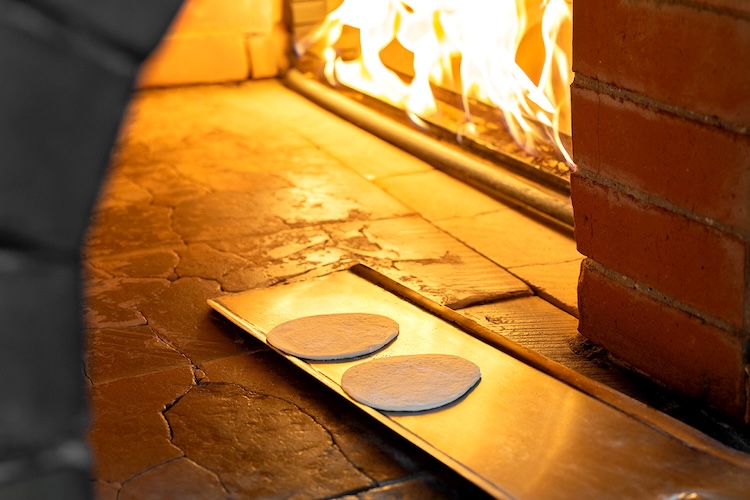
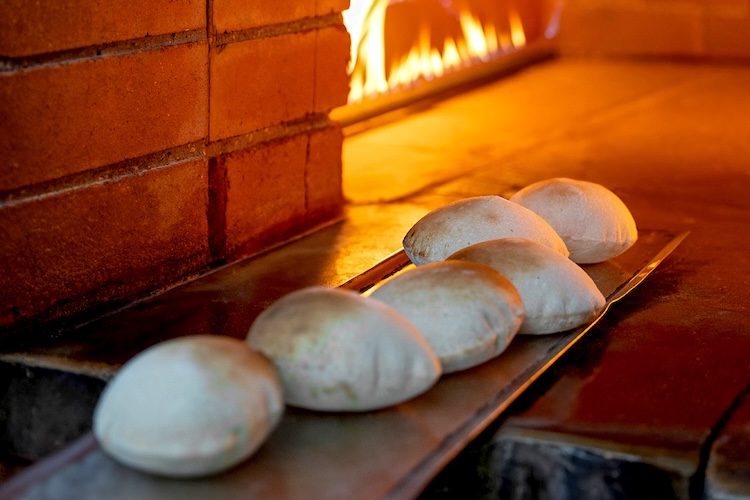
In Al Ahsa, khubz al ahmar is baked in clay ovens lined with palm trunks. The smoky aroma that fills the air is as much a part of the bread as the dates and spices within it. This method links the bread to the region’s agricultural heritage and its centuries-old baking traditions. Similarly, MICHELIN Bib Gourmand Mirzam adopts this tradition in their kitchen for bread known as mulawah, a type of laminated dough, similar to puff pastry, traditionally made in the southern Jazan region.
“The clay oven is what gives Saudi breads a flavor like no other.”
-- Chef Samer Abdullah Al-Hajj Mahyoub of Bib Gourmand Mirzam
In Taif, however, khubz al mallah is baked directly on hot sand, ash, or embers – a technique known as milla. This rustic method gives the bread its distinct texture and flavor, connecting it to the mountain terrain and the resourcefulness of its people.
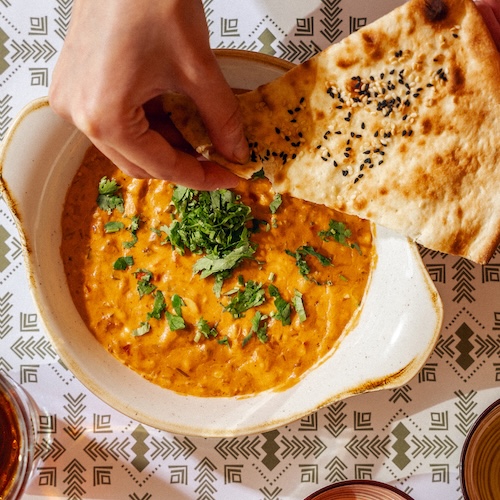
As for fatoot, the way to cook is quickly on a hot griddle, with no yeast and no waiting. Its simplicity is its strength, making it a versatile companion to many dishes and a reliable comfort in every home. Chef Hakim Bagabas of MICHELIN-selected Yaza modernizes this technique by using a modern Josper oven.
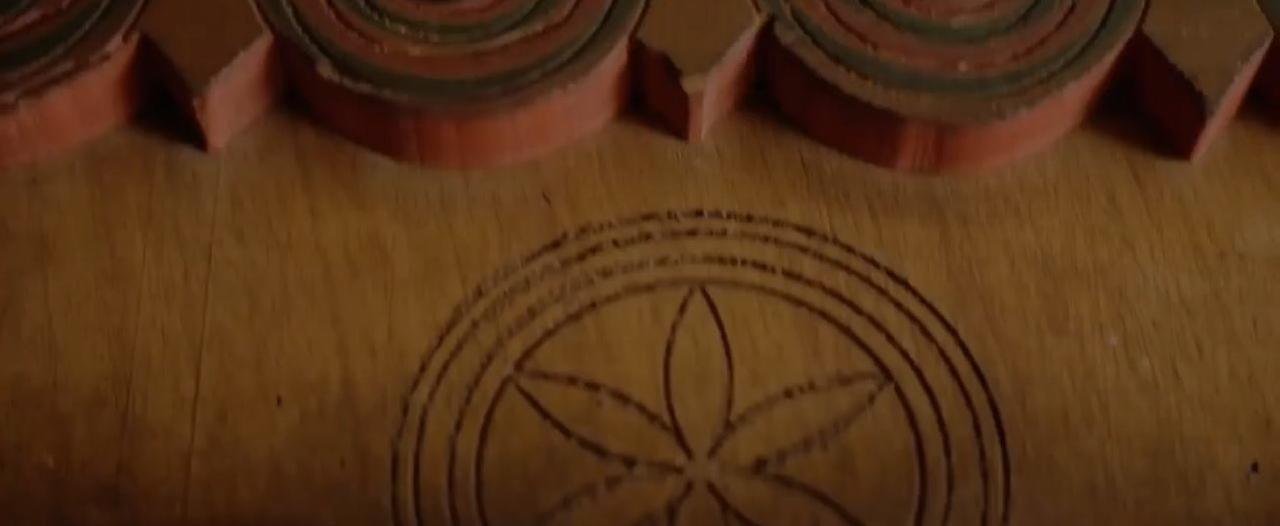
Making kleija is an art. The dough is shaped into discs, filled, and then pressed with intricate designs before baking. Each pattern tells a story, each batch a celebration of culinary craftsmanship.
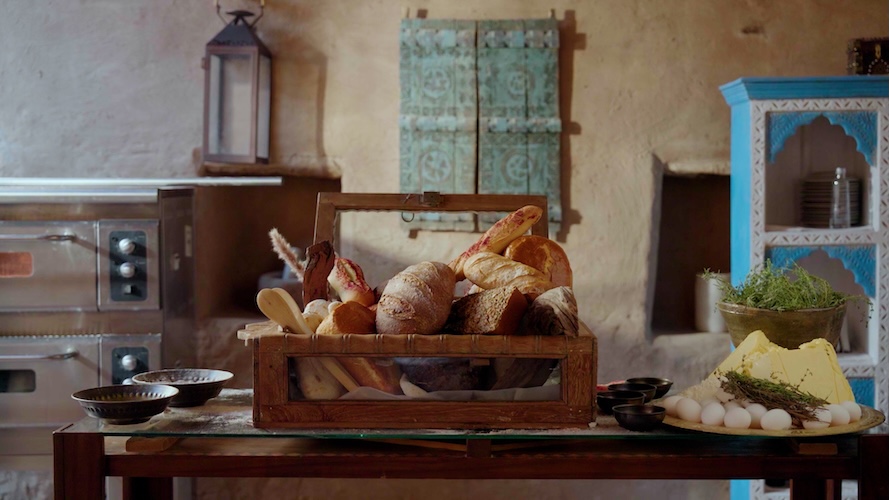
Whether it’s fatoot handed out during Ramadan or kleija offered to guests, bread in Saudi Arabia is a symbol of welcome. It’s how families say “you are home,” even to strangers. It is one of the many ways Saudis show their warmth and hospitality as it evokes a sense of community and sharing, which is core in their culture.
“It’s something we’ve carried with us since childhood.”
-- Chef Samer Abdullah Al-Hajj Mahyoub of Bib Gourmand Mirzam
Breads’ significance is not just something that is seen in the home, but it’s a national pride. In December 2024, khubz al ahmar, kleija, and khubz al mallah were recognized in UNESCO’s Creative Cities Network for their cultural value out of over 20 varieties of Saudi breads. These breads are not just recipes – they are traditions passed down through generations, preserved in flour and fire.
Each bread reflects its landscape. Al Ahsa’s date-rich khubz speaks of oasis abundance. Taif’s smoky mallah echoes mountain resilience. Madinah’s fatoot reflects spiritual simplicity. Al Qassim’s kleija celebrates festive warmth.
So in the Kingdom, breads are more than food. They are stories baked into daily life. They speak of land and lineage, of celebration and survival. In every loaf, there is a legacy. In every bite, a bond. And as the Kingdom continues to share its culinary heritage with the world, these breads remain its most heartfelt ambassadors: simple, sacred, and unforgettable.
Michelin will process your personal data to manage your subscription and measure the performance of our campaigns and analyze your interactions with our communications. Your data can be shared with others Michelin affiliate (TabletHotels and Robert Parker) in order to know you better and with your consent sending you marketing offers. You can manage your communication preferences at any time or unsubscribe using the link included into all our emails. To exercise your Privacy rights: Contact us. Learn more about how Michelin manage your data here.