15 December 2025
Share


In Saudi Arabia hospitality isn’t something people do; it is part of their DNA, their culture and pride. It’s how people live. The warmth of their gestures, the way timing feels effortless and the charming traditions that have been practiced for so long they’ve become instinct are immediately noticed. It’s in the rhythm of homes, families, and conversations that stretch longer than expected because no one here ever rushes a guest. It’s their second nature and never feels forced. “Saudi Arabian hospitality is the art of serving from the heart,” Marc Makhoul, restaurant general manager at MICHELIN-selected Taleed by Michael Mina.
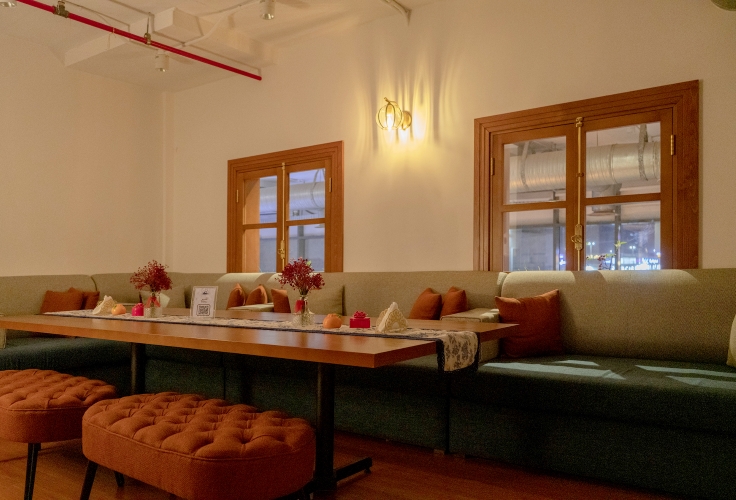
The first impression: bukhoor and intentional interiors
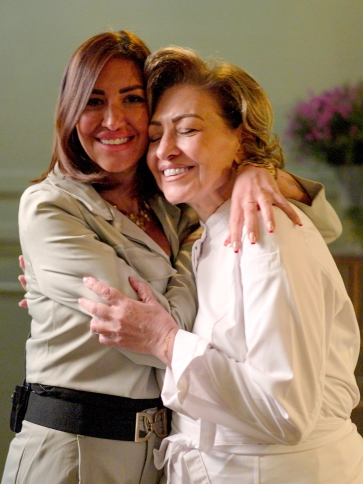
Walking into a Saudi home for the first time, there’s this quiet, uplifting moment. A wave of bukhoor is the first greeting before anything else; it wraps around guests with its soft, warm scent. Then, they are led into the majlis/the living room, which is where families sit together, where guests settle in, where conversations unfold slowly and naturally.The majlis itself, or modern-day living room, is lit up with soft lights, deep cushions, and carpets that hold stories of their own. Everything in the space feels intentional. “For us as Saudis, we put the most important people in the majlis,” says chef Hind Y. Albahkali of Bib Gourmand Samia’s Dish. In some Saudi restaurants, you will find the concept of a majlis ever so present, like Albahkali has done in her restaurant. “We’ve created a majlis room here, where people can enjoy their meal in case they prefer a little bit of privacy with their families.”
In the desert, the tradition expands into tents set under an endless sky, typically segregated for men and women, and each arranged with carpets and cushions that have weathered sandstorms and celebrations alike.
MORE ON SAUDI WOMEN: Here are the leading women chefs shaping Saudi's culinary industry
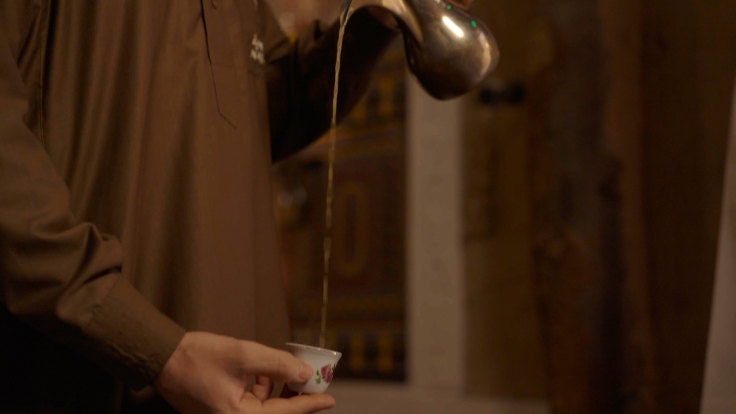
The gahwa ritual
“The first thing we serve our guests is Saudi coffee,” Abahkali explains, “it symbolizes who we are as Saudis; there’s no home that welcomes guests without it.” Upon sitting in any Saudi home, guests are offered hot qahwa (Saudi coffee) poured into a tiny cup that feels too delicate to hold all the meaning it carries. Saudi coffee is served hot, fragrant, with cardamom, saffron or clove depending on where you are.The host leans slightly forward to offer the cup as a gesture of kind hospitality and never fills the cup up to the top. After a sip, and before placing the cup down, a refill appears. When done, give the cup a slight shake – a well-known gesture Saudi guests and hosts understand.
“Serving our coffee is our way of celebrating and honoring our guests,” says Fahad Mohammed Abdullah Mosharf, restaurant manager of Bib Gourmand Najd Village. “It’s an important part of our heritage.”
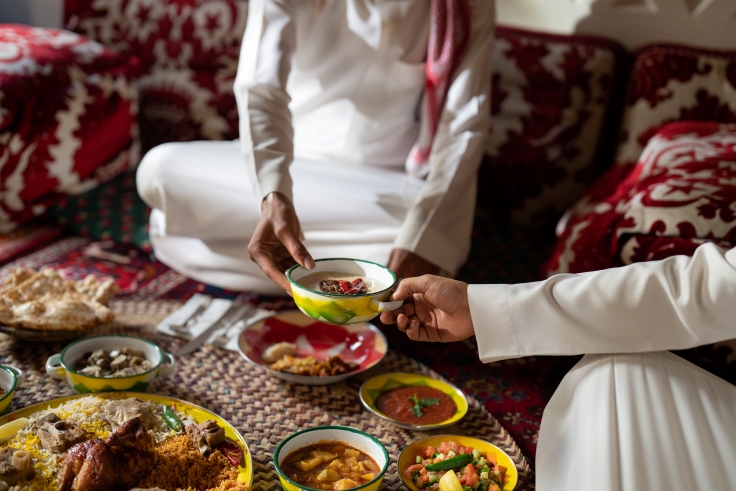
A table of welcoming traditions
Whether in a tent pitched in the dunes or a modern home in the middle of Riyadh or Jeddah, the feeling of welcome is the same at its core. In the desert, the warmth comes from fire pits and lanterns, from low seating arranged to frame the night sky.In the city, it’s the familiar ‘Ahlan’ (meaning welcome) at the door, the smile that precedes every gesture, the insistence that you sit for a cup of coffee and join the family for dinner. The guest always eats first. In some villages till this day, the host waits till the guest is done. Saudis are known to gift their guests, usually with oud incense or perfume, coffee, or dates.
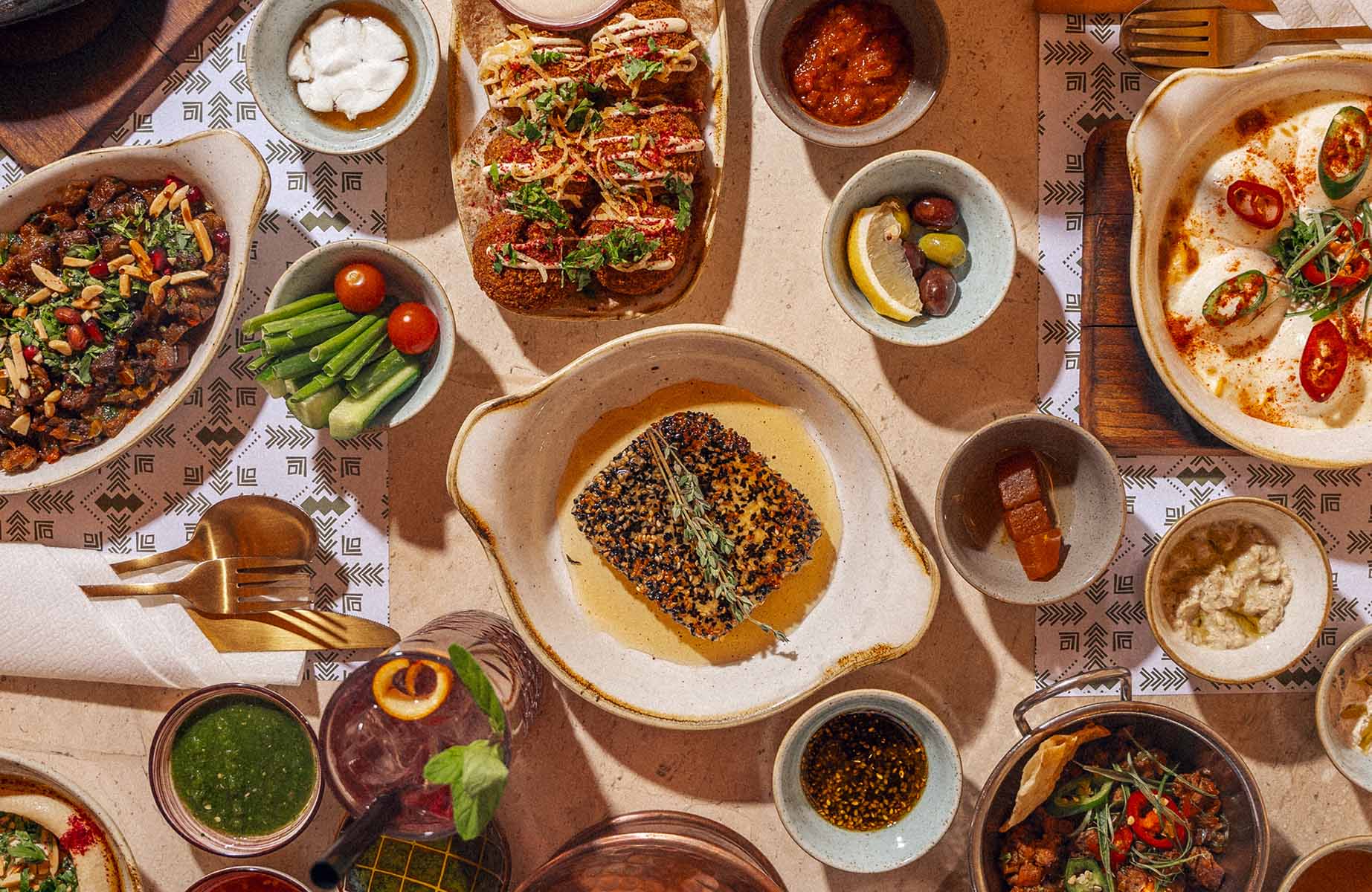
“You don’t just welcome a guest into your home and only serve them coffee,” says Makhoul, “you will offer them a feast as a thank you for coming to your house.”
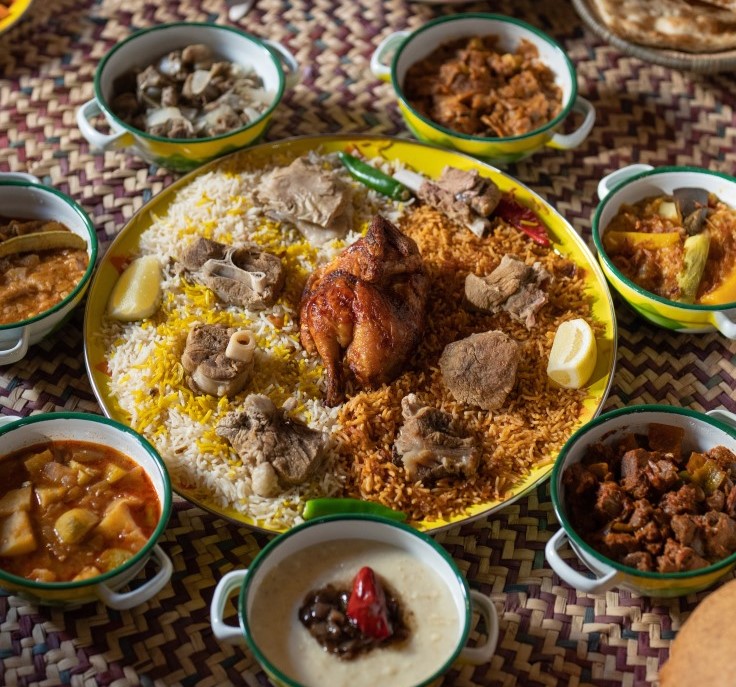
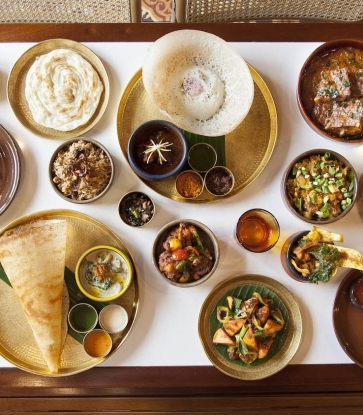
Sometimes it’s a simple spread, sometimes it’s a full table of kabsa - a dish of meat and rice, jareesh - a dish made with coarsely ground wheat and meat along with fresh bread, and family recipes that have been passed down generations. “Jareesh is served during family occasions,” says Mosharf.
© Homere Semaan/MICHELIN Guide
“We serve it our restaurant because our society still draws inspiration from the past, because it is still a sacred thing to eat.”
Through these everyday customs, Saudi hospitality becomes a living expression of the Kingdom’s heritage. Saudi hospitality evolves with time, but the heart of it never changes.

 3 minutes