16 December 2025

Share


Feld opened in Chicago just a year and a half ago, and it has already earned its first MICHELIN Star.
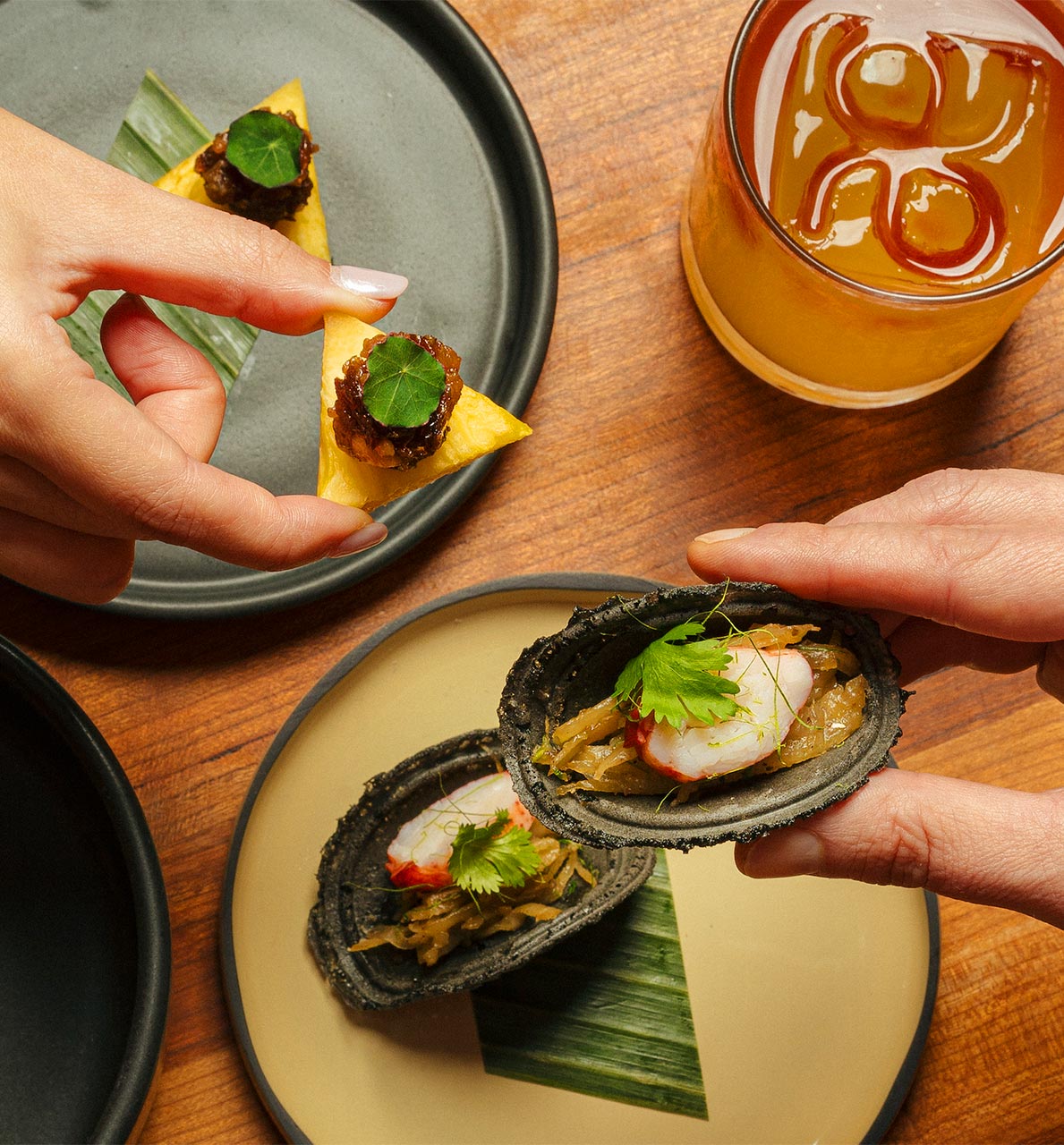
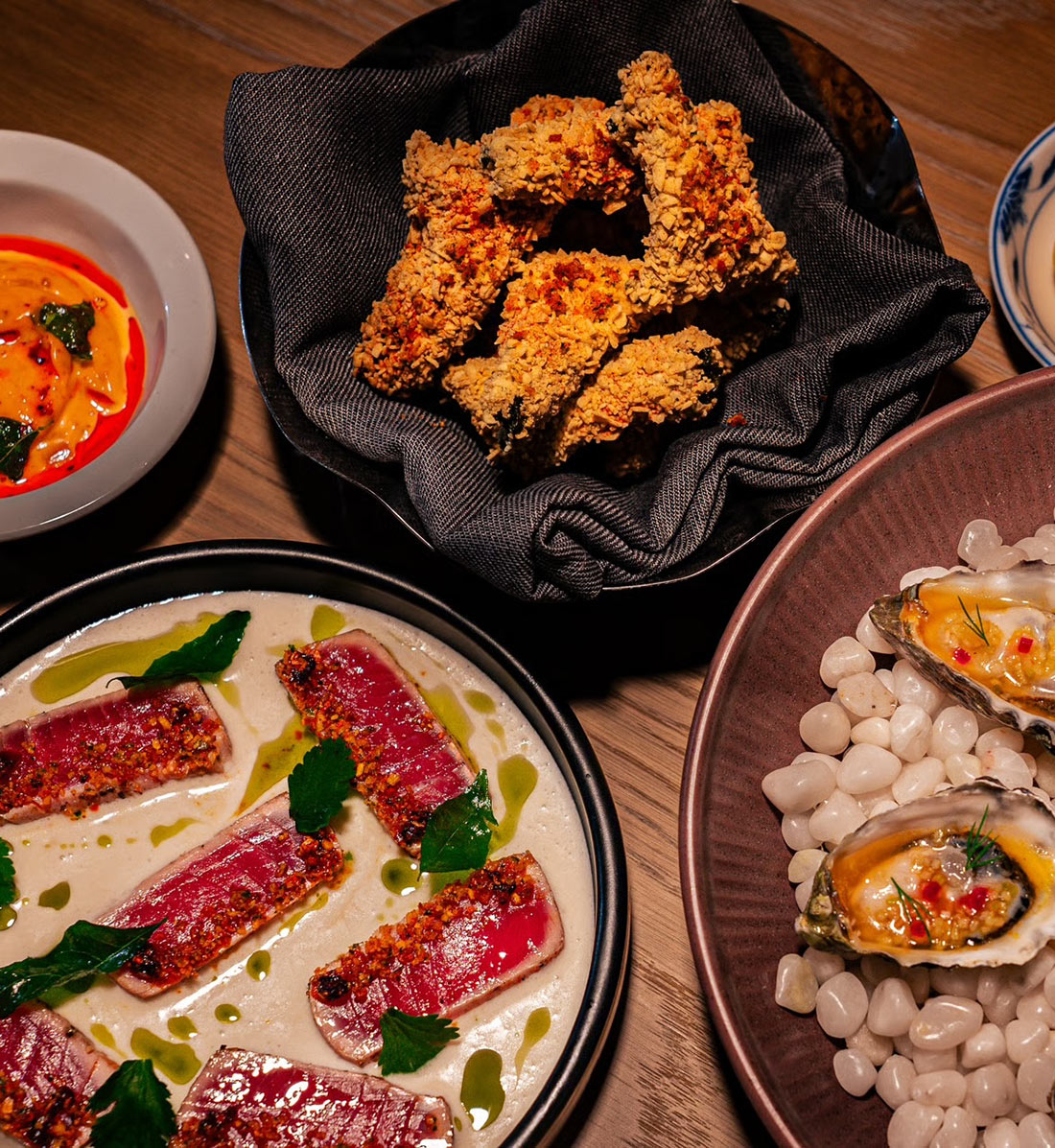
Described by Chef Jake Potashnick as a “relationship-to-table” restaurant, Feld spotlights farmers’ best products at their peak through 25 to 30 thoughtfully composed bites, all while showcasing Midwestern hospitality.
A young chef in his early 30s, Potashnick has chronicled his journey of opening his own restaurant on social media and was also featured on Knife Edge, giving audiences a behind-the-scenes look both online and on television.
After graduating from Cornell University with a degree in Hospitality Business Administration, he trained in MICHELIN-Starred kitchens across France, Sweden, Germany and Japan, including Narisawa, Kichisen and La Marine. Following his tenure as Head Chef at Barra, he returned to his hometown of Chicago to open Feld.
Below, we spoke to Chef about his journey so far.
What inspired you to become a chef?
I’ve wanted to be a Chef since I was seven years old. My grandmas and mom were excellent cooks. I always loved the sense of hospitality that occurs around a table, the community that forms around a good meal, and then as I got older, I started to fall in love with the actual craft of cooking. I loved the process of cooking as much as the outcome, and knew from a very early age that it was the only career path I wanted to follow.
Who motivates you?
Our farmers and my team. Feld is a restaurant about the people who grow your vegetables, pick your fruit, raise your meat, catch your fish, roast your cacao. All we are doing is telling those people’s stories through our cooking. Their work inspires everything we do at the restaurant.
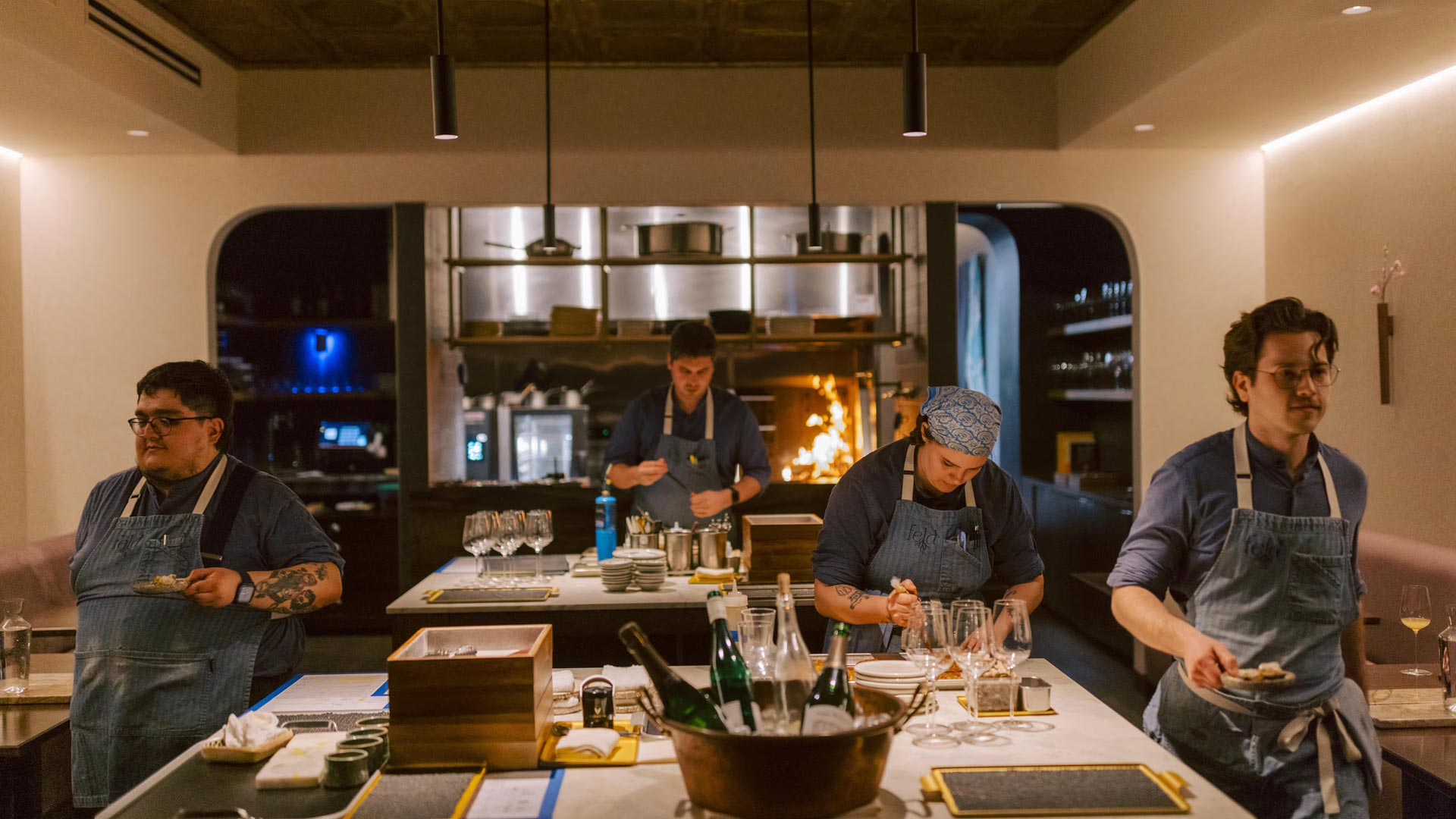
Feld is an incredibly collaborative environment. The cooks do most of the service including talking about dishes, marking cutlery and even pouring wine. I’m truly lucky to have such a talented group of people. I don’t want to let them down when they do so much for me, and that is the ultimate motivation.
How has Feld evolved?
As a young Chef, one of the hardest things to do is find your own voice. We go and learn from great Chefs, and then we have to separate ourselves from those experiences. The longer Feld has been open, the better I’ve become at putting my voice on the plate and creating dishes that feel uniquely Feld. I look at Feld now, and I know it’s an expression of me.What makes a “Feld dish”?
A core tenant of Feld is that we design dishes around products and not techniques. Ideally, guests walk away, and instead of saying “I loved that dish or this dish”, they say “that was the best spinach, tomato, and duck I’ve ever had”.
Personal favorite thing you’ve ever served on the menu?
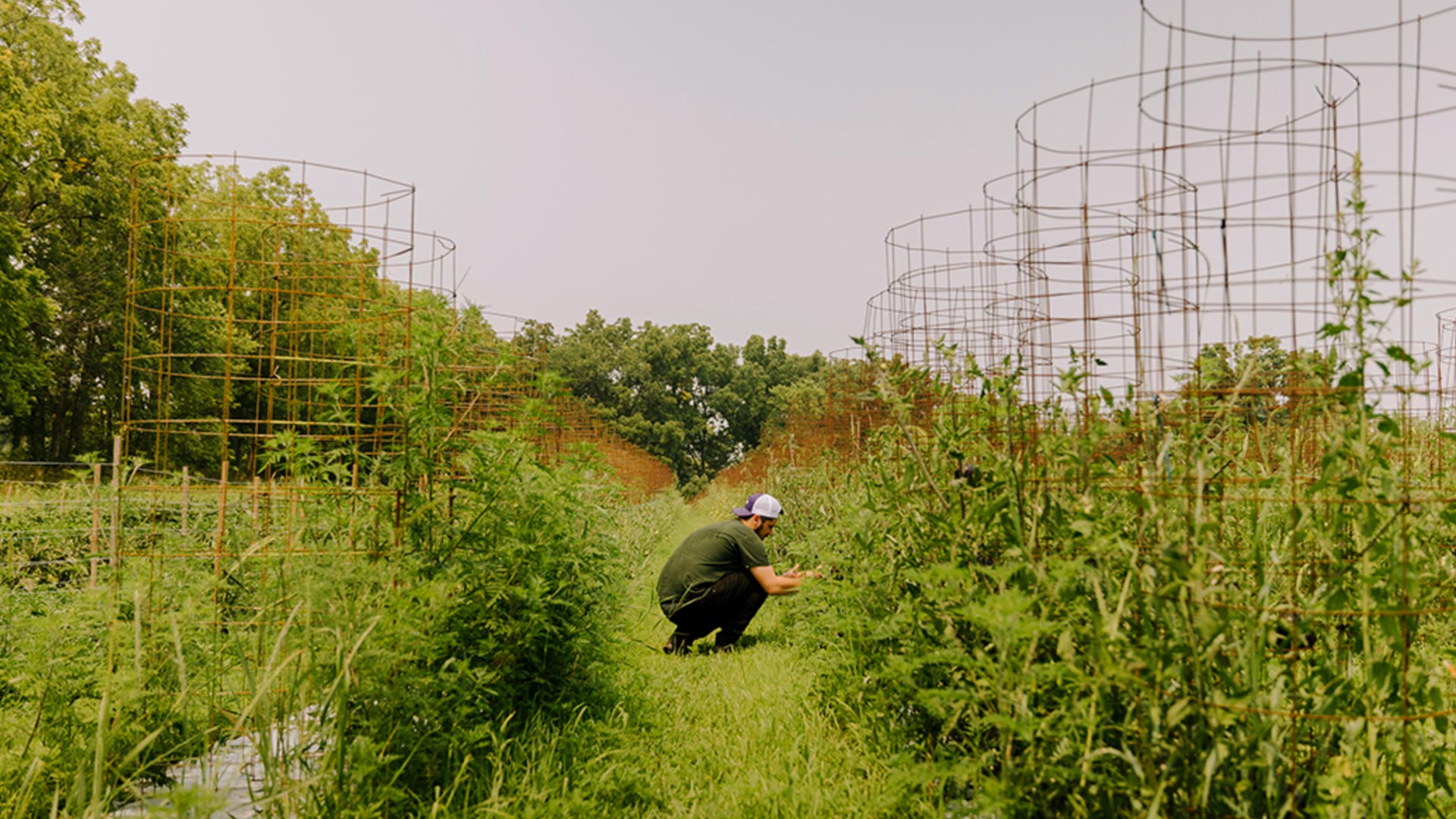
Oh gosh, I don’t know if I have a favorite! A dish that I think best conveys the Feld mentality towards cooking… We only buy tomatoes from one farmer named Jerry Boone at Froggy Meadow Farm. Jerry’s tomatoes are legendary.. We take his largest heirloom tomatoes, these stunning German Stripe varieties which have never been refrigerated by him or us, and slice them a la minute into thick raw slices. They’re drizzled with a sauce made from dry aged pork jus, honey, and a homemade vineyard peach vinegar. We finish them with a sprinkling of garlic chives also grown by Jerry. The dish is so simple, but every component requires so much care to be perfect.
Fan favorite?
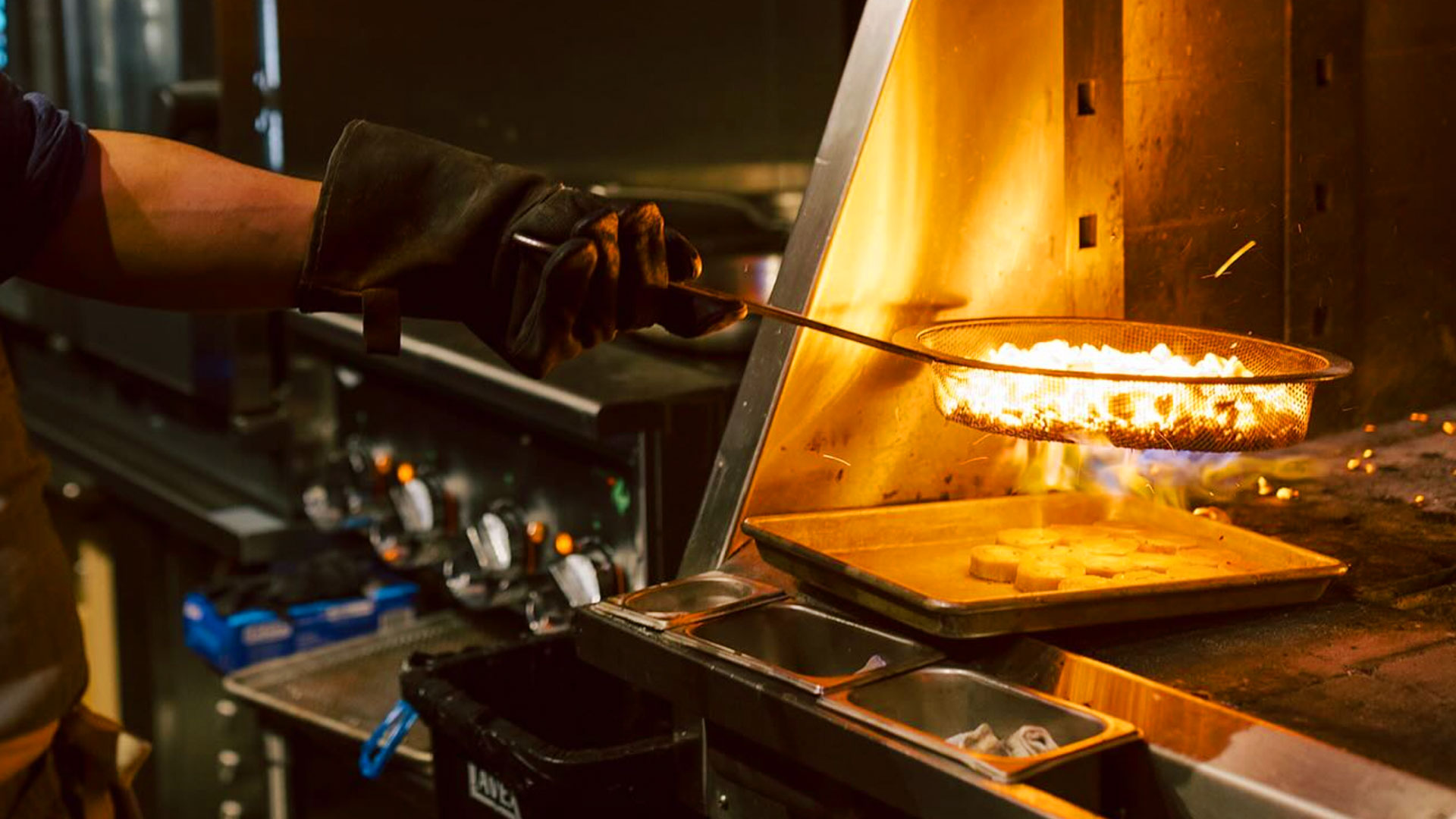
Right now, probably our grilled scallop course. We get scallops from a diver named David Tarr in Stonington, Maine. We grill them on just one side over cherry wood embers. They’re served in a swirl of four sauces: vin jaune beurre monté, black garlic vinaigrette, raw almond butter and a sauce we call magna carta (a bagna cauda where we replace anchovies with mussels from the same part of Maine). On the plate it looks simply like a scallop with some swirled sauces, but each sauce adds so much depth and layering of flavor to highlight the scallop, plus the quality of the seafood itself is unparalleled.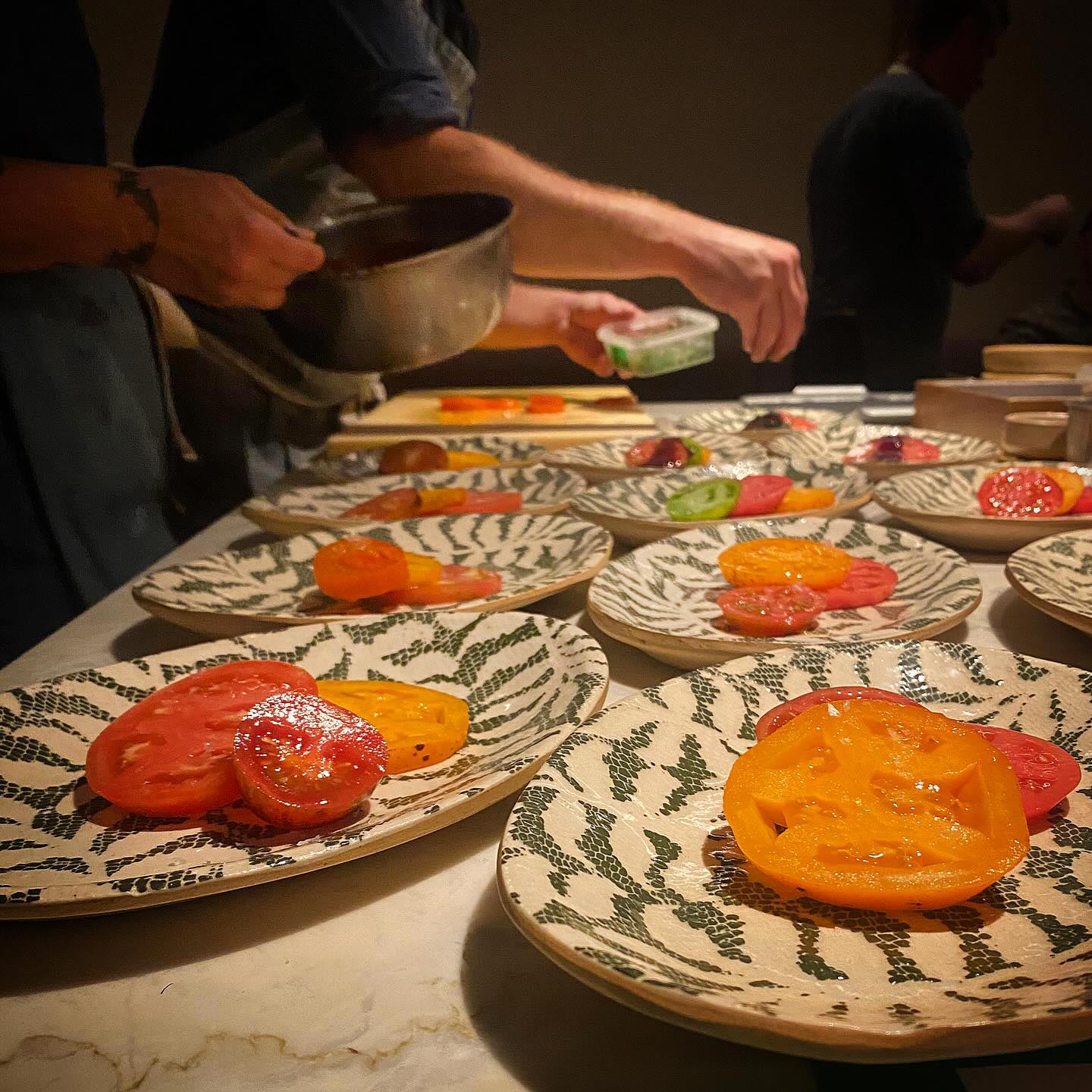
How are you able to change the menu every day?
The self-imposed limitations we put on our cooking. We only work with a very specific group of farmers and only with what is in season (or what we preserved when it was in peak season). We figure out the best way to highlight each [ingredient]. If we had access to every ingredient in the world, or ignored seasonality, the creative options would be both endless and overwhelming, and also somewhat uninteresting. We are able to change because of our limitations, not in spite of them.
How do you balance structure and spontaneity in menu development?
We only serve 20 guests a night. We have one small oven, a four-burner induction stove, and a hearth where we do most of the cooking. Structure is provided by the limitation of size and equipment. Spontaneity is possible because of the tight knit nature of the team. We can reference dishes, ideas, and techniques that we’ve executed in the past.
What’s been your favorite memory?
One of the farmers we work very closely with is Oriana Kruszewski from Oriana’s Orchard. Oriana is in her 70’s and has been growing pears for 40 years. She’s a legend, and is one of the kindest people I know. I’ve been to Oriana’s farm so many times, and she was always hesitant to come dine at a fine dining restaurant. We finally convinced her to come dine, and just getting to serve her the pears that she grows with such care, and getting to watch her reaction as she enjoyed not just the meal but the entire experience we provide, it was a very special moment for me.
What was it like to be recognized by MICHELIN?
The Green Star feels like recognition of process, and the Star is recognition of results. Together, it really acts as a validation of the Feld experience from start to finish.
Who would you want to visit Feld who hasn’t already been?
I have so much respect for the people who took the time and energy to mentor me. I would love for my mentors like Daniel Berlin, Alex Couillon and Dylan Watson-Brawn to all come dine at Feld!

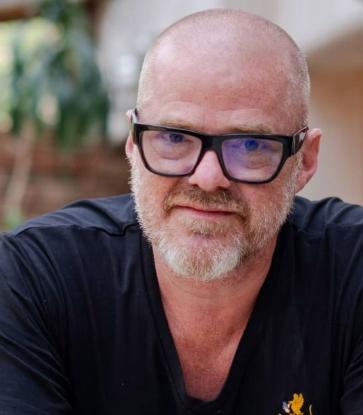
Hero image: Jake Potashnick - ©Feld