15 February 2026

Share


Lunar New Year is one of the most significant festivals in the Chinese calendar. Because of its importance, every tradition, ritual and dish during this period carries symbolic meaning, all intended to bring good fortune in the year ahead.
Among these festive treats, rice puddings— known as nian gao in Chinese — hold a special place. Their name is a homophone for “higher year,” symbolizing progress and growth, making them a must-have in households across the region during the celebrations.
RELATED: 15 Iconic Dishes to Celebrate the Year of the Horse — and Where to Eat Them
Why eat rice puddings at New Year?
There are two main explanations. The first comes from ancient folklore: a fearsome creature called “Nian” would descend from the mountains on New Year’s Eve to prey on villagers. To protect themselves, families left offerings of food outside their homes. The Nian would eat these offerings and depart, allowing the villagers to survive. Over time, this practice evolved into the tradition of eating rice puddings during the New Year.
The second explanation dates back to the Spring and Autumn period. Wu Zixu, a minister of the State of Wu, once steamed glutinous rice into brick-shaped cakes and stored them beneath city walls to provide emergency food during times of conflict. In his honor, people began consuming rice cakes during Lunar New Year, gradually turning it into a cherished tradition.Rice cake traditions across Asia
RELATED: Lunar New Year: Food Traditions Around Asia
Hong Kong’s rice puddings
In Hong Kong, where Cantonese cuisine shapes local tastes, sweet rice puddings dominate. Despite their simplicity — mainly glutinous rice and sugar — achieving the perfect pudding requires precision to ensure an ideal balance of sweetness, a chewy texture and a non-sticky bite.
Most rice puddings in Hong Kong are made by mixing glutinous rice flour with water to form a batter, which is then sweetened and steamed. Yet there is a more refined variant known as the water-milled rice pudding, distinguished by its thoughtful approach to ingredients and technique.
“Water-milled” refers to the process of soaking whole glutinous rice grains and grinding them with water — traditionally using a stone mill, or today, a machine — into a fresh, silky rice slurry. Rice puddings made from this freshly milled paste are notably smoother, more delicate in texture and pleasantly chewy.
RELATED: Lucky Lunar New Year Recipes from MICHELIN-Starred Restaurant Chefs
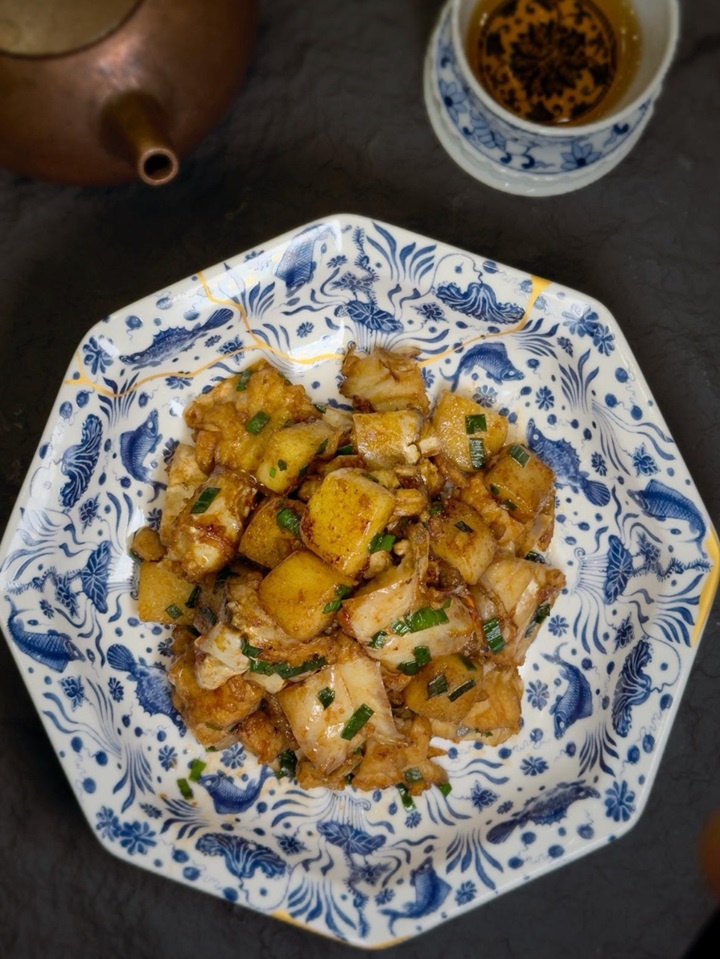
Local heritage brand Pat Chun continues to offer traditional water-milled rice puddings, a rare commitment to fresh-milled rice in Hong Kong. The technique has also found a place in contemporary fine dining: at One-MICHELIN-Starred Yong Fu, water-milled rice pudding is served with crab paste (©Yong Fu). Seasonal hairy crab is paired with ginger, scallions, Shaoxing wine and soy sauce, while the rice pudding is pan-fried until crisp on the outside yet tender and chewy within — achieving a harmonious balance of sweet and savory. Though not strictly a Lunar New Year dish, it is a festive pleasure well suited to sharing with friends and family.
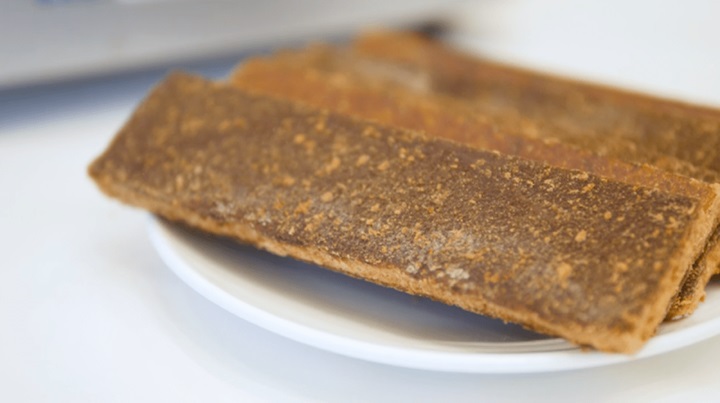
When it comes to sugar, attention to detail is just as important. Those seeking a truly distinctive texture and flavor in Hong Kong often turn to Zengcheng cane sugar. As its name suggests, this sugar is sourced from Zengcheng District in Guangzhou, where the local black-skinned sugarcane is naturally sweet and juicy, producing a cane sugar with a unique, aromatic sweetness. Harvested only once each winter, it imparts a deeper, more nuanced sweetness when used in rice puddings.
In the days of old Hong Kong, Zengcheng cane sugar could be found in virtually any grocery store. Today, however, as sugarcane fields have declined, finding it has become far more challenging. Only a handful of brands remain dedicated to producing rice puddings with this prized sugar, making them an exceptional choice for anyone hoping to savor its rare flavor.
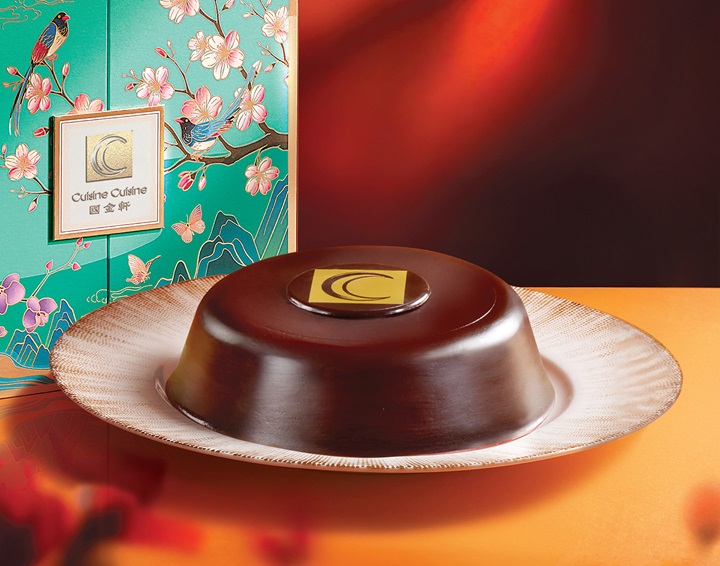
Meanwhile, muscovado sugar and brown sugar, which undergo less processing, are also widely used and celebrated in local restaurants. This year, MICHELIN-Selected Cuisine Cuisine at The Mira and Bib Gourmand–recommended Tim Ho Wan (Sham Shui Po) have introduced coconut cream pudding with brown sugar. and cane sugar glutinous rice cake, respectively.
RELATED: Cantonese Pastries & Cakes: MICHELIN-Starred Chinese Chefs’ Sweet Childhood Memories
Innovations and new flavors
As culinary trends evolve, traditional rice puddings have gradually embraced new elements. From varieties now considered classics, such as coconut milk and ginger-flavored rice puddings, to more recent inventive interpretations, the flavors have become diverse. Coconut milk–flavored rice puddings are especially appreciated when made with fresh, natural coconut, while ginger-based puddings each bring a unique appeal: some brands use locally grown ginger, while others feature organic or aged varieties.
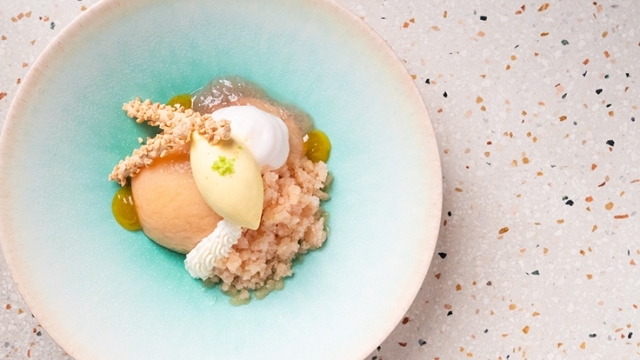
One of the most popular innovations in recent years is tea-infused rice puddings. For instance, this year, Two-MICHELIN-Starred Ying Jee Club introduced an Earl Grey coconut milk pudding (hero image© Ying Jee Club), in which high-temperature extracted Earl Grey tea is blended with rich coconut milk, lending the cake a subtly English-inspired aroma. MICHELIN-Selected Ming Court (Mong Kok) also introduced a rice pudding crafted from two-hundred-year-old Yunnan Baoshan black tea and brown sugar, where the tea’s delicate floral sweetness harmonizes with the natural sweetness of the cake, resulting in a nuanced and layered taste experience.
With increasing attention to health and diverse dietary preferences, rice puddings with reduced sugar, organic, vegan or ketogenic options have also steadily appeared on the market.
Meanwhile, traditional handcrafted rice puddings have attracted renewed interest: typically produced in small batches by village artisans — often elders — these puddings adhere to age-old methods, including hand-grinding glutinous rice and steaming over charcoal. The process is both labor and time intensive, but it yields a soft, chewy pudding with a subtle smoky aroma. Today, traditional rice puddings are still made in Po Toi O Village, though production remains limited, and securing one often depends on advance reservations and a touch of luck.
How to enjoy
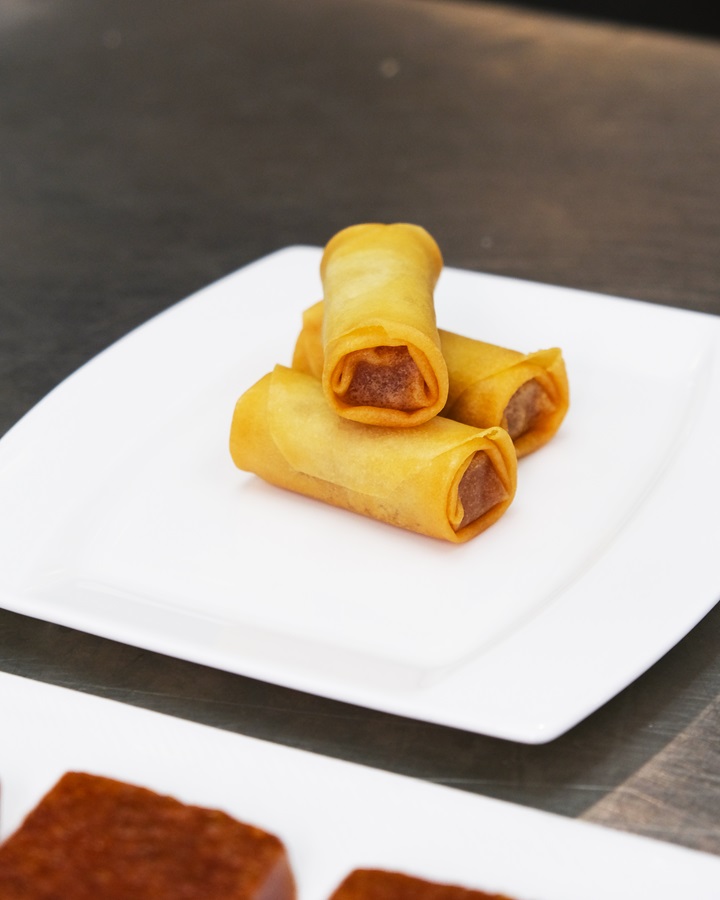
In Hong Kong, rice puddings are most commonly sliced about half an inch thick and pan-fried. The challenge lies in the sugar content: the exterior may caramelize before the interior is fully soft. Using a non-stick pan over low heat — or coating with egg — can prevent sticking. Creative new presentations are emerging: Two-MICHELIN-Starred restaurant Lung King Heen has introduced fried pudding spring rolls, wrapping finger-length pudding with coconut milk in spring roll wrapper and pan-frying to golden perfection (left image© Lung King Heen).
Given their richness, rice puddings are often paired with tea, such as Pu-erh, to aid digestion. Many New Year rice pudding gift sets include tea for this reason. For instance, Three-MICHELIN-Key Hotel Rosewood Hong Kong offers rice pudding paired with premium Pu-erh tea this year, while Two-MICHELIN-Starred restaurant Tin Lung Heen features rice cake gift boxes with old tree Pu-erh from Mountain Laoman'e. A bite of rice pudding with a sip of tea, shared with friends and family, is quintessentially festive.
Hero image© Ying Jee Club
RELATED: Video: The New Year Pudding That Honours A Sweet Heritage