08 January 2026
Share


If you’ve been dining out lately, you may have felt it: There’s no single “big trend” shaping menus anymore. Instead, a handful of ingredients are quietly stepping into the spotlight — mushrooms as main characters, not garnishes; tea used to cook, not just pour; caviar crossing styles, formats and cuisines.
Our MICHELIN Guide Inspectors around the world are seeing the same shift. Some of it builds on last year; some reflects renewed attention to sourcing, seasonality and impact. Together, it signals less of a single wave than a broader, more personal way of eating well.
We asked them what trends they're seeing on the ground: the ingredients that surprise them, the ideas that return and the directions that seem to be taking shape. Here’s a glimpse of what they’re noticing.
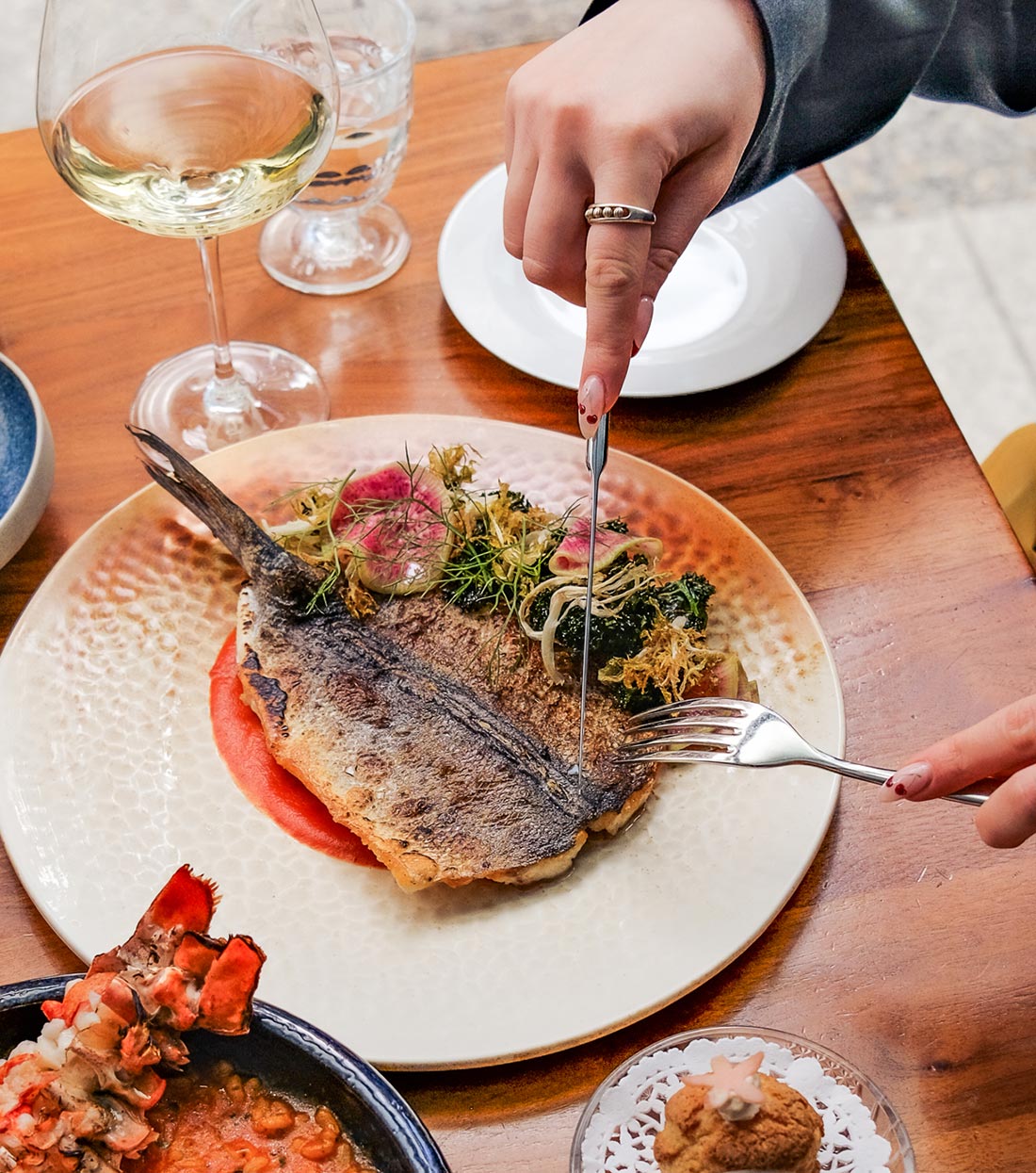
1. Char, Smoke and Flame Is The New Normal
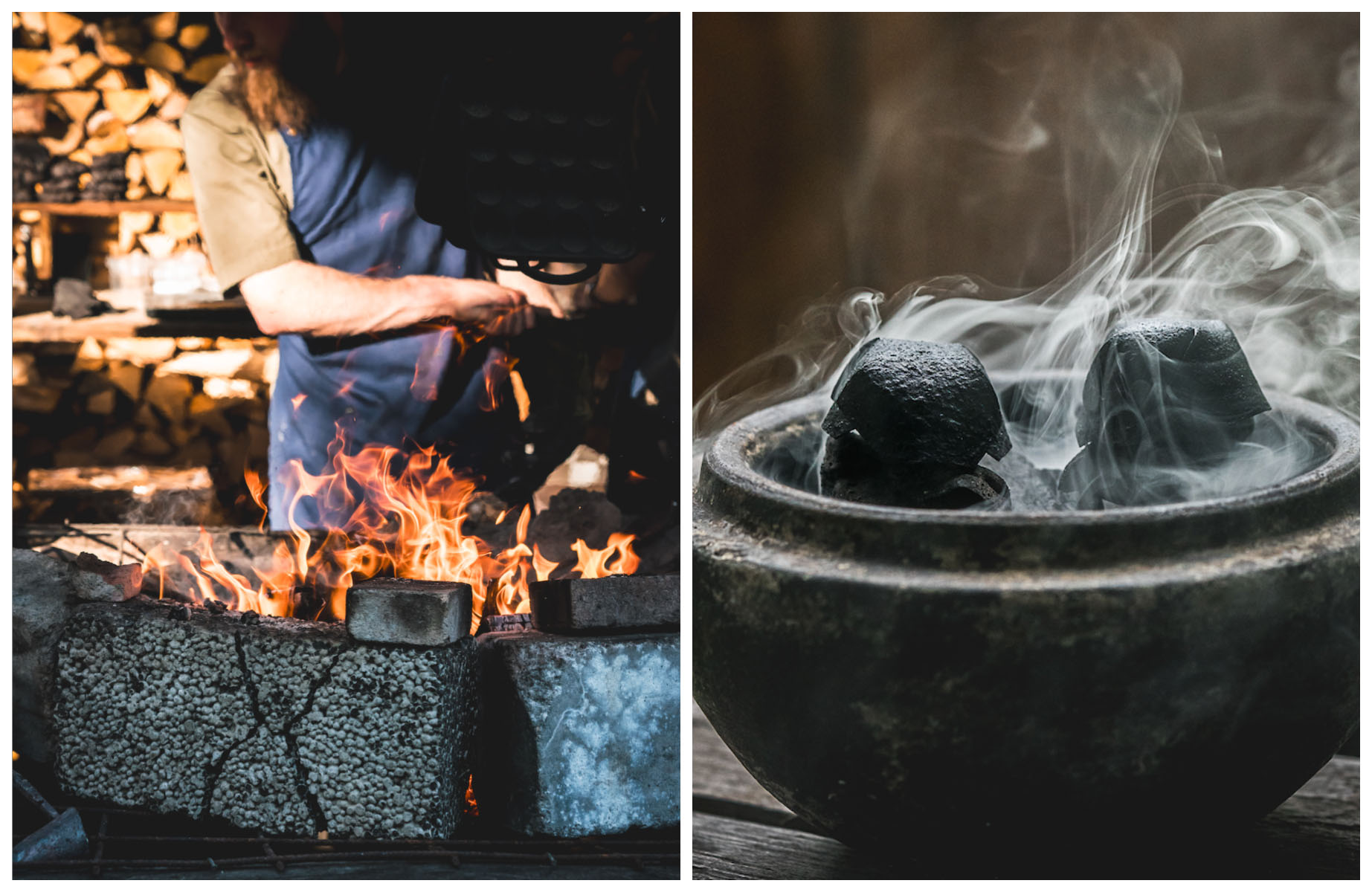
Customers are no longer looking for a single style of cuisine, but rather variety. Our Inspectors are seeing this in chefs’ direct, no-frills way of using fire to bring out the clearest expression of flavors and create a bit of a show. More and more, chefs are cooking over embers, wood, hot stones or binchotan, white Japanese eucalyptus coal. In Sweden, restaurants like Knystaforsen are exploring slow cooking over fire in a natural setting. In Buenos Aires, restaurants such as Anchoíta — where reservations must be made months ahead — and the celebrated parrilla (grill) Don Julio show how live-fire grilling can reach a refined, contemporary level — just as serious steakhouses in Texas are now earning recognition in The Guide. In China, chefs are using fire to bring clarity of flavor by cooking simple fish and shellfish over charcoal — for example, grilled prawns brushed with fermented soy, or clams cooked briefly over charcoal and finished with a touch of vinegar for balance.
2. Traditional Cuisines Put Down Contemporary Roots
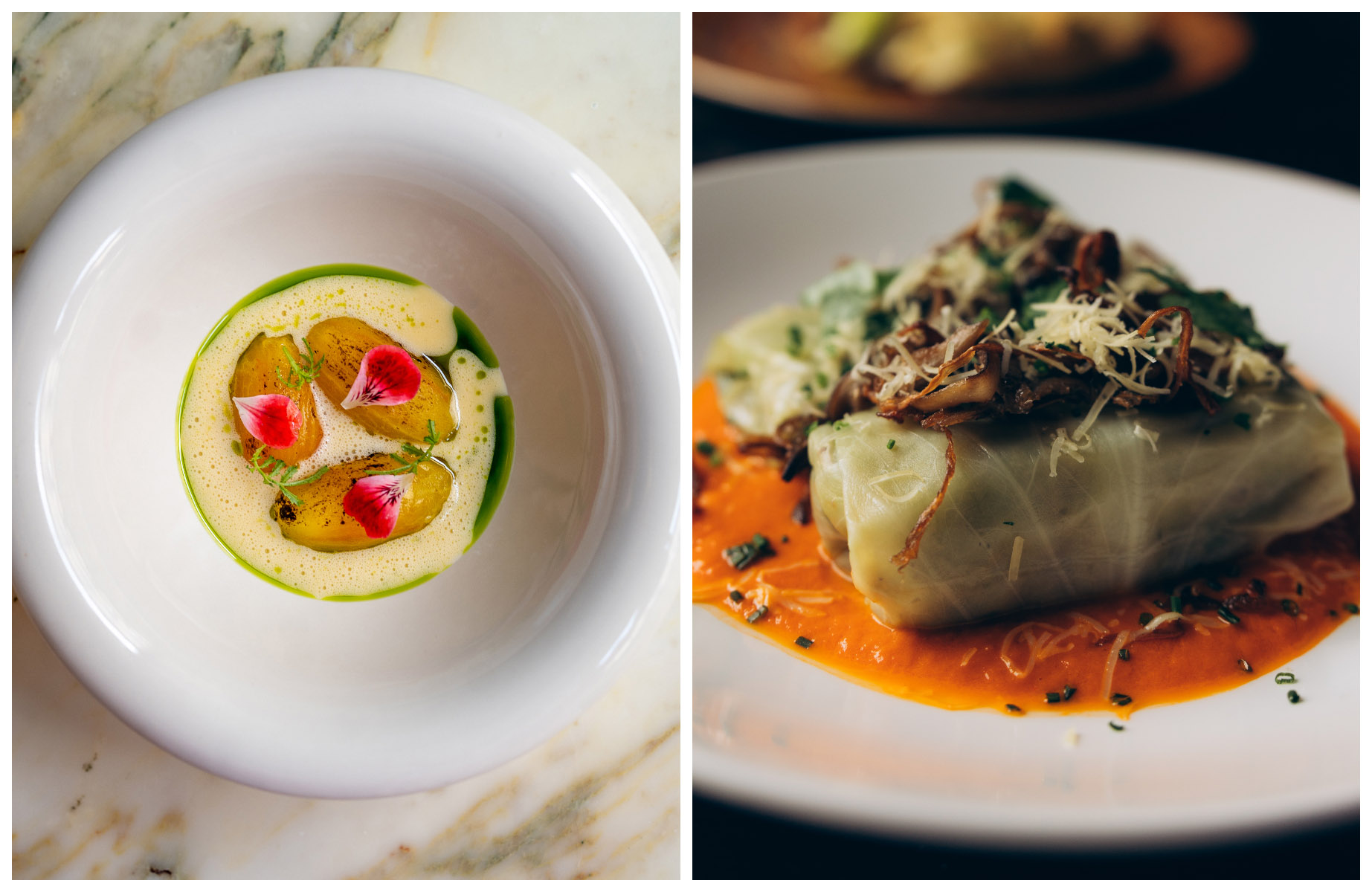
Some places where gastronomy has long remained anchored in tradition are evolving fast. If your European travels take you to Hungary or Poland, you’ll find chefs revisiting familiar dishes, keeping their identity intact but with lighter plates and clearer flavors. For instance, at BABA in Wroclaw, a homestyle meatloaf is presented in a more polished way, served with a large quenelle of potato purée enriched with truffle butter and a peppercorn sauce. Nearby at IDA kuchnia i wino, the usual pairing of herring and potatoes becomes more delicate, with lightly cured fish, baked potatoes and small touches of apple, cider and buttermilk.
In the UK, at Ugly Butterfly in Cornwall, ancient grains return to the table in updated preparations that feel current without losing their link to place. In China, there’s a growing interest in so-called “wild mountain ingredients” — such as porcini, matsutake and termite mushrooms — particularly in dishes influenced by Yunnan, Guizhou and Sichuan cuisines.
Meanwhile, the new wave of contemporary Asian fusion cooking is all about modern techniques, reinterpreting traditional dishes to express cultural identity or tell stories, as seen at restaurants from CieL in Ho Chi Minh City and Akar in Kuala Lumpur to Sense in Hangzhou and Co- in Chengdu.
3. It’s All About Bitterness and Depth
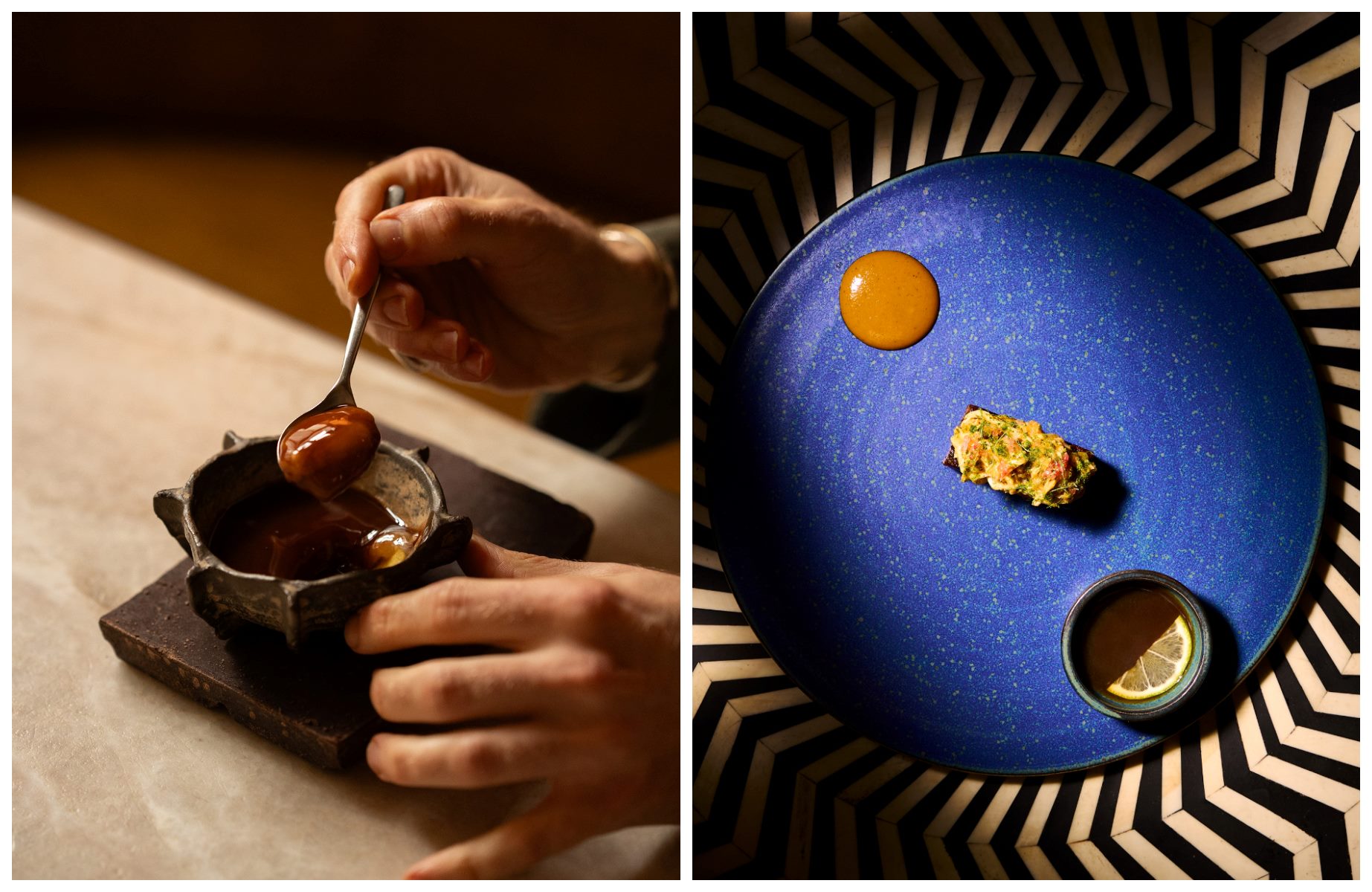
Across many destinations, chefs are leaning more toward bitterness and umami, a rich, meaty, savory flavor in Japanese cooking that deepens the overall taste of a dish. Endive and radicchio have become star ingredients, while fermentation, aging, seaweed and concentrated stocks add structure without heaviness.
At Plates London, for instance, you can order a warm cocoa sponge with parsnip ice cream and a touch of miso, and at Baan Tepa in Bangkok, in-house ferments prepared weeks in advance are used throughout the menu. China adds another dimension: tea is used as a cooking ingredient, smoking poultry or perfuming seafood to bring tannins and aroma without weight. Acidity still appears — from citrus, vinegar or fermentation — but now it supports, rather than dominates.
4. Time Is an Ingredient
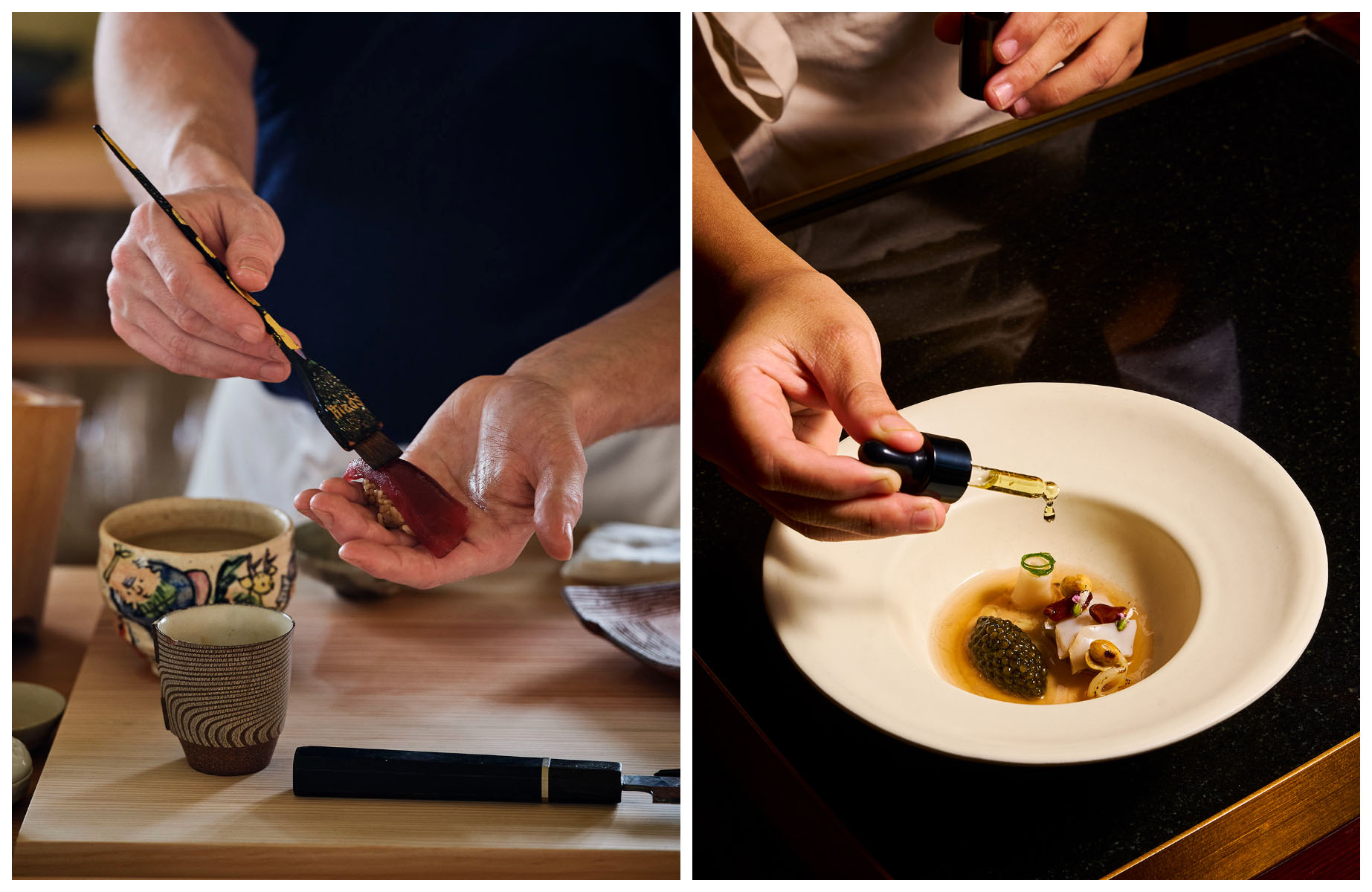
In some kitchens, flavor is developed less through added richness and more through processes that simply take time. Vegetables, fish and meat may be marinated or gently fermented — sometimes with koji, a fermentation culture mixed with rice, soy or barley to make fermented foods and drinks such as soy sauce, sake, and miso — so depth builds gradually rather than being added at the end. Chefs in Québec, like at the lakeside country restaurant l’Auberge Saint-Mathieu, adapt to the long winters by conserving ingredients by lacto-fermentation.
Meanwhile, at La Marine in L’Herbaudière on France’s Atlantic coast, fish is matured on site in dedicated cold rooms, portioned day by day so the flavor becomes more nuanced while also helping to reduce waste. And often, time is already present in the ingredient itself — as at Sushi Anaba in Copenhagen, where chefs work with clams that take decades to mature, letting age determine both texture and flavor. In Asia, you see the same principle expressed differently. At Baan Tepa in Bangkok, long fermentations prepared in-house are used across the menu. And at Terra Dining in Kuala Lumpur, fermentation even moves into the dessert course, with a shrimp paste that adds a savory punch.
5. A Nod to Popular French Dishes
Beyond France, there’s a growing enthusiasm for straightforward French bistro cooking, where dishes such as blanquette (a dish of white meat in white sauce), oeufs mayonnaise (boiled eggs served in a mayonnaise and mustand sauce) and île flottante (a dessert of soft meringue floating on crème anglaise) appear in forms that stay close to this tradition.
An increasing number of French chefs behind MICHELIN-Starred restaurants now run a second, more accessible table beside their gastronomic restaurant, such as Bistrot le Héron, the down-to-earth alternative to One-Starred Émilie & Thomas - Moulin de Cambelong. The trend for simple, much-loved French classics is also visible in Hong Kong, where new openings adopt the spirit of century-old Parisian bistros: dining rooms with red-velvet seating, vintage photographs and shelves of collectibles. You see it again in Kuala Lumpur, where Bidou revisits the great Gallic dishes — a small sign of how far this nostalgia now travels.
6. Service Is a Culture
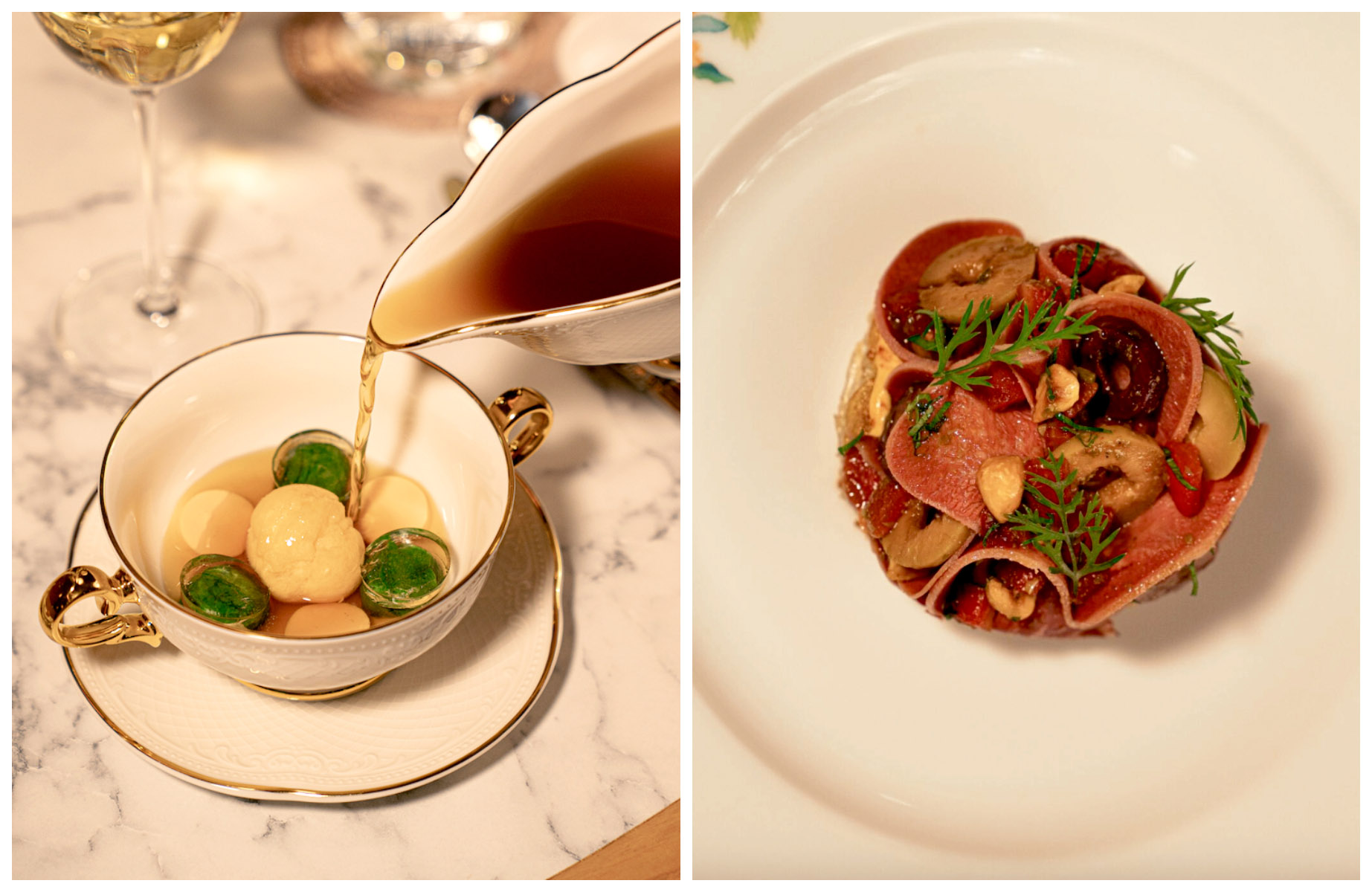
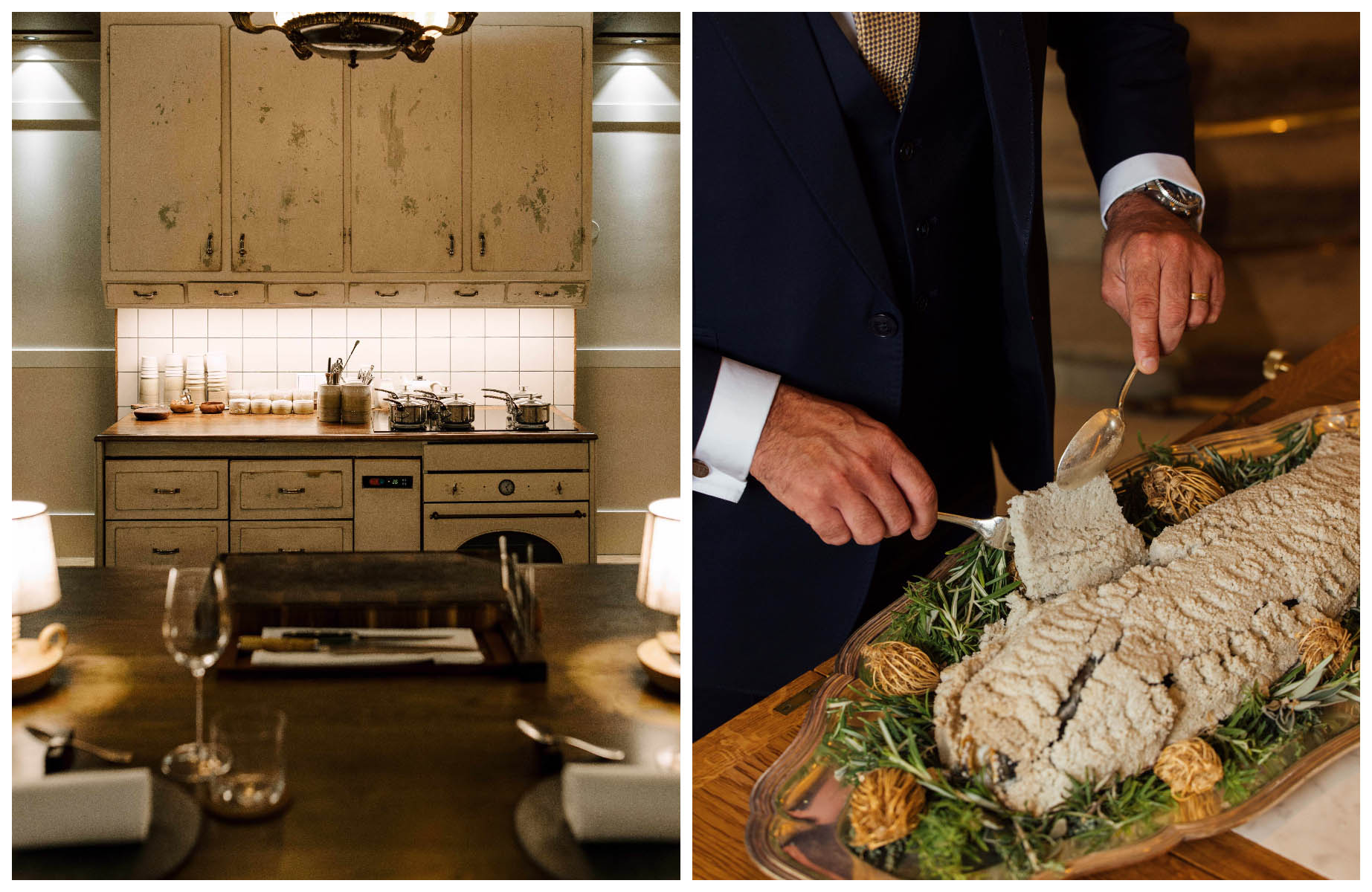
Diners can expect service to become a clearer expression of identity. In Hangzhou at La Villa and at Mémoire in Penang, Malaysia, the trolley service is making a comeback, creating a richer and more interactive dining experience. You’ll see the same in France, where the service au guéridon — meat or fish brought on a trolley, chosen at the table, then carved or finished in the dining room — is a way of putting the front-of-house back at the center. However, this old-school service is a total contrast to another trend: counter service.
In Copenhagen and Stockholm, the mood is more relaxed and fluid, yet remains highly professional, as you see at Alchemist and Frantzén. In China, dishes may be finished in view of the guests, and plating sometimes carries cultural references — as at Sense in Hangzhou or Fu He Hui in Shanghai — while elsewhere, presentations become more pared back. And counter seating continues to grow — not new, but increasingly common — as at Sushi Anaba in Copenhagen, or ÓX in Reykjavik. Sitting near or in the kitchen creates a more immediate connection to the preparation — and the team behind it. In Québec, counters are almost everywhere, offering a friendly and casual moment where service often feels young and disarmingly informal, with servers who may be tattooed or pierced and feel free to express their personalities.
7. Where Momentum Is Moving
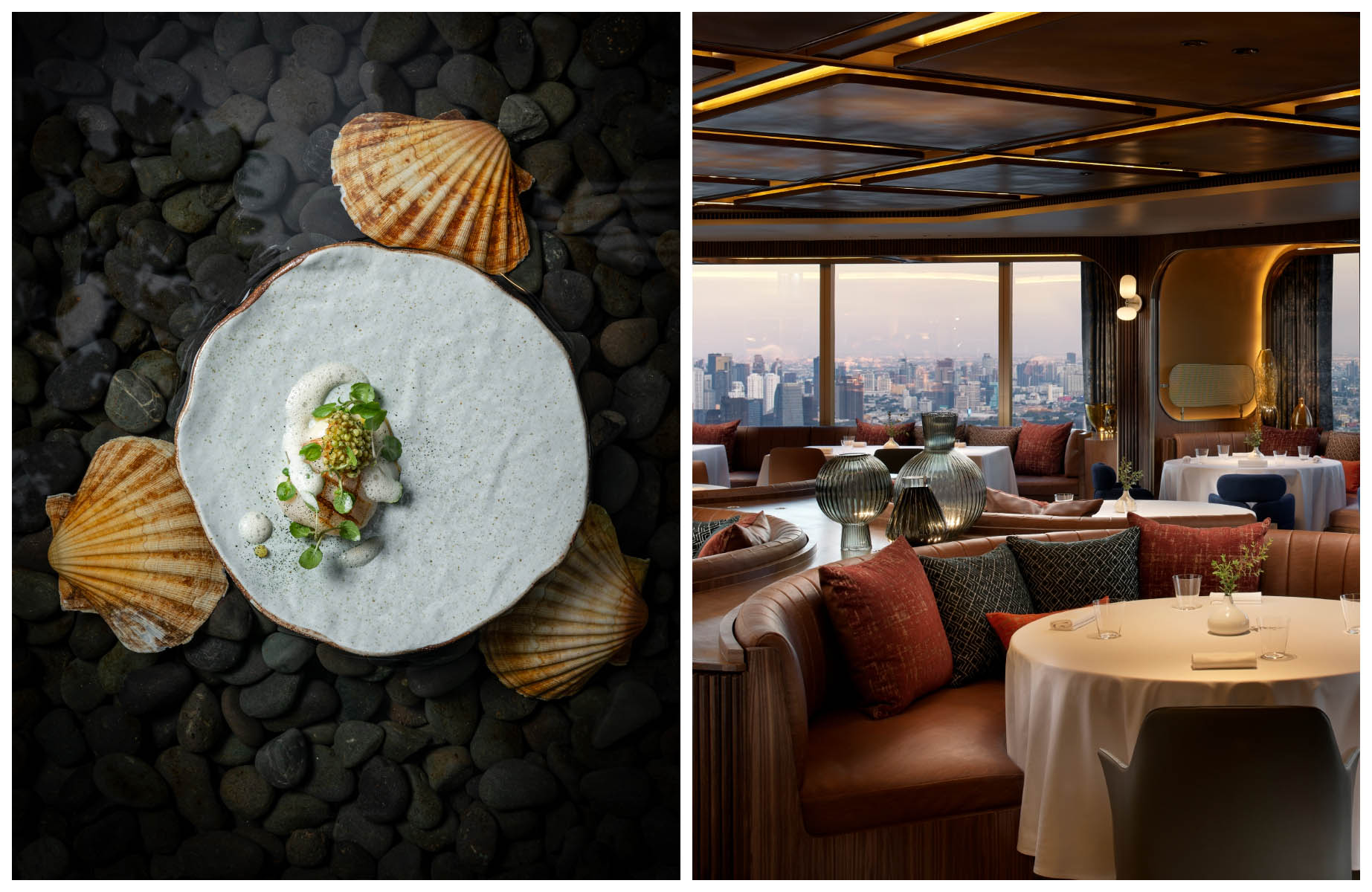
So where do chefs go when they want to learn something new? The familiar destinations (namely France and Japan) are still there, but attention to future food hubs is shifting. In Thailand, a wave of serious new openings — including Duet by David Toutain, Sartoria by Paulo Airaudo and Belén by Paulo Airaudo, Cannubi by Umberto Bombana and K by Vicky Cheng — shows that Bangkok is drawing chefs who want to settle in and build something lasting. In China, new openings — including Chef Kang’s location in Fujian, following on from his popular Chef Kang’s Noodle House in Singapore, which was awarded One MICHELIN Star — come alongside growing investment, pointing to a high-quality dining scene that is expanding quickly. And of course Japan remains a magnet for chefs to sharpen their technique, from knife work to the handling of fish. The lesson? There’s no single path — just more ways for chefs to surprise us next.
Related articles:
- The Best Places to Travel in 2026 for Food Lovers: 16 Must-Visit Destinations - Taste your way through 2026 with 16 destinations shaping the world’s most exciting journeys.
- Global Food trends in 2025 - What our MICHELIN Guide Inspectors predicted last year.
- The MICHELIN Travel Guides - Explore our favorite cities through the places we love to eat, stay and discover.
Hero Image: Ⓒ Eva H. Tram/Knystaforsen