31 December 2025

Share


South Korea is a country defined by its four distinct seasons, and winter is when its contrasts are at their most poetic. Temperatures can dip well below freezing, yet the season reveals a quieter, more atmospheric side of the country — from snow-capped mountain ranges and icy cityscapes to steaming street foods and deeply comforting meals. For travelers willing to embrace the cold, winter in Korea offers beauty, warmth and depth in equal measure.

1. Snow-capped mountains and world-class winter sports
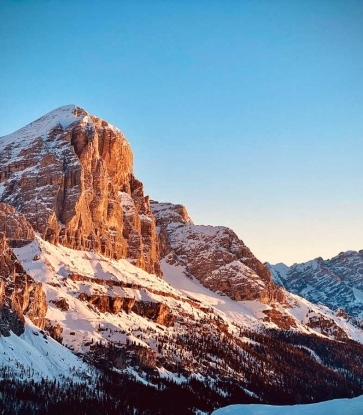
Roughly 70% of Korea is mountainous, and winter transforms much of the country into a serene alpine landscape. Nowhere is this more evident than in Pyeongchang, the host city of the 2018 Winter Olympics and Korea’s premier winter sports destination.
Set 700 meters above sea level in the Taebaek Mountains, InterContinental Alpensia Pyeongchang Resort feels more reminiscent of an Alpine village than an East Asian ski resort. Overlooking Balwang Mountain and Alpensia Lake, the property pairs cozy, European-inspired architecture with access to some of the region’s most respected ski slopes. Beyond skiing, guests can enjoy winter walks, wellness facilities and sweeping snow-covered views that feel distinctly cinematic.
2. Winter scenes in the heart of the city
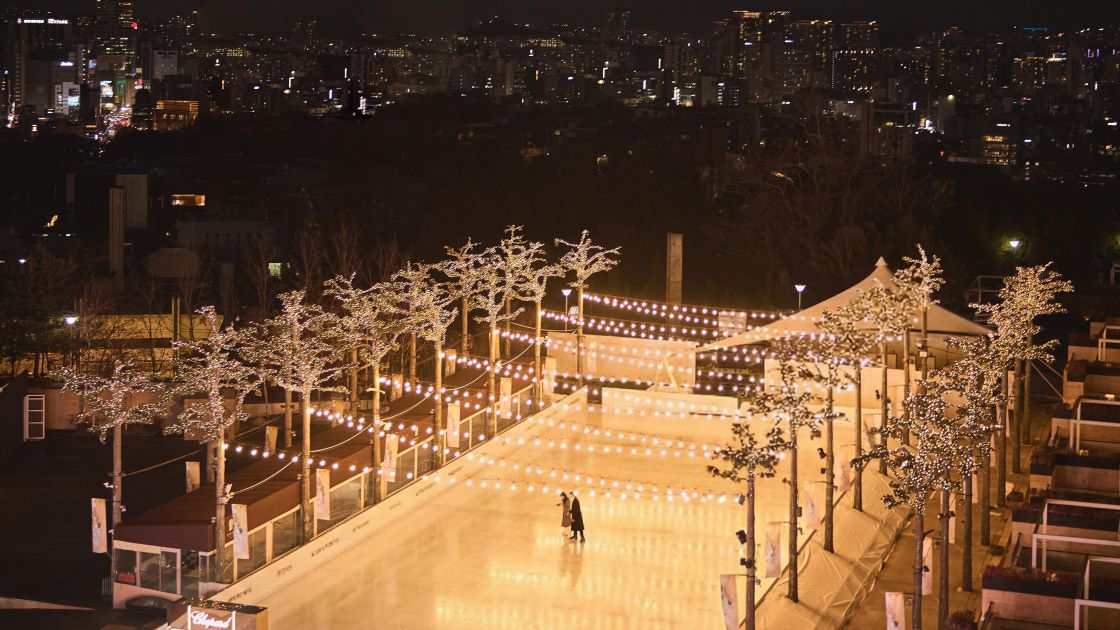
Winter in Korea isn’t limited to the mountains — Seoul itself embraces the season with style. Outdoor ice rinks pop up across the city, offering a festive contrast to the urban skyline. The Seoul Plaza Ice Rink, set in front of City Hall, is a local favorite, while luxurious MICHELIN-selected hotels Grand Hyatt Seoul and Banyan Tree Club & Spa Seoul offer picturesque private rinks framed by winter foliage and city lights.
For something more whimsical, the indoor rink at Lotte World Adventure allows visitors to skate regardless of the temperature outside — perfect for families or travelers seeking a nostalgic escape. It is also especially convenient for guests staying at nearby SIGNIEL Seoul, one of Korea’s first Two-MICHELIN-Key hotels, located in Lotte World Tower just moments away.
Meanwhile, Four Seasons Hotel Seoul offers a more quietly cinematic winter scene, with palace-facing views toward Gyeongbokgung Palace that feel especially striking when framed by bare trees and crisp winter light.
3. Retreating into warmth: spas and ‘jjimjilbang’ culture
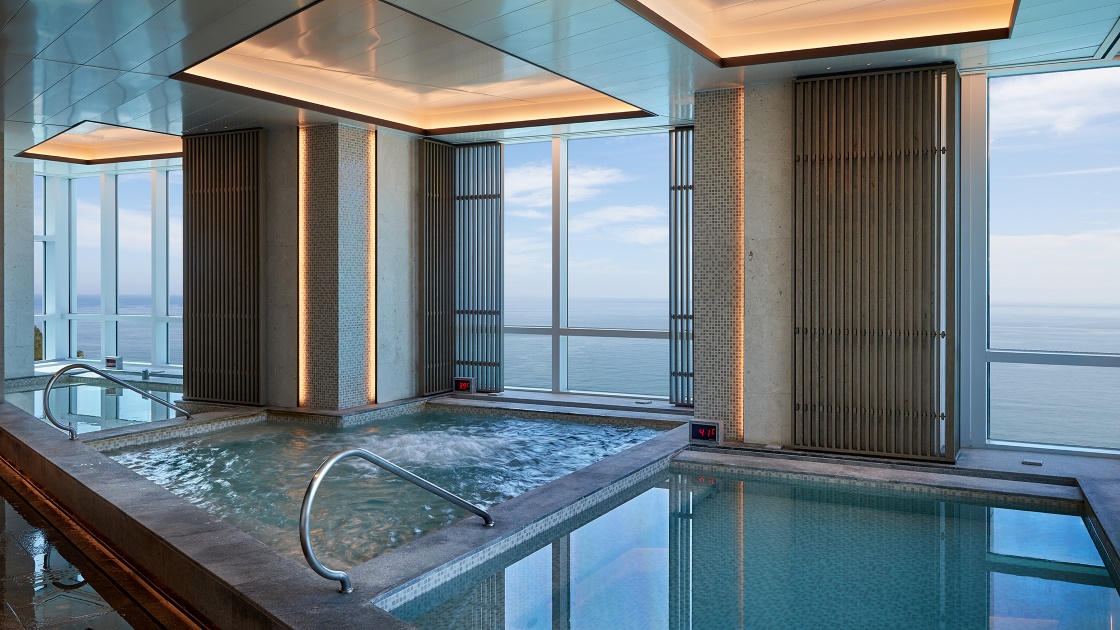
When winter cold sets in, Koreans instinctively turn toward warmth — and few experiences are more comforting than a spa day. High-end hotel spas across Seoul and Busan offer serene sanctuaries of heated pools, saunas and thermal experiences designed to soothe both body and mind. Standout options include the spa at SIGNIEL Busan overlooking Haeundae Beach, the Korean-inspired spatreatments at Four Seasons Hotel Seoul and Guerlain Spa at The Shilla Seoul, each offering a refined retreat during the coldest months.
Beyond luxury spas, Korea’s traditional jjimjilbang culture offers something uniquely local. These communal bathhouses combine hot baths, dry saunas, heated stone rooms and relaxation lounges. Many are designed for mixed-gender use, where visitors relax together in house-provided T-shirts and shorts, and are often often open 24 hours. Notable examples include Spa Land, located inside a major retail complex in Busan, and Aqua Field Hanam, known for its sleek design and expansive views, just 40 minutes from Seoul.
EXPLORE MORE: 2 Days in Busan for Art and Design Lovers
For those seeking a more K-beauty–driven experience, Sinsa-dong in Seoul offers refined alternatives. Spa Lei is an elegant, women-only space complete with a nail salon, while the Sulwhasoo SPA Flagship Store offers massages and facials showcasing the brand’s signature ginseng-infused skincare — an indulgent counterpoint to the traditional jjimjilbang experience.

4. Holiday atmosphere and winter shopping
From late November through December, Seoul takes on a distinctly festive glow. Department stores compete with elaborate holiday façades and light displays, turning shopping districts into seasonal attractions. Shinsegae Department Store Myeongdong, located directly across from the stylish MICHELIN-selected L’Escape Hotel, is especially known for its theatrical Christmas installations.
In the southern part of the city, Grand InterContinental Seoul Parnas, another MICHELIN-recognized hotel, connects directly to COEX Mall, home to the iconic Starfield Library, where soaring bookshelves create a warm, contemplative refuge amid the winter bustle.
5. Winter street foods, from markets to MICHELIN Stars
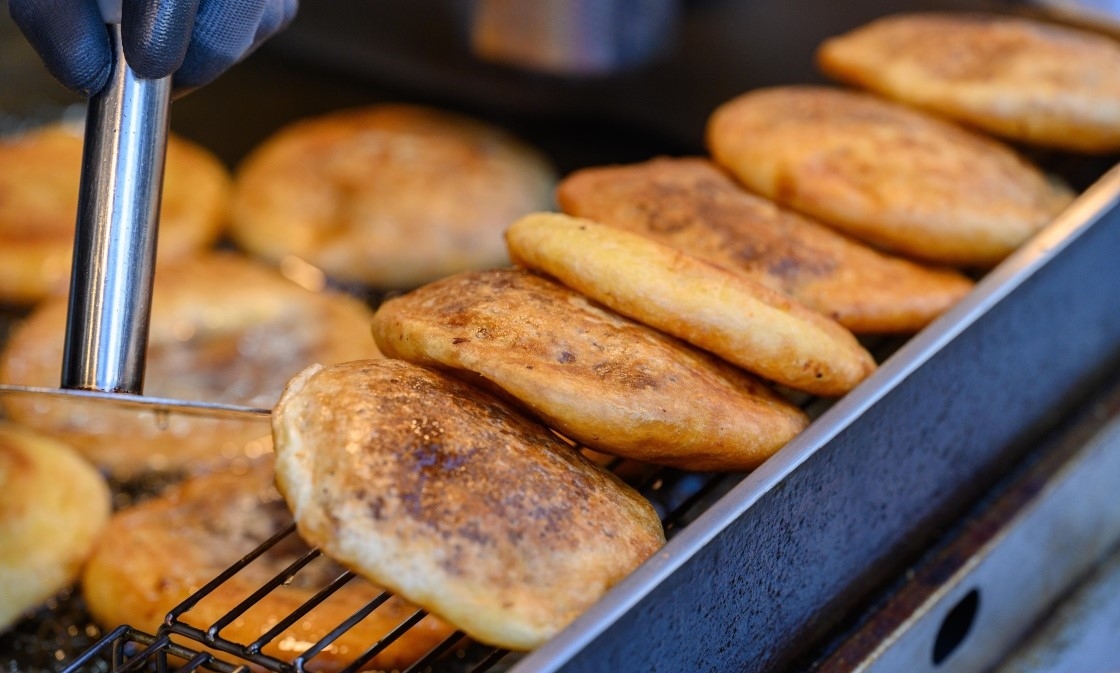
Winter is peak season for Korea’s most beloved street snacks. Paper bags filled with roasted sweet potatoes warm hands as much as hearts, while bungeoppang (fish-shaped pastries filled with red bean) and syrup-filled hotteok (pan-fried pancakes filled with brown sugar, nuts, and seeds) sizzle on griddles at street corners and night markets. Even department store basements turn seasonal, offering freshly made versions of these classics.
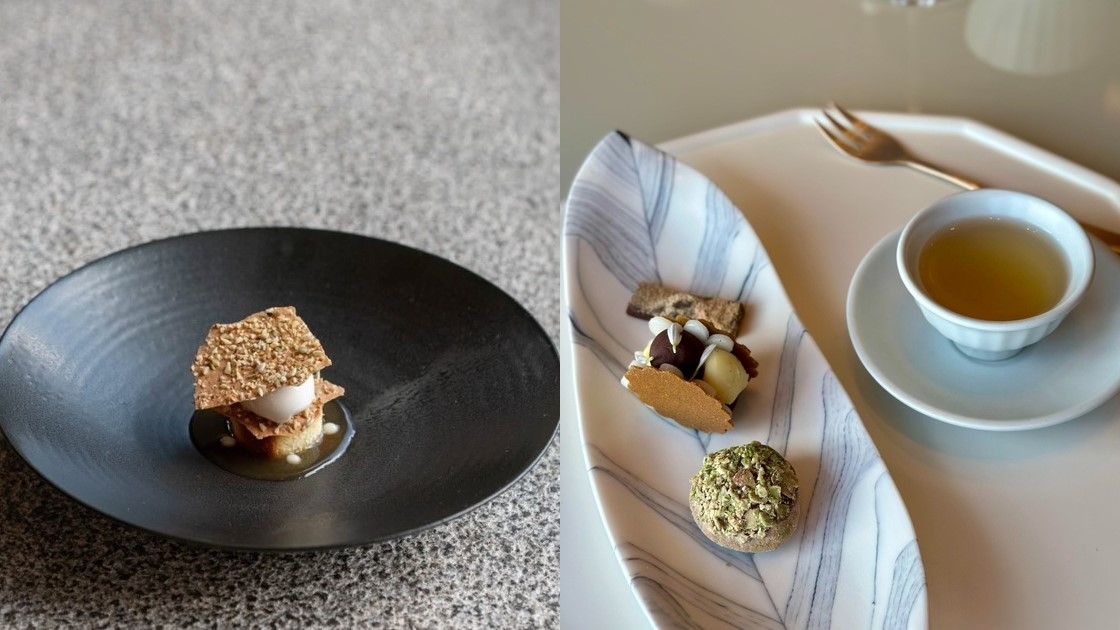
The influence of street food extends into fine dining as well. This winter season, MICHELIN-Starred restaurants such as Mingles (Three MICHELIN Stars) and Bicena (One MICHELIN Star) have reinterpreted hotteok within refined tasting menus, elevating the humble winter snacks into thoughtful, contemporary expressions.
EXPLORE MORE: Epicurean Escapes: MICHELIN-Selected Hotels in Seoul with Starred Restaurants
6. Seasonal dining at its peak
Winter is when Korea’s seasonal philosophy truly comes into focus. At Evett (Two MICHELIN Stars), menus change every two weeks to reflect ingredients at their absolute best, allowing winter produce to take center stage. Fiotto (One MICHELIN Star) brings a farm-to-table sensibility to the colder months, highlighting carefully sourced ingredients and preservation techniques.
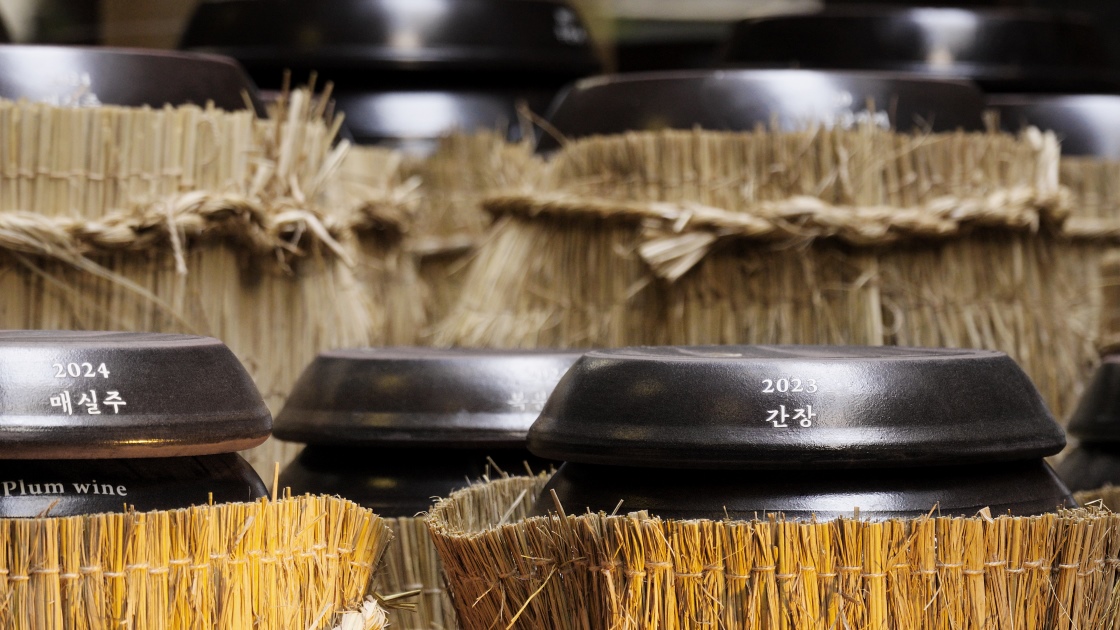
At 7th Door (One MICHELIN Star), rows of jangdok — traditional earthenware jars — capture the full spectrum of Seoul’s temperatures, quietly preserving sauces and pastes that underpin Korean cuisine. Winter here is not a constraint, but an essential element of flavor.
READ MORE: Hunting for Flavors at Evett — in the Kitchen and Beyond
7. Kimchi season and the soul of Korean winter
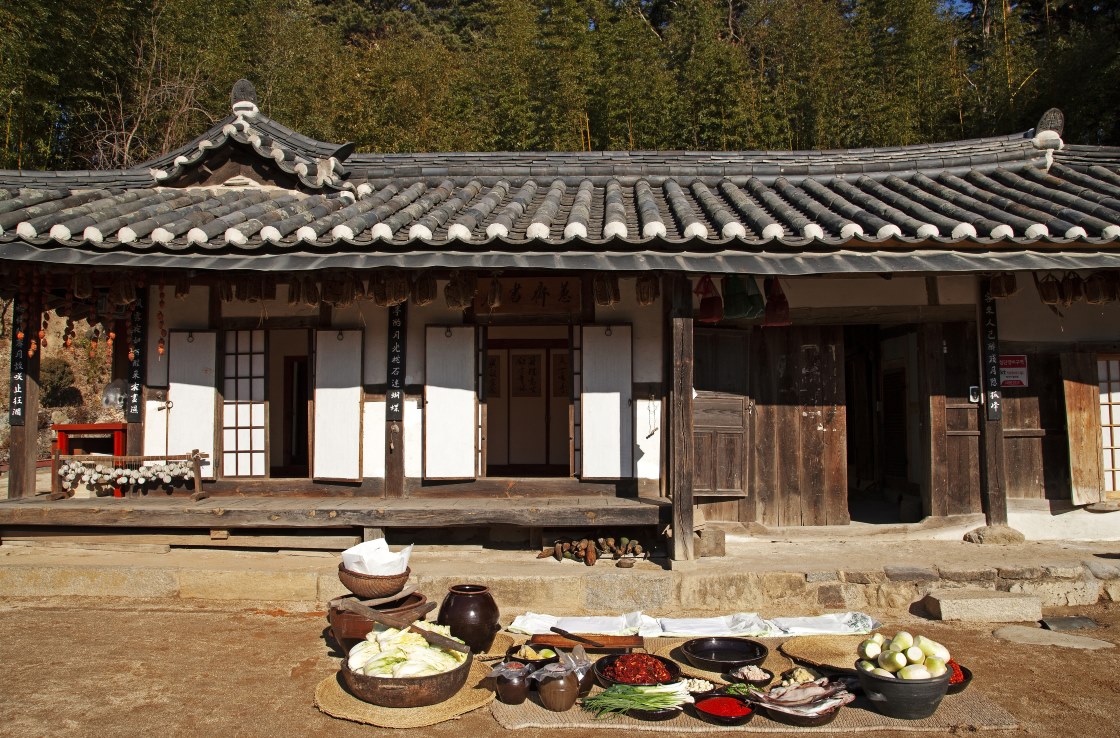
Winter is inseparable from kimchi. Traditionally prepared during gimjang, the communal kimchi-making season, cabbages are salted, seasoned and stored in jangdok (Korean earthenware) — once buried underground to ferment slowly through the cold months. Today, travelers can take part in kimchi-making programs and workshops that offer a hands-on experience of this UNESCO-recognized cultural tradition.
LEARN MORE: Gimjang: Ain’t No Party Like a Winter Kimchi Party
In MICHELIN-recognized restaurants, kimchi becomes a marker of identity and craftsmanship. Kwonsooksoo (Two MICHELIN Stars) presents a dedicated kimchi trolley featuring a rotating selection of meticulously prepared varieties, while institutions such as Geumdwaeji Sikdang, Myeongdong Kyoja (both Bib Gourmand), and countless gukbap (soup with rice) houses are quietly judged as much for their kimchi as for their signature dishes.
Hero image: The outdoor ice rink at Grand Hyatt Seoul offers sweeping winter views across the city skyline. © Grand Hyatt Seoul