16 July 2025
Share


Find your hotel
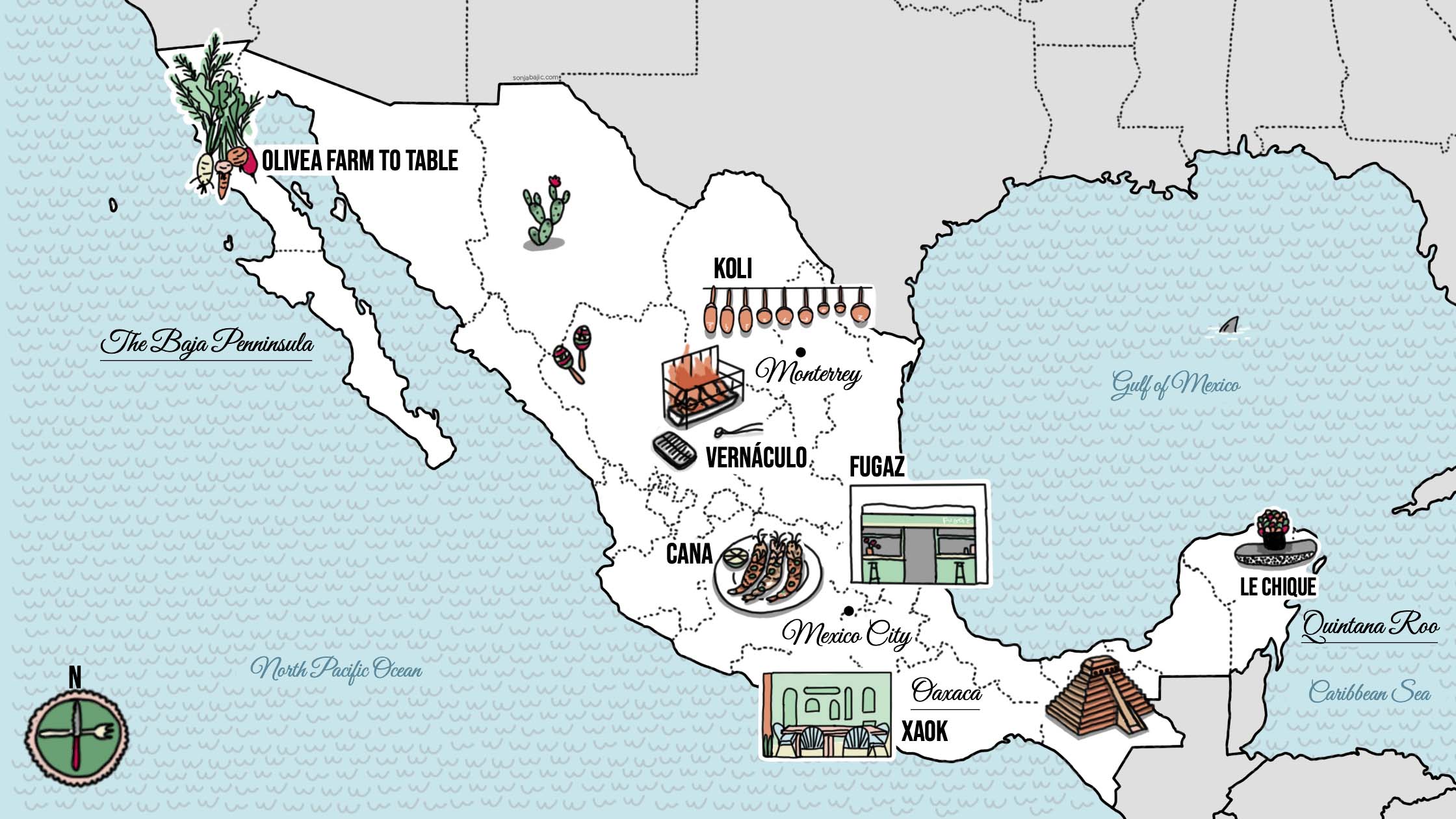
Read on for a region-by-region selection of the country’s most de moda (stylish) dining.
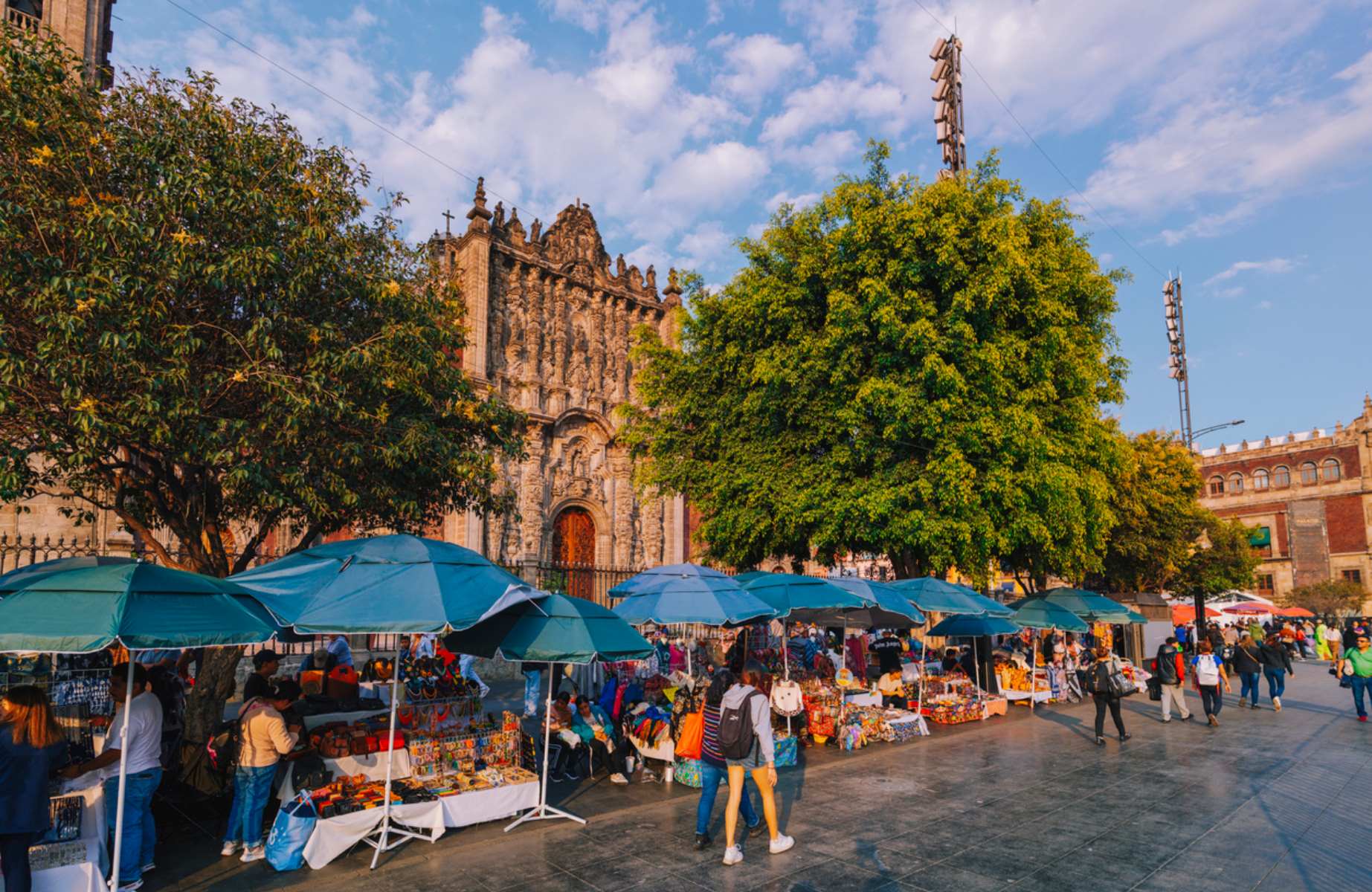
Mexico City: A Capital of Experimentation and Progress
Mexico City’s ascent into the top tier of global food destinations came on the back of old-guard establishments — roomy spots with white-shirted waiters like Pujol and Contramar
— that remain the gold standard for fine dining in the city. But today, a new crop of intimate bistros from young chefs are redefining the restaurant scene with simple, memorable dishes.
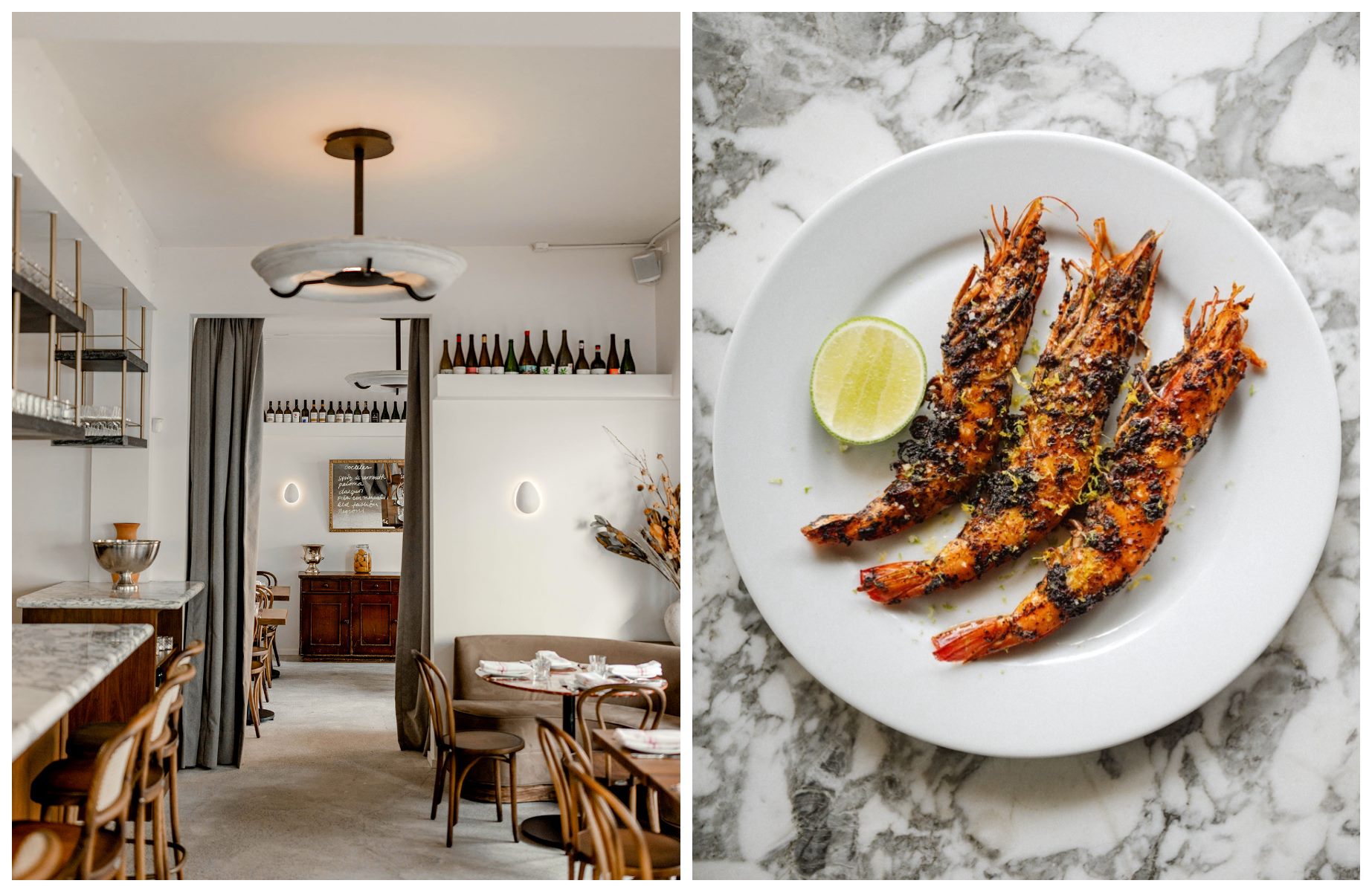
Cana
When Chef Fabiola Escobosa opened Cana in 2023, she captured the energy of a changing Mexico City. The space, like its neighbors in the central Juárez zone, reimagines characteristically grand and weathered architecture with a tasteful young eye: Parisian bistro chairs, tall folding screen windows, a white stone bar with ample seating — a rarity in the city. The menu is sophisticated and technical but very aware of its audience: the kind of cool, adventurous eater who knows that a plate of charred shrimp heads you eat whole is a must-order.
Fugaz
Fugaz is small, spare and one of the most talked-about restaurants in town. Chef Giuseppe Lacorazza prints new menus regularly, changing dishes based on what’s fresh at the market, the mood of the team or even Mexico City’s fickle weather. That means that in the rainy season at this vegetable-forward service, a pan-seared cabbage with pine nuts and an almond-onion cream is the hearty star at dinnertime. No surprise that when Lacorazza won Mexico’s Young Chef Award, all the vets in the room burst into applause.
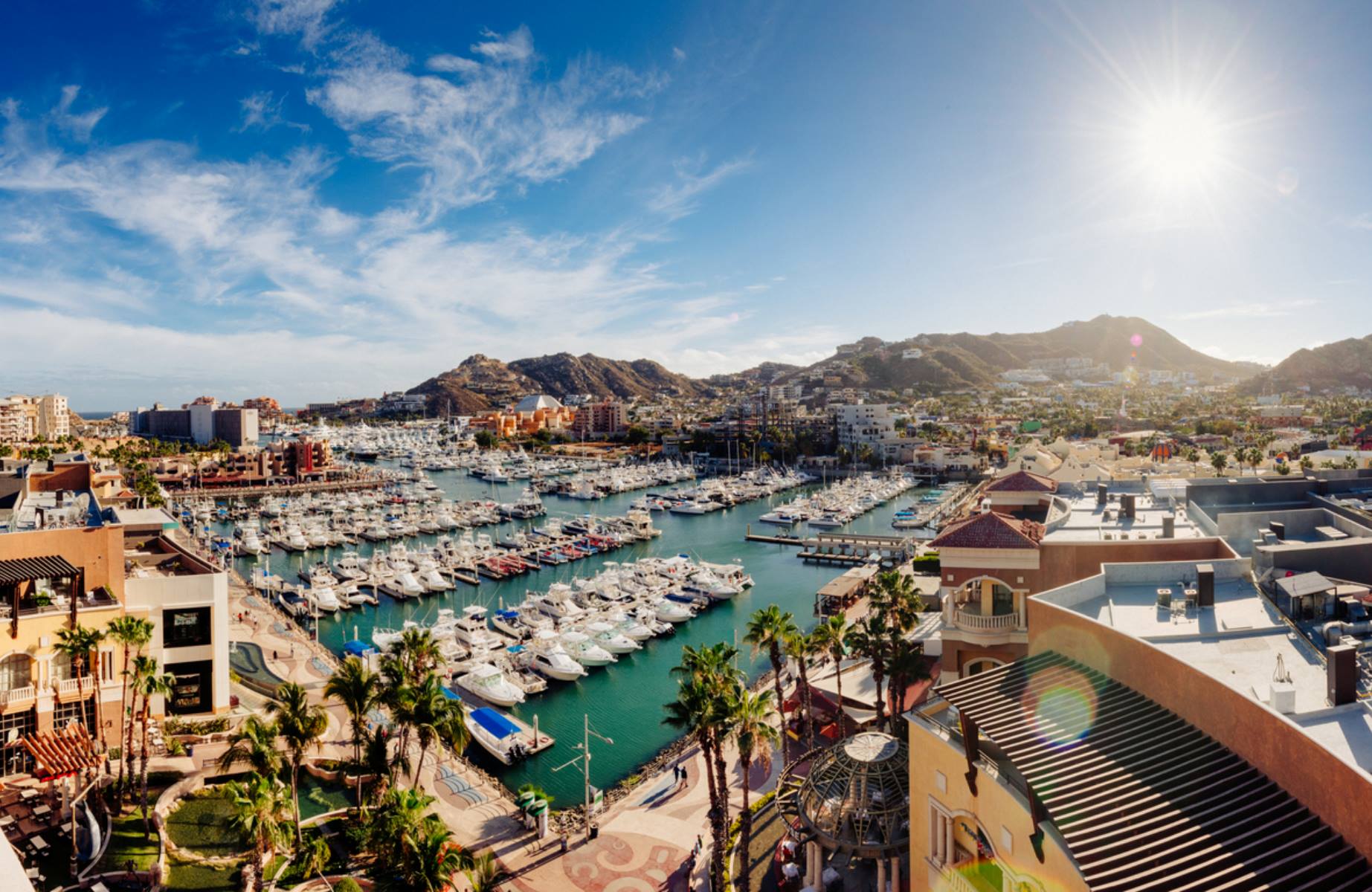
The Baja Peninsula: Cabo Is Just the Beginning
The Baja peninsula, running south from California with the Pacific on one side and the Sea of Cortez on the other, has long been known for its luxe resorts. But The MICHELIN Guide spreads the spotlight beyond the sprawling properties of Cabo San Lucas at its tip. In the Valle de Guadalupe, Mexico’s wine country, chefs are creating some of the most exciting farm-fresh menus, and in Todos Santos, beautiful restaurants have helped put the tiny fishing village on the map.
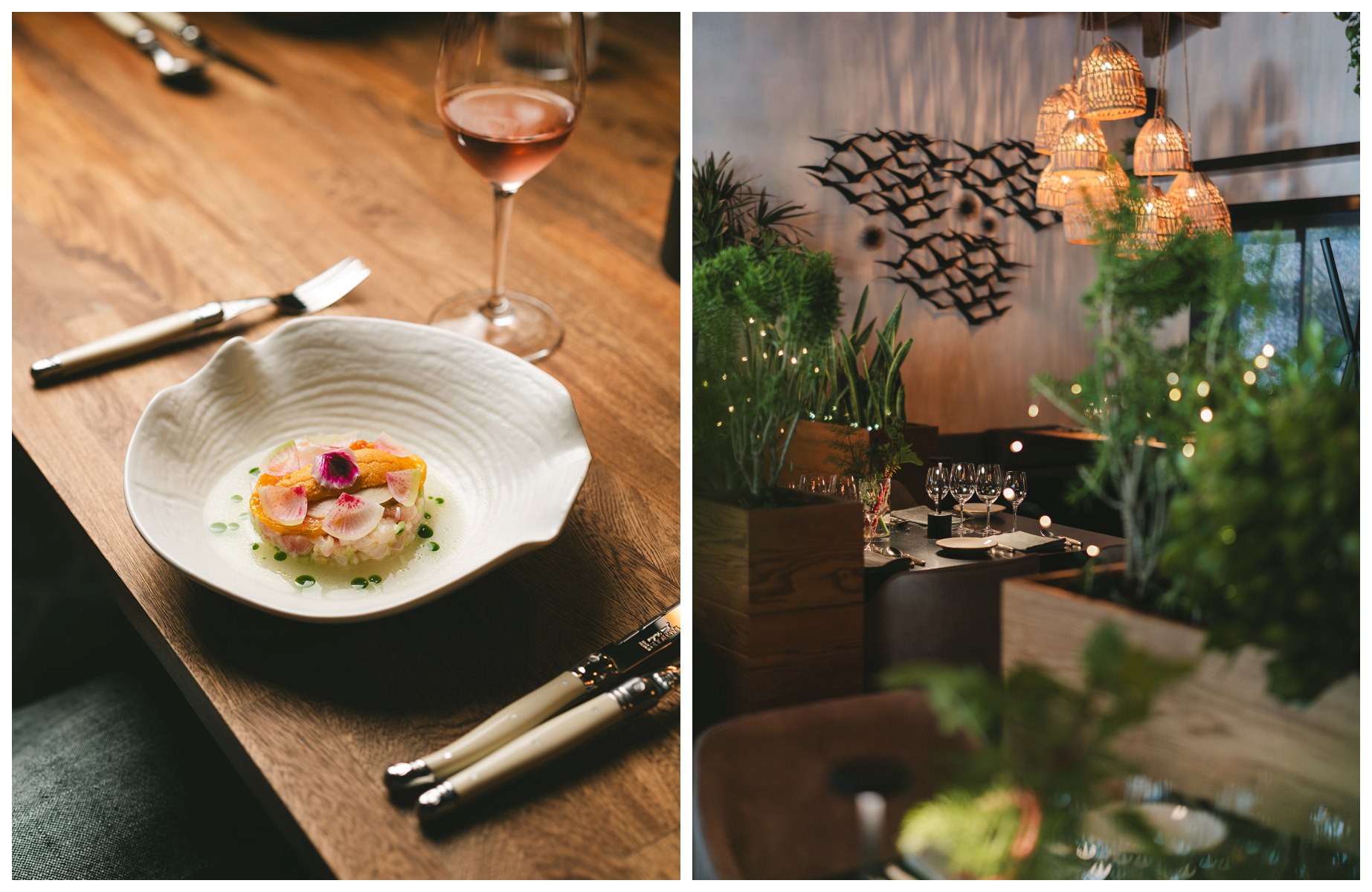
Olivea Farm to Table (New One-MICHELIN Star, new Green Star)
This charming restaurant stole the show at the 2025 MICHELIN Guide ceremony in Mexico, earning a Star for its vegetarian and seafood-forward menus and a Green Star for its commitment to environmentally minded cooking. Dinner starts with a tour of the garden, where each dish, such as fresh ravioli filled with vegetables, begins. Located in the heart of Mexico’s most important wine-growing region, the wine pairings here are essential.
TENOCH by Paradero Todos Santos
Todos Santos still has the sleepy charm of a secluded coastal community but as the beach-seekers have arrived, the food scene has risen to the occasion. Set in the striking Paradero Todos Santos hotel, TENOCH offers a Japanese-Mexican menu that relies on a hibachi grill and a clay comal, where tortillas are made fresh from heirloom corn. The two countries’ flavors are greater than the sum of their parts in dishes like locally caught kampachi (yellowtail) that’s served with a habanero kosho mayo.
Monterrey: A New Generation of Grillers
Monterrey, in the arid north of Mexico, is the mecca of carne asada, Mexican barbecue, with local free-range cattle making for spectacular feasts. It’s a meal steeped in tradition, but today a new generation of chefs is bringing innovation to the grill and helping convert this industrial city into a foodie destination.

Vernáculo
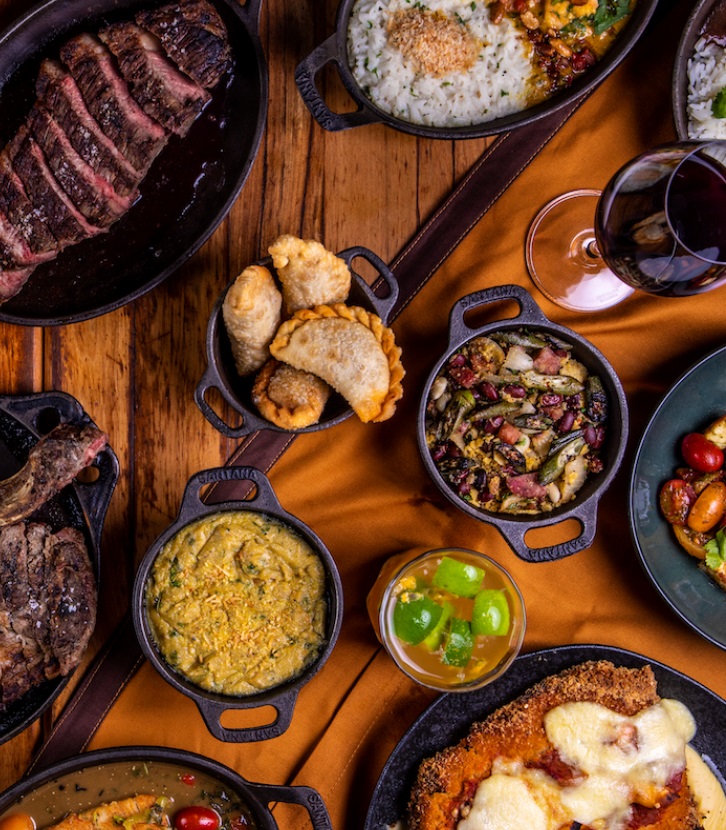
Nearly every dish passes over a live fire grill in Vernáculo, where Chef Hugo Guajardo has focused his lifelong love of grilling and his extensive global research into the craft. Opened in 2022, the restaurant has fast become a city favorite for its modern take on local flavors. The carne zaraza is a signature dish prepared on a custom-built grill. The thick-cut skirt steak is salted and hung over a grill to dry out overnight, leaving the exterior crispy and the inside moist and red.
KOLI Cocina de Origen
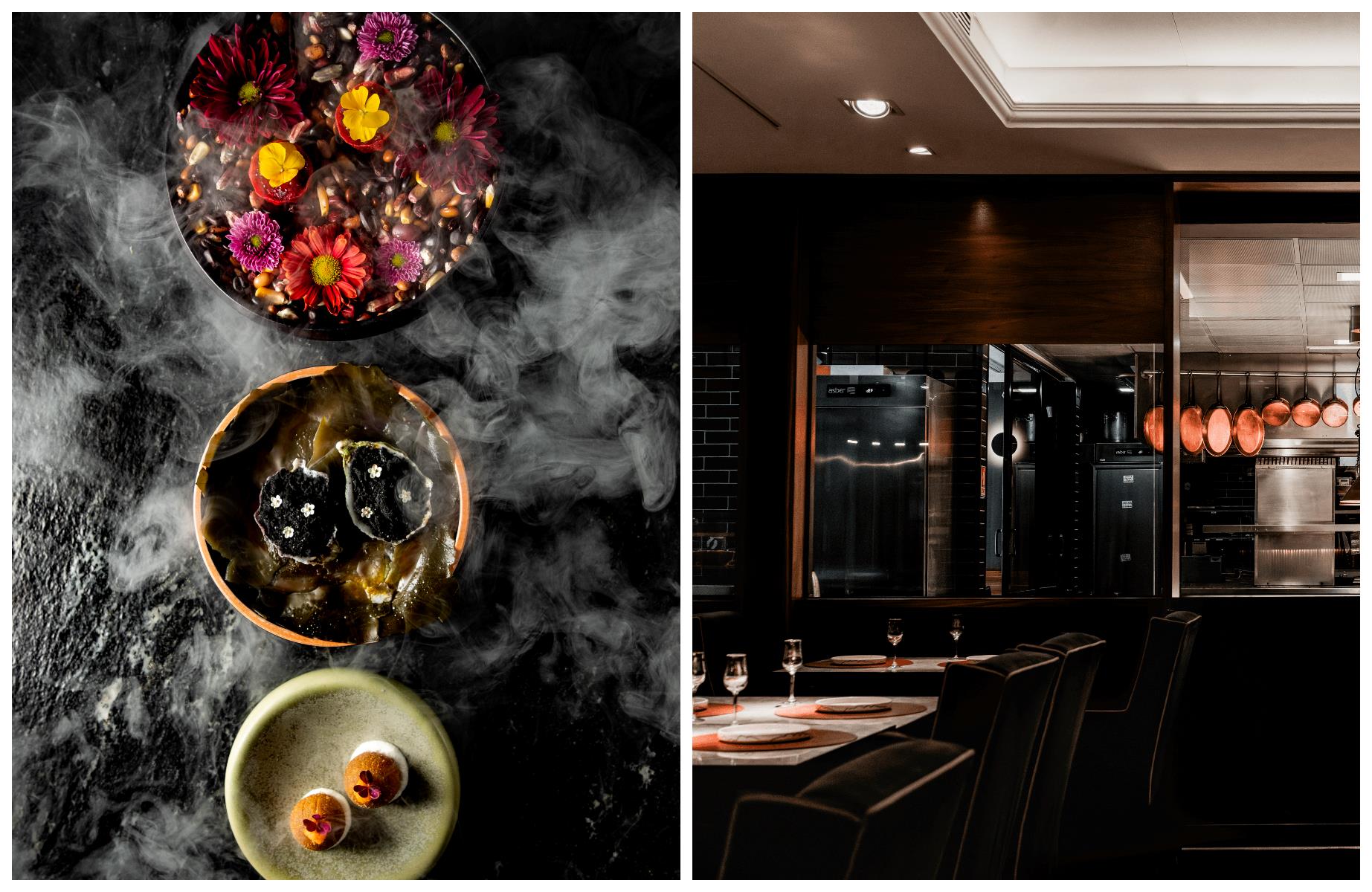
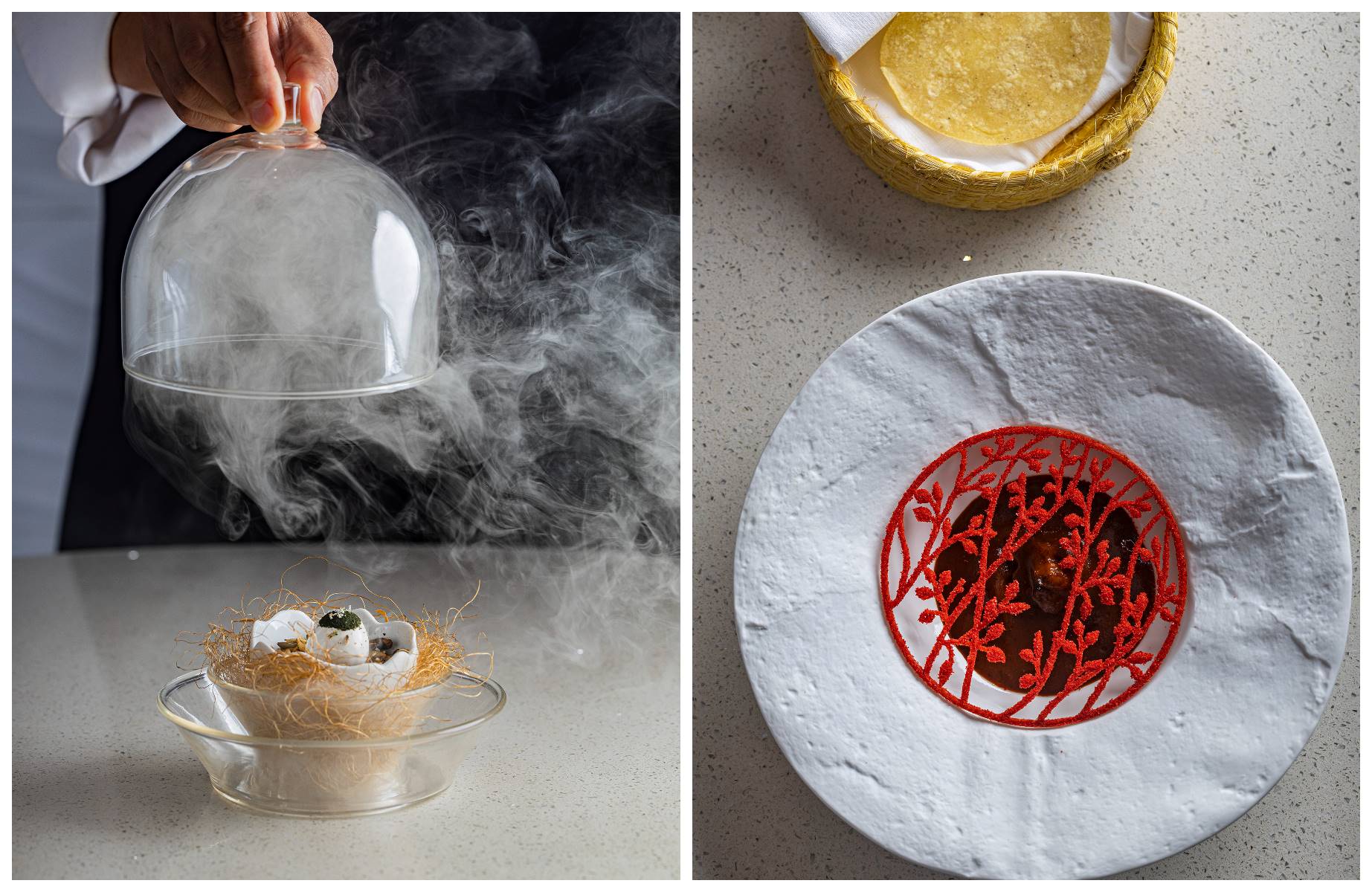
The menu at KOLI Cocina de Origen is composed of simple expressions of primal themes, like Origen (Origin), a dish of egg, pork loin and chorizo perched on a gossamer nest. But this is one of the finest restaurants in a city where the deepest-pocketed Mexicans work and play: For all the simplicity on the plate, the techniques and flavors are unparalleled. The Dualidad (Duality) course is an especially elegant preparation of the rustic Monterrey legacy: a hunk of perfectly bloodied picaña steak flecked with salt side-by-side with a beet engineered to have the same marvelous chew.
Oaxaca: Creativity in the Cradle of Tradition
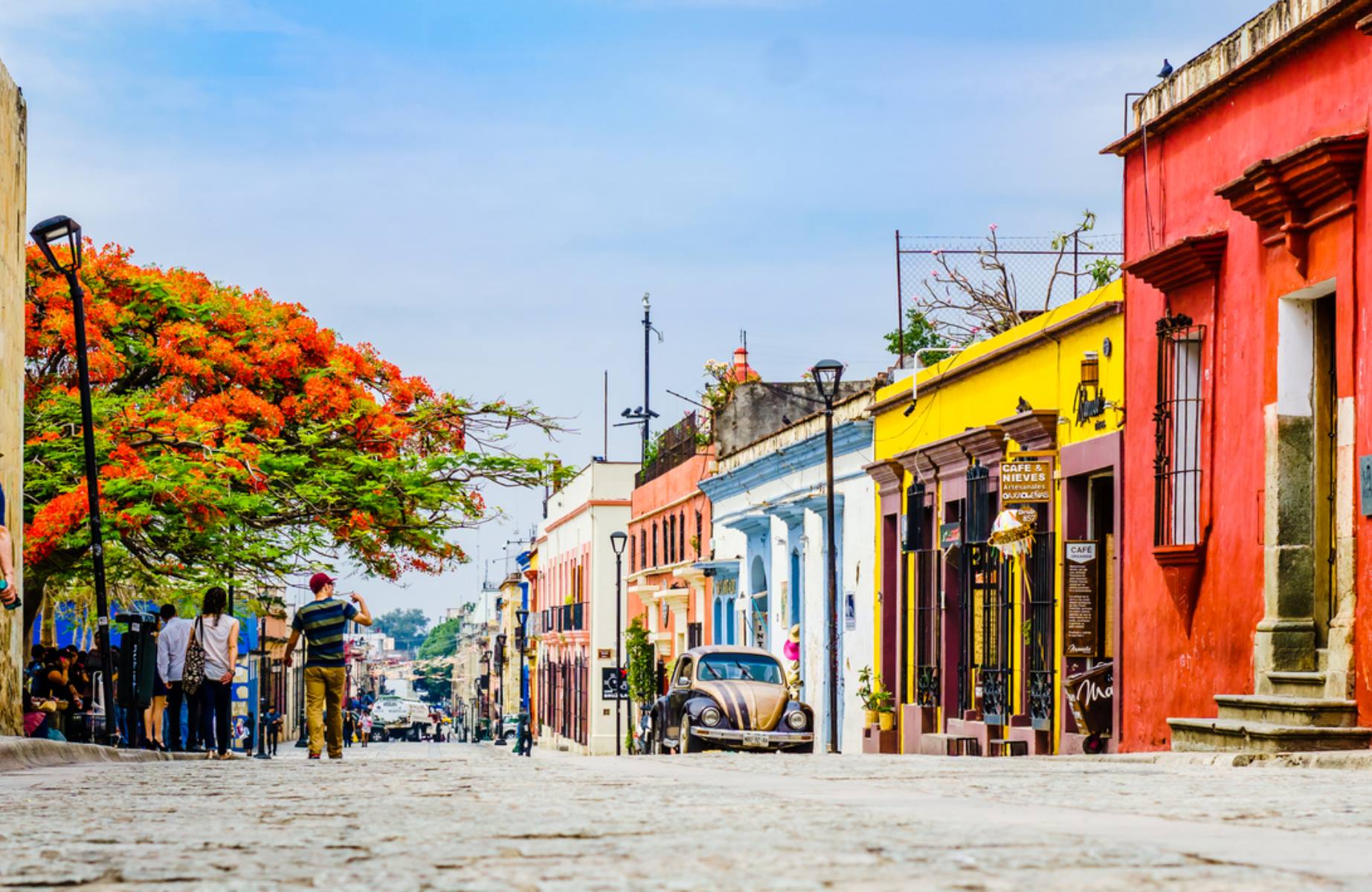
The state of Oaxaca is massive, stretching from the center of the country through the towering Sierra Madre range and down to the rugged coast of the Pacific Ocean. Inside is Mexico’s Indigenous heart, with the largest concentration of pre-Hispanic communities preserving and promoting distinct cultural treasures. Culinary creativity is abundant, from Oaxaca City, where chefs are exploring traditional mole sauces like never before, to the Puerto Escondido beach, where an inspired cocktail menu has gained acclaim.
Xaok (New Bib Gourmand)
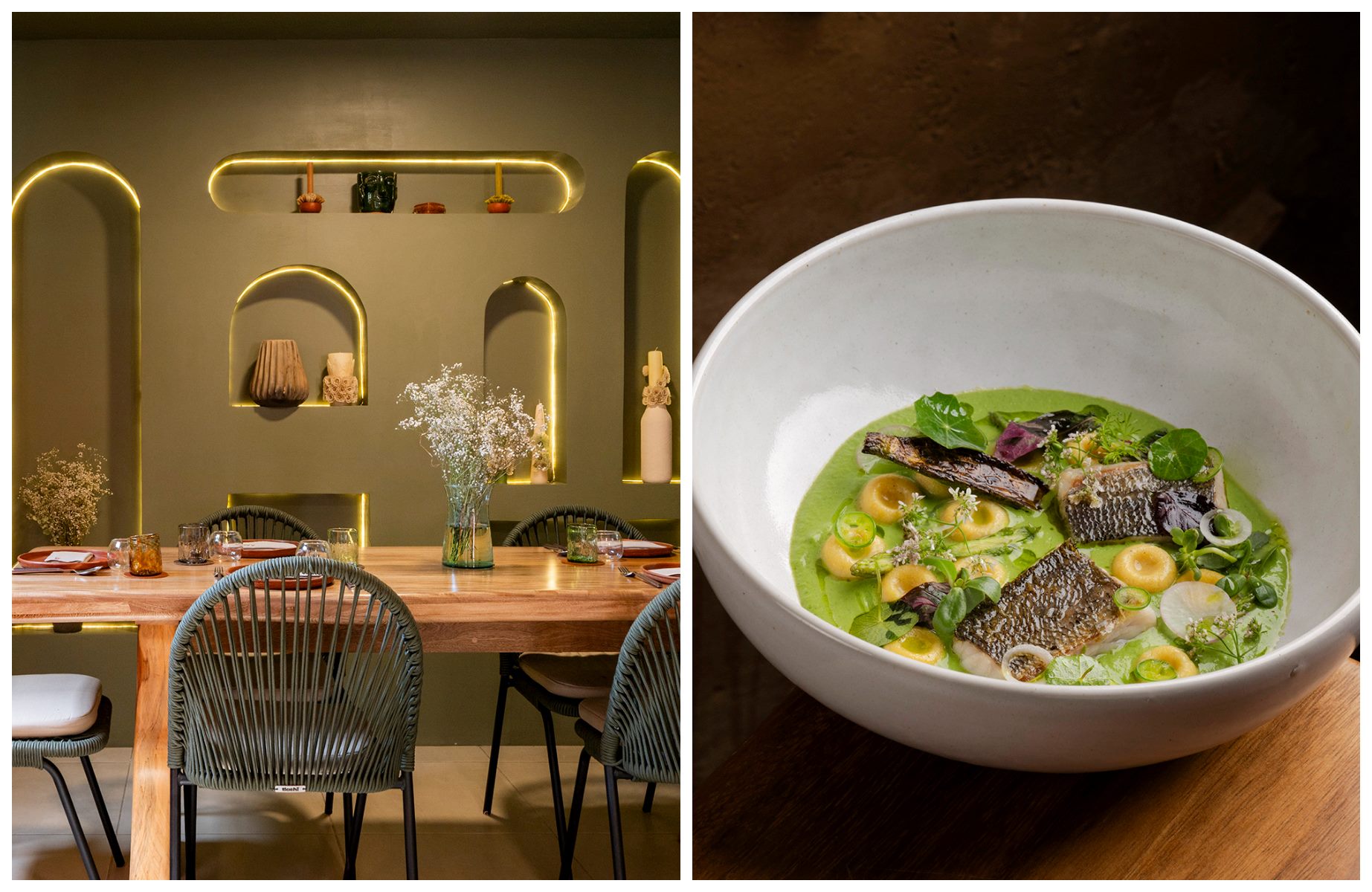
Oaxaca City’s stylish Xaok is known for its delectable cuisine at an affordable price. This contemporary hot spot is a welcome addition to a city known for its devotion to tradition. The mole is exemplary, studded with seasonal fruit and dressing a rich pork confit — an unusual and delicious take on a classic.
Atarraya
Puerto Escondido has jumped from boho backpacker beach town to world-class destination in just a few short years, thanks in part to buzzy restaurants like Atarraya. The menu is just what you want from a place where half the dining room floor is covered in sand: the freshest raw seafood preparations. But the headliner is mixologist Gabriela Campos (MICHELIN Guide Exceptional Cocktails Award in 2025) for her signature story-inspired creations featuring exotic and local ingredients. The Xóchitl, for instance, was created for Dia de los Muertos (Day of the Dead), and features marigold-infused mezcal in an intoxicating retelling of the legend of Xóchitl and Huitzilin.
Quintana Roo: More to Explore Beyond the Resort
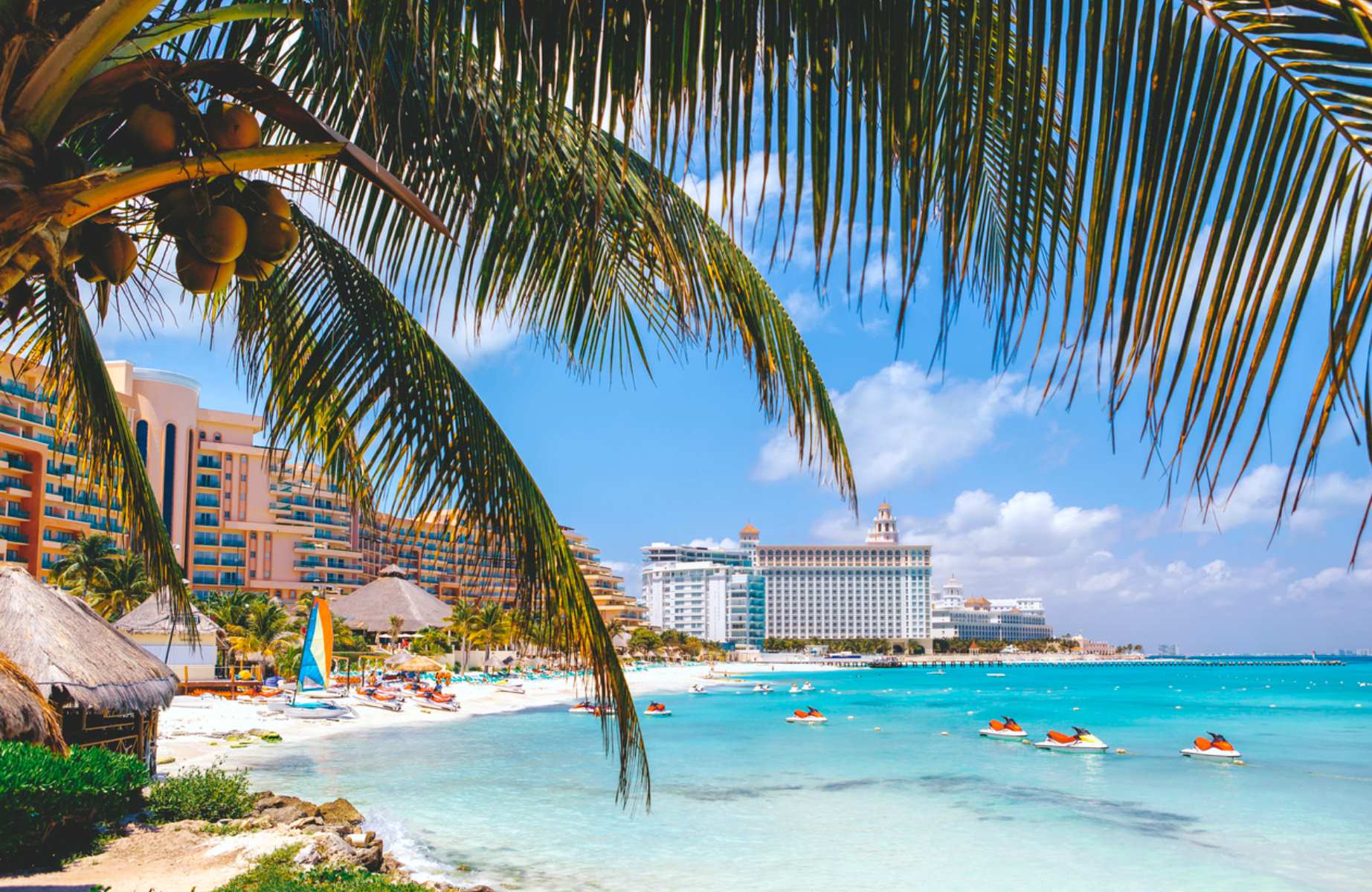
Cancún is one of the most popular beach destinations in the world for good reason: You’d be hard-pressed to find whiter sand and more turquoise water than this stretch of the Mexican Caribbean. The food is another story, with big buffets in resort pavilions being the easy — and unfortunate — choice. But venture beyond the hotel gates and some of the country’s best chefs are building improbable menus from exquisite local ingredients.
Hartwood
If you’re looking for Chef Eric Werner before service at Hartwood in Tulum, check a couple miles offshore. The New York-born chef arrived in the coastal jungle village before it got trendy. Today Hartwood is one of the most coveted reservations in town, with a blackboard menu of his team’s freshest hauls from the sea that day. The restaurant is 100% wood-fired and fully off-grid: This is the MICHELIN Guide version of a beloved seafood shack.
Le Chique
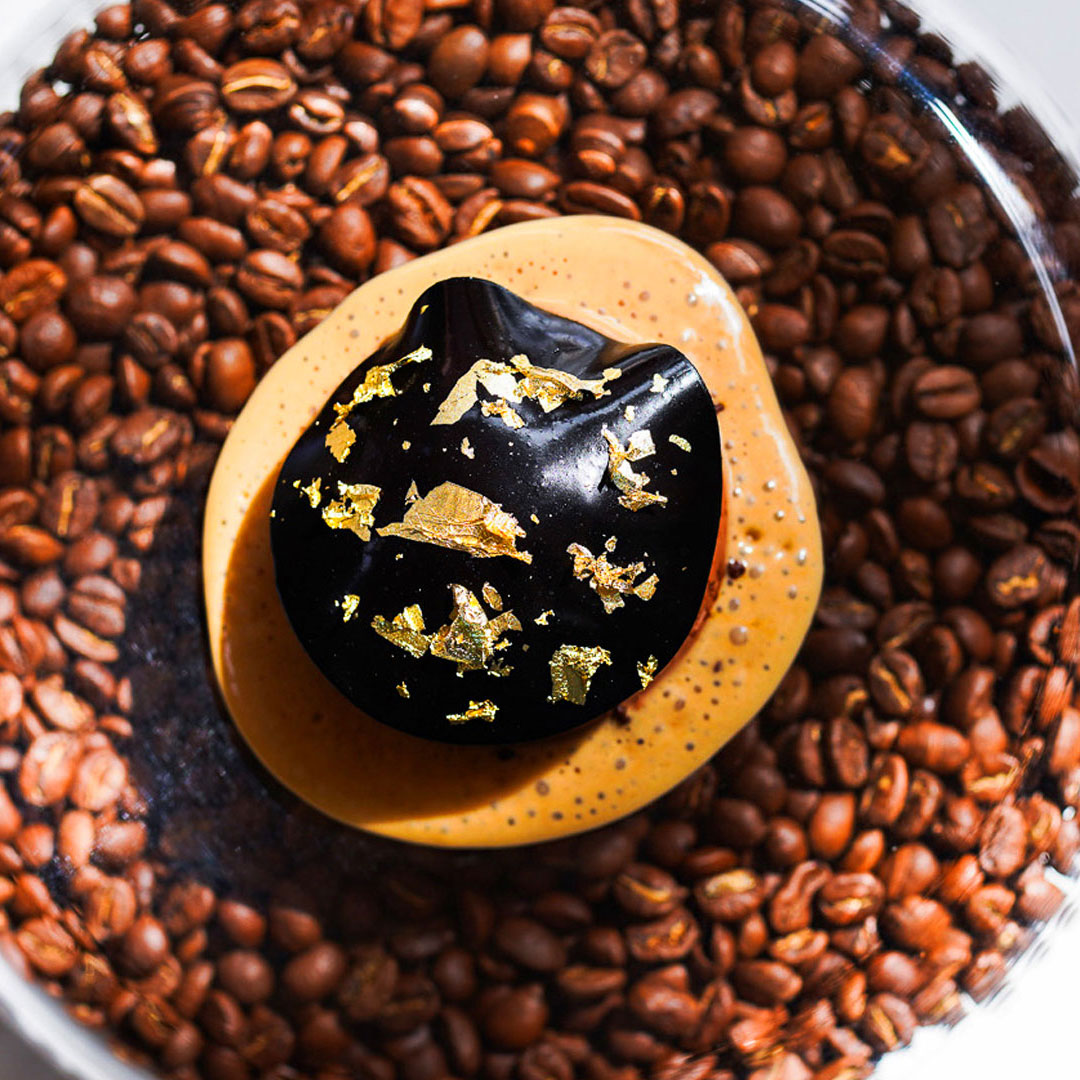
Le Chique, in Puerto Morelos, is the anti-all-you-can-eat, a salve to the buffet that so defines this coast’s dining. But that doesn’t mean you’ll leave hungry: Chef Jonatán Gómez Luna has designed a 20-course tasting menu that’s a tour of the country — with a flair for theatrics, like the signature Golden Margarita dessert with tequila, orange and lemon encased in a filigreed orb of chocolate. For the imprint he’s made on his country’s cuisine, Gómez Luna was awarded the Mentor Chef Award in 2025.
Hero Image: © Sonja Bajic/The MICHELIN Guide