04 December 2025
Share


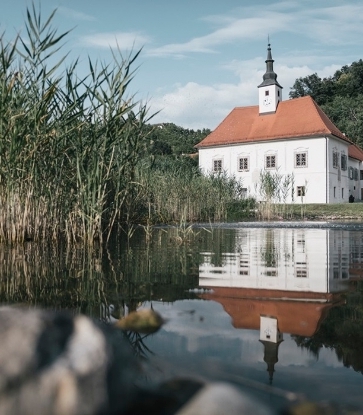
It is almost at one with the surrounding environment, creating a harmony capable of engaging all the senses. We are in Luče, in northern Slovenia, where the very name of the village suggests that the place possesses a special energy. And indeed, it is so: at the foot of Mount Raduha, near the Savinja River flowing through the valley of the same name, Hiša Raduha is more than a restaurant; it is a place of hospitality, shared vision, and peace.
The Breznik family has managed it for four generations (the fifth is already working in the restaurant), and there have always been women in the kitchen, whose knowledge has shaped the mindset and approach to food of this chef, who is dedicated to the region and its excellence.
“There are many superficial cuisines around the world,” explains Martina Breznik, “but when you encounter a profound cuisine, you recognize it. It is not just an act of transforming products for its own sake: it is how you prepare them, how you perceive the place you are in, and how you wish to convey it; it is an act of love performed with the heart.”
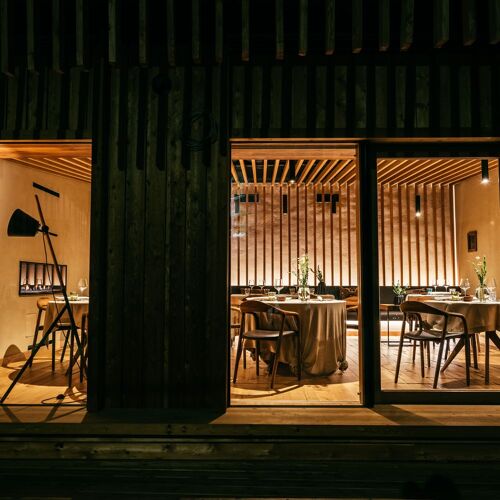
And this is palpable in the energy, the good vibes, the objects adorning the restaurant (the wooden phoenixes by local artist Jože Strmčnik are emblematic), and the materials used. The dining room has six tables, a fireplace lit during the colder months, white tablecloths, and the warmth of wood, which is the principal element of hospitality. Modern, elegant, and essential, Hiša Raduha is part of a hospitality project started by the chef’s great-grandfather and carried on for nearly a hundred years.
In addition to the restaurant, there are unusual and welcoming accommodations available for guests, created from the old barn and stable, with views of the Savinja River and Mount Raduha. Nature is the key element of the location, and its connection to the entire experience of the place is strong. Respecting the past while building the future, the restaurant and accommodation business look toward sustainable and cultural tourism, offering a gastronomic experience that integrates and dialogues with the architecture (a great passion of the chef, along with art and painting) and the nature surrounding the house.
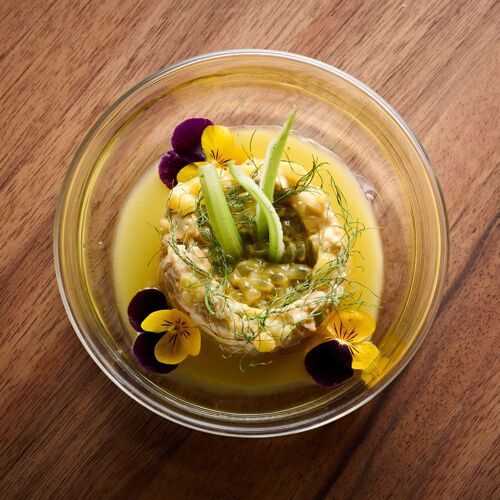
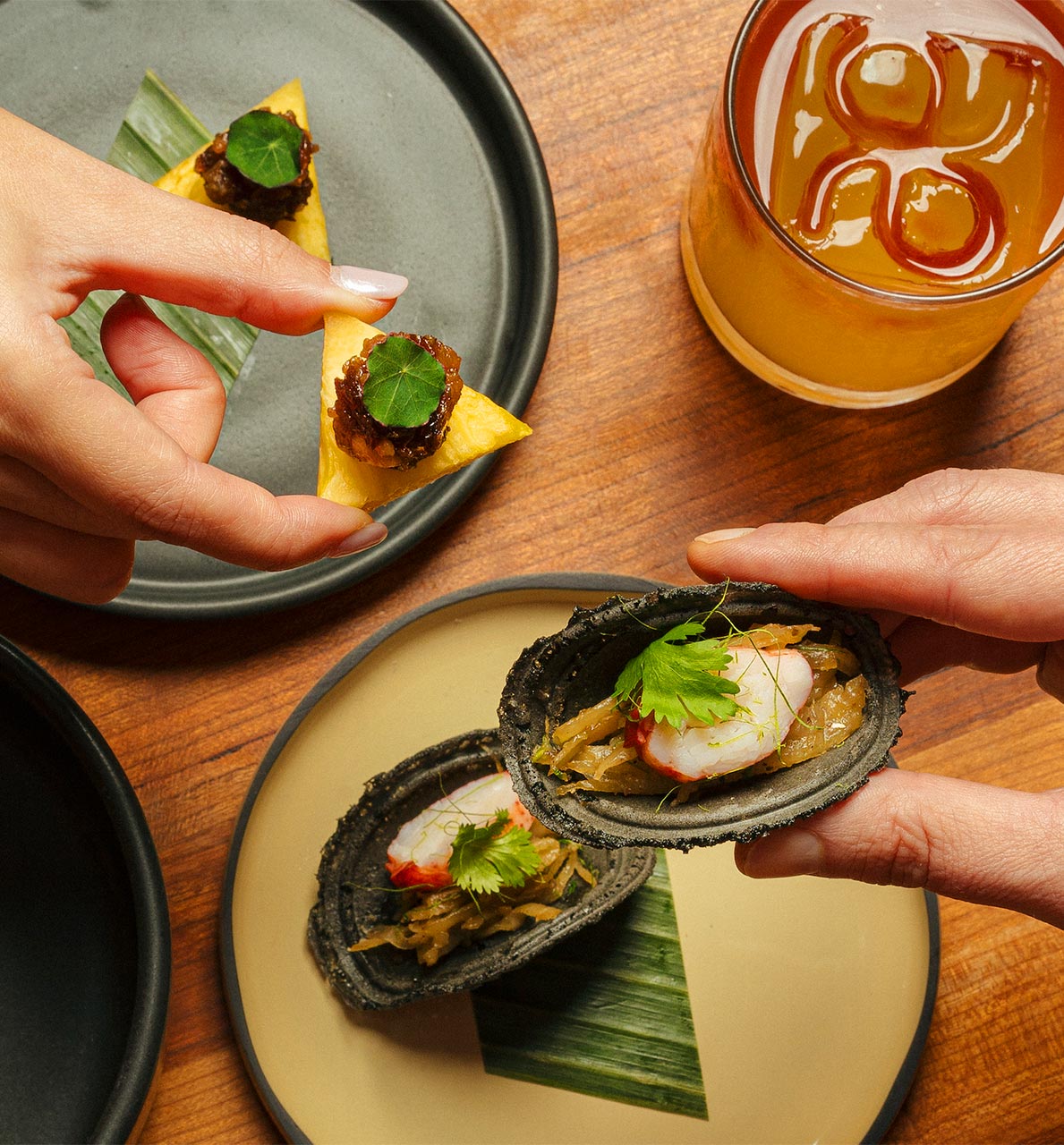
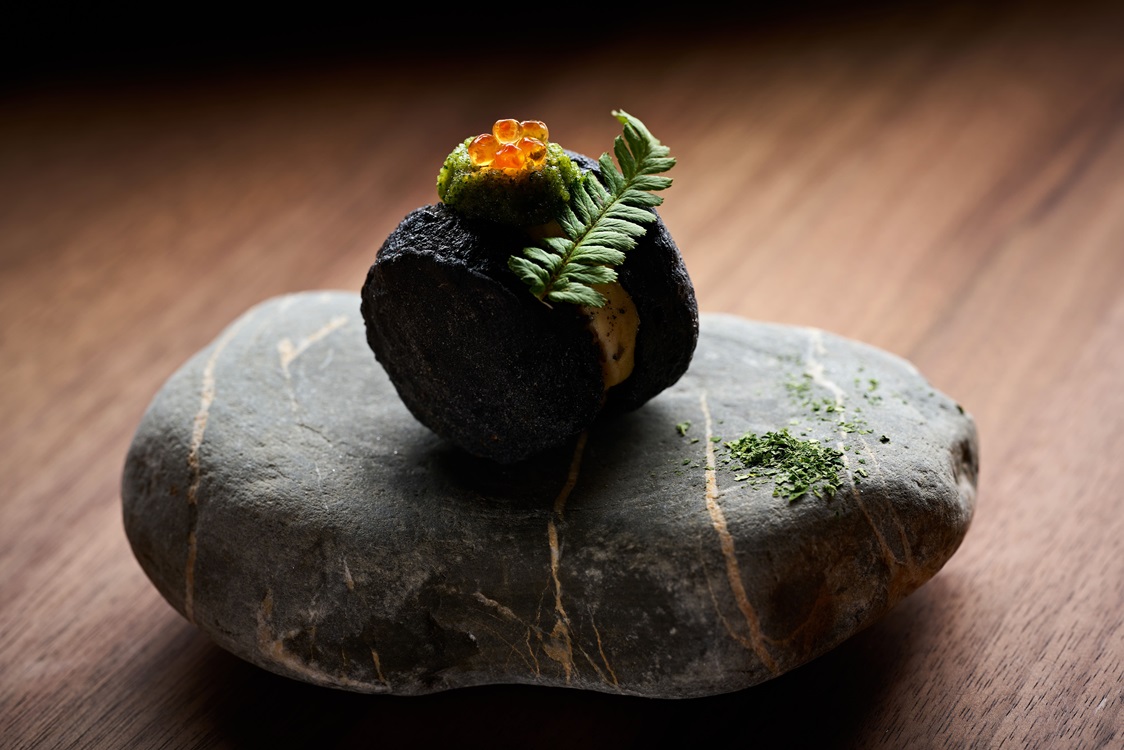
The kitchen uses only seasonal ingredients, and the menu changes daily based on what the garden and local suppliers can provide. The gastronomic experience thus has a strong identity, defined by dishes that look to the traditions of Slovenia and of the Breznik family. Often humble ingredients are processed with great technique and served with a refined aesthetic that eliminates the superfluous without forgetting elegance.
The chef’s goal is to carry on respect for the stories and teachings of her grandmother, great-grandmother, and mother. They have always been sources of inspiration for the work she learned almost as an autodidact by following their teachings. And so local flavors are preserved with an originality that stirs emotion: every dish has its story and is a journey traversing nature and family with an explosive, almost mystical energy.
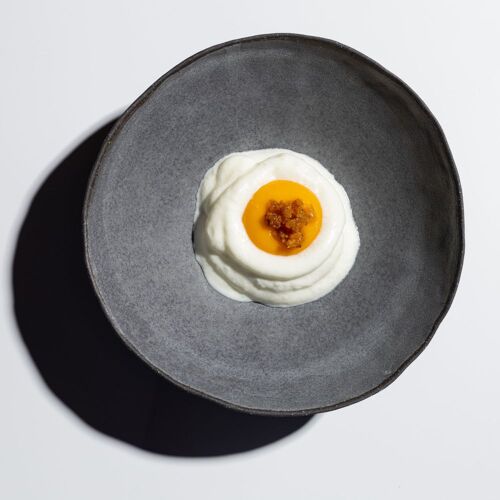
The menu includes a couple of appetizers, the Apple Cappuccino, which is an iconic course (the restaurant uses a Slovenian variety of apple), and the main course that, depending on the season, can be fish, veal, pork (the Krškopolje variety), or game, followed by dessert.
Buckwheat served with mushrooms is a signature dish, just as the use of trout is inevitable on the menu: local fish arriving directly from the nearby Savinja River is interpreted in various recipes. The version marinated in red cabbage and served with apple gel, celery, honey, lemon, olive oil, buckwheat, and Cornelian cherry is delicious.
While maintaining a profound respect for the region’s culinary heritage, Martina Breznik actively fosters innovation through collaboration with a younger generation of chefs who are introducing contemporary techniques to the kitchen. This dynamic exchange allows for the integration of methods that harmonize tradition and modernity—ranging from fermentation (spanning cabbage to cheese) and smoking to marinating and refined Eastern practices such as kimchi and kombucha, which are consistently presented in multiple variations at the restaurant.
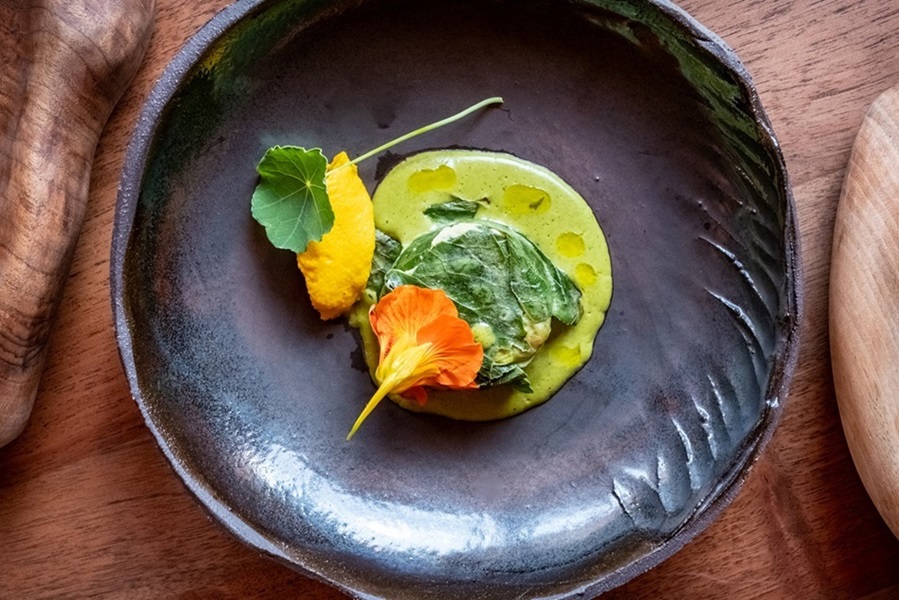
For her, cooking is a way to slow down time and let nature speak, particularly that valley which is the primary inspiration for ingredients. For Martina Breznik, food is not just a meal but a meditative experience that creates bonds with the place and helps reflect on time: for this reason Hiša Raduha is a space where the meal becomes a ritual, in which even the simplest ingredients are charged with memories and emotions.
Finally, an applause for the wine list, skillfully illustrated by her son Filip, a tribute to the diversity of Slovenian wine regions and a further hymn of love for this land.

Hero image: Tomo Jeseničnik - Hiša Raduha