15 January 2026
Share


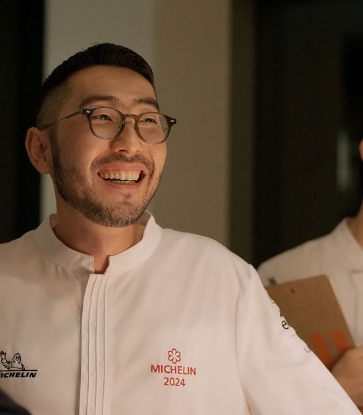
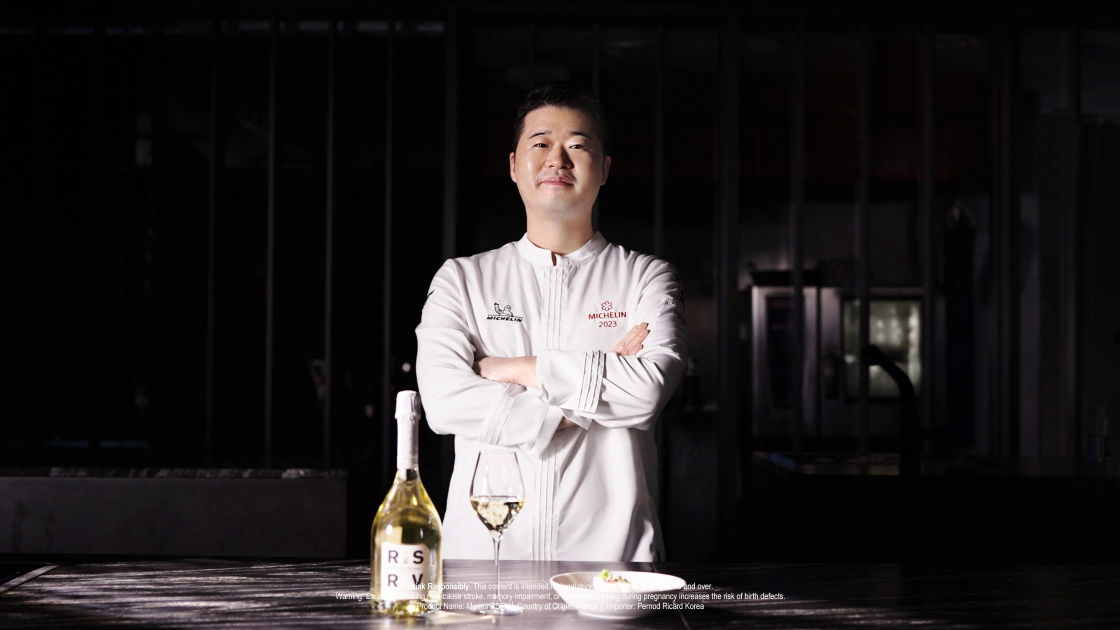
Fermentation lies at the heart of Korean cuisine. Flavors deepen and complexity emerges as ingredients slowly transform through the quiet work of microorganisms — a process refined over centuries. Few chefs today explore this world with as much rigor and conviction as Chef Kim Dae-chun of Seoul's 7th Door.
The kitchen at 7th Door leans less to the intensity of fire than to the temperature of time. At this One-MICHELIN-Starred restaurant, time is not merely a variable in cooking but a fundamental tool in shaping flavor. Each year, the team produces more than 50 fermented ingredients in-house, working with maturation periods ranging from six months to as long as five years to build its daily menus.
“7th Door is a place where we cook with time,” Kim says. “Our philosophy follows the flow of nature.” Rather than forcing control over variables such as annual temperatures or seasonal shifts, he believes fermentation is about reading those conditions and adjusting in response. “What matters most is creating the best balance within the conditions of the present moment,” he says.
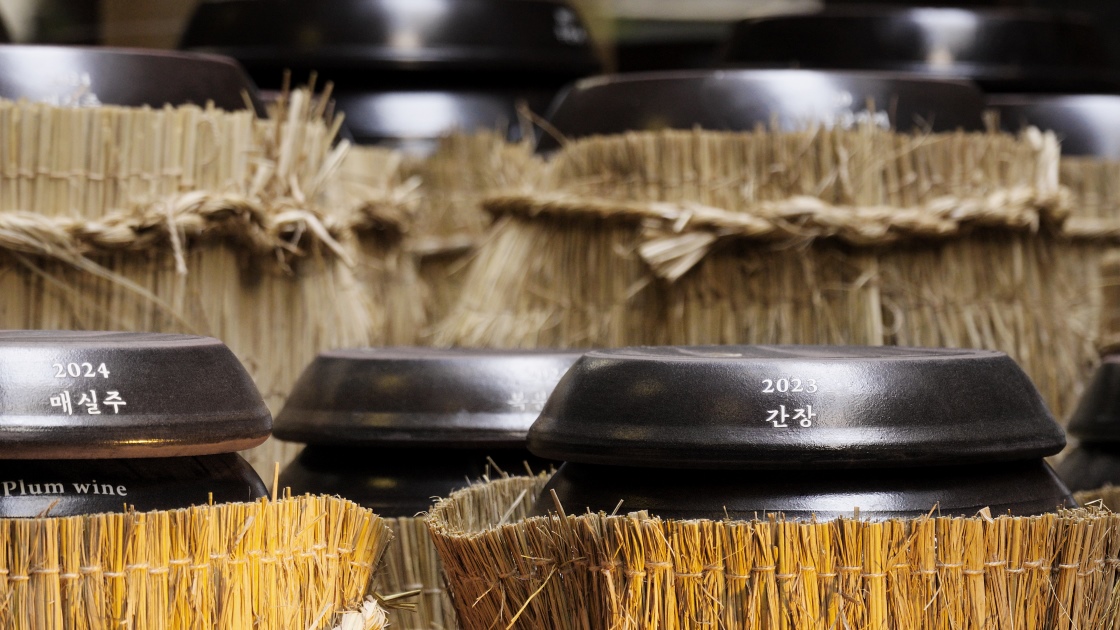
That philosophy is most visibly expressed in the small courtyard of the Cheongdam-dong building that houses 7th Door alongside Kim’s MICHELIN-selected restaurants, Bium and TocToc. Earthenware jars labeled “2019 doenjang” (soybean paste) or “2023 ganjang” (soy sauce) are not decorative gestures but working ingredients — a living landscape that shows how time itself shapes taste.
Kim describes fermentation as “the act of continuously calibrating ingredients to their current conditions.” While rooted in science and technique, it is, for him, ultimately an attitude — one that accepts and responds to natural rhythms. By observing subtle shifts in season, temperature, humidity and air, the kitchen searches for optimal flavor in each moment. The accumulation of these adjustments is what defines 7th Door today.
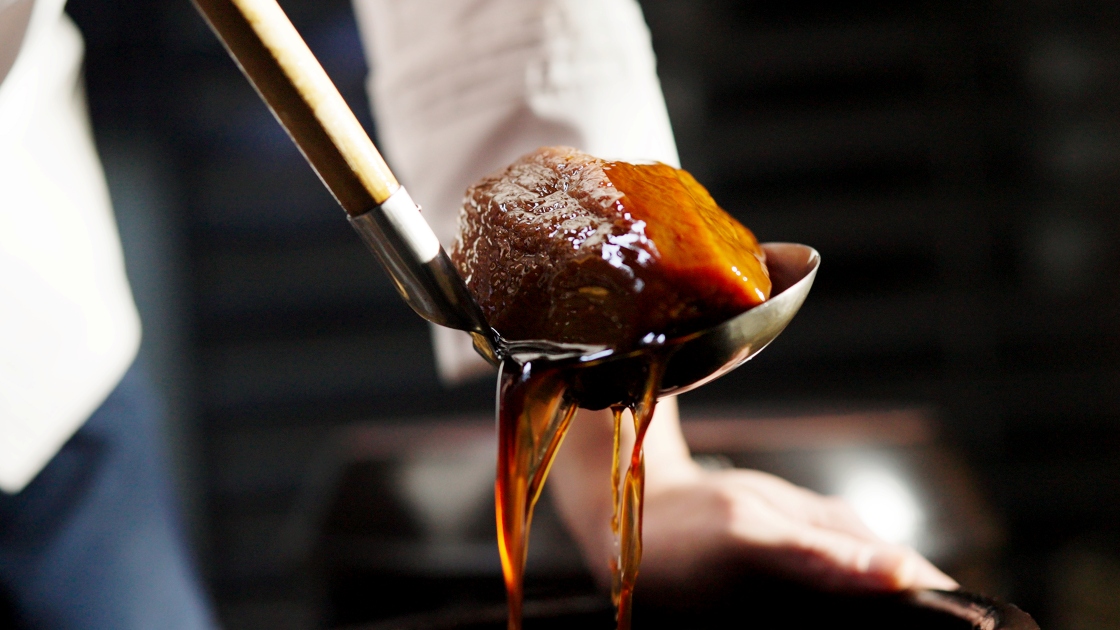
His team takes daily notes on the condition of every fermented ingredient. The speed of fermentation shifts as seasons change: warmer weather sharpens salinity in soy sauce, while colder air allows soybean paste to deepen more slowly. Aligning flavor with nature’s cadence is a core practice for the restaurant.
READ MORE: The First Day We Got Our Star: 7th Door’s Kim Dae-chun
Temple cuisine and the aesthetics of restraint
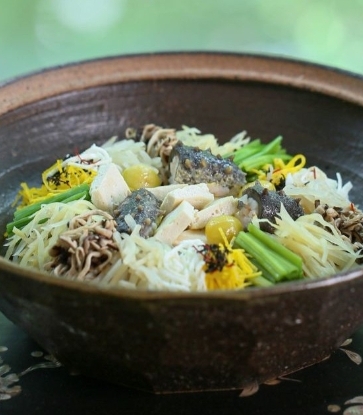
Kim’s philosophy deepened further around five years ago, during a period when his daughter was undergoing hospital treatment. Faced with the limited options available in hospital food courts, he found himself asking a simple but urgent question: "What is something that anyone can eat comfortably?" That question led him toward the world of temple cuisine.At Jingwansa Temple on Mount Bukhansan, he observed that depth could be achieved without excess. The chef noted how temple food is remarkably nourishing and layered even without meat and “the pungent aromatics” — namely garlic, onion, leek and other ingredients that are commonly used in Korean cuisine but are traditionally excluded in Buddhist meals as they are believed to disturb balance and meditation.
He went on to study temple cuisine across Korea, as well as in Japan and China. That exploration eventually led to Bium, a vegan restaurant rooted in Buddhist culinary philosophy, which was selected by The MICHELIN Guide just six months after opening. In temple food, restraint and balance are not limitations but amplifiers — creating space for fermented flavors to resonate more clearly. That sensibility, in turn, feeds directly back into the cooking at 7th Door, according to the chef.
EXPLORE MORE: South Korean Spots Serving Vegetable-Forward Dishes
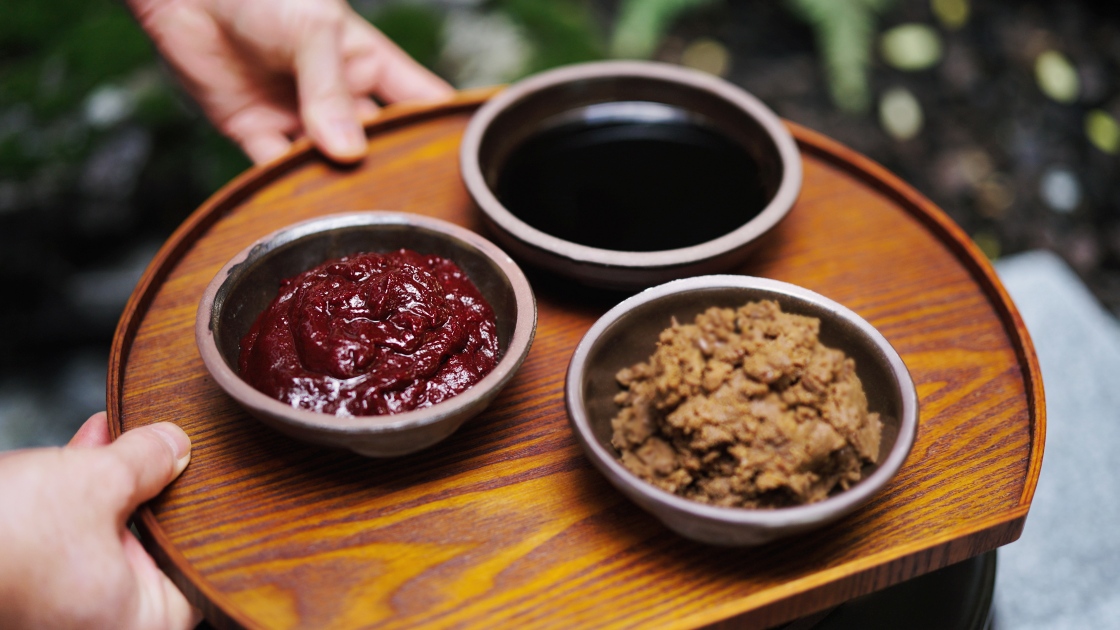
Through this journey, Kim came to understand time as the decisive force behind flavor. “Taste isn’t determined in the act of cooking,” he explains. “It’s shaped by the life an ingredient has already lived. Only when enzymes are given enough time to work can an ingredient reach its most natural, gentle state. That’s when cooking truly begins to matter.”
Fermentation, for him, is not simply a method but a structural principle of Korean cuisine. “That softness and mildness,” he says, “is what defines high-quality ingredients.” The textures and depth created through fermentation underpin every dish at 7th Door.
Laughing, he describes himself as “someone who’s a little obsessed with fermentation,” before adding, “Fermentation is simply my life. Wherever I go, whatever I eat, I see fermentation at work.” He explains Korean flavor through a layered philosophy: the five basic tastes plus a sixth taste formed through fermentation and aging, and finally a seventh — the human element. “The ‘7th Door,’” he says, “is ultimately the person.”
READ MORE: Jeong Kwan’s Temple Recipe for the Most Delicate Seaweed of Them All
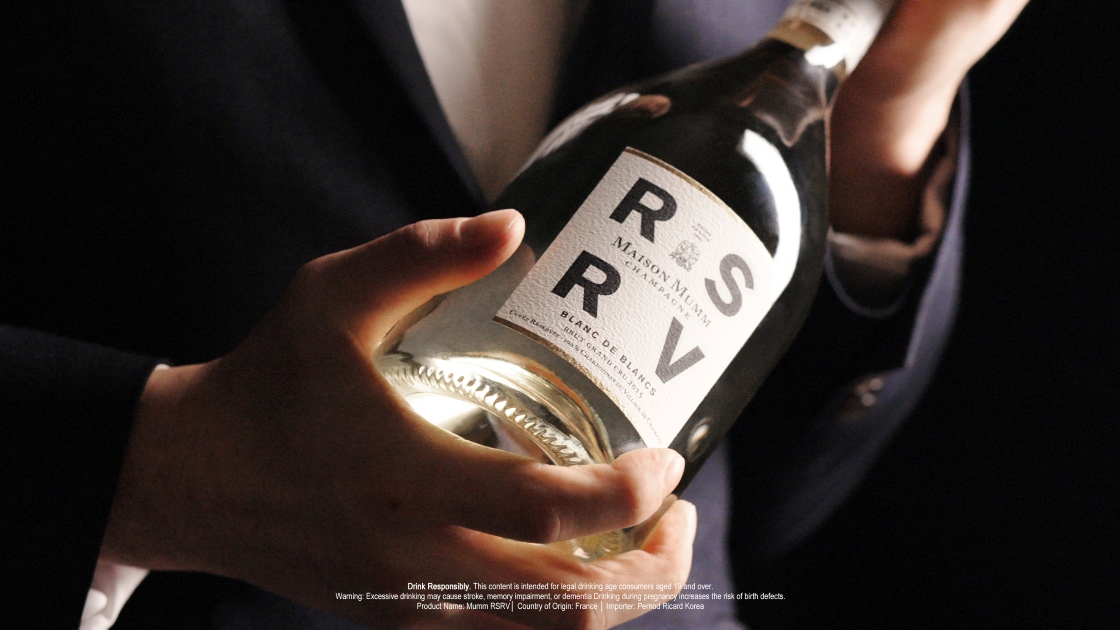
Quietly bottled luxury
Kim’s understanding of fermentation naturally extends into the world of wine. “Just as winemakers adapt each year to changing conditions, fermented foods follow the same principle,” he says. That shared logic shaped his first encounter with RSRV Champagne.
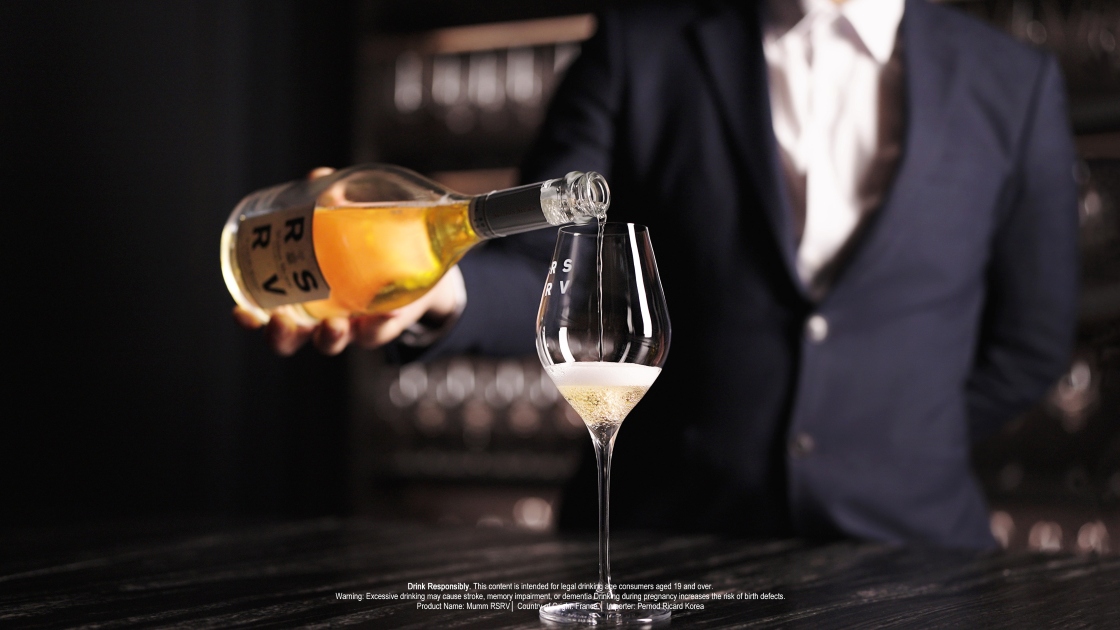
At a MICHELIN Guide event, he tasted RSRV and immediately suggested adding the brand to 7th Door’s wine list to his sommelier.
RSRV is the private Grand Cru collection of Maison Mumm. Founded in 1827, it's a line shaped by nearly two centuries of winemaking heritage. Historically, cellar masters would set aside exceptional vintages for the house’s most esteemed guests, marking the bottles by hand with the initials “RSRV” for réservé. That tradition continues today, with RSRV produced only in limited quantities.
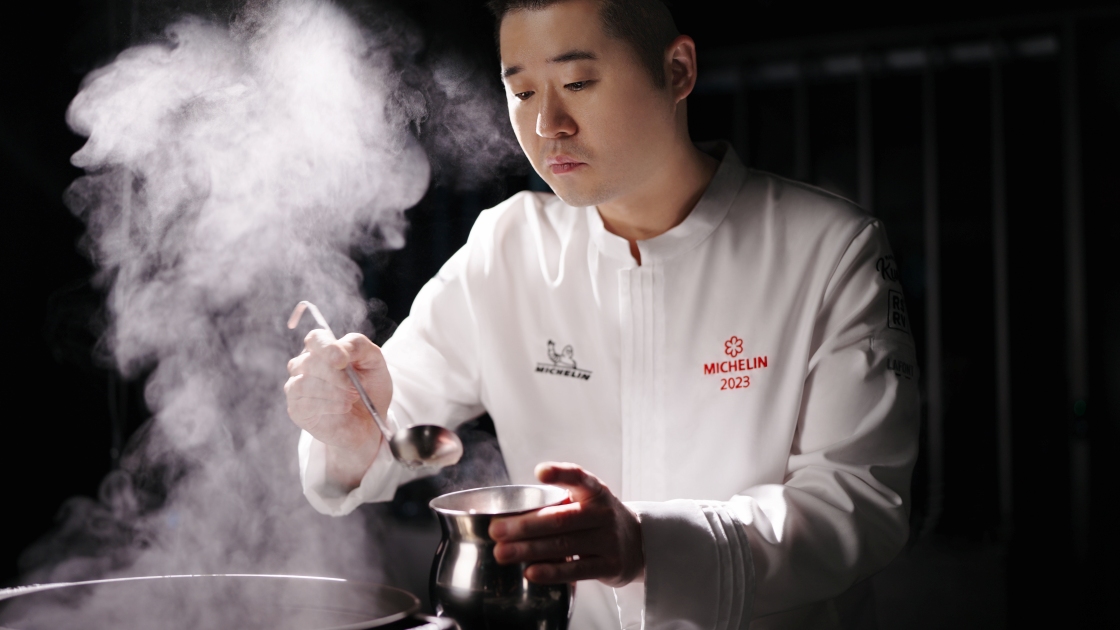
As Kim notes, the craftsmanship and layered maturity found in fermentation mirror the world RSRV inhabits. Like the slow concentration within Korean earthenware jars, RSRV Champagne represents a quiet luxury shaped by time, terroir and patience. Within a single glass, the climate, soil and winds of Grand Cru vineyards are gradually distilled and refined further through extended aging in bottles. “Both Korean jang and RSRV Champagne,” he says, “are ultimately about the density of time.”
Where the terroir of sea meets land
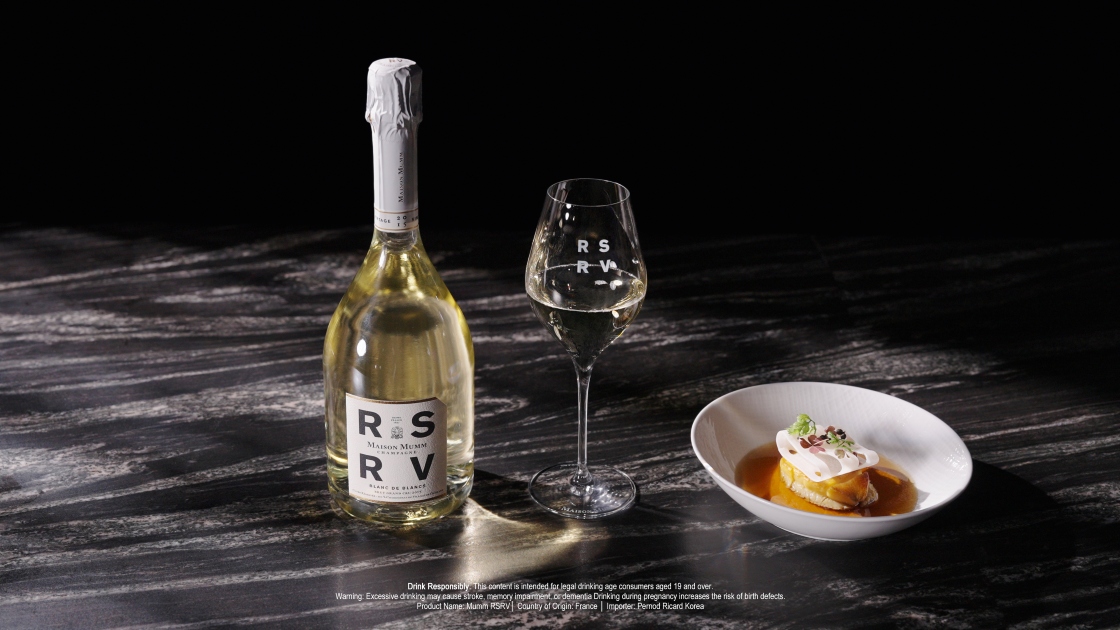
RSRV Blanc de Blancs 2015 is made from Chardonnay harvested in Cramant, a Grand Cru village in the Côte des Blancs. Its vivid acidity, saline minerality and precise structure immediately brought one ingredient to Kim’s mind: abalone from Wando, an island off the southern tip of South Jeolla Province, Korea, that is renowned for its fresh seafood.
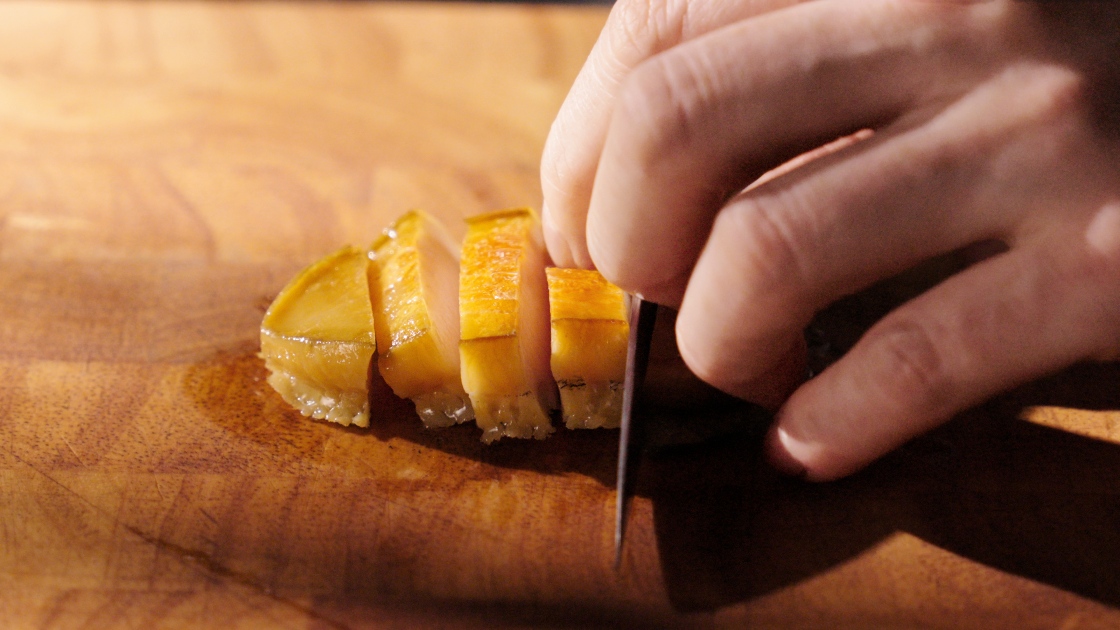
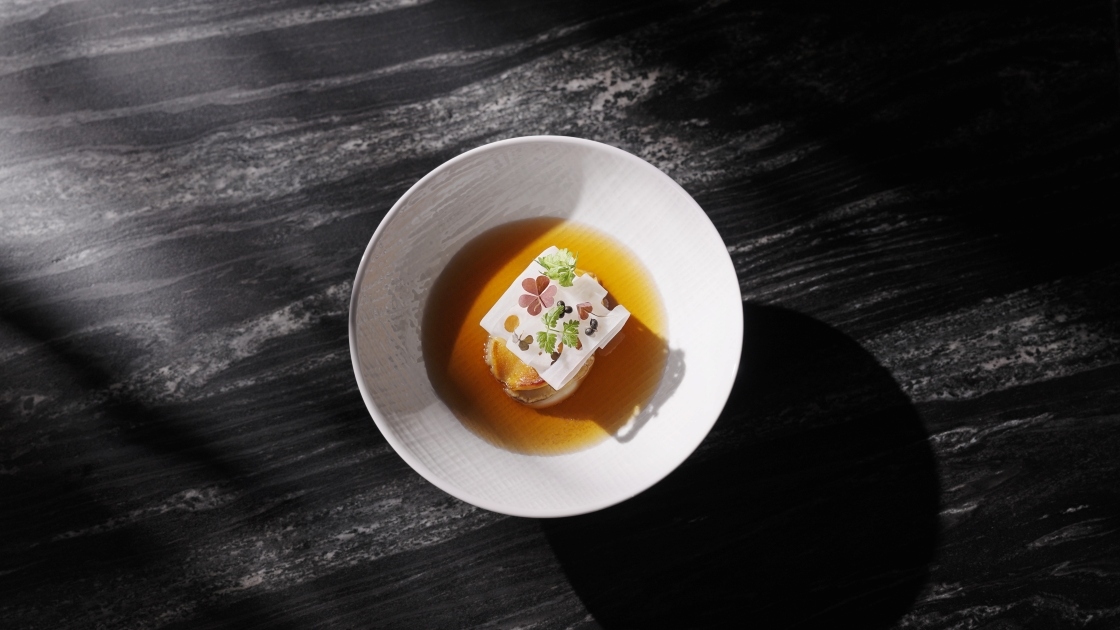
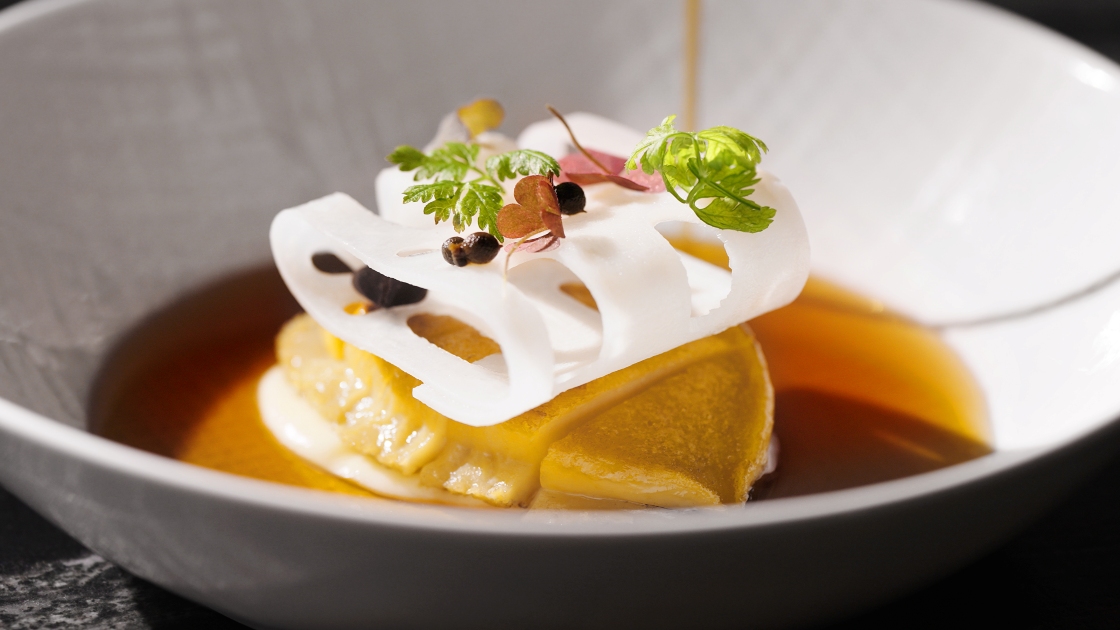
“I once harvested abalone there myself,” he recalls. “Seeing them feed on kelp and sea mustard left a deep impression.” He describes this ecological relationship as the terroir of the sea. At 7th Door, abalone is prepared to preserve that natural order. Live Wando abalone is wrapped in kelp and radish, then gently steamed for three hours to relax its fibers and draw out its natural sweetness.
Kim then finishes it on the grill to add aromatic depth. The final element is a sauce made from kelp stock and 7th Door’s house-made Joseon-style soy sauce — a combination he says “lifts the oceanic character of the abalone in the most natural way.”
That soy sauce, he explains, is itself an expression of land-based terroir. Beans, grains, sunlight, wind, salt and time converge in earthenware jars, slowly breaking down and concentrating flavor. In contrast, RSRV Blanc de Blancs 2015 — shaped by limestone soils — offers clarity and minerality that refine the abalone’s umami and seaweed notes, extending the finish with elegance. “When paired with seafood,” he says, “it makes those lingering marine aromas cleaner, brighter and more expressive.”
When three timelines converge
Abalone, fermentation and wine each carry their own pace — shaped by weeks byin the sea, months in jars and years in vineyards and bottles. Brought together at the table, they give form to what Kim calls the “density of time."READ MORE: Hunting for Flavors at Evett — in the Kitchen and Beyond
“Our goal,” he says, “is to translate fermentation methods that have existed for thousands of years into something more objective and accessible today.” His vision is now expanding beyond Korea. In 2026, Kim plans to open a new restaurant in Hangzhou, China, where he will work with local ingredients paired with fermentation sauces made in Korea. The time spent before jang jars at home, combined with new climates, humidity and raw materials, will shape yet another expression of time.
Where 7th Door and RSRV meet, the pairing goes beyond food and Champagne. It becomes a convergence of land and sea, fermentation and aging, nature and human hands. As Kim puts it, “The meeting of fermented food and fermented wine is almost inevitable. We’re both working with time — just in different ways.”