09 January 2026

Share


In 2025, South Korea reached a historic milestone when Légume became Asia’s first MICHELIN-Starred vegan restaurant — a moment that signaled not just the rise of plant-based fine dining, but a broader reappraisal of vegetables at the highest level of gastronomy.
Yet while the modern language of veganism and vegetarianism may feel new, Korea’s relationship with plant-forward cooking runs far deeper. Long before global conversations around sustainability and ethics, Korean cuisine was shaped by Buddhist temple traditions that emphasized seasonality, restraint and the natural expression of vegetables.
Temple cuisine — free from meat, fish, garlic and pungent alliums — has quietly influenced Korean food culture for centuries. One of the clearest contemporary expressions of this lineage can be found at Bium, newly added to The MICHELIN Guide selection, where monastic principles are translated into a refined, modern dining experience.
This deep-rooted heritage is reflected not only in ritual cuisine, but in everyday Korean meals. Korea consistently ranks among the world’s highest countries for per capita vegetable consumption, driven by a food culture built around abundance rather than substitution. From fermented staples like kimchi to an ever-changing array of seasoned greens, vegetables are not an alternative — they are the foundation.
Namul, lightly seasoned greens often served in generous portions, play a central role, while kimchi, prepared in vast quantities during the annual gimjang (making large quantities of kimchi), delivers fiber, vitamins and probiotics year-round. The culture of banchan — multiple vegetable side dishes accompanying nearly every meal — further amplifies daily intake. Studies suggest that vegetable consumption in Korea often exceeds 400 grams per day, meeting or surpassing recommended dietary guidelines, with intake continuing to rise as more meals are eaten outside the home.
As many diners look to start the year with more balance at the table, Korea’s long-standing vegetable-forward traditions offer a natural place to begin. Here are nine options around Seoul and Busan.
READ MORE: Gimjang: Ain’t No Party Like a Winter Kimchi Party

ALT.a
Bib GourmandVegan
Seoul
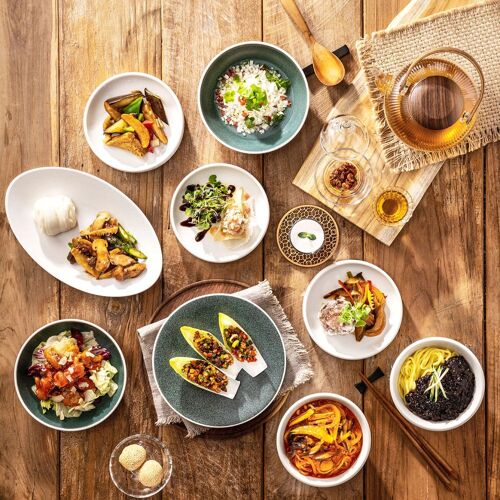
ALT.a’s kitchen draws inspiration from Altist, the U.S. plant-forward concept, adapting that philosophy to local tastes and Korean-style Chinese comfort foods. Recognized with a Bib Gourmand, ALT.a shows how playful reinterpretations of familiar dishes can expand what plant-based dining means in Korea’s casual dining scene.
ALT.a is a lively Korean-style Chinese restaurant that reinterprets classic favorites through a 100% plant-based lens. Rather than serving cuisine that imitates vegan food, the kitchen crafts Korean-Chinese staples like jjamppong (spicy noodle soup traditionally featuring an array of seafood) and tangsuyuk (batter-fried pork served with sweet and sour sauce) in ways that often surprise even meat eaters with their depth and satisfaction.
ARP
Bib GourmandVegan
Busan
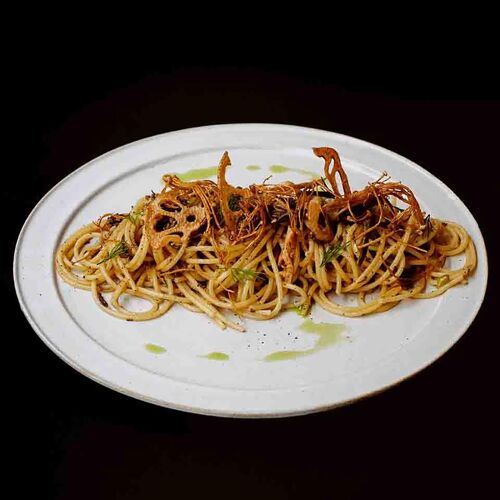
ARP’s name is an acronym for “Around Plants,” and this restaurant located in the southern port city of Busan lives up to this ethos with a 100% vegan menu that celebrates the versatility and possibilities of plant-based cuisine. Rather than relying on imitation meat alone, ARP emphasizes depth of flavor and texture across a range of dishes, often challenging diners’ expectations of what vegan food can be.
Highlights include the signature bracken pasta, which combines dried bracken and mushrooms for a chewy texture and rich umami, and housemade vegan cheese crafted from coconut oil that closely resembles its dairy counterpart. The menu also pairs its vegetable-led plates with house-made rice wine, adding a local touch that enhances the dining experience.
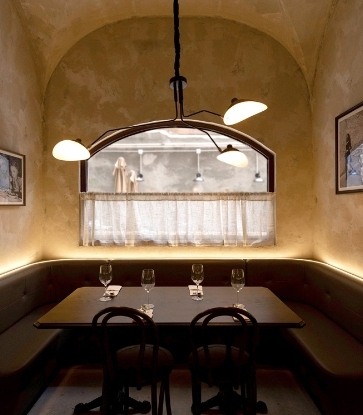
Recognized with a Bib Gourmand for offering good quality and value, ARP’s elegant yet approachable space reflects a thoughtful vision of plant-centered dining that reaches beyond novelty to genuine comfort and creativity.
Base is nice
Bib GourmandVegetarian
Seoul
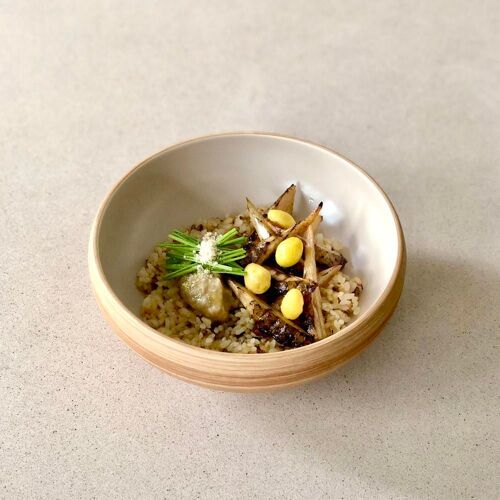
Base is nice takes an everyday approach to vegetarian cooking, building menus around familiar vegetables prepared with restraint and care. Chef Jang Jinah has spoken about her fascination with what she calls the “infinite charm of ordinary vegetables,” noting that even the most common ingredients can reveal new dimensions through subtle changes in timing, temperature or seasoning.
Jang's cooking resists spectacle, allowing vegetables to remain recognizable while gently shifting how they are perceived. Recognized with a Bib Gourmand, Base is nice offers a calm, thoughtful dining experience that reflects a broader philosophy: that vegetable-forward meals need not announce themselves as such, but can simply become part of a satisfying, everyday table.
READ MORE: Base Is Nice’s Jang Jinah on the Infinite Charm of Ordinary Vegetables
Bium
VeganSeoul
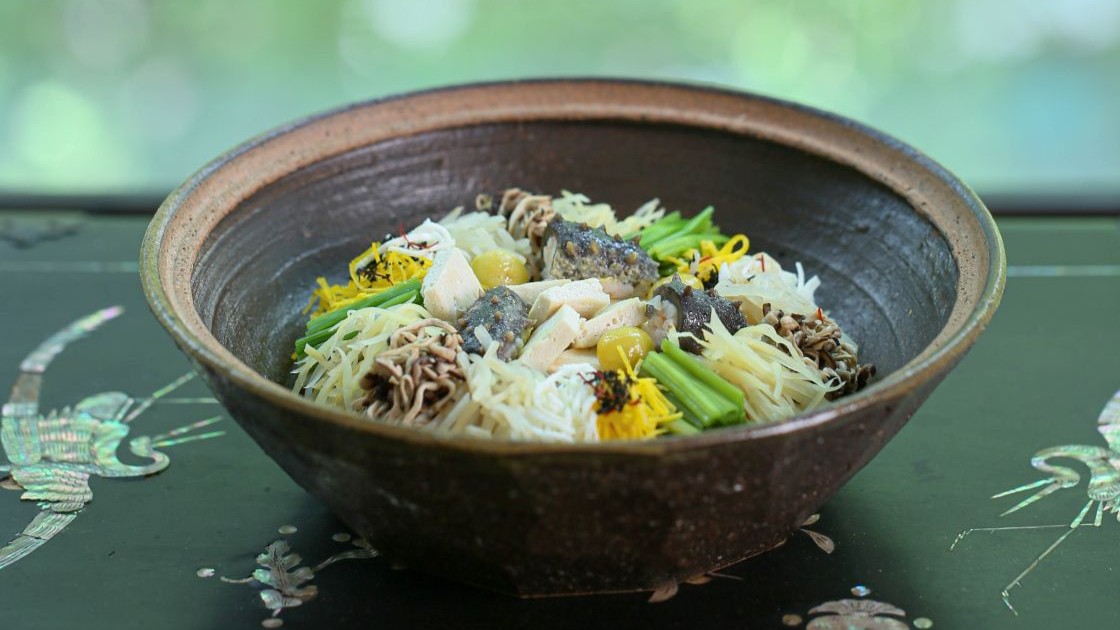
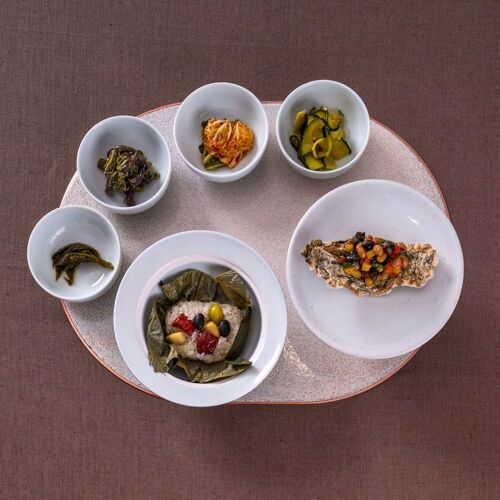
Bium draws directly from Korea’s Buddhist temple food traditions, offering a refined interpretation of plant-based cuisine rooted in history and fermentation. The restaurant serves dishes free from meat, fish, garlic and onion, in keeping with monastic principles.
Founded by Chef Kim Dae-chun — also behind the One-MICHELIN-Starred 7th Door — Bium emerged from years of personal exploration into temple cuisine across Korea, Japan and China. Inspired particularly by the food of Jinkwansa Temple, Kim sought to continue a culinary lineage once associated with monks and even kings.
The influence of temple food extends into his broader cooking philosophy, prioritizing dishes that digest well and leave diners feeling nourished. At Bium, fermentation is not a trend but a continuation of tradition.
READ MORE: The First Day We Got Our Star: 7th Door’s Kim Dae-chun
Gosari Express
VeganSeoul
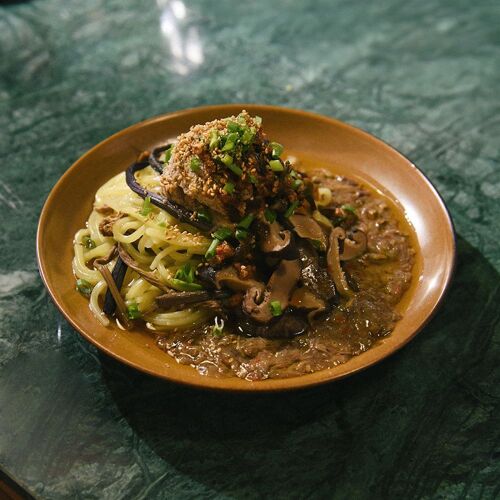
Gosari Express brings a playful, flavor-forward sensibility to vegan dining with an emphasis on its namesake ingredient, gosari, or fernbrake, and bold, vegetable-led combinations. Located in Sindang-dong’s Jungang Market, the restaurant channels the energy of everyday Korean streetside food into plant-based creations that feel both familiar and adventurous.
Menu highlights include bibim noodles (cold noodles mixed with vegetables) tossed with nutty perilla seed powder and spicy vegetable oil, as well as a Taiwanese-style pancake crowned with sweet and tangy gosari chili sauce — dishes that balance texture, heat and umami without relying on animal products.
By centering its cooking on approachable ingredients and lively combinations, Gosari Express shows how vegan food can be both everyday and expressive — appealing to a wide range of diners while honoring local flavors and formats. Be sure to queue early, as this popular spot closes its waiting list as early as 7pm on a weekday.

Légume
One MICHELIN StarVegan
Seoul
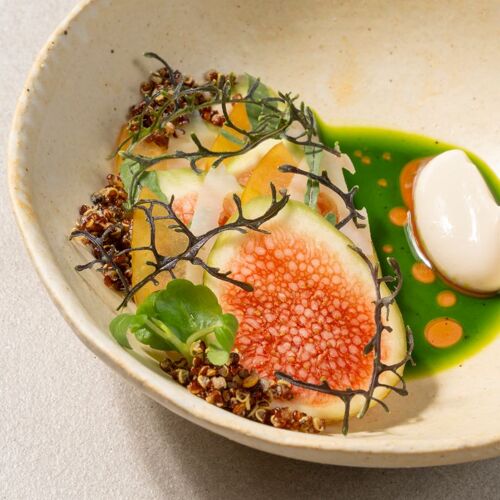
Rather than positioning vegan cuisine as a limitation, Légume reframes it as a creative discipline — one rooted in technique, terroir and seasonality.
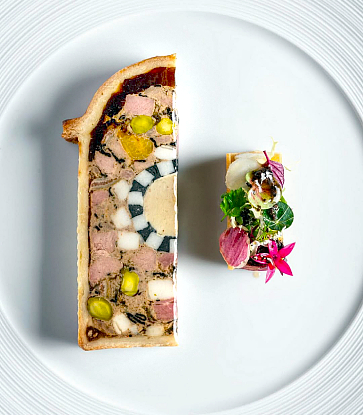
Chef Sung Si-woo’s cooking, honed in French as head chef of the Two-MICHELIN-Starred Soigné, demonstrates how vegetables can command the same precision, depth and narrative power as any meat-centric tasting menu. Its MICHELIN Star marked not just a first for Korea, but a broader shift in how plant-based fine dining is perceived across Asia.
Diners can choose between a wine pairing or a thoughtfully curated tea pairing, each designed to mirror the menu’s pacing and highlight the natural character of the ingredients. Dishes unfold with the narrative clarity of fine dining, challenging long-held assumptions about what vegan cuisine can achieve at the highest level.
Plant-friendly picks
- A Flower Blossom on the Rice (Seoul) - Vegan course and vegan main dishes
- Bibijae (Busan) - Tofu bibimbap (mixed rice with assorted vegetables)
- Hwanggum Kongbat (Seoul) - Fresh, house-made tofu and many vegetarian dishes