25 September 2025


Share


On Thursday, September 25, we announced the full selection in The MICHELIN Guide Tokyo 2026, the 19th edition for the city. This year, the Japanese restaurant Myojaku has been promoted from Two to Three MICHELIN Stars. Nishiazabu Sushi Shin, Hakuun, and Ensui have each been promoted from One to Two MICHELIN Stars, while 14 restaurants have been newly awarded One MICHELIN Star. With a wide range of categories represented, Tokyo remains a city where gastronomy can be experienced in both depth and diversity. Restaurants offering dedicated dessert courses have also been selected, now totaling six.
The Mentor Chef Award honors Kenjiro Kanemoto, fifth-generation owner of the One-MICHELIN-Starred eel restaurant Nodaiwa Azabu Iikura Honten, who at 97-years-old is the world’s oldest active MICHELIN-recognized chef. The Service Award goes to Yasuyo Kumagae of Piao-Xiang, and the Sommelier Award is presented to Tsuyoshi Nakamura of MANOIR, recognizing their pursuit and dedication to excellence in their fields.
“Tokyo is a city where centuries of culinary tradition meet bold innovation,” says Gwendal Poullennec, International Director of The MICHELIN Guide. “From sushi crafted with Edo-period techniques, to kaiseki that reflects the seasons and culture of Japan, to world cuisines reinterpreted with Japanese flavors and skills, this year’s selection once again captures the extraordinary depth of this metropolis. With the highest number of MICHELIN-Starred restaurants in the world, Tokyo continues to inspire food lovers with its mastery, creativity and the emotional power of its cuisine.
Once again, Tokyo continues to set the global standard for gastronomy, with a dining culture that is as exciting as it is dynamic. Discover its exciting and ever-evolving dining scene in the latest selection.
MICHELIN Guide Tokyo 2026 at a glance
Total selection: 526 restaurants
- Three MICHELIN Stars: 12 (including one promoted)
- Two MICHELIN Stars: 26 (including three promoted)
- One MICHELIN Star: 122 (including three promoted, 11 newly awarded)
- MICHELIN Green Star: 13 (including one new)
- MICHELIN-Selected restaurants: 252 (including 38 newly listed)
- Bib Gourmand: 114 (including 16 newly listed)
Starred Restaurants
Eighteen new Starred restaurants have joined the selection. Here is an introduction to them.Myojaku
Three MICHELIN Stars / Japanese, Promoted
Chef Hidetoshi Nakamura pursues harmony, subtlety and purity. He speaks of leaving a “trace of memory in the water,” drawing on submarine spring water in his seasoning. His dishes embody the spirit of sabi, evoking a quiet gratitude toward the natural world.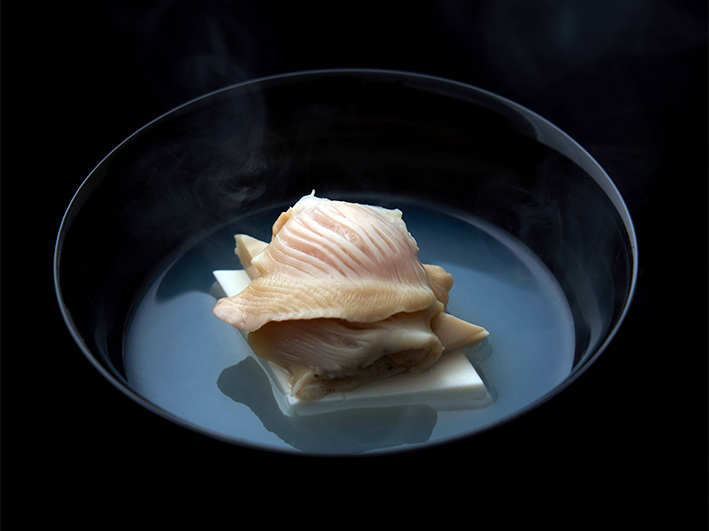
Nishiazabu Sushi Shin
Two MICHELIN Stars / Sushi, Promoted
The techniques displayed in each piece are the result of daily discipline. With a single-edged knife, the chef slices, presses and inserts hidden cuts. Each sushi crafted by Shintaro Suzuki, imbued with his full spirit, captivates his guests.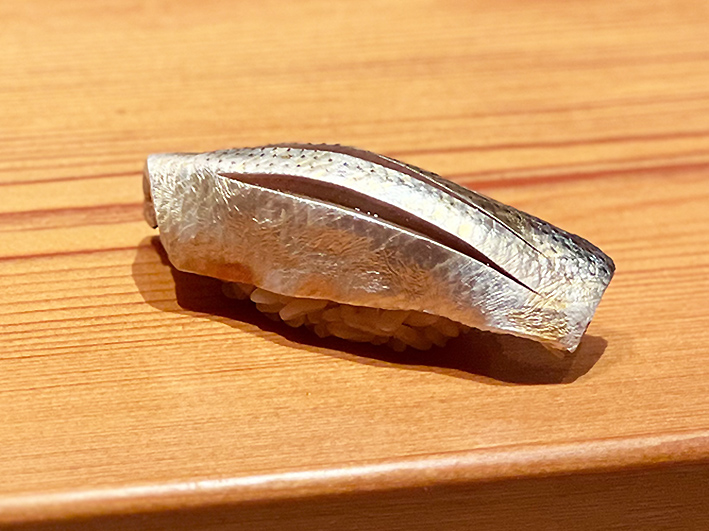
Hakuun
Two MICHELIN Stars / Japanese, Promoted
True to its Zen-inspired name, the restaurant faces Japanese cuisine with a natural, cloud-like ease. With careful attention to aroma and temperature, it shows individuality and skill through dashi (stock) made from bonito freshly shaved before guests, and beef and game seared over straw on a charcoal fire.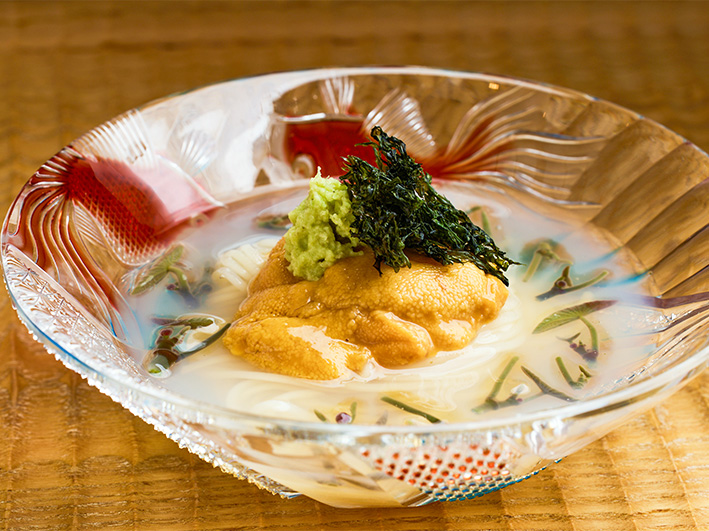
Ensui
Two MICHELIN Stars / Japanese, Promoted
Interpreting fire and water as the origins of Japanese cuisine, Ensui takes spring water from Kagoshima, aged kombu and katsuobushi (dried, smoked skipjack tuna flakes) to draw its dashi, pairing it with ingredients infused with the aroma of charcoal. The chef’s daily discipline brings the broth and ingredients into perfect harmony.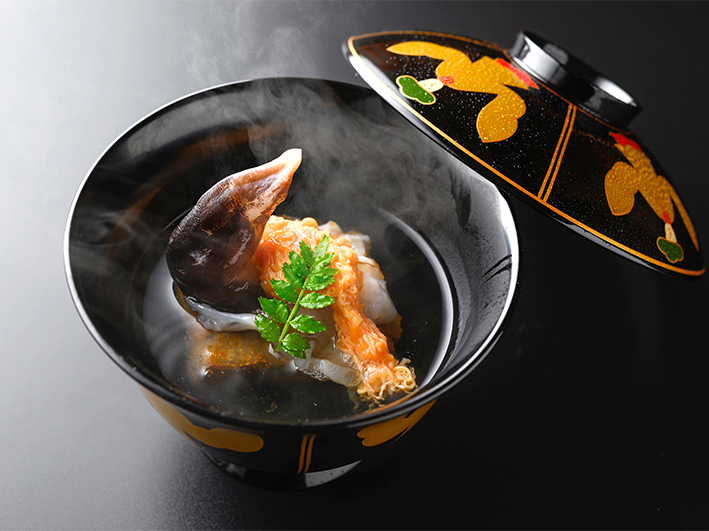
Sushi Yuki
One MICHELIN Star / Sushi, Promoted
With a white-themed interior and a hinoki (Japanese cypress) counter, the setting conveys dignified beauty. The vinegared rice, pure white and cooked in a hagama (traditional iron pot), has a pronounced acidity and presence, while its flowing form reflects lineage.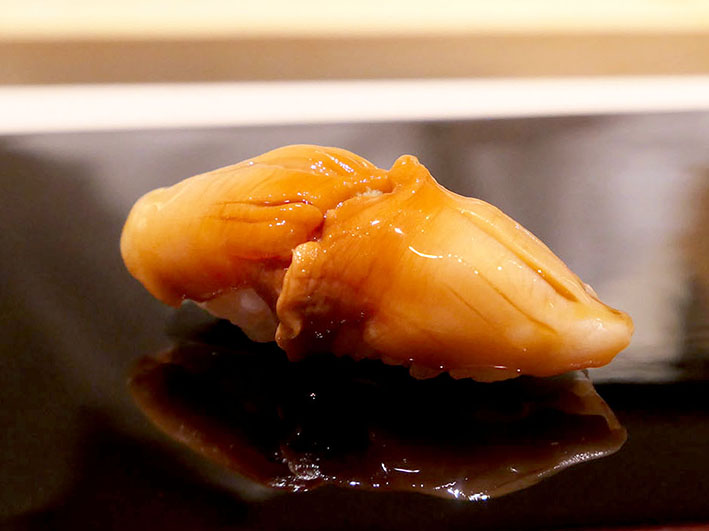
KIBUN
One MICHELIN Star / Contemporary, Promoted
The chef, originally from France, trained at a Kyoto ryotei to learn Japanese technique and culture. The first half of the course reflects Japanese cuisine with dishes such as bo-zushi (Kansai-style pressed sushi), while the latter shifts to French, with sauces at the core. His journey between the two traditions is expressed in a distinctive style.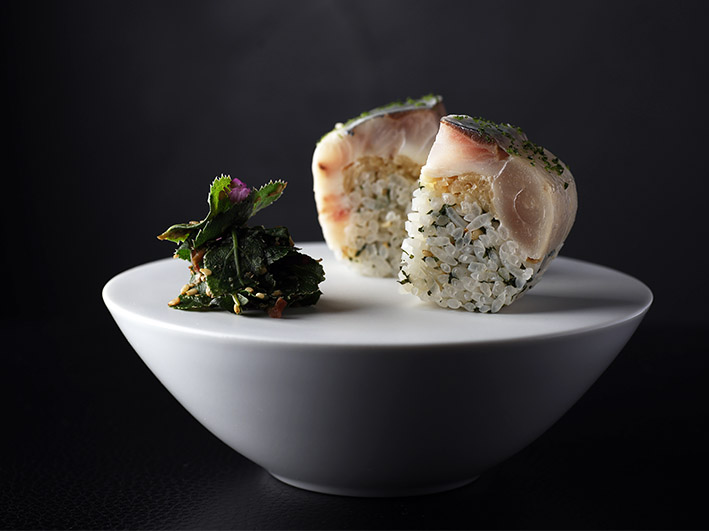
Sushi Miura
One MICHELIN Star / Sushi, Promoted
Sit down at the counter, and the calligraphy on the wall catches the eye. A gift from the chef’s mentor, it reads “Jikishin,” meaning “true heart,” a Zen exhortation to disengage from worldly attachments and maintain a pure spirit unsullied by petty distractions. The omakase set menu begins with items reflecting the chef’s experience with Kyoto cuisine, then proceeds to sushi. The beguiling texture of the sushi rice, which leaves a lingering sweetness, derives from a combination of rice from both this year’s and last year’s harvests. Sushi here is molded with unwavering conviction and an honest heart.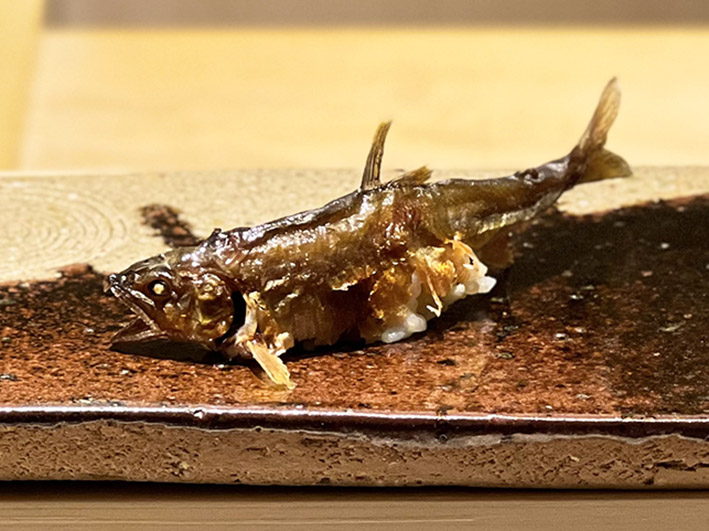
Sassa
One MICHELIN Star / Japanese, New
The chef carries the sensibility honed as a sushi craftsman into kaiseki (traditional multi-course cuisine), expressed in dishes such as simmered abalone risotto and thinly sliced tuna. The rice is prepared in sushi style with minimal water, allowing its flavor to unfold gradually as it is chewed.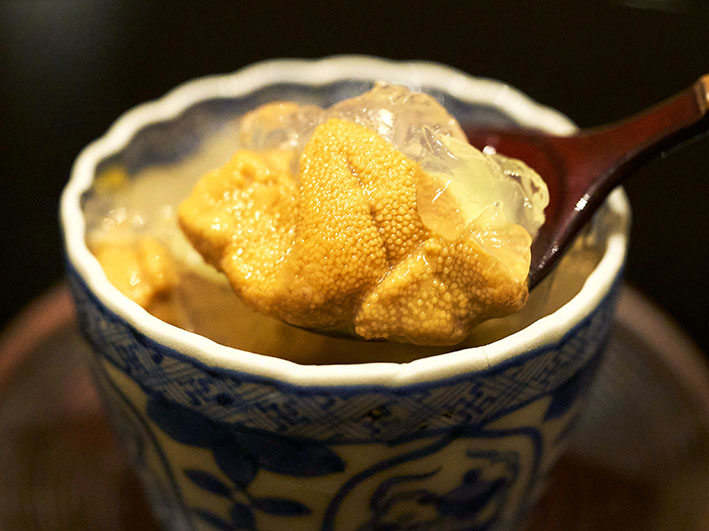
MANOIR
One MICHELIN Star / French, New
Named for its English manor–style interior, the restaurant is run by an owner-sommelier who welcomes guests with warmth. The chef pursues a light touch in French cuisine, complemented by game sourced from hunters across Japan and paired with French wines.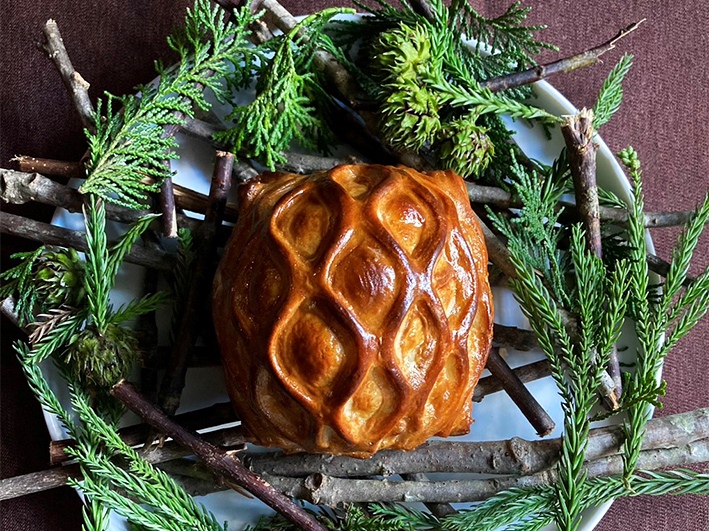
Sushi Oya
One MICHELIN Star / Sushi, New
Born and raised overseas, the chef became a sushi craftsman to embrace Japanese tradition and culture. The sushi moves from delicate to richer flavors, using both white and red vinegared rice. Squid is seasoned with birch sap brine and anago (saltwater eel) with a reduction of herbal liqueur, opening new paths for modern sushi.
Takumi Tatsuhiro
One MICHELIN Star / Sushi, New
The meal alternates between tsumami (small bites) and nigiri, with sardine wrapped in nori as a signature appetizer. Sushi includes young sea bream dusted with oboro (soft crumbled topping of egg or fish) and lean tuna accented with mustard. Measuring the rhythm with guests, the chef’s graceful movements live up to the name — a true takumi (master craftsman) of sushi.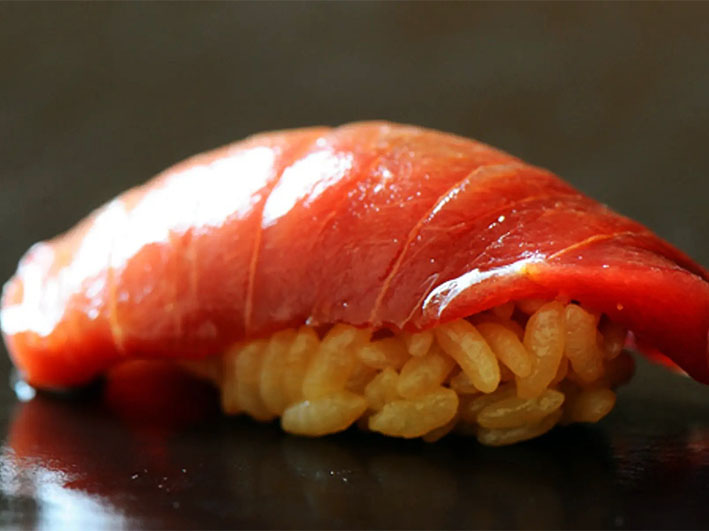
Hyakuyaku by Tokuyamazushi
One MICHELIN Star / Japanese, New
Supervised by a chef from Shiga, the restaurant incorporates the flavors of fermentation into kaiseki, carrying on ancient food traditions. Funazushi (fermented sushi) from Ōmi, a local specialty, is indispensable to the menu. In winter, game dishes such as bear hotpot mark the season.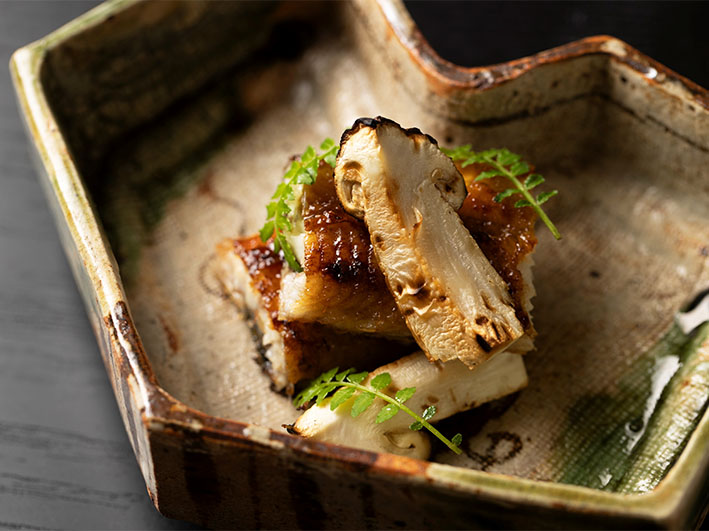
KHAO
One MICHELIN Star / Thai, New
Using Japanese ingredients to express Thai food culture, the couple behind KHAO present dishes cultivated during their time in Bangkok, such as pomelo and seafood salad or stir-fried rice noodles. Curries are made with freshly pressed coconut milk. Their passion and curiosity for Thai cuisine shines through in every dish.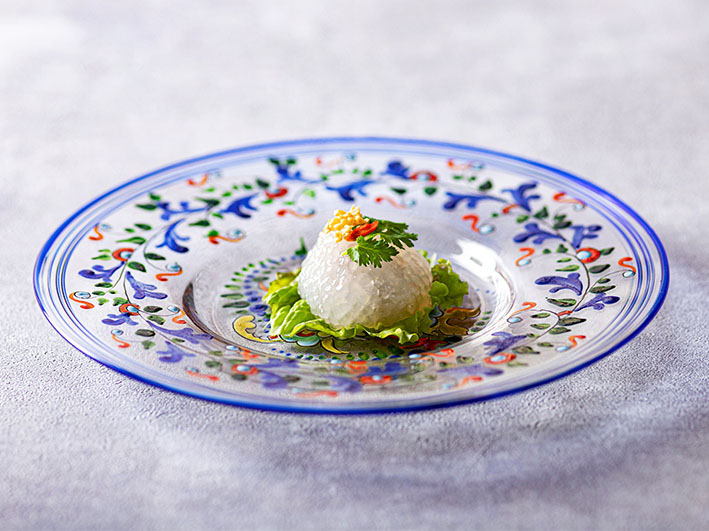
Akasaka Shimabukuro
One MICHELIN Star / Japanese, New
Guided by the motto “Food is made by being good to people,” the chef pursues his cuisine with gratitude for those he has met. The calligraphy of “Goen” (meaning bond) on the wall reflects his spirit of sincerity.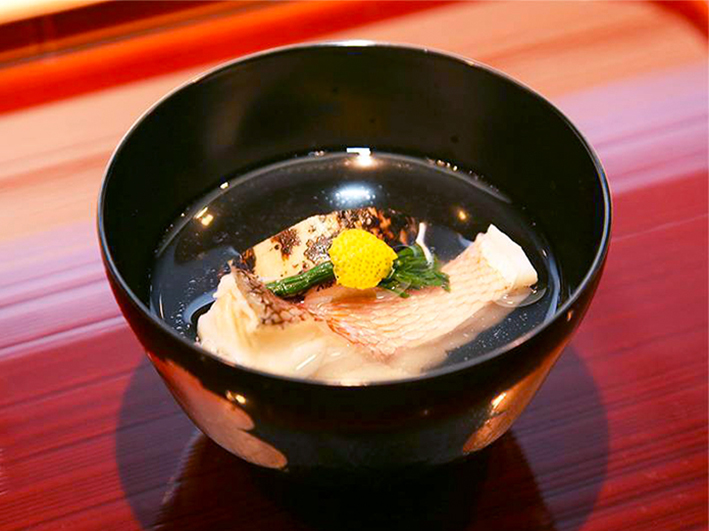
EWIG
One MICHELIN Star / Austrian, New
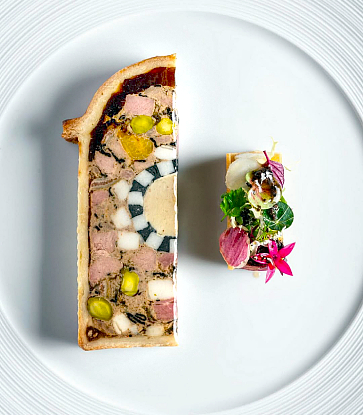
At EWIG, the Austrian-trained reinterprets traditional dishes, such as foie gras terrine paired with cacao and jam inspired by sachertorte, one of Vienna’s most iconic desserts.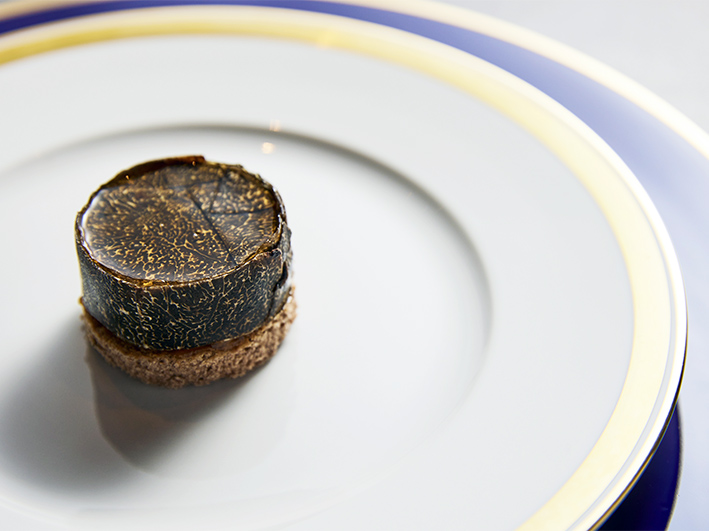
Sushi Tanaka
One MICHELIN Star / Sushi, New
Seafood, salt, soy sauce and sake are sourced from Kumamoto, reflecting a natural balance of sea and land. The vinegared rice combines batches cooked separately with red and rice vinegar, ensuring it suits every topping. Sushi here reminds diners that the dish is a cuisine of rice at its heart.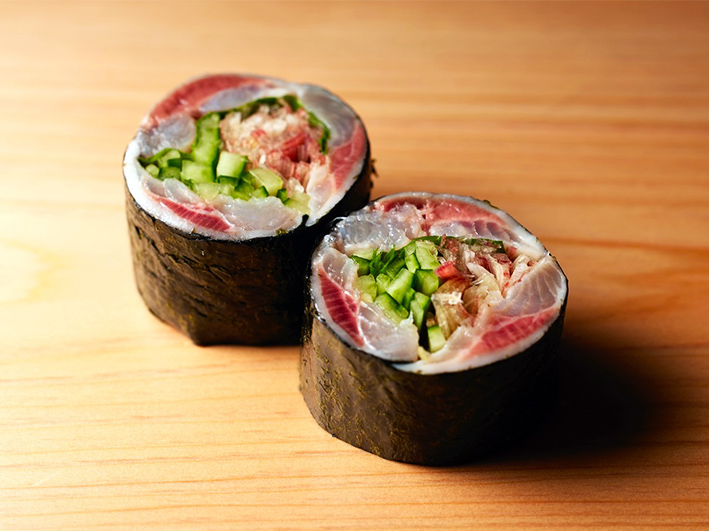
mærge
One MICHELIN Star / French, New
The name, coined from the French word for “frame” or “margin” and the English “merge,” embodies the restaurant’s concept: bringing people, things and ideas from around the world together within the restaurant framework. Traditional French techniques are fused with contemporary sensibilities, creating a cuisine that reflects both heritage and modernity.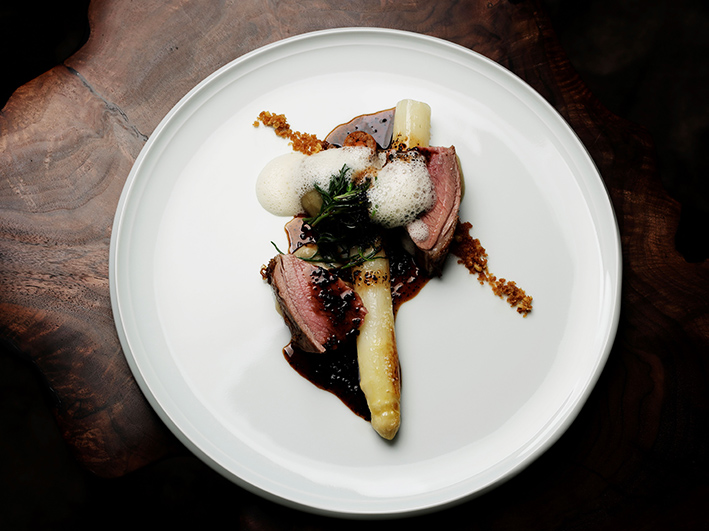
La Gloire
One MICHELIN Star / French, New
The restaurant’s name, meaning “glory,” resonates with photos of Versailles Palace adorning the walls. The chef honors French cuisine rooted in courtly tradition, blending classic and modern styles to express the present.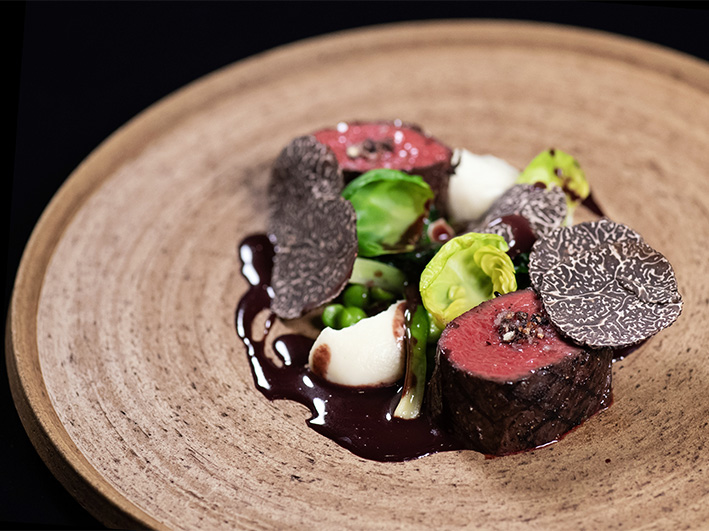
MICHELIN Green Star
This year, TROIS VISAGES has been newly recognized with a MICHELIN Green Star.TROIS VISAGES
One MICHELIN Star / French, MICHELIN Green Star
The restaurant draws on vegetables and herbs from its own farm, cultivated by natural methods, with trimmings composted back into the garden. Hens past their laying years and surplus whey are also cooked, reducing food waste.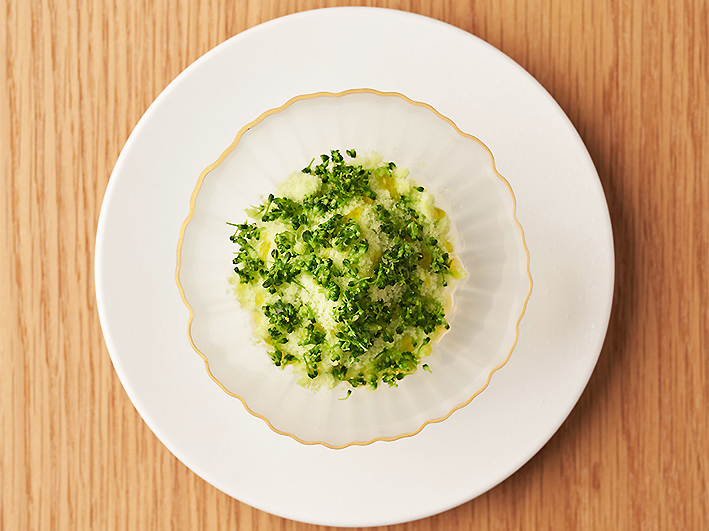
Special Awards
Mentor Chef Award
Nodaiwa Azabu Iikura Honten — Kenjiro Kanemoto, fifth-generation owner
The MICHELIN Mentor Chef Award is presented to chefs whose work and career serve as a model for others. It honors those who dedicate themselves to nurturing the next generation, offering guidance with passion and contributing to the advancement of the restaurant industry.
At 97-years-old, Kenjiro Kanemoto still stands behind the counter as an active unagi (freshwater eel) craftsman, upholding the legacy of his family’s historic restaurant as its fifth-generation owner. In the kitchen, he passes on his skills to young chefs, as well as to his son and grandson. In the dining room, he actively engages with guests, ensuring the culture of eel continues to flourish. He has also expanded abroad, opening a sister restaurant in Paris to share the appeal of unagi with the world. With a lifelong commitment to being active in his craft, preserving tradition while embracing innovation, KenjiroKanemoto’s career exemplifies what it means to be a true mentor chef.
Sommelier Award
MANOIR — Tsuyoshi Nakamura, manager and sommelier
The MICHELIN Sommelier Award is presented to specialists who demonstrate outstanding wine knowledge and service skills, with deep expertise in pairing wine and food and offering precise advice to guests. Their role is to make every dining experience truly memorable through wine.
Tsuyoshi Nakamura selects wines by intuitively sensing guests’ preferences, creating a comfortable atmosphere with his skillful storytelling. Rooted in his childhood in Yamanashi’s natural surroundings, he first aspired to be a chef before training at the Tsuji Culinary Institute in France, eventually turning to service. With a wide range of experience, he has built his philosophy on the classic pairing of French cuisine with French wines. His unwavering focus on French vintages and passion for both wine and service define his approach as a sommelier.
Service Award
Piao-Xiang — Yasuyo Kumagae, general manager
The MICHELIN Service Award is presented to staff who excel in hospitality, creating comfort for guests and ensuring that each dining experience feels truly special. Professional and engaging, they embody the spirit of omotenashi (wholehearted hospitality) that defines Japanese service.
Yasuyo Kumagae supports Chef Igeta while overseeing the sister restaurants in Ginza and Roppongi, leading the staff with dedication. She pays close attention to every detail of the dining experience, from the atmosphere and space to the flow of the meal. Through her fluent explanations of the dishes, she conveys the chef’s passion and the intentions behind each recipe. By engaging in warm conversation, she puts guests at ease and creates a memorable, welcoming experience.
Related Articles: