28 January 2026
Share


For Valentine’s Day, we tend to reach for the familiar: Paris, Venice, perhaps a sunlit Greek island off-season. But romance, like travel, is often richer when it veers off script. Islands, after all, are small worlds that run on their own clocks. Time softens. All roads eventually lead to the water — and to whatever has just been plucked from it.
Across our MICHELIN Guide island destinations, love unfolds in quieter, stranger, often more memorable ways: on the wide, whispering beaches of the West Frisian Islands; along Norderney’s bracing promenades, where North Sea winds sharpen both appetite and connection; and in places where ferry schedules still set the rhythm of the day. And this year brings a new pilgrimage point: PAZ, newly awarded Two MICHELIN Stars in the Faroe Islands, where hyperlocal cooking meets landscapes of moss, mist and sea.
These 17 romantic islands for couples who value mood over marble, discovery over dazzle, and where romance lives in long walks, salt air and tables worth crossing oceans for.

1. Corsica, France
Why go: For the dramatic landscapes, pristine beaches and the French and Italian flavors that meld to create a unique food scene.
MICHELIN Guide restaurants in Corsica: Home to 44 establishments, including one Two-Star restaurant, five One-Star spots and three Bib Gourmands (our Inspectors’ best-value picks).
This small Mediterranean island features some of the most dramatic landscapes of the Continent. On the northern Cap Corse you’ll find wild, untamed beauty: lush hills, winding roads that lead to empty beaches and fresh seafood pulled straight from the water. Head inland and the rugged, mountainous terrain shifts the menu to hearty meats and artisanal cheeses, a reflection of the island’s agricultural traditions. Our Inspectors recommend Finestra by Italo Bassi in the dazzling cliff town Bonifacio, and Le Charlie, south of Ajaccio, the capital, which both have a Star.
For first-timers, Corsican cuisine is a mix of French finesse and Italian warmth, shaped by the island’s arid terrain and Mediterranean bounty. Along the coast, fresh seafood like grilled sea bream, red mullet and aziminu (Corsican bouillabaisse) reign supreme, while the mountainous interior offers rich dishes like civet de sanglier (wild boar stew) and pulenda, a chestnut-flour polenta.
Corsica’s famed charcuterie, like prisuttu, coppa and figatellu, pair perfectly with local cheeses like the tangy, versatile brocciu. Sweet treats such as fiadone (Corsican cheesecake), canistrelli biscuits and chestnut-flour cakes highlight the island’s plentiful chestnuts, while myrtle liqueur and wines from places like Patrimonio or Ajaccio complement any meal. Whether savoring wild game, creamy polenta or grilled fish, every dish here tells a story of the island’s dual heritage and abundant natural larder.
Where to stay: If peace is what you’re looking for, then it doesn’t get any better than the celeb-favored, One-Key Domaine de Murtoli, where stone shepherds’ huts have been converted into relaxed villas. On one of the most beautiful — and seasonally bustling — beaches, bookmark the One-Key Casadelmar, which overhangs the water.
2. Faroe Islands, Denmark
Why go: The remote vibes, rugged views and innovative cuisine from chefs who know how to navigate the harsh landscapes.
MICHELIN Guide restaurants in the Faroe Islands: Three MICHELIN Guide-vetted spots, including one Two-Star restaurant.
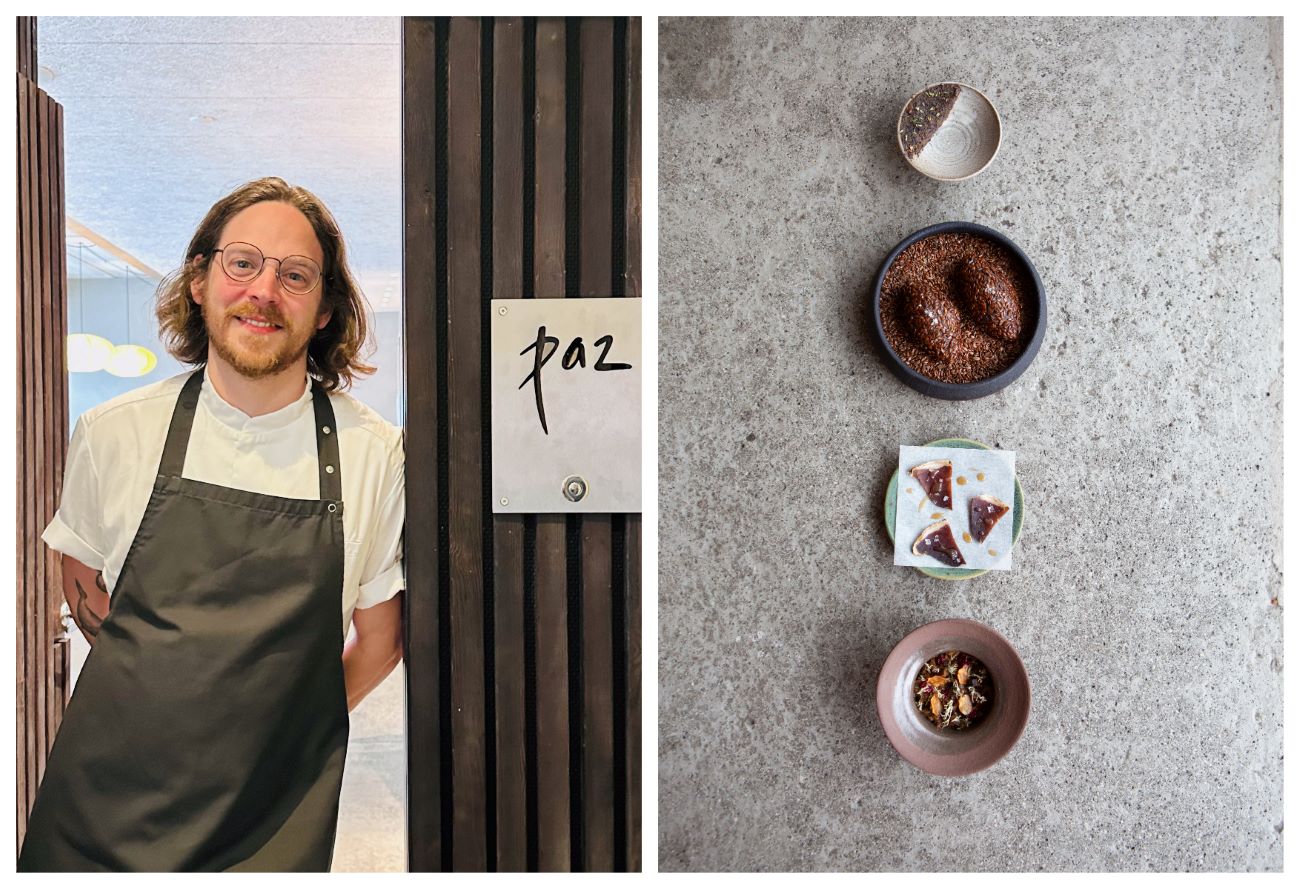
Staying in the Faroe Islands can feel like an otherworldly experience. Here, windswept landscapes meet culinary prowess like no other, putting this remote archipelago on the modern food-lover’s map. In 2026, the acclaimed restaurant KOKS from Chef Poul Andrias Ziska was reborn in a new location as PAZ, and went straight into the selection with Two MICHELIN Stars, firmly putting the isles back on the culinary map. You can also savor the flavors of the islands at top spots ROKS and Ræst, both in Tórshavn, the islands’ capital.
Expect cuisine shaped by the relentless elements — think fermented lamb, sea urchins and dried fish, all steeped in tradition yet refined with modern techniques. Here, absolute seclusion reigns: The land feels untouched, and the lack of reliable Wi-Fi only deepens the off-the-grid allure. Battling nature for every ingredient makes Faroese cooking feel more earned and distinct, with locals respecting what the land and sea provide. For those seeking solitude and unparalleled dining in a starkly beautiful setting, the Faroe Islands are a journey worth making in every sense.
Where to stay: Our hotel Inspectors are still scoping out the best stays in the Faroe Islands, but there’s no shortage of places, from coastal hideaways to more central establishments.
3. West Frisian Islands, Netherlands
Why go: Untouched natural beauty, rich wildlife and a peaceful atmosphere, paired with fresh local seafood and charming villages.
MICHELIN Guide restaurants in the West Frisian Islands: Six MICHELIN-Guide-approved spots, including a One-Star restaurant.
The West Frisian Islands have long been a hidden gem cherished by the most discerning travelers. Seemingly untouched by time, these Dutch islands boast pristine sand dunes, quiet beaches and tranquil villages, offering a sanctuary for those seeking solitude. Nature enthusiasts are drawn to the sprawling wetlands, abundant wildlife and endless cycling paths that weave through coastal dunes and farmlands. Now, as their serene beauty begins to capture the attention of a broader audience, these islands stand on the cusp of discovery.
What makes them truly exceptional, however, is the unhurried pace of life, where charming bistros serving mussels, oysters, smoked eel and other Frisian specialties like stewed lamb, give a taste of the island’s culinary richness. Bookmark the islands’ One-Star Bij Jef or Kook Atelier op Oost for soothing interiors and a taste of produce from the Wadel Sea.
Where to stay: With limited accommodations across the islands, Texel — the largest island — offers the widest range of places to stay, including boutique options like the Texel hotel, situated on the banks of a small lake.

4. Penang, Malaysia
Why go: The mix of colonial history, vibrant street art and one of Southeast Asia’s most celebrated food scenes, where centuries-old cultural influences combine.MICHELIN Guide restaurants in Penang: 68 restaurants, including two One-Star spots and 28 Bib Gourmands.
Until recently, Penang — Malaysia’s culinary heart with a surprising number of Inspector-approved restaurants for its size — was a hidden gem. Its capital, George Town, with its faded colonial charm and dynamic street art scene, is a living canvas of the past and present. The UNESCO-listed town is a place where Chinese, Malay and Indian cultures collide — fusion reflected in its food, where hawker stalls serve up everything from spicy laksa to crispy char kway teow.
MICHELIN-Starred favorites include Auntie Gaik Lean’s Old School Eatery, where local specialties are made fresh. A walk through the city’s narrow lanes reveals not just stunning street art, but also intricately carved temples, heritage buildings and colorful shophouses that glow under the tropical light. Little by little, Penang is catching the world’s eye: Go now, before the secret’s out.
Where to stay: Our Inspectors haven’t fully explored the local hotel scene yet, but, budget permitting, the Shangri-La Rasa Sayang Resort and Spa is an excellent option.
5. Ibiza, Spain
Why go: The landscape’s magnetic allure and mystical energy. From secluded beaches to rolling hills, you can unwind in serene retreats or tuck into local food, all while escaping the island’s party scene.
MICHELIN Guide restaurants in Ibiza: 10 restaurants on the island, including three One-Star establishments.
Best known for its discoteca club scene, Ibiza offers much more than all-night parties. Those in the know appreciate the Balaeric Island’s quieter charms and its bohemian spirit, nurtured by decades of hippie communities who first settled in bare-bones tents on secluded beaches, now evolved into indulgent retreats like the Six Senses resort. The island’s rugged cliffs and pine-scented hills hide tiny coves where turquoise waters lap against golden sand, and the inland villages buzz with authenticity.
When it comes to food, Ibiza offers the best of the Mediterranean’s bounty. Local specialties include bullit de peix, a hearty fish stew, and sobrasada, a cured sausage spiced with paprika. Rice takes on new depth when prepared with the day’s catch, and fresh herbs from the island’s farms infuse every dish with flavor. The vibe? A sun-soaked blend of rustic elegance and understated luxury, where long lunches under vine-draped pergolas turn into starlit evenings. Book a table at La Gaia, awarded a MICHELIN Star, to discover a cuisine of fusion and contrasts, or at Ca’s Milà for a more casual take on specialties like paella, all enjoyed at the water’s edge.
Where to stay: From the Six Senses resort perched on the water to smaller spots like villa-hotel Ca Na Xica, the island has plenty of accommodations to choose from.

6. Ile de Ré, West France
Why go: To cycle through white-washed fishing villages hugging small ports, through vineyards and marshes, and along long sweeping beaches, while stopping off for oysters farmed right on the spot.MICHELIN Guide restaurants in Ile de Ré: Four MICHELIN-approved restaurants on the island.
Until recently, Île de Ré’s understated beauty was largely a secret. Now, the island’s golden cobblestone streets, especially in the Port of Saint-Martin, are finding their way onto the radar of discerning travelers. The island invites exploration at a slow pace, where time seems to stretch as you cycle through picturesque villages. The MICHELIN Guide restaurants in Saint-Martin, like Le Serghi, and Chai nous comme Chai vous in nearby La Flotte, embody the same unhurried elegance, where local ingredients — fresh seafood, oysters and simple, flavorful dishes — make the most of the island’s coastal bounty. Go now, before the rest of the world catches on.
The island is accessible via a bridge from the city of La Rochelle on the mainland, where it’s worth stopping for Chef Christopher Coutanceau's Three-Star restaurant. The neighboring island of Oléron has a couple of noteworthy options as well.
Where to stay: There are a handful of stays here worth bookmarking, including Hotel de Toiras in Saint-Martin, or the laid-back Les Bois Flottais in the lesser-known village of Bois Plage, close to long sandy beaches.
7. Madeira, Portugal
Why go: For its dramatic cliffs, verdant landscapes and a cuisine that tells the story of its rich heritage.MICHELIN Guide restaurants in Madeira: 12 restaurants, including one Two-Star, two One-Starred restaurants and one Bib Gourmand.
In Madeira, travelers will discover dramatic cliffs, rugged coastlines and botanical marvels — alongside delightful local cuisine. In the Atlantic Ocean off the coast of Africa, Madeira’s lush, green mountains seem to grow out of the ocean’s embrace. The island’s natural beauty is complemented by a culinary scene that quietly rises to the occasion, from intimate family-run eateries to MICHELIN-Starred experiences.
Wander through Funchal, the island’s capital, where cobblestone streets lead to markets filled with vibrant fruits and fragrant spices. The local cuisine is a mix of fresh fish, hearty stews and unique ingredients like black scabbard fish, all paired with the world-famous Madeira wine. Book the Two-Star Il Gallo d’Oro for an outstanding experience. Outside of the capital, the island’s quieter corners — with their terraced vineyards, trails through laurel forests and charming villages like Câmara de Lobos, where you’ll find the restaurant Vila do Peixe — provide the perfect backdrop for culinary adventures.
Where to stay: The island has lots of dazzling hotels to bookmark, including Two-Key The Reserve for its sleek interiors, big sea views and rooftop pool, as is Reid’s Palace, A Belmond Hotel, also with Two Keys, which is a grande dame perched on dramatic cliffs.

8. Isle of Skye, Scotland
Why go: For the rugged cliffs, misty mountains and secluded beaches, where the ever-changing skies create a mystical atmosphere unlike anywhere else in Scotland.MICHELIN Guide restaurants on the Isle of Skye: Five restaurants, including one One-Star spot.
The Isle of Skye — nestled at the remote northern edge of the country — remains one of Scotland’s best-kept secrets due to its hard-to-access location. With its soaring cliffs, craggy hills and windswept beaches, Skye’s landscapes evoke a sense of pure, untamed beauty.
Famed for its ethereal, ever-changing skies, where mist rolls in from the sea and rainbows often streak across the horizon, it’s a paradise for photographers, nature lovers and romantics seeking solitude. The island’s secluded coves, dramatic sunsets over the Cuillin Hills and cozy inns with roaring fires make it a dreamy destination for couples. Skye is steeped in history, from ancient castles to crumbling settlements, and its food scene marries fresh, local ingredients with traditional Scottish flavors — think smoked salmon, hearty venison and the island’s famous seafood, like at the One-Starred Loch Bay.
Where to stay: A stay on Skye is the stuff of dreams, so bookmark the One-Key Kinloch Lodge with its open fire and big sea views, or the charming curved wooden huts of Bracken Hide Hotel for high design and views over the coastal plains.
9. Phuket, Thailand
Why go: Phuket may be Thailand’s most famous island, but its true allure lies in the fusion of vibrant street food, Sino-Portuguese heritage and hidden natural treasures that offer a deeper taste of authentic Thai island life beyond its bustling beaches.MICHELIN Guide restaurants in Phuket: 58 restaurants, including one One-Star establishment and 19 Bib Gourmands.
Phuket may have earned its reputation as Thailand’s international tourism hub, but dig a little deeper and you’ll find an island that still brims with authenticity and local charm. Its culinary roots run deep in the island’s Sino-Portuguese heritage: think Hokkien noodles, tangy mu hong (braised pork belly) and a fiery nam phrik kung siap (shrimp chile dip) served at roadside eateries and bustling night markets. The Old Town, with its pastel-hued shophouses, is a treasure trove of street food and sweet treats — stop by Torry’s Ice Cream for durian or coconut flavors with a modern twist.
Seafood is king here, especially at the floating restaurants of Laem Hin Pier, where prawns, crabs and fish are pulled fresh from the Andaman Sea and served with a punchy chile-lime sauce. For a more elevated experience, head to PRU, Phuket’s first MICHELIN-Starred restaurant, where local ingredients like Phuket lobster and wild herbs from their own farm take center stage.
While the beaches are a draw — Patong for its frenetic nightlife, Kata for surfers and Nai Harn for its tranquil vibe — it’s the quieter moments that linger. Trek into the lush Khao Phra Thaeo forest to discover the Bang Pae waterfall or take a longtail boat to explore the limestone karsts of Phang Nga Bay. Time your visit for November to February, when the weather is dry and the sea calm, but skip the crowds by exploring the island’s less-trodden east coast.
Where to stay: The Three-Key Amanpuri remains high in the hotel ranks with its sleek design that nods to local Thai style. More affordable options include the One-Key The Pavilions Phuket, surrounded by lush jungle views.

10. Norderney, Germany
Why go: Windswept dunes, the pristine Wadden Sea coastline and historic spa culture.MICHELIN Guide restaurants in Norderney: Five restaurants, including one One-Star spot.
Norderney, the second largest of Germany’s East Frisian Islands, forms an arc along the North Sea and remains blissfully under the radar. Known for its crisp, briny air and vast sandy beaches, this UNESCO-listed Wadden Sea retreat is a haven for those seeking tranquility with a touch of understated luxury. Once a fashionable 19th-century spa destination, Norderney retains its charm with elegant seaside villas and a network of wellness centers offering treatments inspired by the sea.
The food scene is equally rooted in its coastal heritage, like at the One-Star Seesteg (at the hotel of the same name) or the more casual Müllers auf Norderney. Think freshly shucked oysters, buttery North Sea shrimp and smoked eel paired with dense, grainy schwarzbrot bread. Don’t leave without sampling the island’s signature Friesentorte, a rich concoction of shortcrust pastry layered with cream and tangy apples. Another spot of note is local favorite Oktopussy.
What sets Norderney apart is its seamless blend of raw natural beauty and meticulous preservation. Crisscrossed with cycling paths, its salt marshes and mudflats are perfect for long walks or guided wattwanderungen (mudflat tours), revealing a teeming ecosystem of shellfish and seabirds. The island’s protected status ensures that much of this landscape feels unspoiled. With its restorative simplicity, Norderney offers a taste of unhurried island life — just enough luxury to keep things special, but not so much that it feels anything less than authentic.
Where to stay: Add the Two-Key Seesteg Norderney, set right on the beach, to your list, plus the One-Key, cream-hued 1884 Norderney villa hotel.
11. Sardinia, Italy
Why go: Crystal-clear waters, ancient conical stone towers and distinct culinary heritage.
MICHELIN Guide restaurants in Sardinia: 48 restaurants, including five One-Star restaurants and four Bib Gourmands.
Known for its stunning beaches — from the pristine white sands of the Costa Smeralda to the hidden coves of the south — Sardinia offers diverse, untouched beauty. Discovering Sardinia goes beyond the views — its food scene is a journey into the island’s cultural richness, with hearty dishes like suckling pig and unique delicacies such as bottarga (cured fish roe) and pecorino cheese. In the small villages, local markets teem with seasonal produce, while fine-dining restaurants elevate traditional Sardinian flavors. Whether you’re exploring the cobbled streets of Alghero or soaking up the sun on the remote beaches of La Maddalena, this island invites you to escape and indulge.
For restaurants, it’s worth trying Fradis Minoris in the south, awarded One MICHELIN Star, or Sa Mandra in the northwest for its artisanal cuisine. Among the resorts of the Costa Smeralda, 7Pines Sardinia stands out, featuring the gourmet restaurant Capogiro and its panoramic terrace overlooking the Baja Sardinia sunset. Chef Pasquale D’Ambrosio offers modern Mediterranean cuisine, served on elegant Sardinian porcelain, with three tasting menus and à la carte options.
Where to stay: Choose remote locales like Aethos with sea views from the pool, the One-Key Cascioni Eco Retreat inside a former farmhouse or the 7Pines Resort Sardinia located on a secluded stretch of the picturesque Costa Smeralda.
12. Sicily, Italy
Why go: History, unpolished cities, dramatic landscapes, beach coves and exceptional food come together on this Mediterranean island.
MICHELIN Guide Restaurants in Sicily: 99 restaurants, including four Two-Star restaurants, 17 One-Star restaurants and 11 Bib Gourmands.
Sicily, Italy’s largest island, has heaps to offer, from the bustling markets of Palermo, alive with the scents of fresh produce and sizzling street food, to the sun-drenched vineyards that stretch across the countryside. The restaurant scene is also no small selling point: On the southwest coast, you’ll find the Two-Star Duomo in Ragusa Ibla, the charming historic old town of Ragusa, and on the island of Vulcano, the new Two-Star addition to the 2026 selection, the vegetarian restaurant I Tenerumi.
The wild landscapes — from volcanic peaks to hidden beaches — are as diverse as the island’s heritage, a captivating blend of Greek, Roman, Arab and Norman influences. Whether you’re marveling at ancient ruins, savoring citrus-infused seafood dishes or enjoying a glass of the island’s famous wines, Sicily promises a journey steeped in culture, flavor and raw beauty. And with the nearby islands of Pantelleria and Lampedusa offering their own secluded charm, Sicily remains an authentic escape — timeless, yet refreshingly modern.
Where to stay: There’s no shortage of options, but the grand Three-Key San Domenico Palace Taormina, A Four Seasons Hotel, is a Sicilian standout. The more accessible Villa Athena, in the Valley of the Temples, is another great option.
13. Menorca, Spain
Why go: Mallorca’s smaller, more intimate neighbor, with pristine beaches, untouched natural coastlines, historic architecture and local flavors.MICHELIN Guide restaurants in Menorca: 11 Inspector-vetted restaurants.
Everyone knows Mallorca, but Menorca — its quieter, more intimate neighbor — is a lesser-known secret. This Balaeric Island, with its pristine beaches and rugged coastline, feels like a step back in time, where life moves at a slower pace and every hidden cove seems untouched.
Menorca’s UNESCO Biosphere Reserve status ensures that its lush landscapes and rich biodiversity are protected, making it the perfect destination for nature lovers. The food scene is a delightful mix of traditional Spanish flavors and fresh seafood, with local specialties like caldereta de langosta (lobster stew) and Mahón cheese, served at local favorites like El Rais, which has great sea views, or Es Cranc, with a rustic setting and heartfelt cooking. As the sun sets over the island’s charming whitewashed villages, you’ll find that Menorca’s understated elegance is one of its most alluring qualities.
Where to stay: Menorca’s got some real stunners, like One-Key villa hotel Faustino Gran Relais & Chateaux or design-forward Menorca Experimental.
14. Ko Samui, Thailand
Why go: Stunning beaches, lush landscapes and a relaxed vibe, with a sprinkling of top-tier resorts.MICHELIN Guide restaurants in Ko Samui: 13 restaurants, including three Bib Gourmands.
Everyone knows the beaches of Phuket, but Ko Samui — on Thailand’s opposite coast — offers a more serene, refined escape, making it the perfect counterpoint to its bustling neighbor. With its mix of powder-soft beaches, hidden waterfalls and verdant hills, Ko Samui’s landscapes feel like a tropical Eden, where luxury resorts are tucked along lush coastlines.
When it comes to luxury hotels, travelers can expect a taste of tropical opulence that perfectly complements the relaxed environs. The food scene is a celebration of the island’s southern Thai heritage, with rich curries and fresh seafood like squid at Jun Hom or Kapi Sator (Soi Had Chaweng 5). As the golden light fades and the stars emerge, Ko Samui’s tranquil charm becomes clear. Go now, before it becomes another tourist-trodden destination — especially after Season 3 of The White Lotus aired last year.
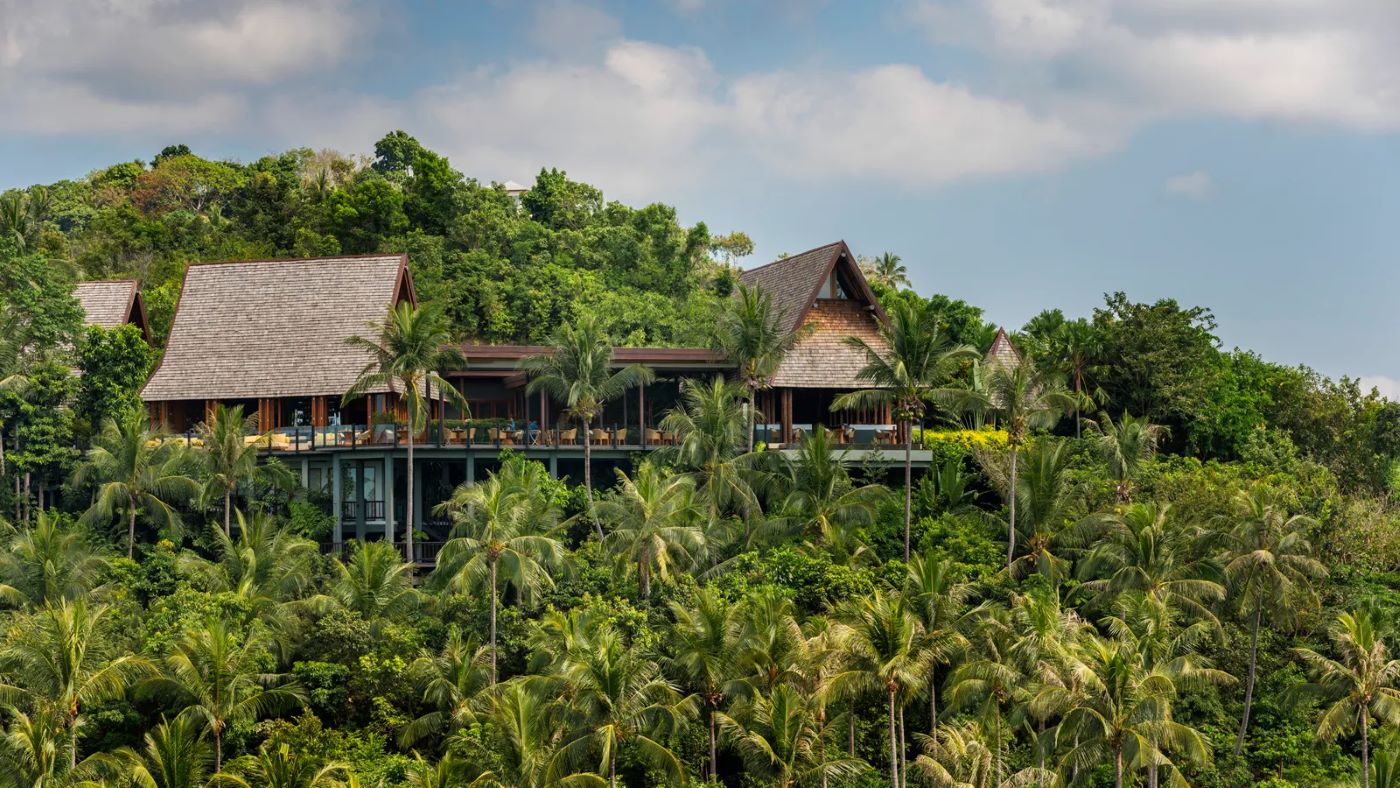
Where to stay: There is no shortage of hotels with the wow factor, like the Two-Key Six Senses Samui with its villas staggered on the verdant hillside or Four Seasons Resort Ko Samui, with a restaurant looking out onto the jungle surroundings.
15. Mallorca, Spain
Why go: Majestic mountains, idyllic beaches and fresh catches always on the menu.MICHELIN Guide restaurants in Mallorca: 38 spots, including one Two-Star restaurant, nine One-Starred places and two Bib Gourmands.
Mallorca has quietly been claiming its place as the crown jewel of Spain’s Balearic Islands as it distances itself from its Party Central reputation in areas like Magaluf. For years it’s been a playground for the discerning few who know its charm lies not only in its sun-drenched beaches and rugged mountains but in its rich food culture, a tapestry woven from both Spanish and Moorish influences. Bookmark Two-Star Voro for its modern Spanish cuisine or Miceli for a trendier vibe with traditional flavors.
The food scene has become one of Mallorca’s most compelling draws, from rustic village markets where local produce reigns to glamorous beachside restaurants serving freshly caught seafood. Culinary delights range from the slow-braised lamb dishes of the hinterlands to the vibrant tapas found in bustling Palma. Now, with MICHELIN-Starred restaurants popping up alongside family-run tavernas, Mallorca is holding its own on the global food map. Go now, before the island’s culinary fame reaches new heights.
Where to stay: Don’t miss a stay at the spectacular mountainside Two-Key La Residencia, A Belmond Hotel, or more budget-friendly options like bohemian Bikini Island & Mountain Port de Soller, right on the water.
16. Lanzarote, Spain
Why go: Volcanic landscapes where ingredient-driven cuisine meets award-winning wines and the relics of César Manrique, the local visionary artist.MICHELIN Guide restaurants in Lanzarote: Seven spots that include five One-Star restaurants and a Bib Gourmand, as well as several more on neighboring islands Gran Canaria, Tenerife and La Palma.
Lanzarote owes its culinary allure to the island’s unique volcanic terroir and a growing reputation for ingredient-driven cooking. Forget generic paella and sangria: Here you’ll find dishes like grilled octopus with mojo verde, smoked goat cheese, and the island’s famed papas arrugadas, salt-crusted potatoes served with spicy mojo picón. Lanzarote’s vineyards, tucked into the black lava fields of La Geria, produce mineral-rich wines like the floral Malvasía Volcánica, a perfect pairing for the local seafood. The island’s food scene is dotted with standout spots like the laid-back El Risco in Famara, where the ocean breeze complements plates of grilled parrotfish and creamy arroz caldoso.
Vineyard-hopping in La Geria is a must: Sample wines at Bodega El Grifo, one of Spain’s oldest wineries, or sip volcanic reds at Bodegas Rubicón in a centuries-old finca (country house). In Teguise, the historic former capital, dive into tradition at Ikarus, a hidden gem known for slow-cooked goat stew and grilled limpets. Romance is everywhere: Toast to the sunset on the golden sands of Playa del Papagayo or linger over a picnic at the surreal volcanic cliffs of Los Hervideros. Lanzarote is the perfect blend of low-key luxury and untamed authenticity.
Where to stay: Our hotel Inspectors recently added a handful of hotels to our selection, including Hotel Emblemático La Casa de los Naranjos with its bags of local charm and the larger glass-fronted Fariones.
17. Sylt, Germany, North Frisian Islands
Why go: The 25 miles of sandy beaches and its German seaside atmosphere in the warmer months, plus the high concentration of good restaurants and hotels. MICHELIN Guide restaurants in Sylt: 7 restaurants, including one Two-Star restaurant and three One-Stars.
At Germany’s northernmost edge, where the North Sea meets wind-sculpted dunes, Sylt feels both wild and quietly refined. The island’s star is List, its serene northern outpost — a place of endless beaches, shifting light and a salt-air rhythm that makes it deeply romantic. Long shoreline walks give way to candlelit dinners and sunsets that stretch well past dessert.
Sylt’s cuisine is shaped by its surroundings: briny oysters from nearby tidal flats, North Sea turbot and sole, Wadden Sea lamb and coastal herbs gathered from the dunes. Despite its small size, the island has become a serious gastronomic destination — with just seven Michelin Guide restaurants, four hold Stars, an extraordinary concentration that draws in-the-know diners from across Germany.
Sylt also carries a singular beach-culture legacy, having opened Germany’s first official nude beach in 1920 — a spirit of freedom that still defines island life today. Easily reached by rail causeway, ferry or flight, Sylt offers a rare mix: elemental landscapes, discreet luxury and a food scene that punches far above its size.
Where to stay: The coastal Landhaus Stricker, with its traditional white brick exterior, has Two Keys and is one of the top choices on the island, along with other Two-Key properties including BUDERSAND Hotel – Golf & Spa - Sylt, Severin’s Resort & Spa and Sol’ring Hof.
Hero Image: The Four Seasons Resort, Koh Samui’s restaurant overhangs the jungle interior of the island of Ko Samui in Thailand. © Four Seasons Hotels
Related articles: