14 January 2026

Share


When Elizabeth Taylor and Richard Burton, the two movie star halves of last century’s most glamorous couple, first moved to Puerto Vallarta, Mexico, in 1963, it was little more than a fishing village with a dirt road.
As the backdrop to The Night of the Iguana, the movie adaption of the Tennessee Williams melodrama that Burton was leading, the location was picture-perfect: lush, untamed jungle that backed up to an endless gold coastline.
“There is no more delectable place on the face of the earth, but don’t come because you’ll spoil it,” Burton wrote of it in a dispatch for Vogue.
His warning would prove self-defeating. Relentless tabloid fascination with the couple – “there were more reporters on the site than iguanas,” director John Huston recalled in a memoir – thrust Puerto Vallarta into a global spotlight that would never dim, transforming the Pacific port into one of the country’s most famed tourist destinations.
Today, two stately properties once owned by Burton – including Casa Kimberly, where he and Taylor lived while filming The Night of the Iguana and later during the golden years of their relationship – are One-MICHELIN-Key landmarks to the city’s Old Hollywood origins.
Set on a hill overlooking the bay, the nine-suite Casa Kimberly has maintained much of the former love nest’s charms, like its arched portals in the open-air dining room and Spanish-style clay roof tiles. Floor-to-ceiling restorations in the rooms, and the addition of a new building with a gym and a spa, have brought the hotel in line with modern luxury.
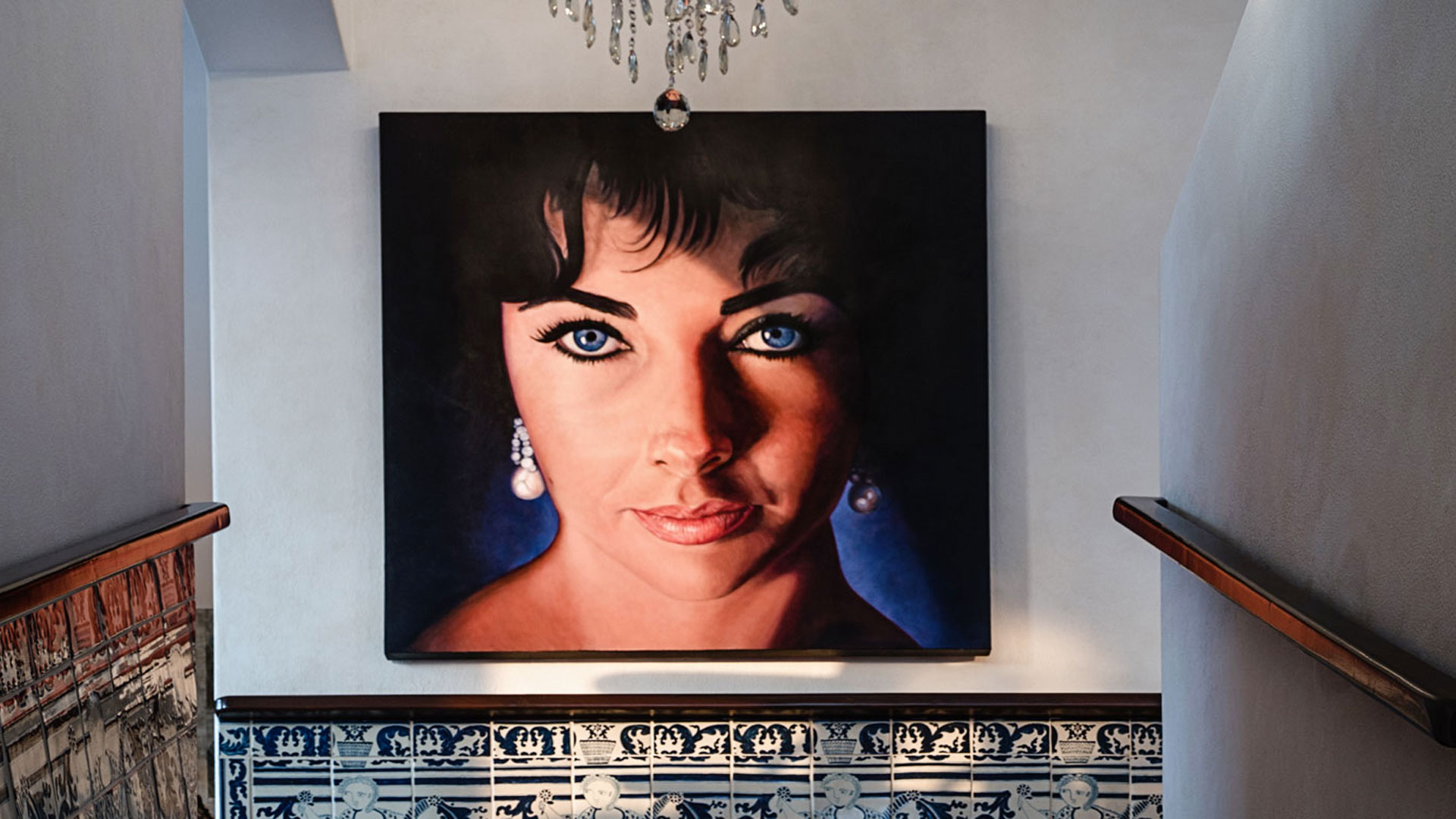
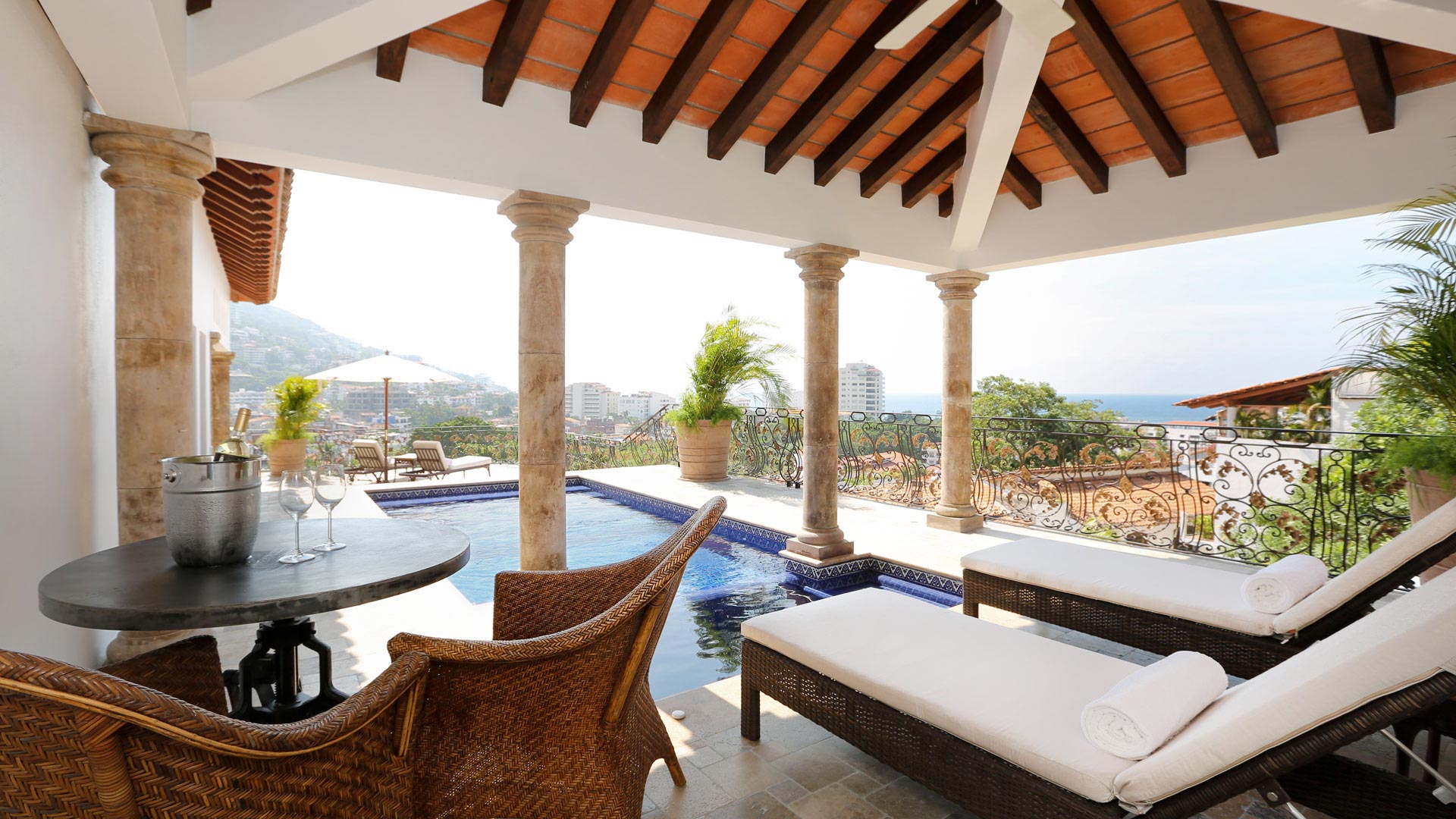
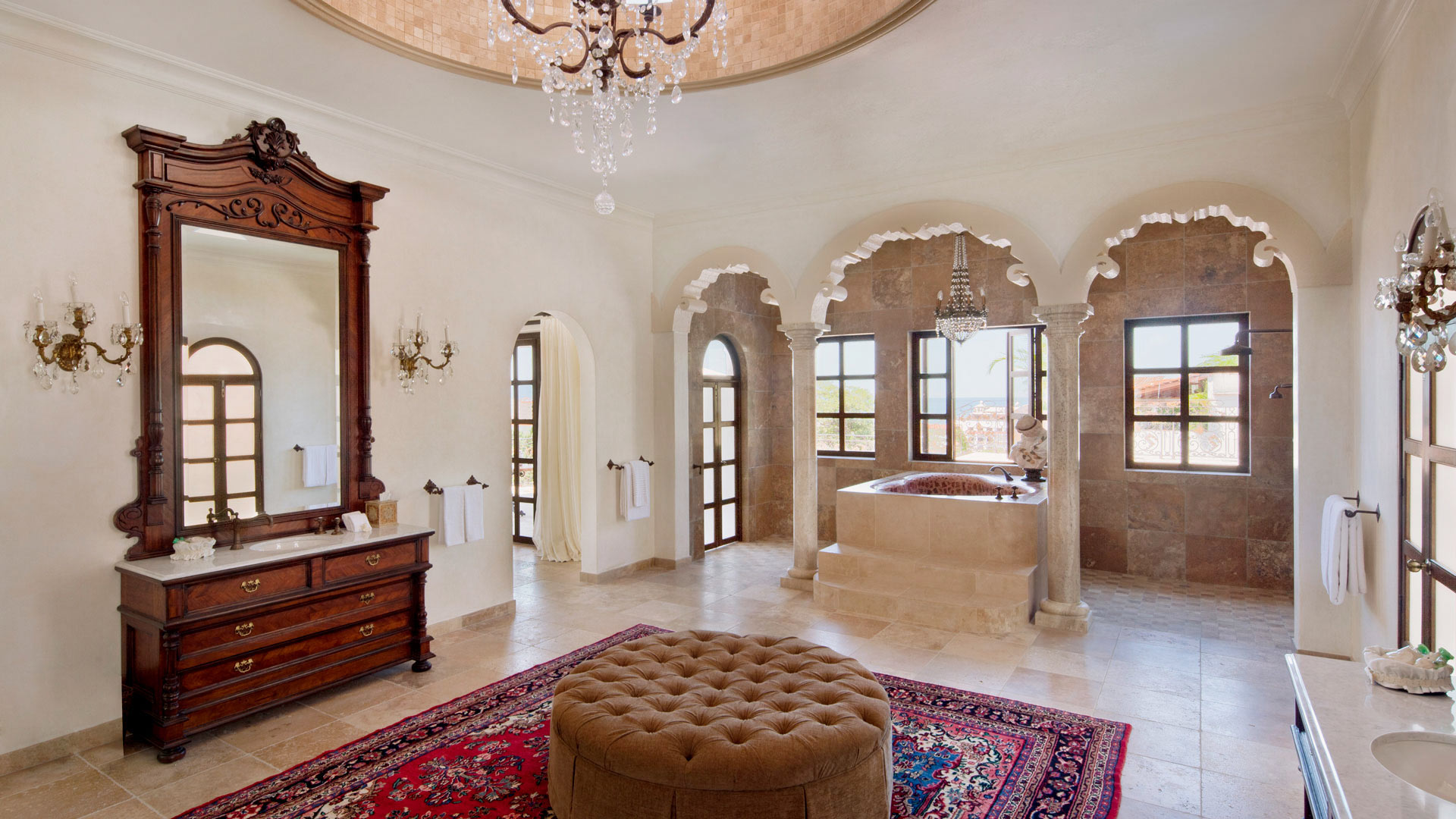
The Elizabeth Taylor Suite is the crown jewel. Reached by private elevator, the room is sprawling and airy, with its own oversized dressing room, terrace pool and maximalist design touches true to its namesake: a small dome built above the bed is strung with a chandelier; in the bathroom, an original pink marble tub looks straight from the set of Cleopatra.
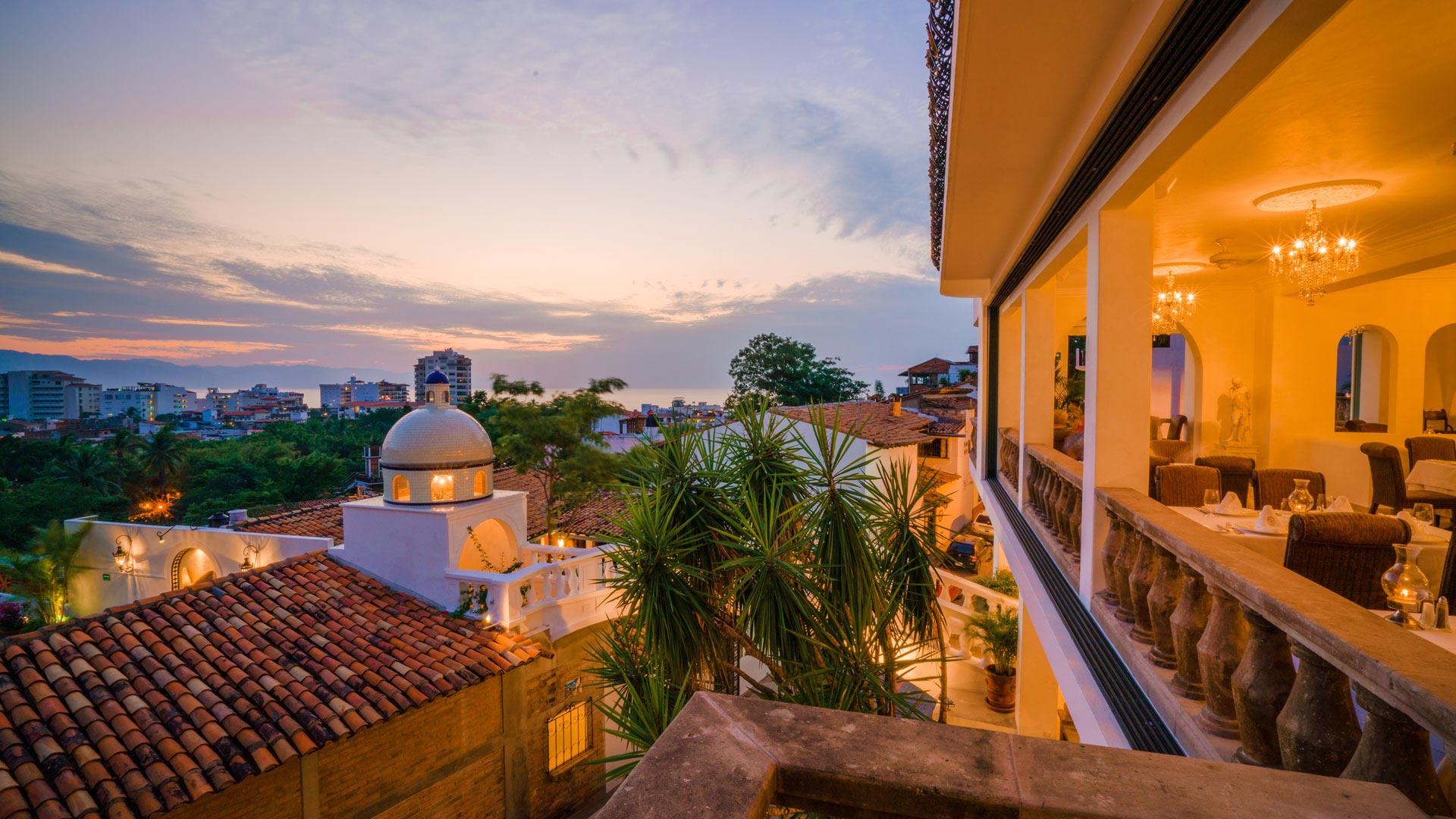
The property actually comprises two houses, Burton’s villa downhill and Taylor’s on the other side of the street, big enough to fit her whole entourage, which included a chef, a secretary and two maids. To connect the two, Burton built a bridge modeled after the Bridge of Sighs, where legend dictates the pair reunited each evening.
“There was a lot of drama in their relationship and he would spend the day there, she would spend the day here,” Juanita Gutierrez, the hotel’s general manager, said on a recent tour. “There was a lot of arguing, but they would always make up before dinner on the bridge.”
Despite their storied blow-ups, the pair was at their happiest living in Casa Kimberly, away from the scandal and paparazzi that had dogged them since they first fell in love (while married to other people) on the set of Cleopatra in Rome, according to their biographers.
“Burton often said of Elizabeth Taylor that she bloomed in hot climates and it's true. She was never more beautiful. She loved being there,” Nancy Schoenberger, the author of Furious Love: Elizabeth Taylor, Richard Burton, and the Marriage of the Century, said in an interview. “She loved the turquoise sea. She loved the virgin jungle. She loved seeing the macaws flying over her balcony in the morning.”
But by 1974, after a decade of marriage and making films together, the couple divorced, their clash of personalities and substance abuse problems too great to overcome, save for a brief reconciliation two years later. Taylor was left with Casa Kimberly in the divorce decree, though it would fall eventually into disrepair.
Burton’s love affair with Puerto Vallarta, however, persisted. In 1977, Burton gifted a Puerto Vallarta home a stone’s throw from his old one to his new wife, Susan Hunt, a model and the ex-wife of F1 driver James Hunt.
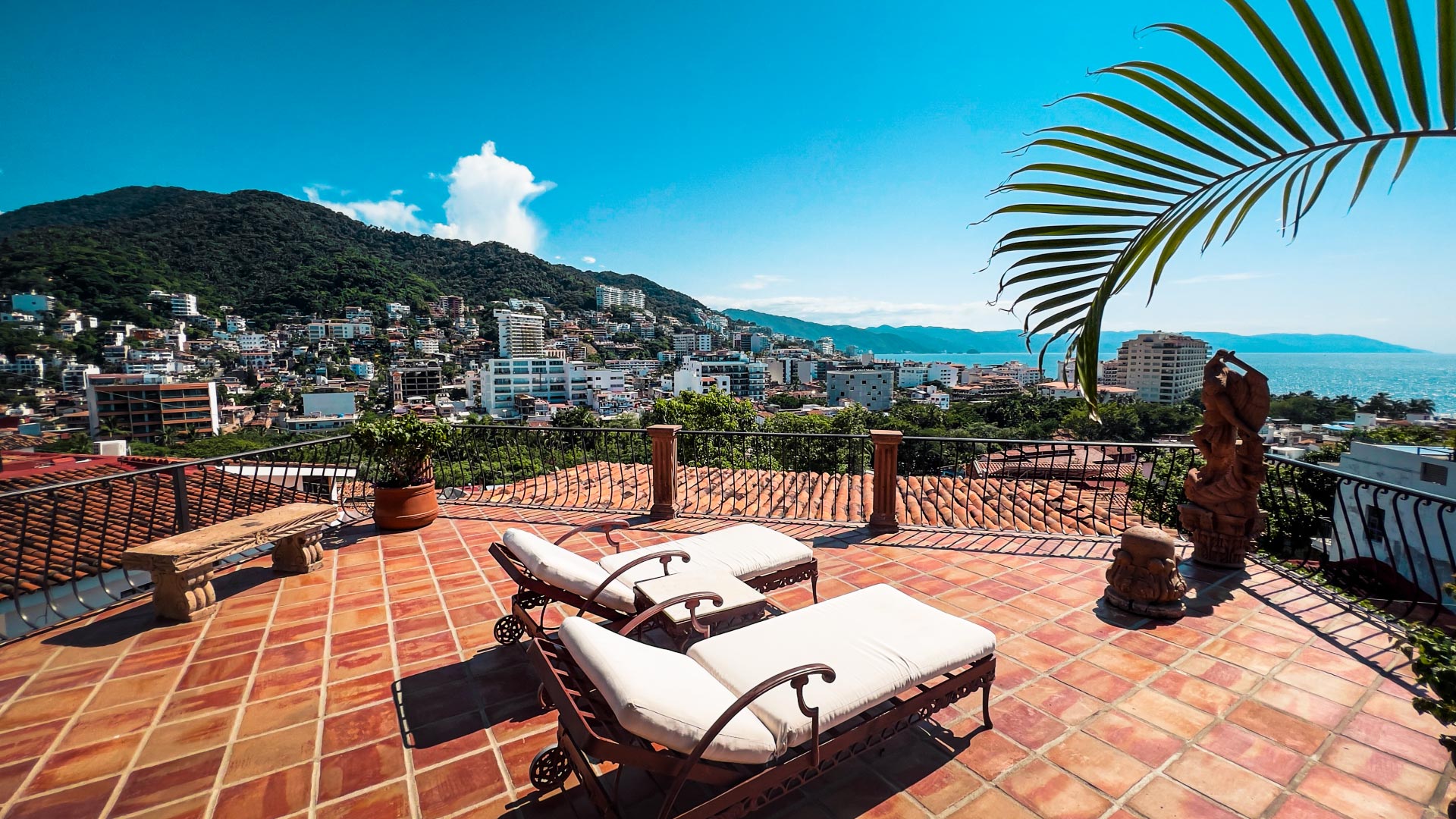
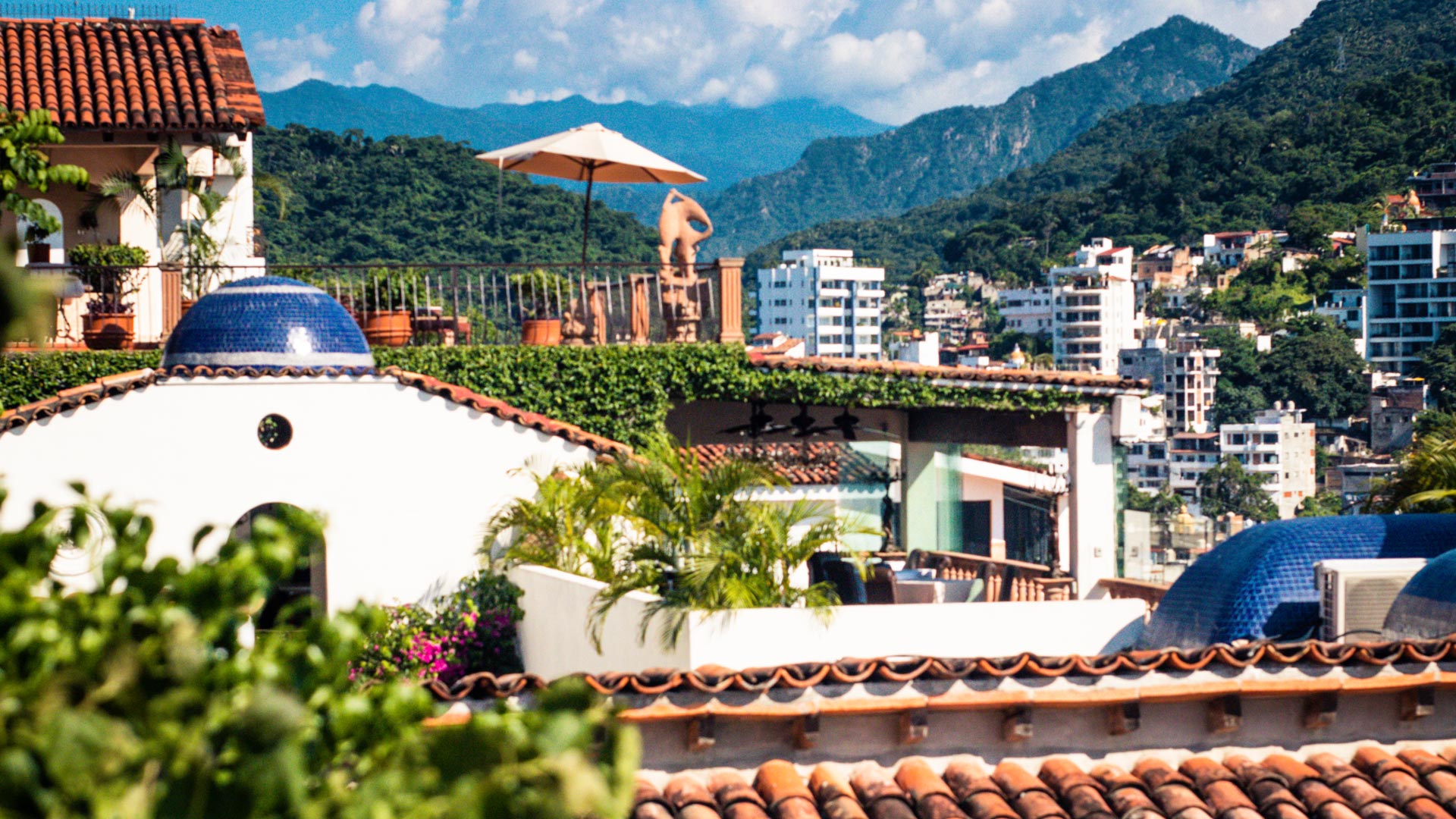
Casa Bur-Sus, as it was then known, is now the Hacienda San Angel, an elegant compound landscaped like an Italian countryside retreat.
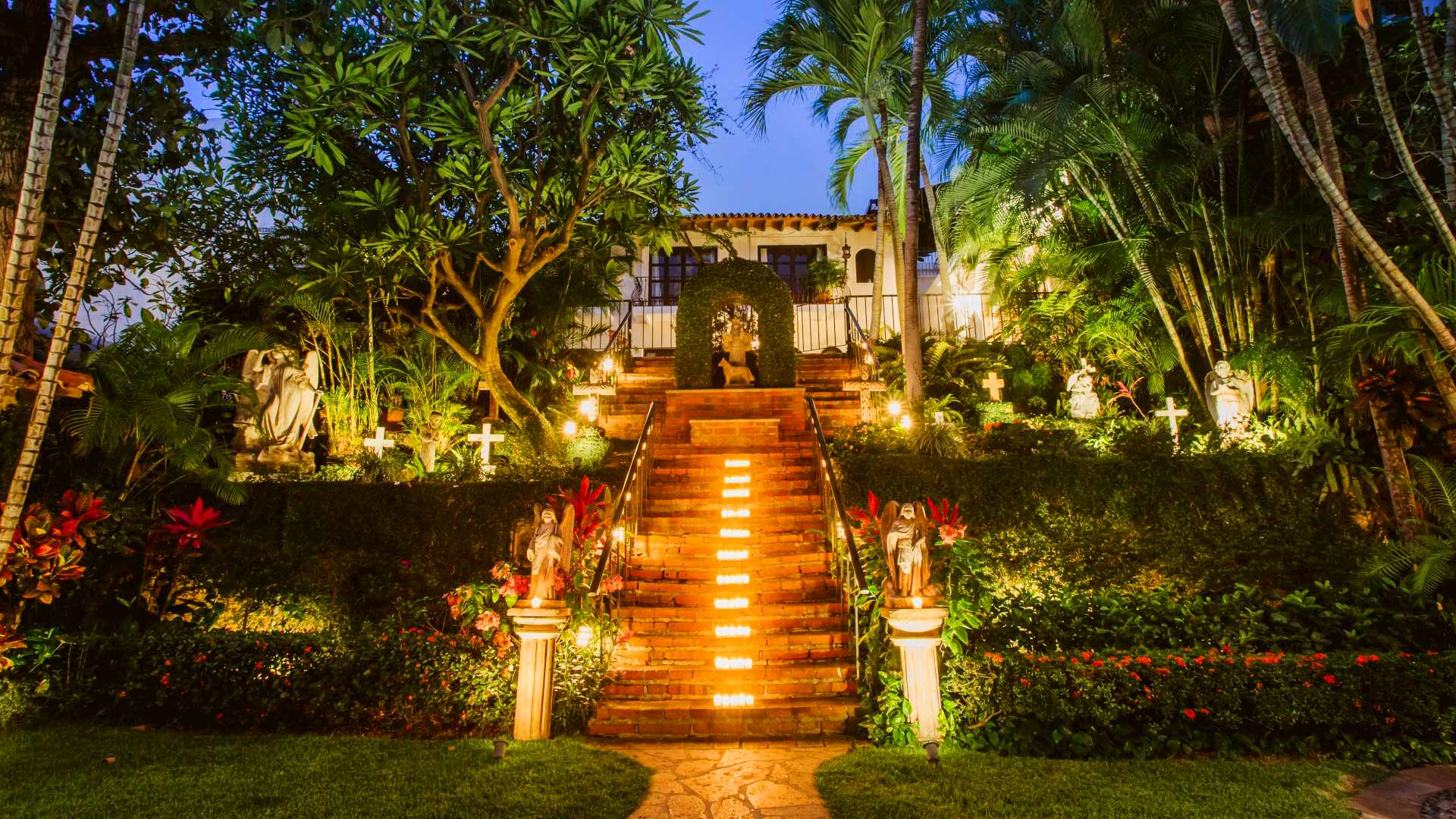
Across the hotel’s 12 suites, handpainted frescoes and museum-quality religious objects set a distinctly regal feel. Its three pools are tucked in private corners, framed by ornate stonework and branches bursting with flowers.
Janice Chatterton, an American entrepreneur, bought the hotel’s first house from Hunt in 1990 – eight years after Hunt’s divorce from Burton. After her son’s death, Chatterton moved to the property and channeled her grief into its transformation, buying up surrounding villas and scouring church sales across the country for unique pieces.
“She poured herself into the only two activities that brought her any enjoyment, shopping for antiques and rescuing dogs,” her daughter Paula Castaneda said.
(Chatterton was also the founder of the local Society for the Prevention of Cruelty to Animals chapter, credited with rescuing thousands of dogs in Puerto Vallarta.)
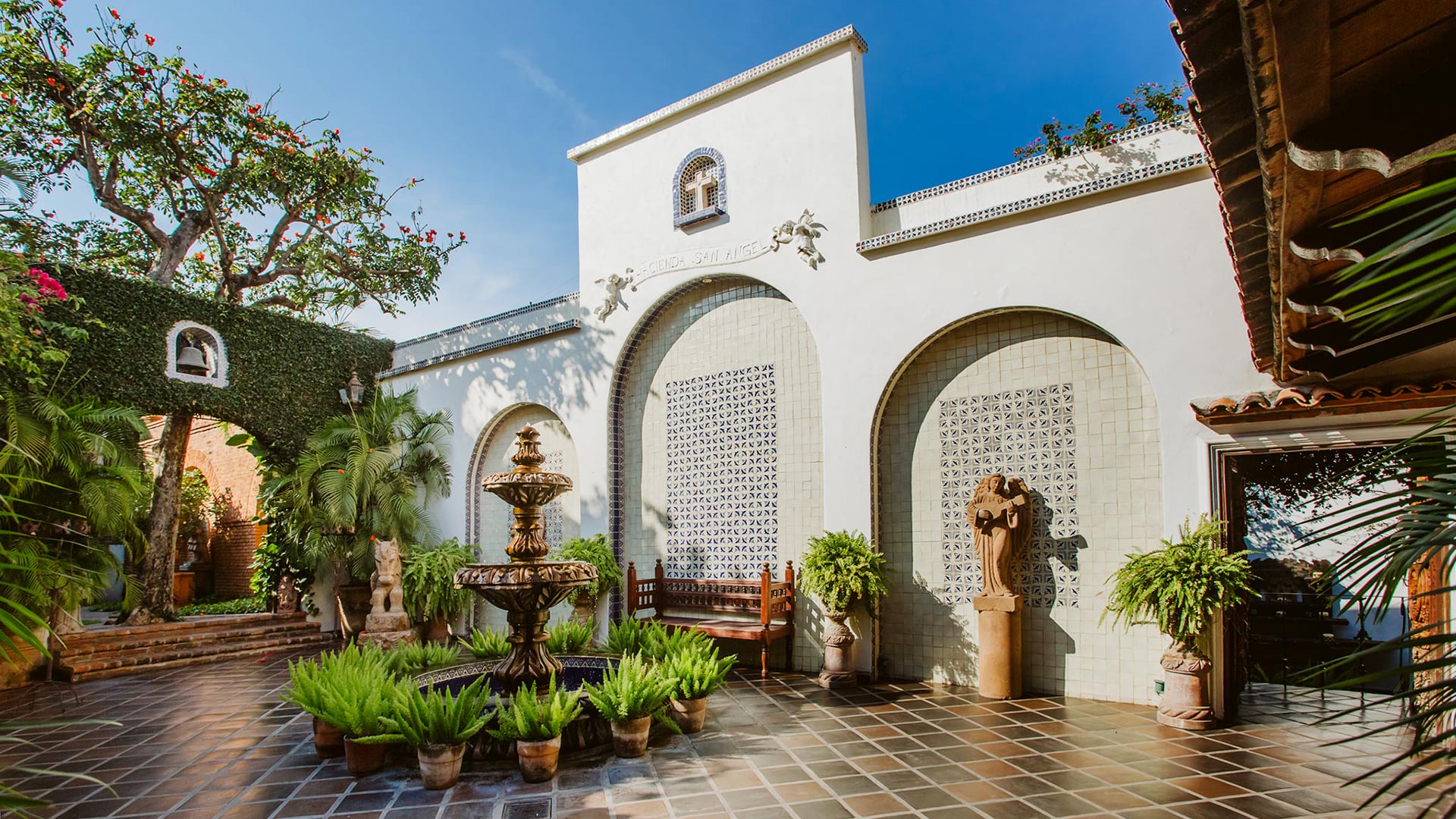
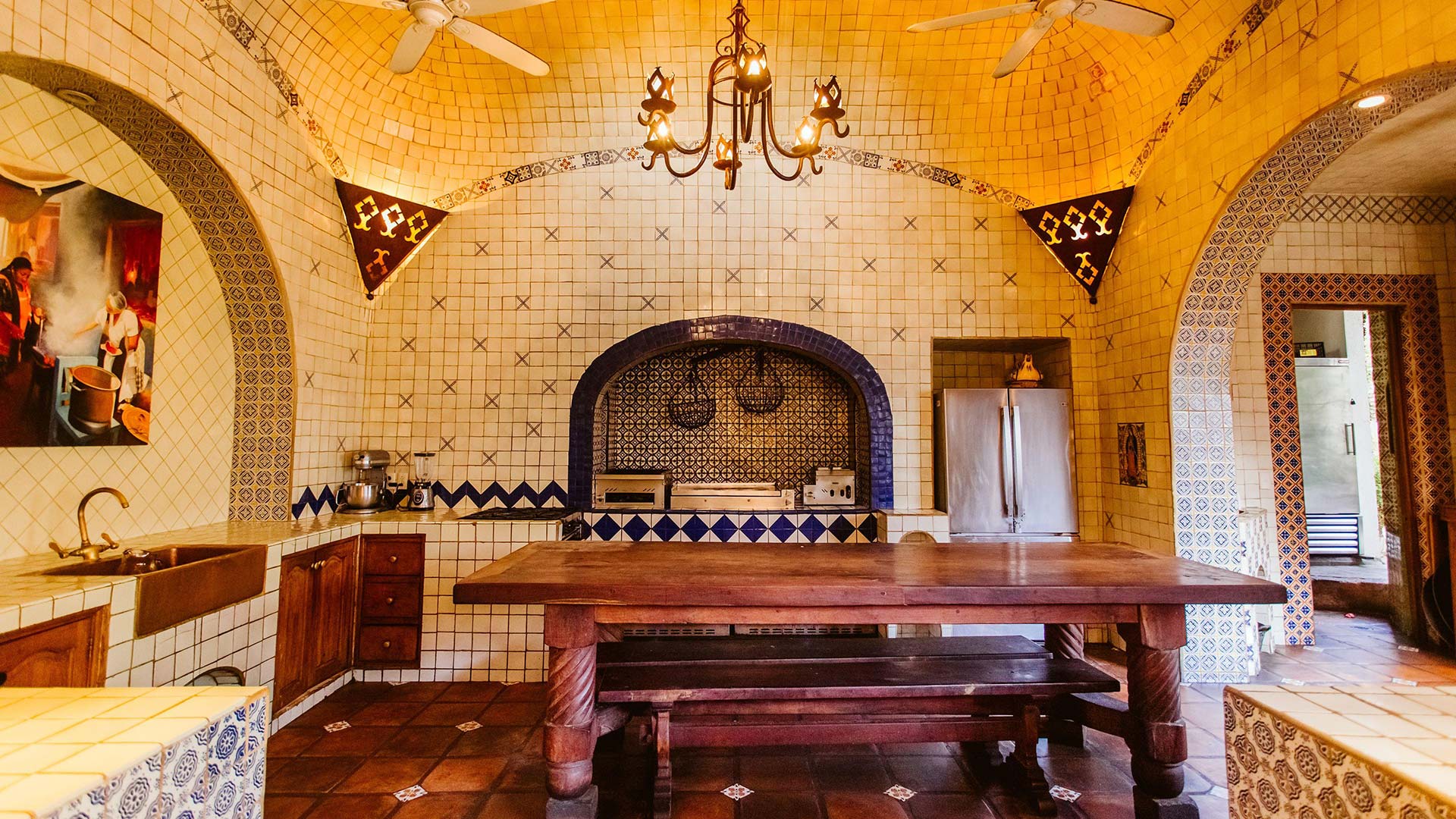
Amid Chatterton’s collection of relics, only a few reminders of Burton remain. In the hotel kitchen, perched on marvelously tiled blue and white shelves, a pair of peeling wine bottles and a balloonish glass decanter are said to be leftovers from the actor’s hard drinking days.
For Burton and Taylor in Puerto Vallarta, entertaining was as central as the acting and swimming. Tales of their parties with Space Age celebrities and their regular sunsetters at the still-standing Bar Océano were grist for the international Hollywood-obsessed press.
Writers, filmmakers and more from the U.S. creative set soon followed suit, taking up residence in the same cliffside zone. Today, the early artist colony is memorialized in the neighborhood’s irreverent nickname, the Gringo Gulch.
More in Mexico:
Hero image: Casa Kimberly - ©Casa Kimberly