24 February 2026
Share


For chefs and restaurateurs, travel is not just about visiting new places — it’s an essential part of understanding food and culture. Exploring markets, tasting regional specialties and learning local cooking techniques allows them to expand their culinary perspective and bring fresh ideas back to their kitchens.
Travel exposes them to different ingredients, flavor combinations and dining traditions that inspire creativity and refine their craft.
Here, five restaurateurs from the Philippines share their favorite travel memories, destinations and advice on how to best taste and savor the world.
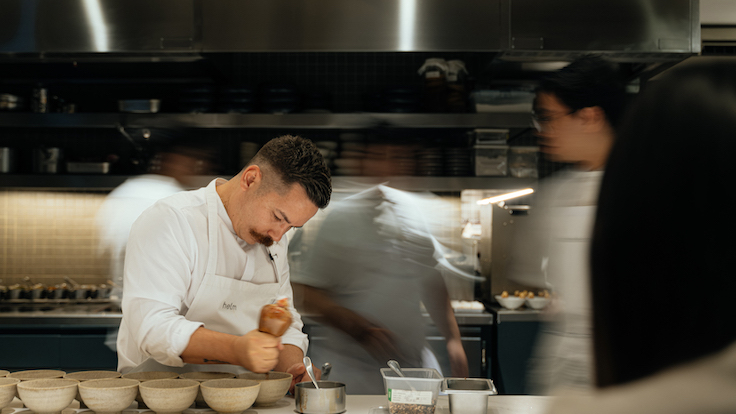
Josh Boutwood
Helm2 MICHELIN Stars
MICHELIN Guide Manila and Environs & Cebu 2026
"It's strange. I grew up confused," says Josh Boutwood of Helm, Ember, Juniper, and The Test Kitchen. Boutwood, who is English-Filipino, spent his formative years between Spain, England, the Philippines and Northern Europe. "Having a cultural identity crisis helped me become the person I am today,” he says. “Wise enough to know that borders are just lines on a map."
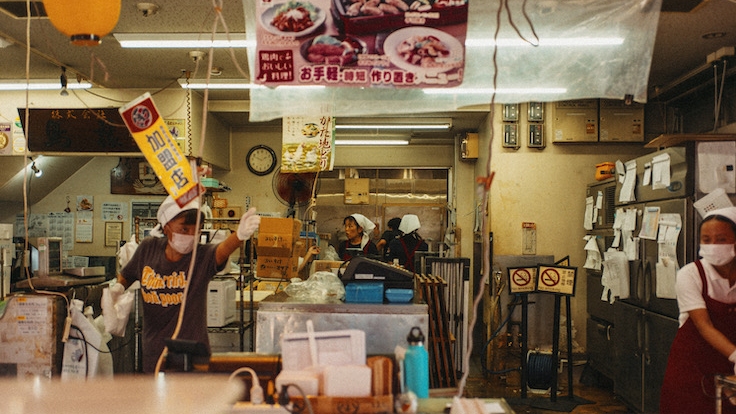
Though this third culture kid settled in Manila, he regularly travels with his family and savors every trip. He counts Tokyo as his favorite food city, though he doesn't have a go-to restaurant. "I have a fear of not trying somewhere new,” he says. “But if a place hits the spot, I'll go back more than once on the same trip." Always making the most of a trip, Boutwood suggests travelers, "eat lunch twice. Eat dinner twice. Leave space for merienda (a light snack) in between."
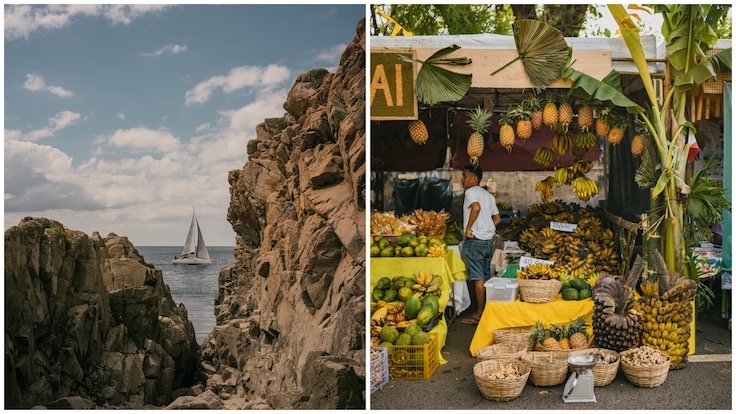
Amid globetrotting and running multiple restaurants, Boutwood says Sweden, where his wife is from, is his second home. He particularly enjoys one dish: Scandinavian herring and smørbrød, or buttered rye bread. "It's a summer craving: light, flavorful and very simple, he says. “But when the balance hits just right, it's a perfect bite."
Boutwood admits he once traveled heavy. “I used to bring a lot of camera gear, which added unnecessary weight to my back. I’ve now created a travel setup that contains fewer camera bodies and lenses.” The shift was practical, but it could also be viewed from a philosophical perspective: too much equipment can slow you down, making you more preoccupied with what you’re carrying than what’s unfolding in front of you.
These days, he subscribes to a leaner approach. Traveling light keeps him agile, more responsive to fleeting moments and less fatigued over long days on foot. In his view, this method doesn’t limit creativity; it sharpens it, instead.
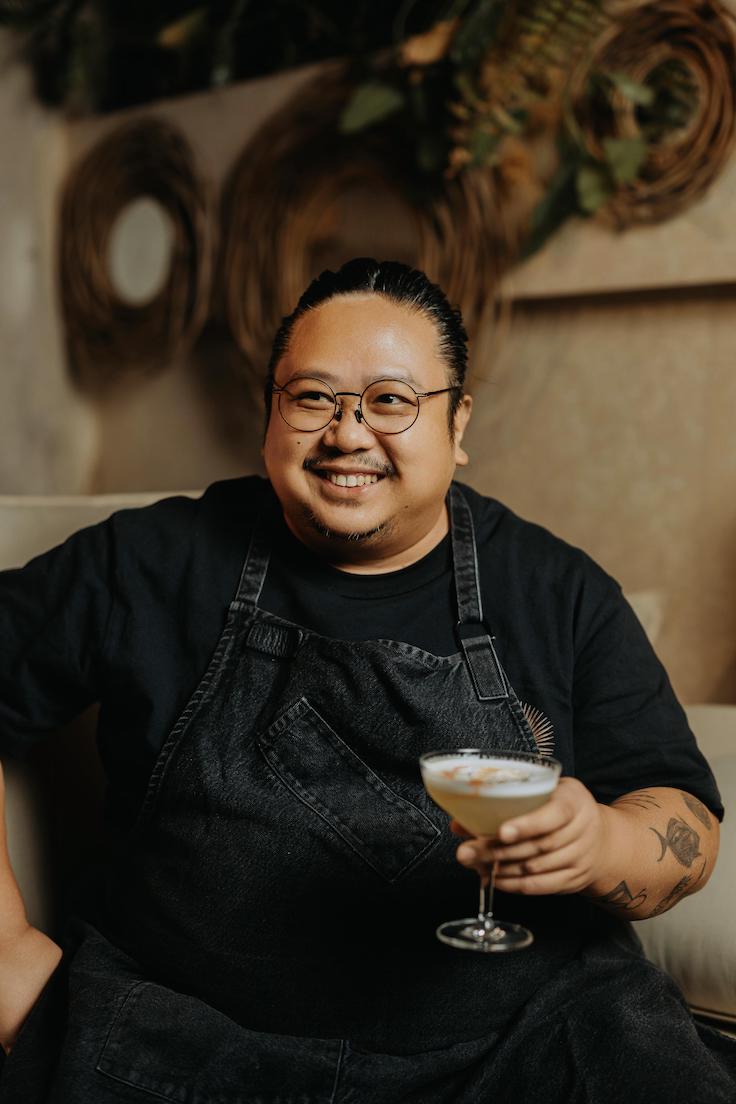
Aaron Isip
Kása PalmaOne MICHELIN Star
MICHELIN Guide Manila and Environs & Cebu 2026
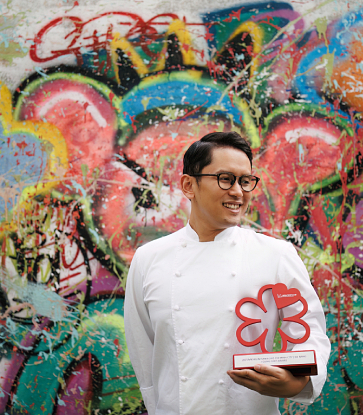
Outside of the kitchen, Filipino chef Aaron Isip takes his time. "I used to chase must-see lists," says the Paris-trained chef-owner of one-MICHELIN-Starred Kása Palma. "Now I focus on fewer places and experiences, spending more time absorbing rather than rushing."
As counterintuitive as it seems, a slower approach to traveling allows Isip to maximize his trips.
© Kása Palma
He balances restaurant reservations with walk-ins and explores markets. "I also try, as much as possible, to take a cooking class whenever I'm in a new destination," says Isip. Cooking classes broaden his palate while teaching him more about a country's cuisine and culture. "I'm an eternal student of life," he adds.
Grounding himself while traveling was most evident during Isip's "transformative" trip to Burning Man, a week-long event in Black Rock Desert, Nevada, that encompasses art, performances and community activities. "It strips you off comfort and routine, forcing you to be present," he says.
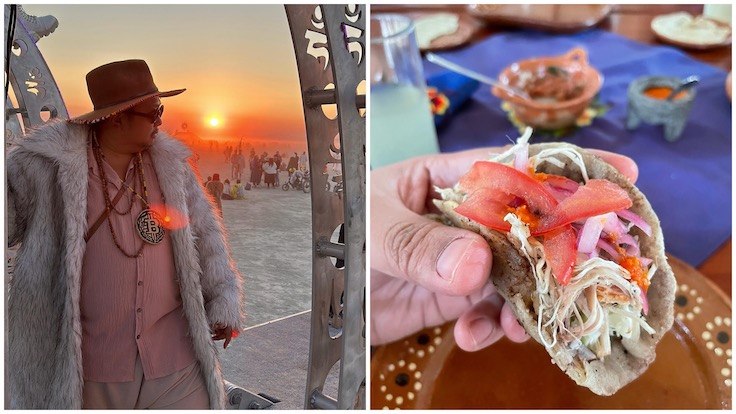
Beyond Burning Man, the Yucatán Peninsula in Mexico has had a profound effect on Isip. He particularly enjoys the comforting dish of panucho de lechón al horno con chicharrón (oven-roasted suckling pig tortilla with crispy pork skin) and other bold flavors found in the region's cuisine. "Their love for sour oranges is much like our love for calamansi in the Philippines," he adds.
Stephan Duhesme
Automat and MetizSelected
MICHELIN Guide Manila and Environs & Cebu 2026
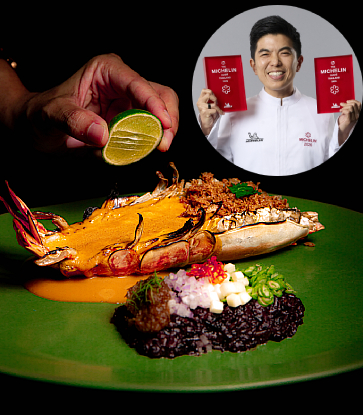
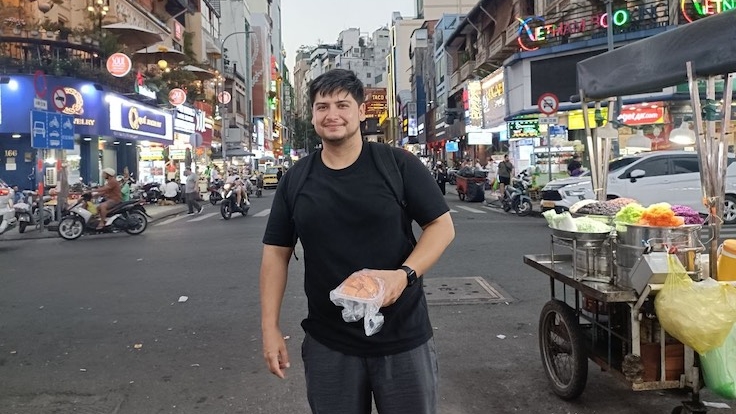
Amid the novelty and exhilaration of traveling, French-Filipino chef Stephan Duhesme can't stop thinking of home.
Based in Manila, where he runs Automat and Metiz, Duhesme has previously lived in France, Colombia and Japan and visited family in Thailand and London. For him, traveling and living around the world opens up the definition of home. "It rewires what you perceive as nostalgia — an important notion that cooks draw from when creating dishes."
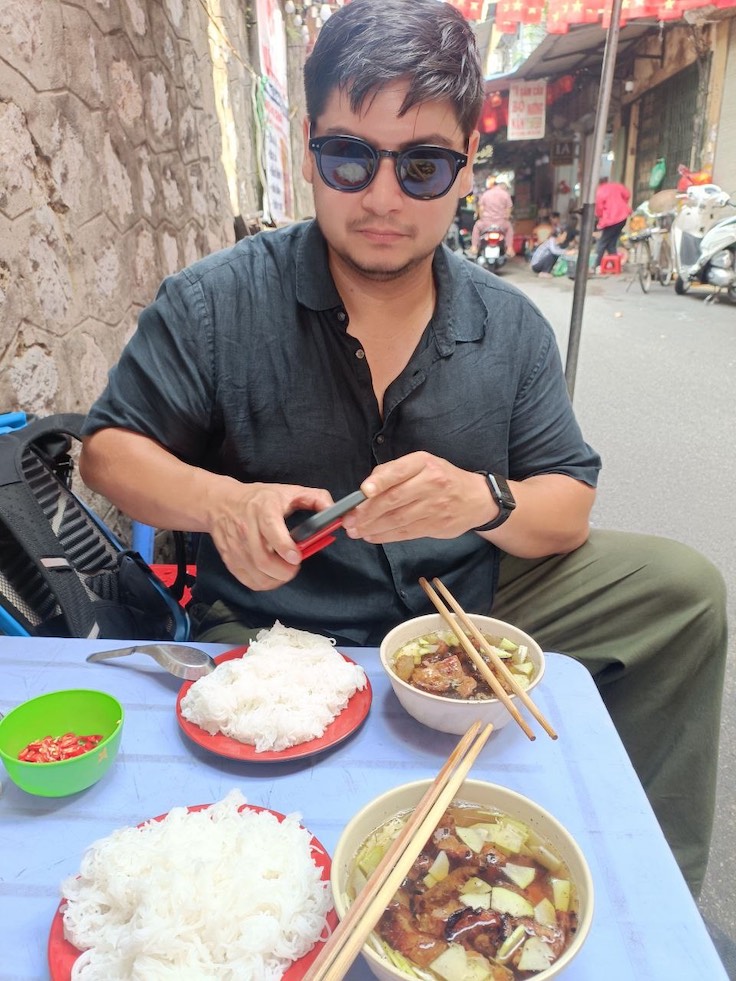
During his travels, Duhesme reaches between 25,000 and 35,000 steps each day, on top of regular exercise to "be able to eat anything you want." Instead of focusing on must-try dishes, he recommends sampling ingredients, such as cheese, butter, shellfish and tarama — a traditional Mediterranean dip made from salted, cured fish mixed with oil, lemon juice and a starchy base. "If I were living in Europe, I'd miss so many more ingredients," he adds.
When he operated his restaurant in Colombia, Duhesme missed Filipino dishes the most and started idealizing Filipino food.
© Stephan Duhesme
"When I returned to the Philippines, I realized that the idealized versions were different from the versions I'd have back home," he says. This breakthrough forms the basis of Duhesme's approach to food at Metiz. "I was trying to recreate all these versions, but the juxtaposition of flavors from multiple dishes tends to meld into something new and unique."
Bryan and Maxine Kong
Now NowSelected
MICHELIN Guide Manila and Environs & Cebu 2026
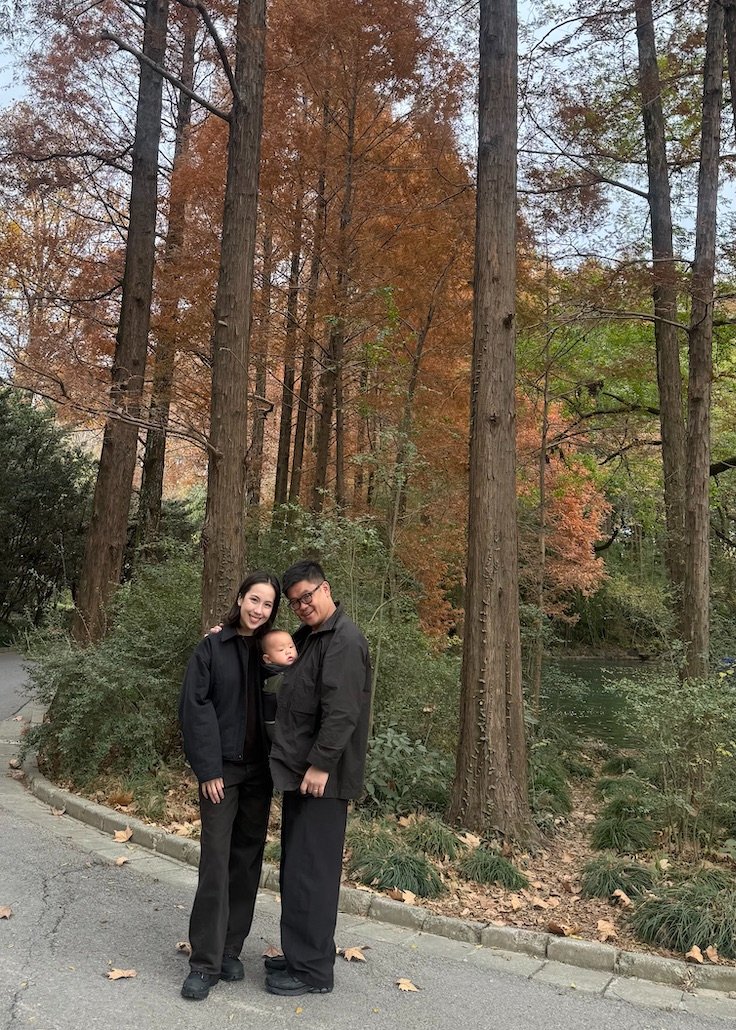
Bryan and Maxine Kong, co-founders of Now Now, were about to book tickets to eat their way through Mexico, Peru, Argentina and Chile when they found out their son was on the way. "The expedition was replaced with nappies and night feeds, which are less picturesque, but far more life-changing," says Maxine.
© Bryan & Maxine Kong
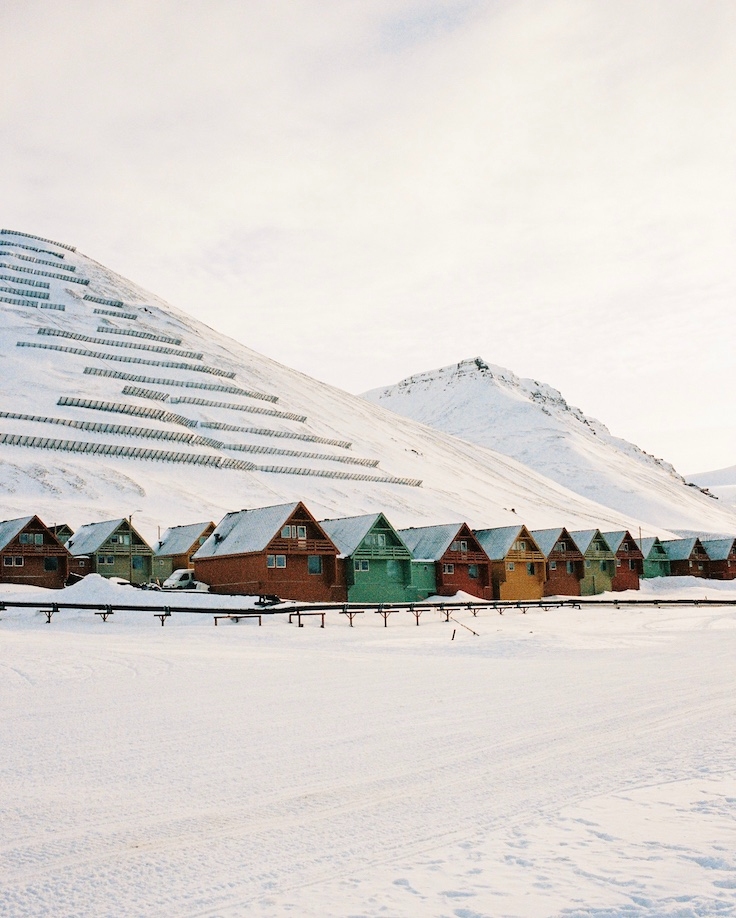
Before parenthood, the couple honeymooned in the Nordics during the pandemic, earning a few strange glances from locals. They found reasons to return to food and culture and journeyed to the world's northernmost settlement, Longyearbyen.

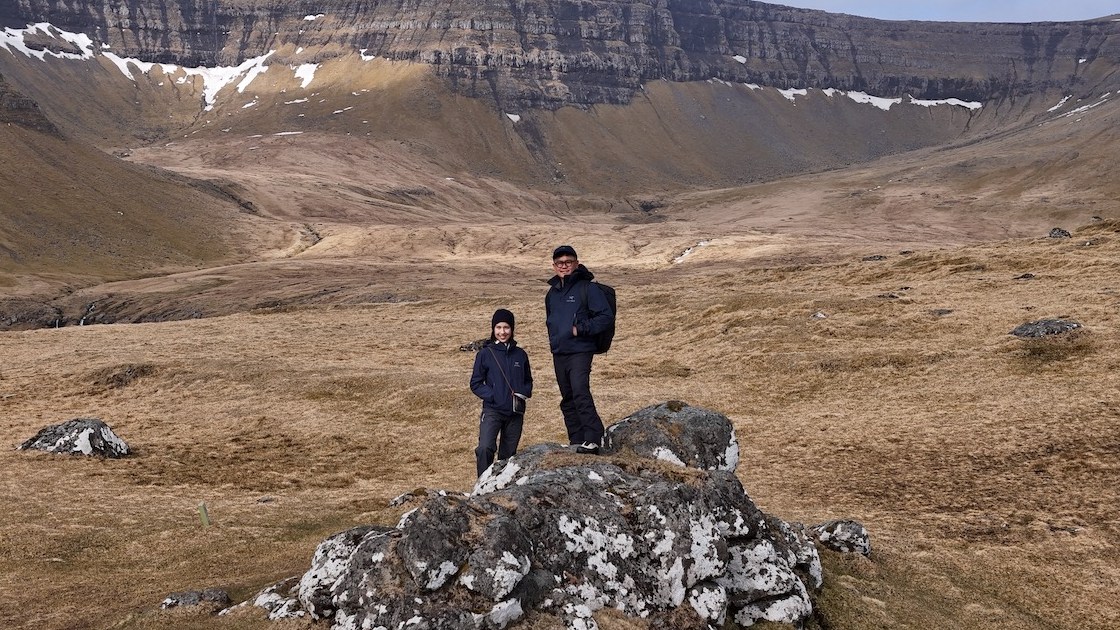
Bryan and Maxine enjoy Copenhagen's café culture and recommend a meal at Ræst in the Faroe Islands. On looking for food spots, Bryan advises, "Pay attention to where the locals wait in line."
Now, with extra planning and patience, they bring their baby along on trips. For new parents, Maxine recommends timing flights around naps, bringing more snacks than toys, and keeping core routines, such as naps and feeding rhythms, familiar. She stresses packing a few days' worth of diapers and wipes and restocking at the destination. "Babies adapt more than we think!" Maxine says.
"Travel pulls you out of comfort, out of the algorithm, out of the loop of what you already know," says Bryan. And for the Kongs, travel hasn’t become smaller with a baby; it has simply become more intentional, paced to the gentle rhythms of a growing family.
© Bryan & Maxine Kong
Header Image © Bryan & Maxine Kong / Now Now