10 October 2017

Share


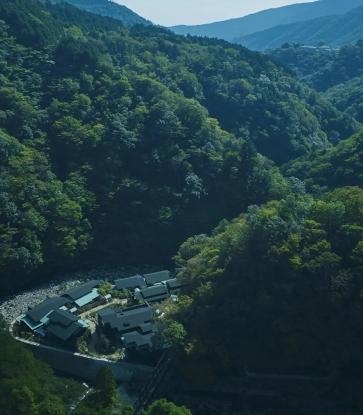
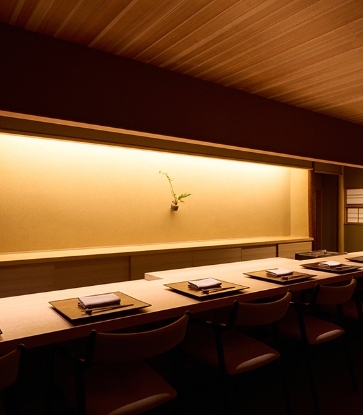
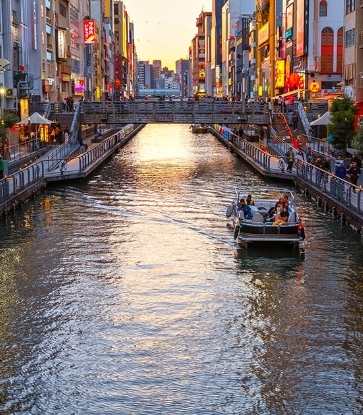
Kashiwaya is nestled in a serene residential area in the hills of northern Osaka where second-generation chef-owner Hideaki Matsuo’s spirit of omotenashi welcomes you as you make your way through a tranquil moss garden and enter the sanctuary of the restaurant that is simply decorated with sliding doors, paper partitions and tatami mats.
Omotenashi is Japanese hospitality and has its root in tea ceremony where every action in the ritual is a graceful dance performed wholeheartedly and transparently. Indeed, Kashiwaya was borne out of his passion for tea ceremony and the desire to capture the Japanese art of living over the course of a meal or even in a single dish.
Omotenashi is Japanese hospitality and has its root in tea ceremony where every action in the ritual is a graceful dance performed wholeheartedly and transparently. Indeed, Kashiwaya was borne out of his passion for tea ceremony and the desire to capture the Japanese art of living over the course of a meal or even in a single dish.

Atsushi Takahashi (pictured right) was a youth of 19 when he joined Kashiwaya to train under chef Matsuo. In the 21 years he spent watching and learning, he bore witness as his mentor led the restaurant to three Michelin stars for six consecutive years, never once dropping its esteemed status.
In 2015, chef Matsuo began looking to open a second restaurant, and although Tokyo felt like the most natural option, doors opened for him in Hong Kong. “It takes 3 hours to Tokyo by Shinkansen, and 4 hours to Hong Kong by air from Osaka,” he shares. “Either place, I needed to send someone who I trusted enough as the head chef.”
In 2015, chef Matsuo began looking to open a second restaurant, and although Tokyo felt like the most natural option, doors opened for him in Hong Kong. “It takes 3 hours to Tokyo by Shinkansen, and 4 hours to Hong Kong by air from Osaka,” he shares. “Either place, I needed to send someone who I trusted enough as the head chef.”
He found that person in long-time apprentice Atsushi Takahashi. “He had grown up when we opened Kashiwaya Hong Kong. [In Osaka], he managed everything when I was absent. That proved to me he was qualified enough to be a head chef of a restaurant.”
When Kashiwaya finally opened its doors in Hong Kong in 2015, the culinary world watched with bated breath to see if Matsuo’s protégé would lead the Hong Kong outpost to glory as well. He did. In 2016, Kashiwaya Hong Kong received not one, but two Michelin stars.
When Kashiwaya finally opened its doors in Hong Kong in 2015, the culinary world watched with bated breath to see if Matsuo’s protégé would lead the Hong Kong outpost to glory as well. He did. In 2016, Kashiwaya Hong Kong received not one, but two Michelin stars.

The road to success is paved by painstaking attention to detail and a relationship between teacher and student that continues to grow even though they are separated by a sea. “There is a strong trust between us after working under him for 20 years,” says chef Takahashi. “I change nothing from the way I did things in Osaka and never compromise in ‘being Kawashiya’ in every way.”
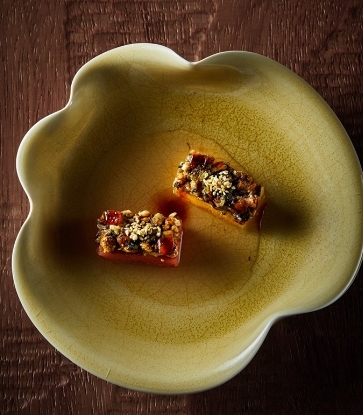
From the cutlery to the kitchen utensils and ingredients used, everything was brought over from Osaka and Takahashi also made sure to carefully follow the Kashiwaya philosophy of creating seasonal menus showcasing the freshest produce in beautiful and delicious forms.
From the cutlery to the kitchen utensils and ingredients used, everything was brought over from Osaka and Takahashi also made sure to carefully follow the Kashiwaya philosophy of creating seasonal menus showcasing the freshest produce in beautiful and delicious forms.

He says: “I have a weekly conference call with Chef Matsuo to share any issues we face in Hong Kong and understand the current situation in Osaka. In Kashiwaya Hong Kong, we change the menu monthly and I submit the draft menu to Chef Matsuo every time, and receive his lecture on the details.”
It hasn’t been all that easy to replicate everything in Hong Kong though. “I would say the biggest challenge was the water,” says chef Takahashi. “It was very difficult to make the dashi like we used to do in Osaka.” Dashi is a cornerstone of Japanese cuisine and requires meticulous attention to detail—down to the hardness of the water used to cook it. With some tweaking, he was able to produce a good dashi that received his mentor’s stamp of approval.
It hasn’t been all that easy to replicate everything in Hong Kong though. “I would say the biggest challenge was the water,” says chef Takahashi. “It was very difficult to make the dashi like we used to do in Osaka.” Dashi is a cornerstone of Japanese cuisine and requires meticulous attention to detail—down to the hardness of the water used to cook it. With some tweaking, he was able to produce a good dashi that received his mentor’s stamp of approval.

It’s not just the food that they continually work closely together on. “We have discussions on the cuisine and omotenashi,” explains chef Matsuo (pictured left). He means the all-encompassing experience that the diner receives upon entering the restaurant. “In this process, I emphasize two things: First, something new to challenge us every month. Second, keeping the Kashiwaya quality of balancing the creations of tomorrow and protecting the traditions of yesterday.”
In this way, both mentor and protégé are able to present the authentic Kashiwaya experience whether you visit the restaurant in Osaka or Hong Kong; an experience which is not just about a good meal that fills the stomach but the expression of the heart and soul of Japanese culture.