30 December 2025
Share


What do chefs cook for themselves? Few questions spark the same fascination with the inner workings of top kitchens and restaurants. Chefs are often remembered for what they serve guests, not what they cook for themselves or each other, but in some of the world's most celebrated kitchens throughout Asia, that meal can be anything from nasi lemak (coconut rice with a chili-based sauce, fried anchovies, peanuts and eggs) to okonomiyaki (Japanese savory pancake) or even banchan (small Korean side dishes served with rice) prepared by the head chef's mother. Yet, while most guests will never taste it, some chefs argue that it is the most important meal in the restaurant each day — a mirror of the restaurant’s values long before they reach the dining room.
RELATED: Feeding the Family: Inside the Ritual of Staff Meals at Dewakan
Meta
Two MICHELIN Stars
MICHELIN Guide Singapore 2026
At Meta, staff meal isn’t defined by a single signature dish. Instead, it is shaped by the team’s collective identity. With cooks from Korea, Singapore, Malaysia, Britain, China, Myanmar and the Philippines, family meal becomes a rotating canvas of cultures, cravings and comfort. The week is guided by a staff meal schedule, pairing two to three chefs per day, and allowing them to cook anything they feel drawn to. While the dishes shift daily, the significance remains constant: staff meal is where the kitchen’s diversity becomes its strength. The value of family meals at Meta lies not in complexity, but in nourishment and cultural sharing.
Family meal has been part of Meta's dynamic since the beginning, evolving with its multicultural team and becoming a daily space for learning and exchange. Some days the chefs cook the food of their childhoods; on others, they experiment with dishes they’ve never made before, balancing a weekly schedule set by the sous chefs with the freedom to request what they feel like cooking. Resourcefulness is also central to the ritual: offcuts, trimmings and leftover produce are transformed into hearty meals, reinforcing Chef Sun Kim’s reminder that nothing should be wasted and turning even the simplest dishes into lessons in humility, creativity and respect for ingredients.
RELATED: The Metamorphosis of Sun Kim: “My Restaurant Finally Feels Like Home“
At Meta, the family meal is one of the day’s most meaningful moments. The team talks, laughs and swaps stories, creating a grounding event that softens the intensity of service and strengthens their bond. With multicultural identities, the family meal becomes a universal meeting point that fosters respect, curiosity and openness. Above all, it lifts morale and reminds everyone that they work not just as individuals, but as a collective.
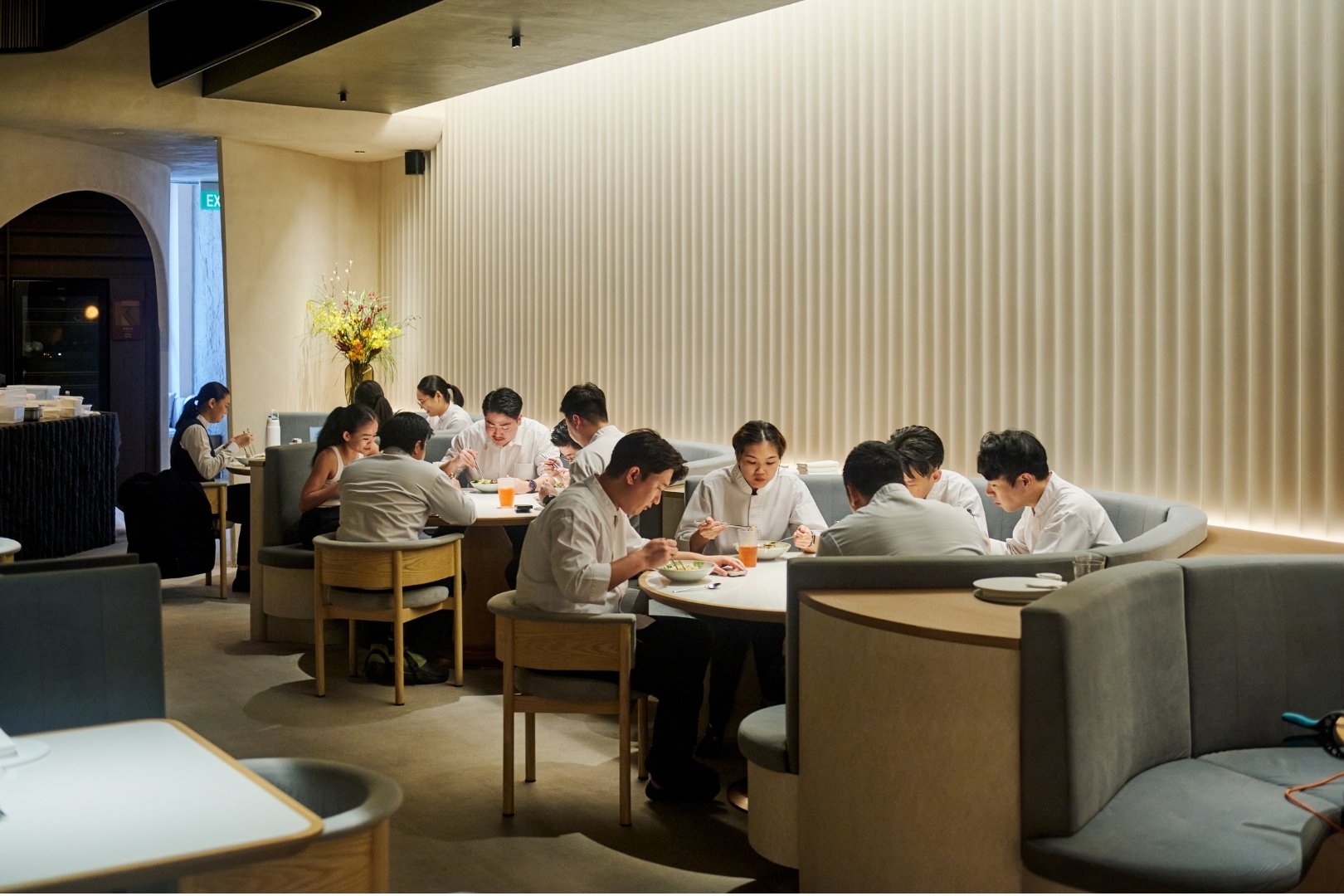
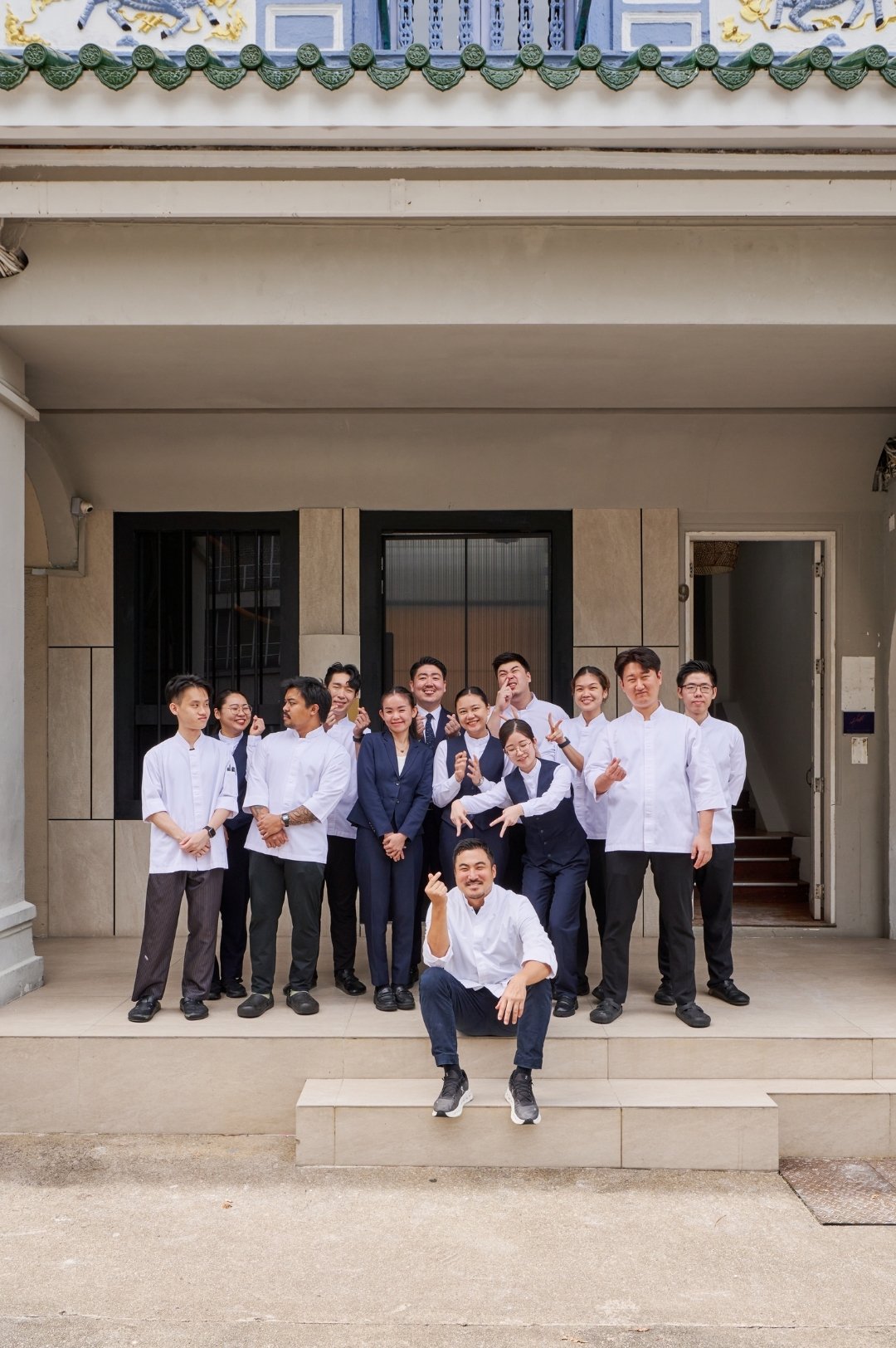
Kim sees these moments as vital chances for the team to eat together, give honest feedback and encourage one another to try again, building lessons in leadership and accountability along the way. The same respect carries over to how ingredients are treated: beautiful produce, leftovers and trimmings are handled with the care given to guest dishes, minimizing waste and nurturing creativity. In many ways, the family meal at Meta mirrors Singapore’s dining culture: multicultural, convivial and grounded in the joy of eating together, while also reflecting a deeply Korean sense of jeong (정), the warmth and care expressed through feeding others. (Left image: © Meta Restaurant)
Celera
One MICHELIN Star
MICHELIN Guide Manila and Environs & Cebu 2026
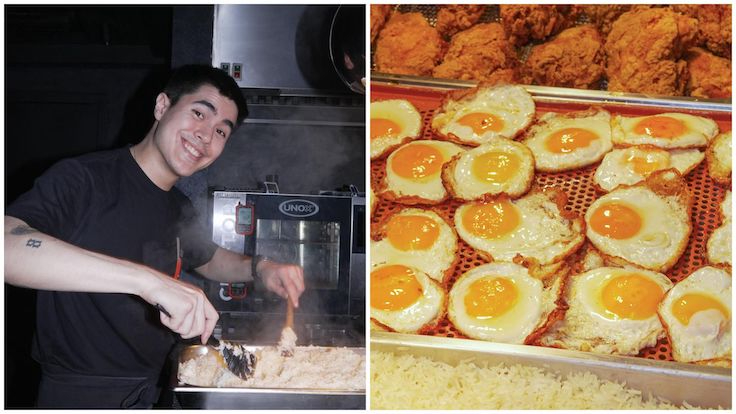
At Celera, the featured staff meal is nasi lemak — fragrant coconut rice with sambal (chili-based sauce), eggs, crispy dilis (fried anchovies), peanuts and a simple side. It is the team’s most enduring and beloved dish, often requested by the chefs themselves. Beyond its comforting flavors, it carries cultural resonance and emotional weight: nasi lemak has followed the team across multiple kitchens over the years, grounding them with familiarity and warmth. It is a humble but unifying dish, one that naturally brings the team together before service begins.
RELATED: The MICHELIN Guide Makes Its Philippine Debut with One 2-Star and Eight 1-Star Restaurants
The tradition of staff meal at Celera began even before the restaurant officially opened. Their very first shared moment in the space was a spontaneous nasi lemak pop-up held inside the unfinished dining room — a chaotic, joyful trial run that became the symbolic beginning of Celera. Nasi lemak has since become a representation of their origins and values. Staff meals continue to evolve through a rotating roster of cooks who prepare dishes reflecting seasonality, heritage and personal creativity, whether Filipino home-style comfort food, Japanese, Chinese, Mediterranean or Thai. This rotation keeps the ritual dynamic while honoring each cook’s voice.
Staff meal at Celera is treated as an act of care: leadership expressed through nourishment. Phones are put away, burners are switched off and the team sits together as equals. In these few minutes, tension dissolves, the room softens, and everyone reconnects. The meal centers the team physically and emotionally, strengthening morale, building camaraderie and aligning their energy before service. Guests may never witness it, but they can feel the steadiness and cohesion it cultivates.

Several details underscore the heart of this ritual. The restaurant tests sambals, broths, pickles and spice pastes during staff meal, an exchange of honest feedback that sometimes influences what appears on the tasting menu. Beautiful seasonal produce from their partner farms often finds its way into the staff meal when it doesn’t land on the guest menu that day. And at two defining moments in Celera’s history — their first day working in the space and their first day back after receiving a MICHELIN Star — the team celebrated not with champagne, but with nasi lemak. In this dish, they found humility, continuity and a reminder of where they began. At Celera, staff meal is more than fuel: it is identity, memory and the daily expression of Filipino hospitality at its most sincere. (Right image: © Celera)
Golden Formosa
One MICHELIN Star
MICHELIN Guide Taiwan 2025
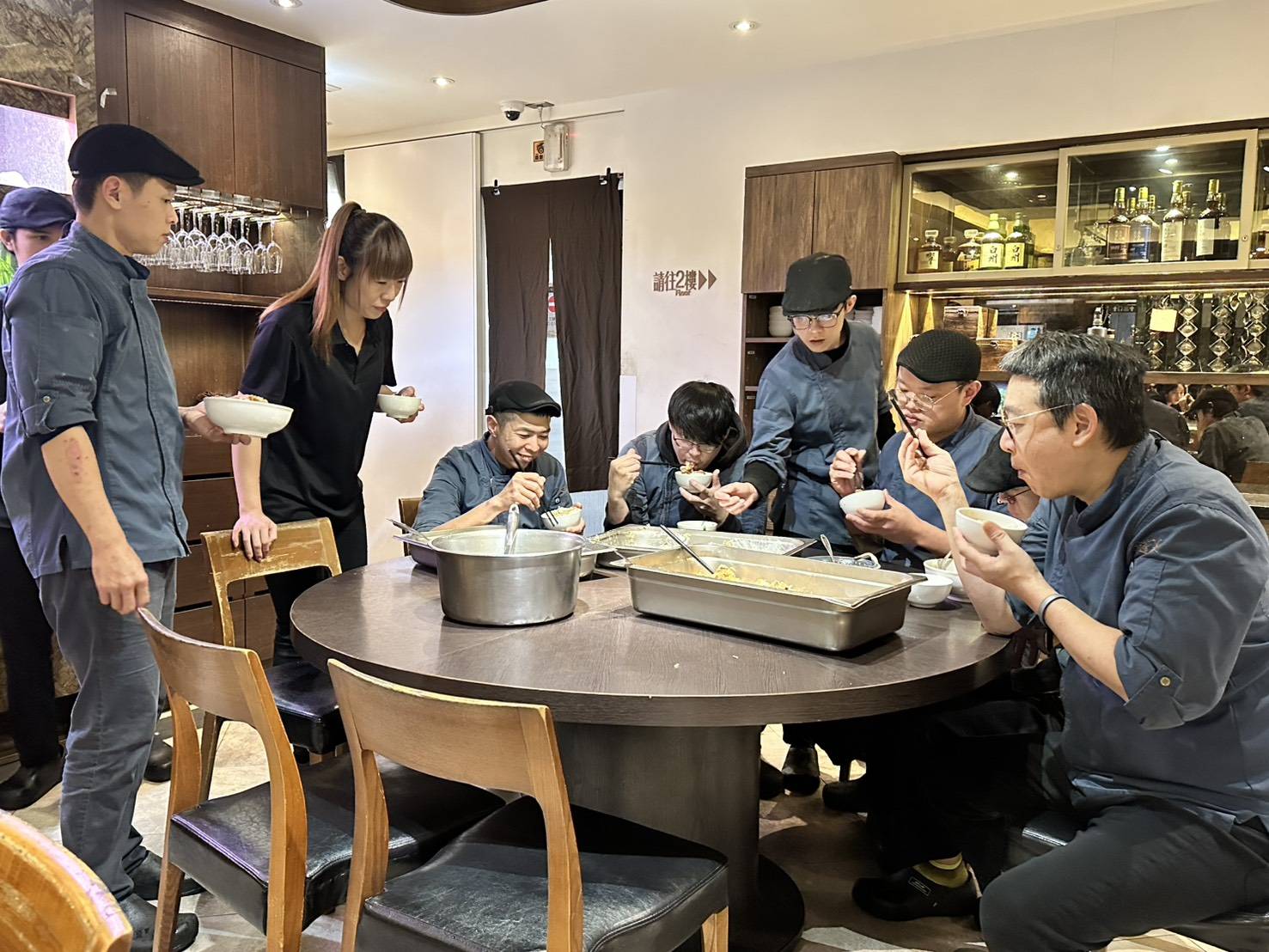
At around 2.30 in the afternoon, the last guests at One-MICHELIN-Starred restaurant Golden Formosa take their leave. As service winds down, another ritual begins: the staff meal. Three dishes and one soup are set on the table, a daily moment of pause before the dinner rush. The meal often features comforting dishes, such as four-herbs soup, sautéed amaranth with egg floss and whitebait, deep-fried chicken with cabbage and onions in a Southeast Asian sweet–sour sauce and seafood okonomiyaki. Each dish is prepared in two batches — one for the front-of-house team and another for the kitchen crew once prep for dinner is wrapped up. Despite being served family-style, the meal is anything but perfunctory. The four-herbs soup is generously filled with tender intestines; the okonomiyaki is packed with firm cubes of fish and squid; and the egg floss is scrupulously made in-house using a half-frying technique that keeps it light, clean-tasting and free of any oily aroma. The method uses less oil but demands constant movement to prevent scorching — another quiet showcase of skill behind the scenes.
“As winter approaches, everyone wants something warming,” says Chef Eric Chen, the third-generation owner of the restaurant. “And for the okonomiyaki, we also mix in seafood trimmings from the day — squid heads, extra fish from making Spanish mackerel vermicelli.” Staff members take turns creating the menu, proposing whatever they feel like cooking. “Three dishes and a soup — there’s always a protein. Fried chicken is everyone’s favorite, but we’ve made everything from pasta and scallion chicken to salads and even sweet potato balls.”

The practice of sitting down to eat together is a tradition passed down from Chen’s grandfather, and even as the team has grown to more than twenty people across the kitchen and dining room, the ritual has stayed unchanged. The first staff meal is served around 2.30 to 3 p.m., giving everyone a real break after the lunch rush. A second, simpler meal — stewed rice, noodles with sauce — is served around 10 p.m.
As business expands and days grow busier, Chen has never once considered replacing the staff meal with takeout lunch boxes. For him, the meal is too important. It gives younger cooks a chance to practice, and his father, Johnny Chen, occasionally stops by specifically to taste it in a quiet gauge of the team’s growth. Above all, the staff meal anchors morale.
“For them, this is the most important meal of the day,” Chen says. “I don’t want to just get it over with. If they don’t eat well, it affects their energy and spirit. I want them to be happy, to eat well and eat enough, and to truly relax — like a family.”
Hong Kong Cuisine
MICHELIN-Selected
MICHELIN Guide Hong Kong & Macau 2025
Dried abalone is a luxury item at any Chinese banquet, but it’s so commonplace at the staff meals of Hong Kong Cuisine 1983 that the team often prefers to elevate humbler ingredients. Daily, during the break between lunch and dinner service, Executive Chef Silas Li gives the junior staff a hands-on lesson in elevating simple household dishes. He selects recipes that showcase a range of techniques, from steaming fish to braising chicken or executing the perfect shrimp and egg stir-fry. After they cook, he tastes their results and offers immediate feedback. The classic steamed pork patty, for example, becomes a masterclass where Li passes on his techniques, using Jinhua ham stock while mixing the minced pork and soaking the goose liver sausage in rose wine for maximum fragrance.
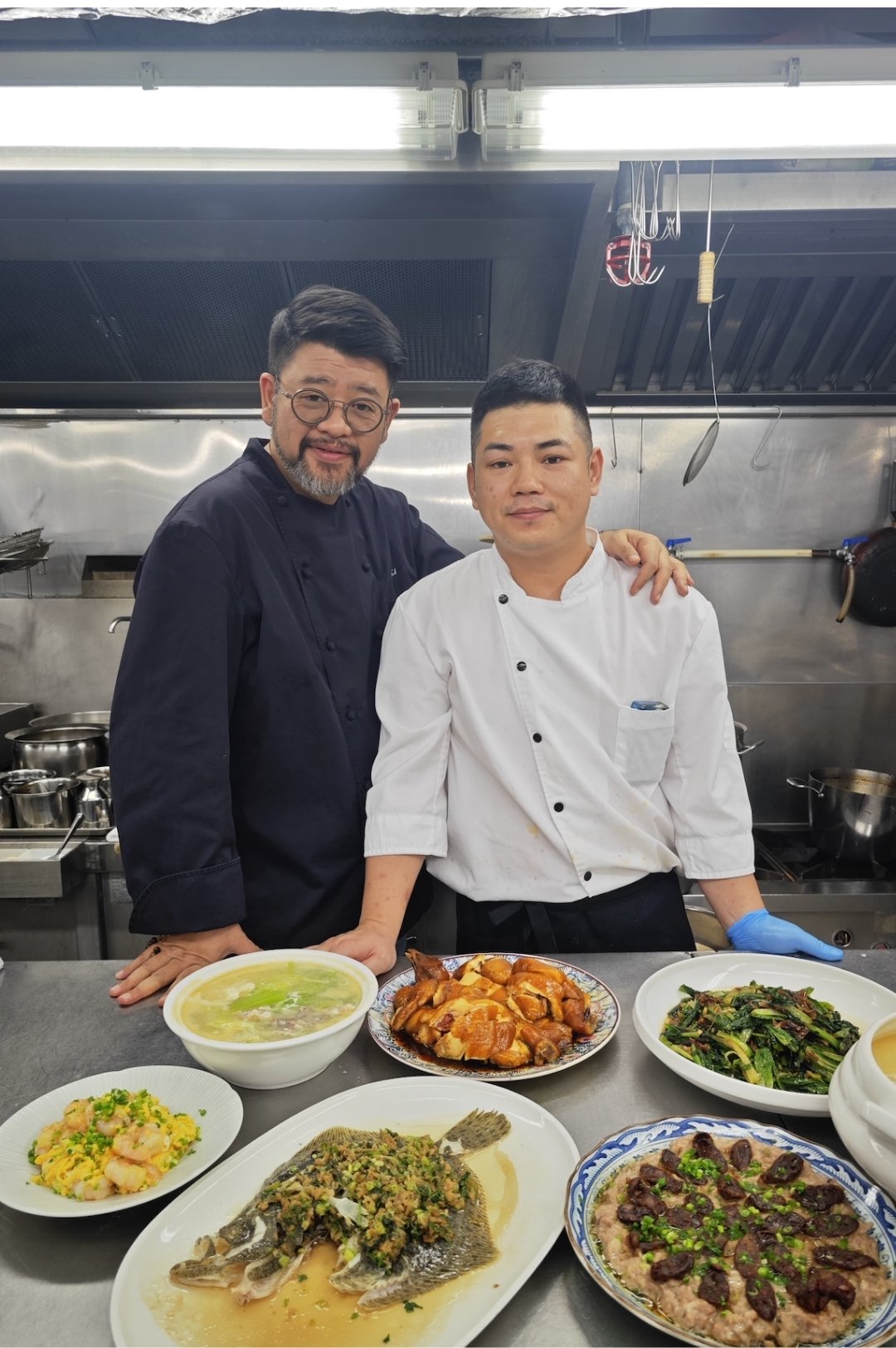
“The first thing about running a restaurant is that you have to look after your staff. Some of our staff have worked here for decades, and our turnover rate is low because we take very good care of them,” Li says. With more than 20 staff in the restaurant, the kitchen and service teams sit together at a round table, serving themselves family-style. They mainly eat Chinese food, but sometimes experiment with Western dishes like pasta — a reflection of the restaurant’s DNA, which features Western-accented Chinese cuisine. The pantry for these meals isn’t limited to fridge leftovers either. Li often returns from his wet market trips with something fresh, and the staff are always welcome to suggest ingredients they’d like to eat. These spontaneous additions act almost like a daily "mystery box," pushing the team to rely on their creativity and instincts as much as their skill. (Left image: © Hong Kong Cuisine)
7th Door
One MICHELIN Star
MICHELIN Guide Seoul & Busan 2025
Toc Toc
MICHELIN-Selected
MICHELIN Guide Seoul & Busan 2025
Bium
MICHELIN-Selected
MICHELIN Guide Seoul & Busan 2025
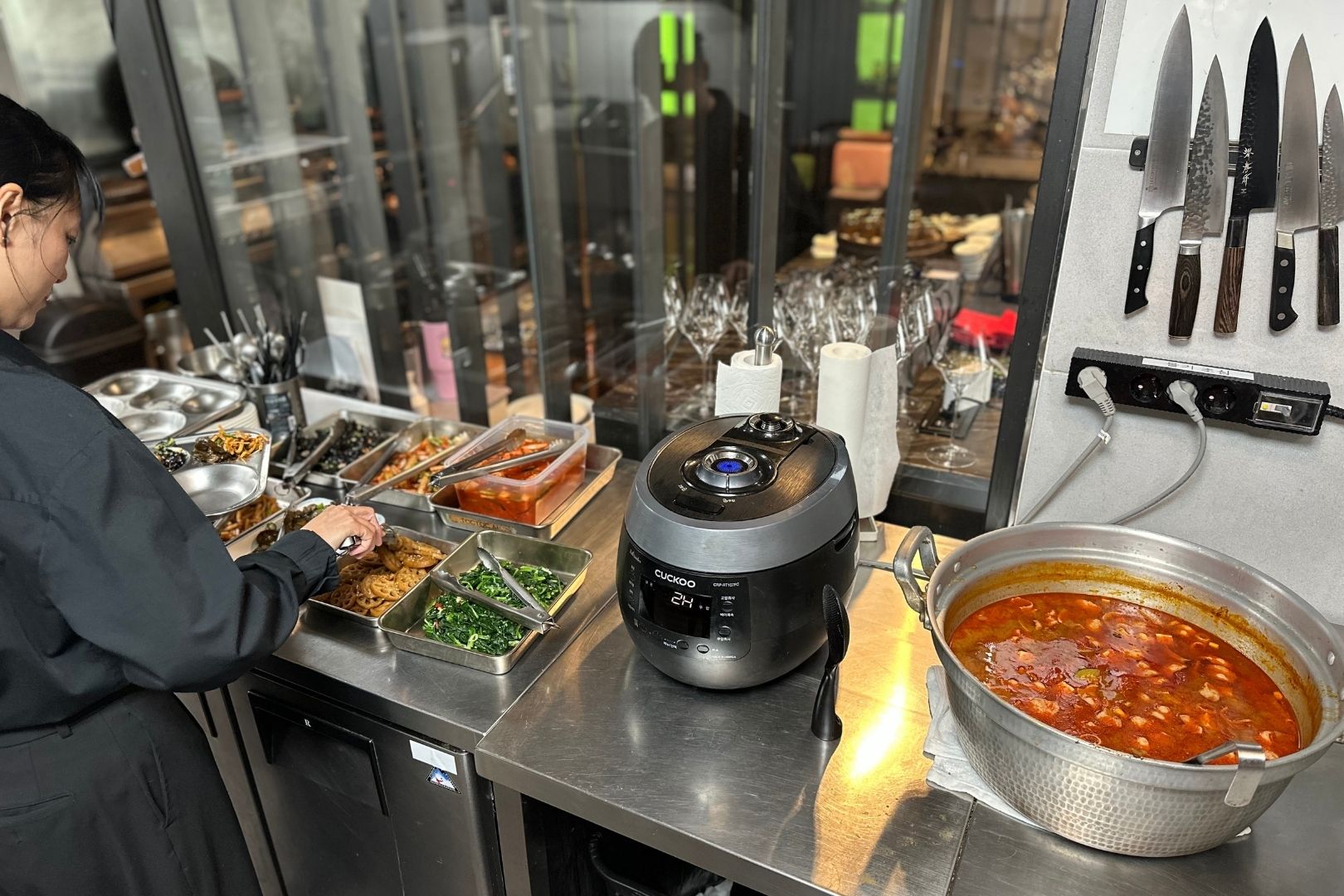
At 7th Door in Seoul, Chef Kim Dae-chun can be found moving between the floors of the Cheongdam-dong building that houses not only his One-MICHELIN-Starred restaurant but also two other MICHELIN-selected venues he runs — Toc Toc and Bium. Here, the staff meal reflects the rhythm of everyday Korean home life. At around 3 p.m., Kim slips away for a quick five-minute bite, a habit left over from his military days. A dozen staff members eat quietly at their own pace, often seated at the restaurant’s chef’s counter — the same place where guests dine — but the food is unmistakably jibap, Korean home-style cooking.
RELATED: The First Day We Got Our Star: 7th Door’s Kim Dae-chun
Kim’s mother, now retired after nearly forty years working professionally with banchan, visits three times a week — Tuesday, Thursday and Saturday, the busiest days — to prepare all the side dishes. Staff help themselves whenever they’re ready, filling stainless-steel compartment trays with marinated eggplant, seaweed salad, cucumber kimchi, radish kimchi, braised lotus root, stir-fried fish cake, steamed rice and a spicy doenjang (fermented soybean paste) stew enriched with a touch of gochujang (fermented chili paste). “Chefs often skip breakfast and grab instant noodles in the afternoon and then have a late-night snack,” Kim says. “I wanted to make sure the one proper meal they eat is something real and nourishing.”
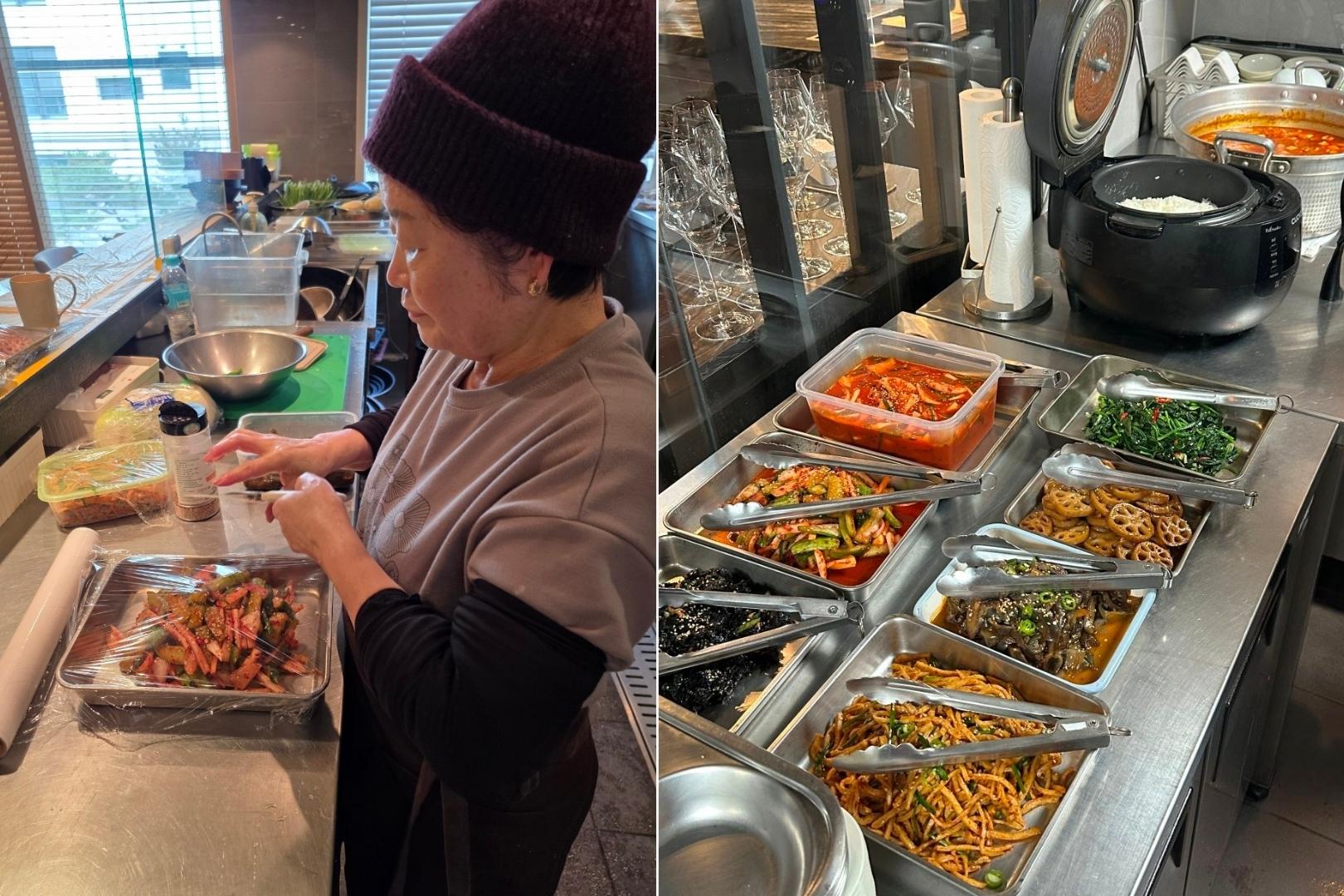
That philosophy extends across his restaurants. Because Bium is entirely vegan — inspired by Korean Buddhist temple cuisine — no meat or fish can enter the kitchen. Staff there could join the 7th Door or Toc Toc teams for lunch, but instead prefer to cook their own plant-based dishes, mostly namul (seasoned vegetables, roots or herbs). After six months, Kim says, “their faces look brighter — not because they gained weight, but because they genuinely got healthier.” At 7th Door, another tradition brings the team together: every May, Kim prepares gomtang, a slow-simmered Korean beef bone soup that the staff look forward to each year. He starts cooking it three days before his birthday. The chef, once too shy to accept birthday attention, laughs at how much he has changed. “When I was younger, my father kept telling me to eat better. Now that I’m almost fifty, I finally understand.” It’s a sentiment that shapes not only the restaurants he runs, but the staff meals that quietly sustain them.
Ryuzu
Two MICHELIN Stars
MICHELIN Guide Tokyo 2026
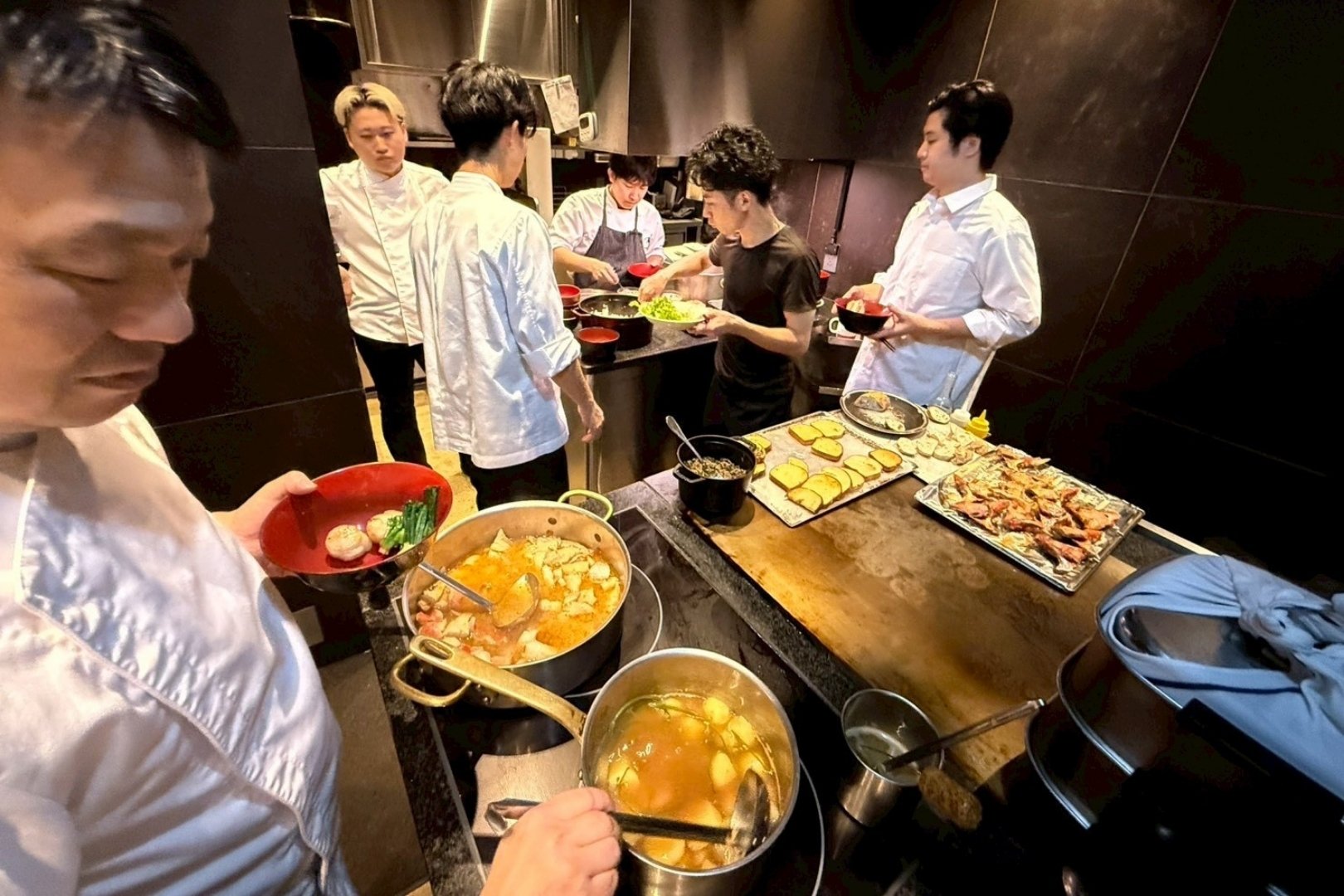
The name “Ryuzu” was chosen by Chef Ryuta Iizuka, inspired by the crown of a watch. It reflects his wish to honor the passing of seasons, the time it takes for ingredients to grow and the desire to capture each moment with precision in his cuisine. This respect for time carries naturally into the daily staff meal, where the growth of young cooks and the bonds within the team take shape.
At the Two-MICHELIN-Star restaurant, there is no such thing as a “standard” staff meal. Though the restaurant serves contemporary French cuisine, the staff meals range widely from Japanese to Western and Chinese dishes. This diversity comes from the rotation system in which different kitchen members take turns preparing the meal, as well as the need to make thoughtful use of leftover ingredients from service. Each dish naturally reflects the background and palate of the person cooking it, giving the meals a quiet individuality. On busy weeks, especially before weekends, the team may prepare a large pot of curry in advance to ease the workload on the day itself. In a physically demanding kitchen, ensuring that everyone eats well is also a form of care. And as the Japanese saying “eat from the same pot of rice” suggests, sharing the same food and time strengthens the sense of camaraderie that defines Ryuzu’s working atmosphere.
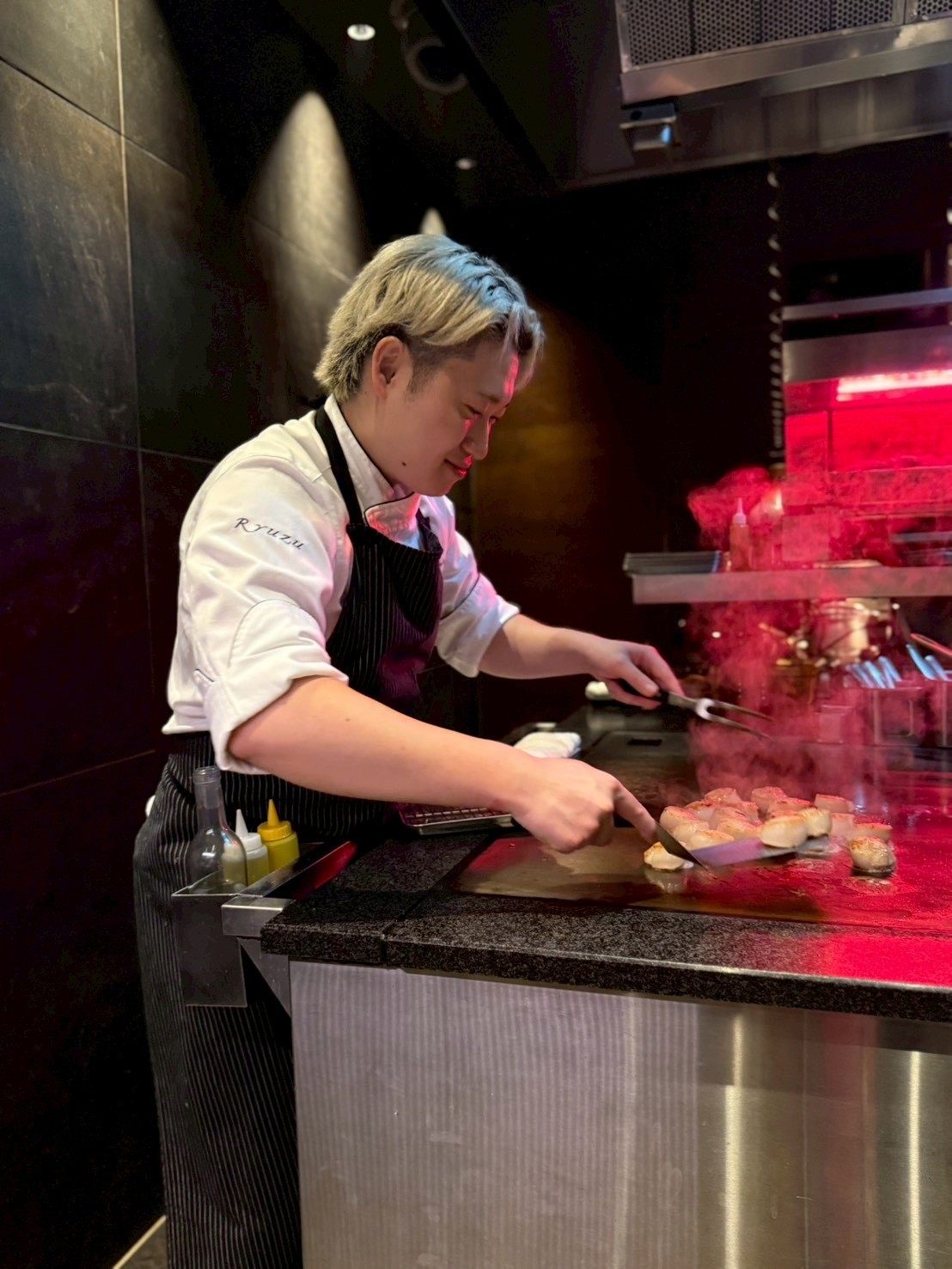
For junior staff, preparing the staff meal is often the first true step in becoming a cook — a place to learn technique, timing and the order of work. Each member takes a turn cooking for the entire team, sometimes for as many as fifteen or sixteen people. Few are skilled from the beginning, but watching them improve over time is one of Iizuka’s greatest pleasures. A poorly executed meal, meanwhile, becomes an opportunity to reflect on guidance and training. Through these repetitions, a continuous cycle of teaching and learning forms, supporting not only technical progress but personal growth. Many on the team live alone, so eating nourishing food at regular hours also becomes a form of daily support. (Right image: © Ryuzu)
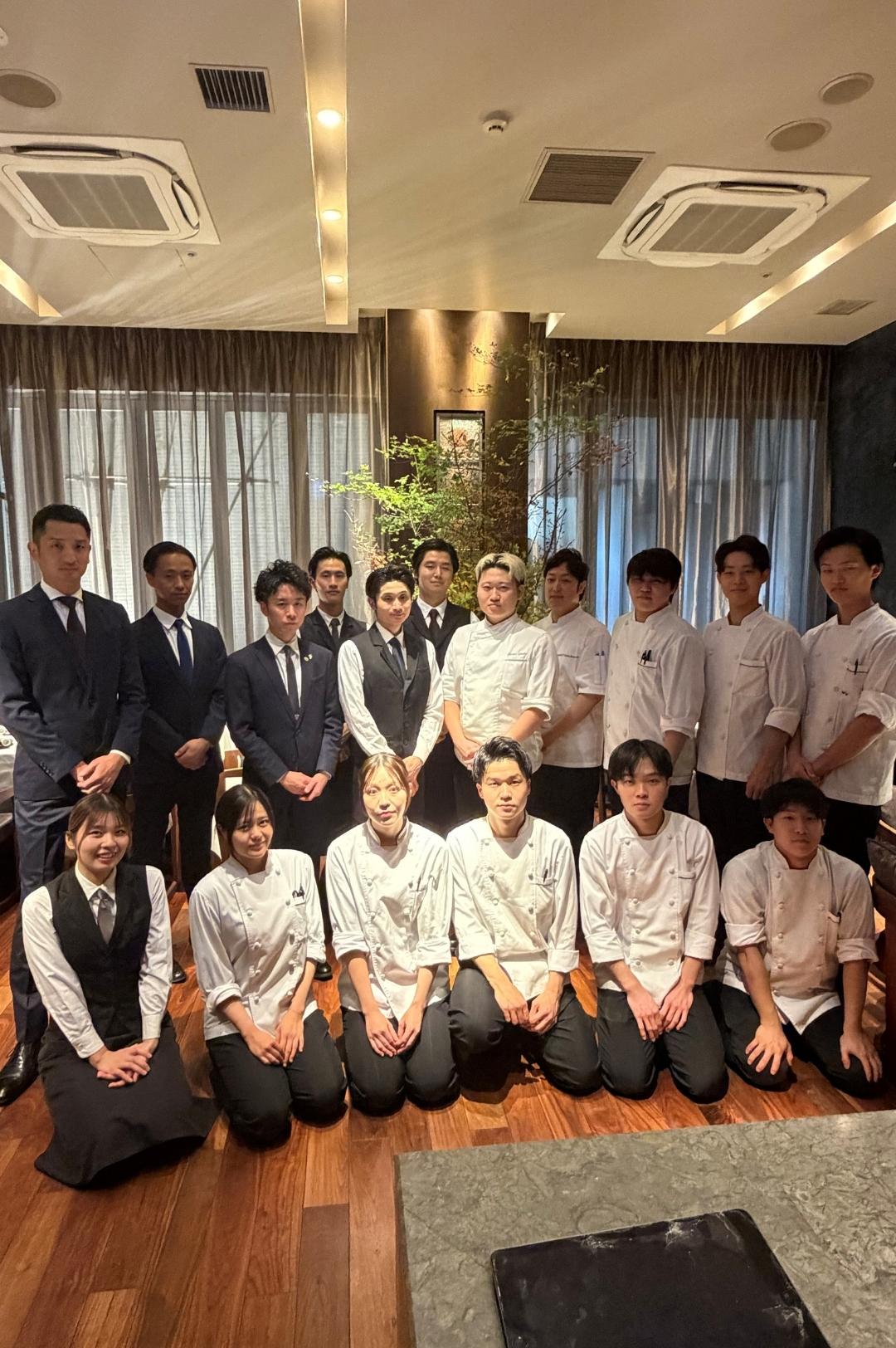
Before days off, the team sometimes holds a “tasting staff meal” using leftover ingredients to try the very dishes served to guests. These moments allow the staff to revisit flavors, discuss quality and even consider wine pairings together. These habits — where learning, enjoyment, responsibility and care come together — have long supported the team spirit at Ryuzu. As Iizuka says, “cooking is an expression of love.” That spirit is also quietly present in the daily staff meal. (Left image: © Ryuzu)
Written by Mikka Wee in Singapore and Manila, Hsieh Ming-Ling in Taiwan, Hei Kiu Au in Hong Kong, Hyo-Won Lee in Seoul and Suma Wakui in Tokyo; introduction and edits by Ethan Lau.