10 December 2025


Share


The Parisian bistro has always been more than a place to eat. Since the early 19th century, it has functioned as a kind of civic engine — where neighbors meet, arguments spark, ideas circulate and the city’s rhythms are measured in glasses poured and dishes shared. What began as an intimate and humble refuge for slow-cooked comfort has shape-shifted over the decades, reinvented by successive waves of chefs and restaurateurs. The red-checked tablecloths may have faded, but the convivial spirit — the bistro’s soul — remains intact. And it’s that energy we tap into over the next 48 hours.
This two-day itinerary weaves together four bistros from The MICHELIN Guide that chart the genre’s evolution from storied institutions to contemporary outliers shaking up expectations. In between meals, we slip into cafés and wine bars that are rewriting the rules, browse heritage ateliers and fresh-thinking design spaces, and wander through house museums that reveal a more intimate version of the city: Paris beyond the postcard.
Get all the details in the new episode of our 2 Days In series:
2 Days in Paris: Authentic Bistros & Hidden Gems Locals Love
Find your hotel
Where to Stay in Paris
Few cities rival Paris for its sheer concentration of exceptional hotels — discreet neighborhood hideaways, storied grandes dames, avant-garde boutiques — spanning every style and price point, many of which have been vetted by MICHELIN Guide Inspectors.
For a short visit with a packed schedule, book a centrally located hotel to maximize your time. One option is to make the Marais your home base with a stay at the One-MICHELIN-Key Maison Proust a 23-suite Belle Époque fantasy designed by Jacques Garcia as an homage to French novelist Marcel Proust and the literary salons of fin de siècle Paris.
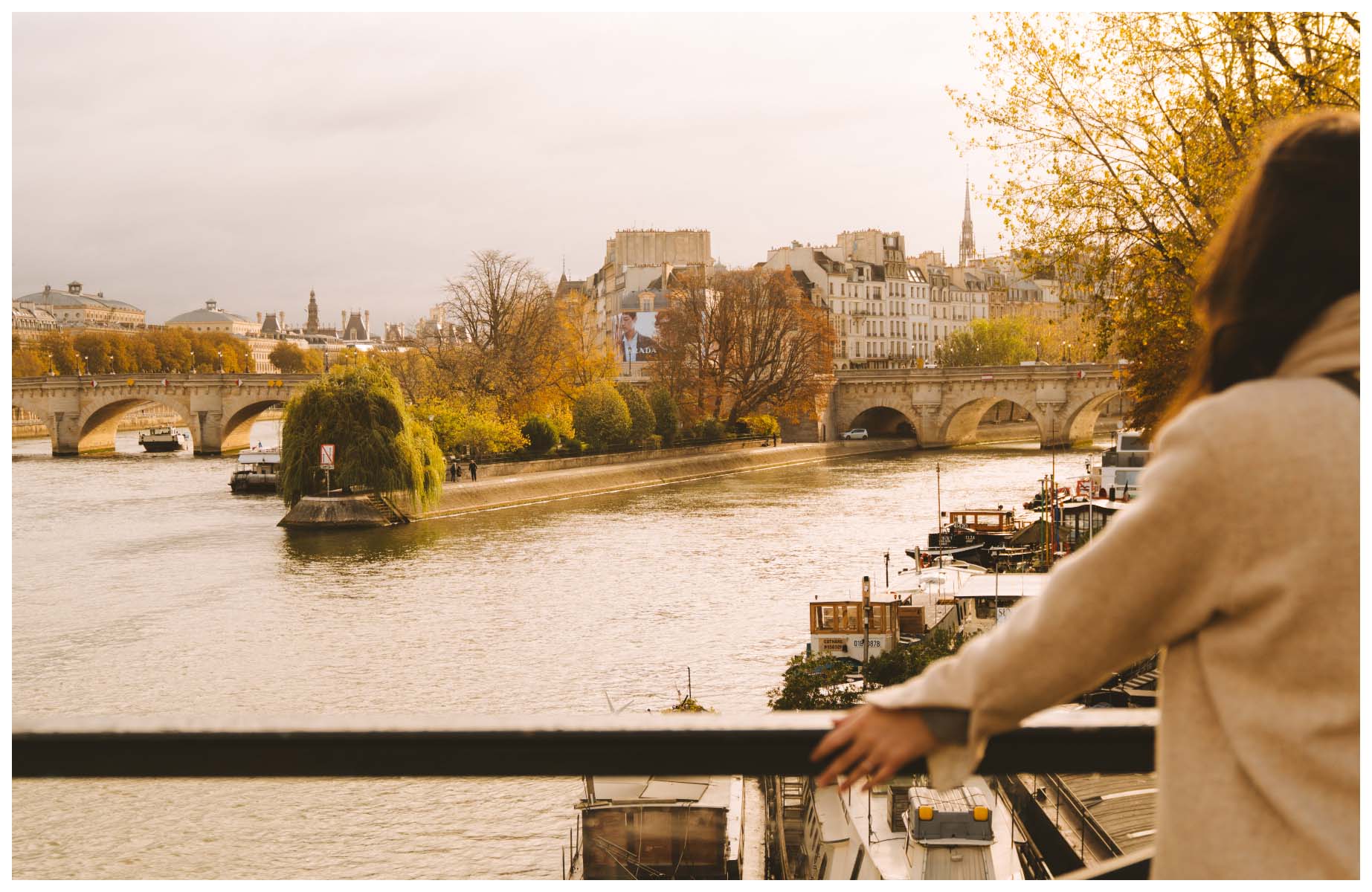
Stepping inside this intimate boutique hotel in a restored multistory maison particulier feels like stepping into a richly layered novel, with each suite named after figures from Proust’s circle, including Sarah Bernhardt, Charles Baudelaire and Auguste Renoir. In true Garcia style, the interiors are maximalist, featuring tapestries, period paintings, leather-paneled walls and works of art that create a throwback atmosphere that leans into opulence. Underground, a Moorish-inspired Spa La Mer features hand-laid zellige tilework, a heated pool, a hammam and a variety of treatments.
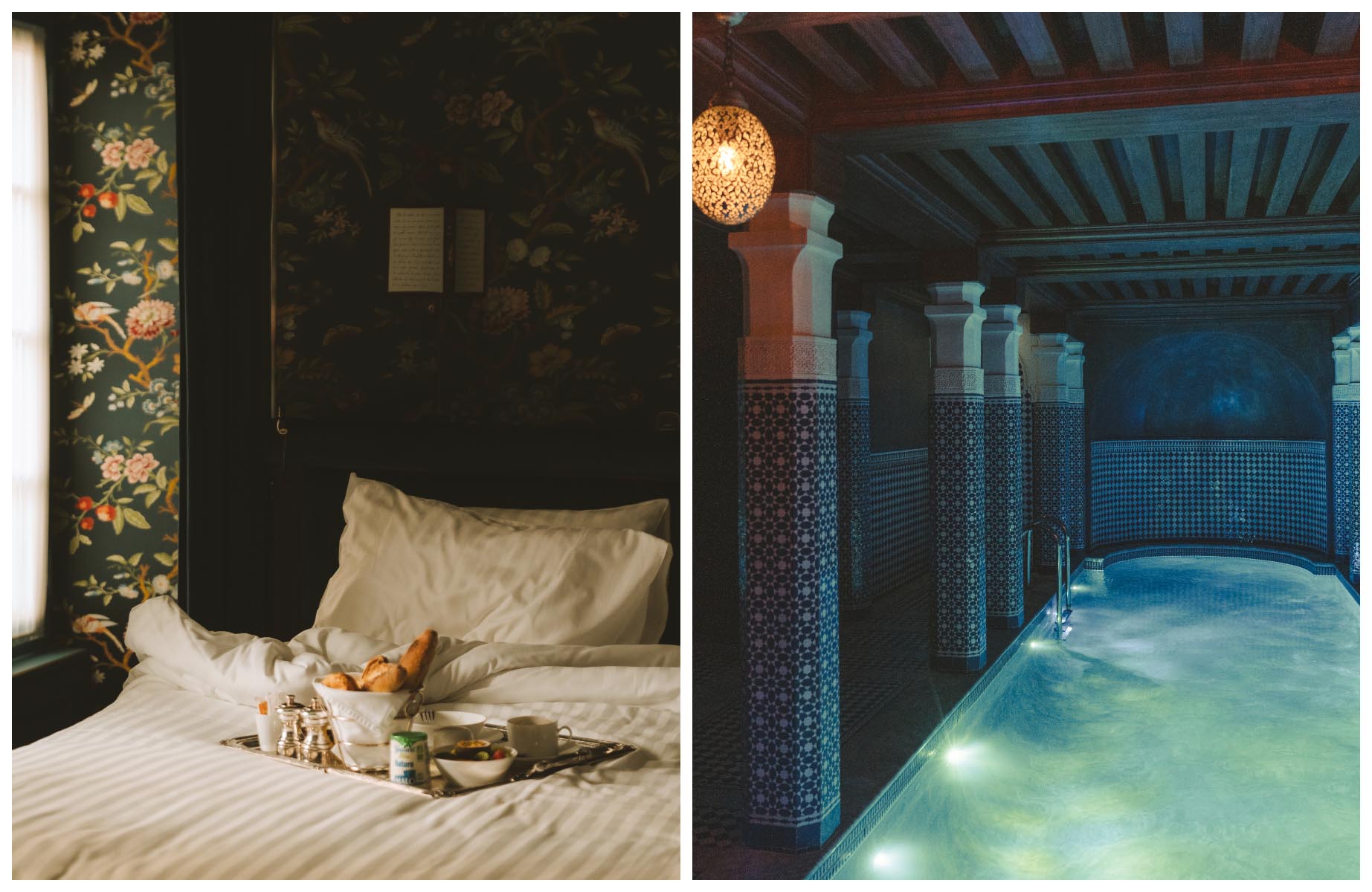
Key to a stay here, however, is carving out time for lingering in the plush bar and lounge. It’s popular with locals for its literary-themed cocktails (like the Madeleine de Proust, made from vanilla-infused vodka, Grand Marnier, Amaretto Adriatico, Pineau des Charentes and a touch of lemon juice) and its circular library decked out with more than a thousand rare books and an Opéra Garnier-inspired painted dome ceiling that is truly otherworldly. As part of an ongoing residency, Colin Field, formerly the head mixologist of the Ritz’s iconic Hemingway Bar for three decades, drops by several Fridays per month to serve his own selection of creative cocktails and mingle with regulars.
On the Left Bank in Saint-Germain-des-Prés, the Mandarin Oriental Lutetia is the only hotel with a Palace distinction (France’s highest designation above five stars) south of the River Seine. Built in 1910 in the art nouveau style, the property has hosted everyone from Pablo Picasso and Ernest Hemingway to Josephine Baker, who used it as her Parisian pied-à-terre. It was beautifully refreshed by architect Jean-Michel Wilmotte in recent years, with calming navy and beige tones and plenty of natural light.
For a more affordable yet stylish option, the Lázaro Rosa Violán-designed Pulitzer Paris in the 9th arrondissement near the Opéra Garnier offers 44 rooms with character and warmth, mixing early 20th-century glamour with contemporary touches — all wood paneling, golden lighting and carefully curated art.
Day One on the Left Bank
10 a.m. Dip Into Literary Paris
Once you’ve settled in at your hotel, head straight to café Maison Fleuret for breakfast. It’s only a few minutes on foot from the more familiar and tourist-saturated cafés of Left Bank literary lore, Les Deux Magôts and Café de Flore, and far more intimate. Occupying the space of a 19th-century bookstore, the owners preserved the bookish focus, adding hundreds of their own Gallimard titles to stock the floor-to-ceiling shelves on both levels. Come for a specialty coffee, a vegetarian breakfast plate and a buttery almond financier, and lose yourself in a book.
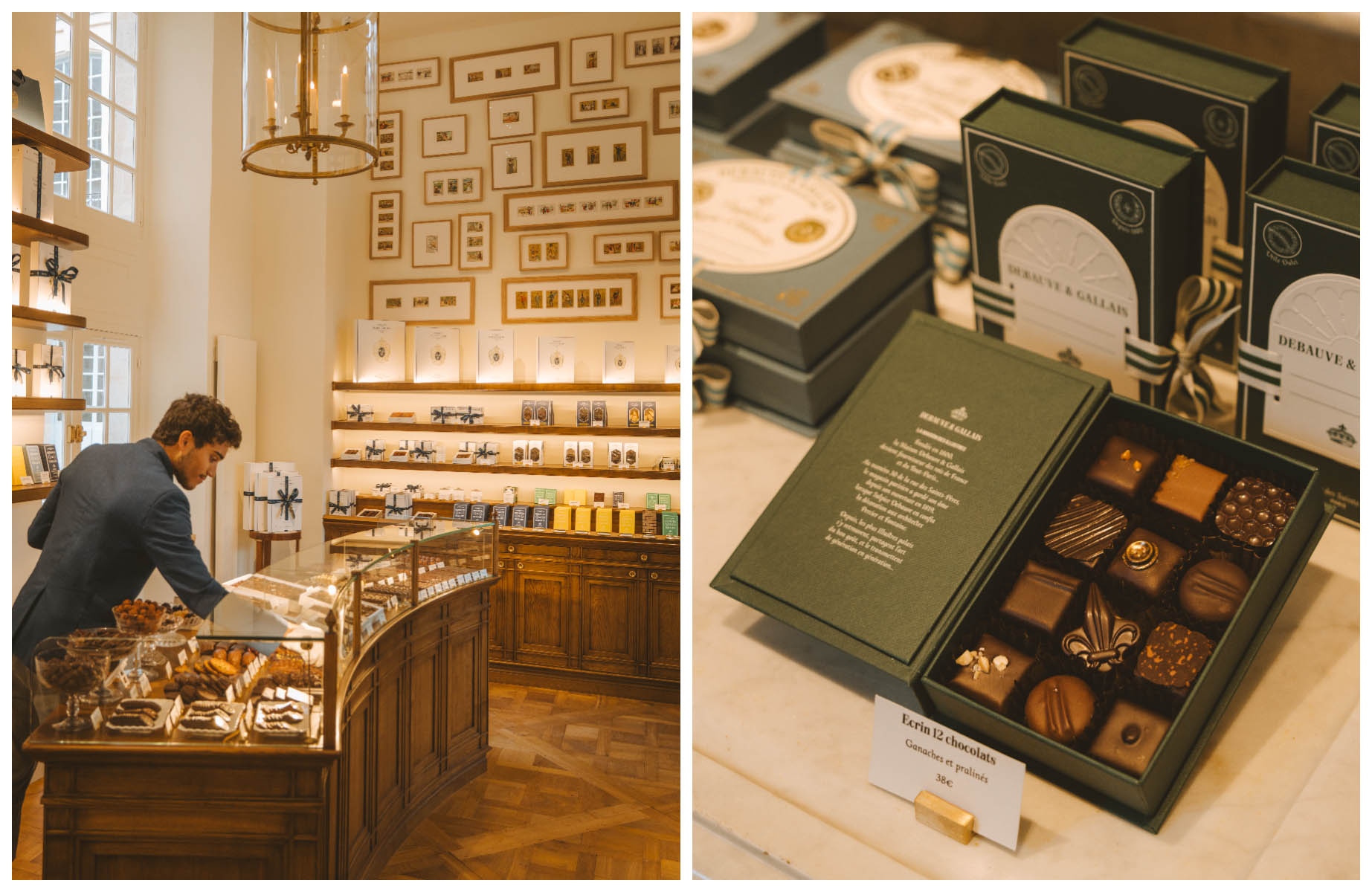
Before you head out for a stroll, stop into the original Debauve & Gallais chocolate shop from the early 19th century. It’s here that King Louis XVI and Queen Marie Antoinette’s personal pharmacist-turned-chocolatier Sulpice Debauve shared his chocolate findings with the world. In 1779, the pharmacist concocted his first bite-sized chocolates with medicinal properties, mixing a remedy for headaches, which the queen greatly suffered from, with cocoa butter. She became particularly fond of his coin-shaped chocolates, which she called pistoles — still among the shop’s bestsellers today. More recently, the chocolatier opened an offshoot on Place des Vosges in the Marais, which we visit later in this itinerary.
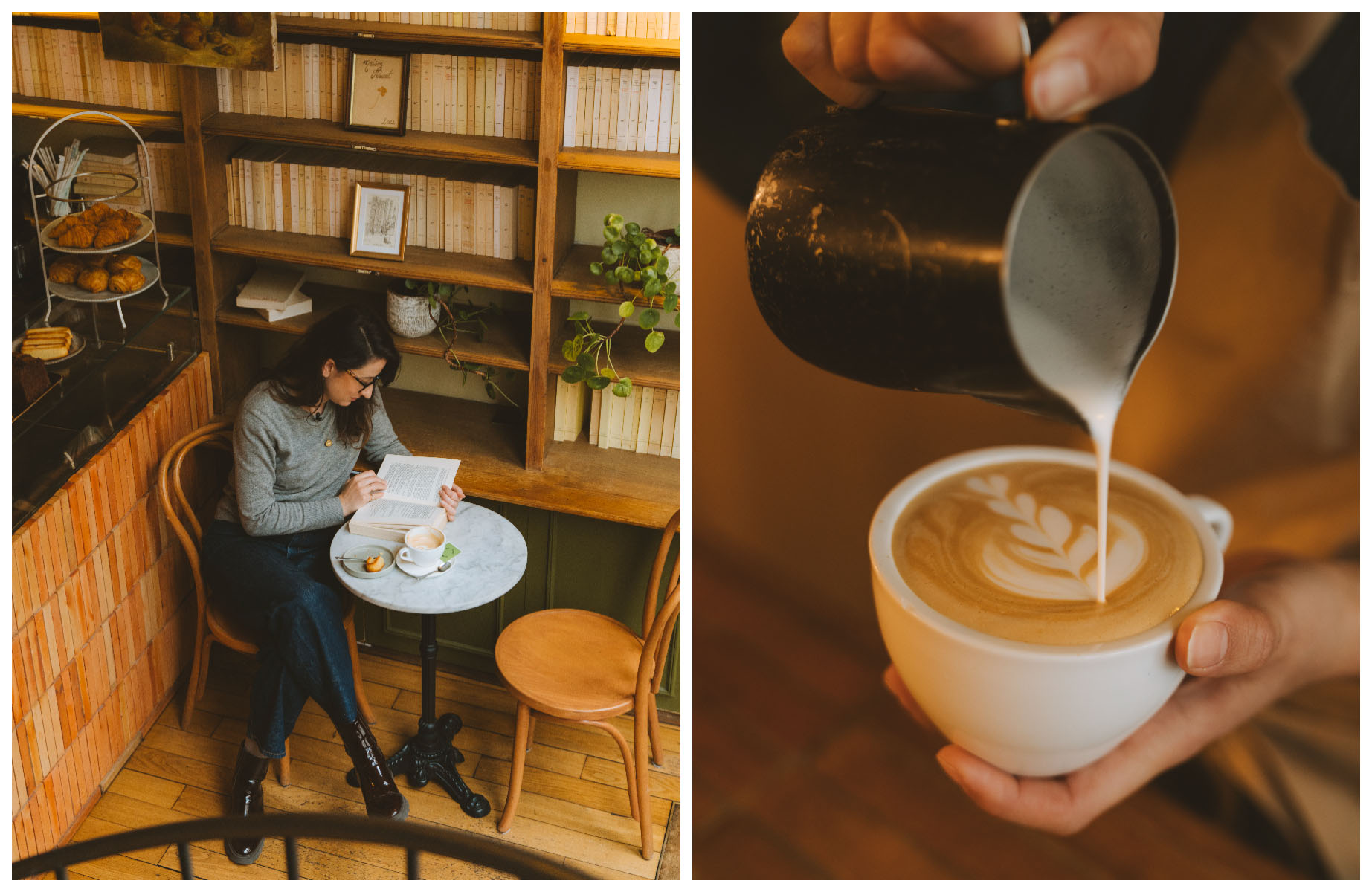
11 a.m. Make a Quiet Cultural Stop
A short walk away is the Musée Eugène Delacroix, a blink-and-you-miss-it house museum where the Romantic artist lived and worked up until his death. Tucked away in the quiet but picturesque Square Furstemberg, the museum includes a garden and permanent collection featuring paintings, drawings, prints and manuscripts by Delacroix, as well as objects that belonged to him and works created by artists who admired him. If you can devote a little more time, sign up for one of the institution’s drawing workshops suitable for kids and adults alike.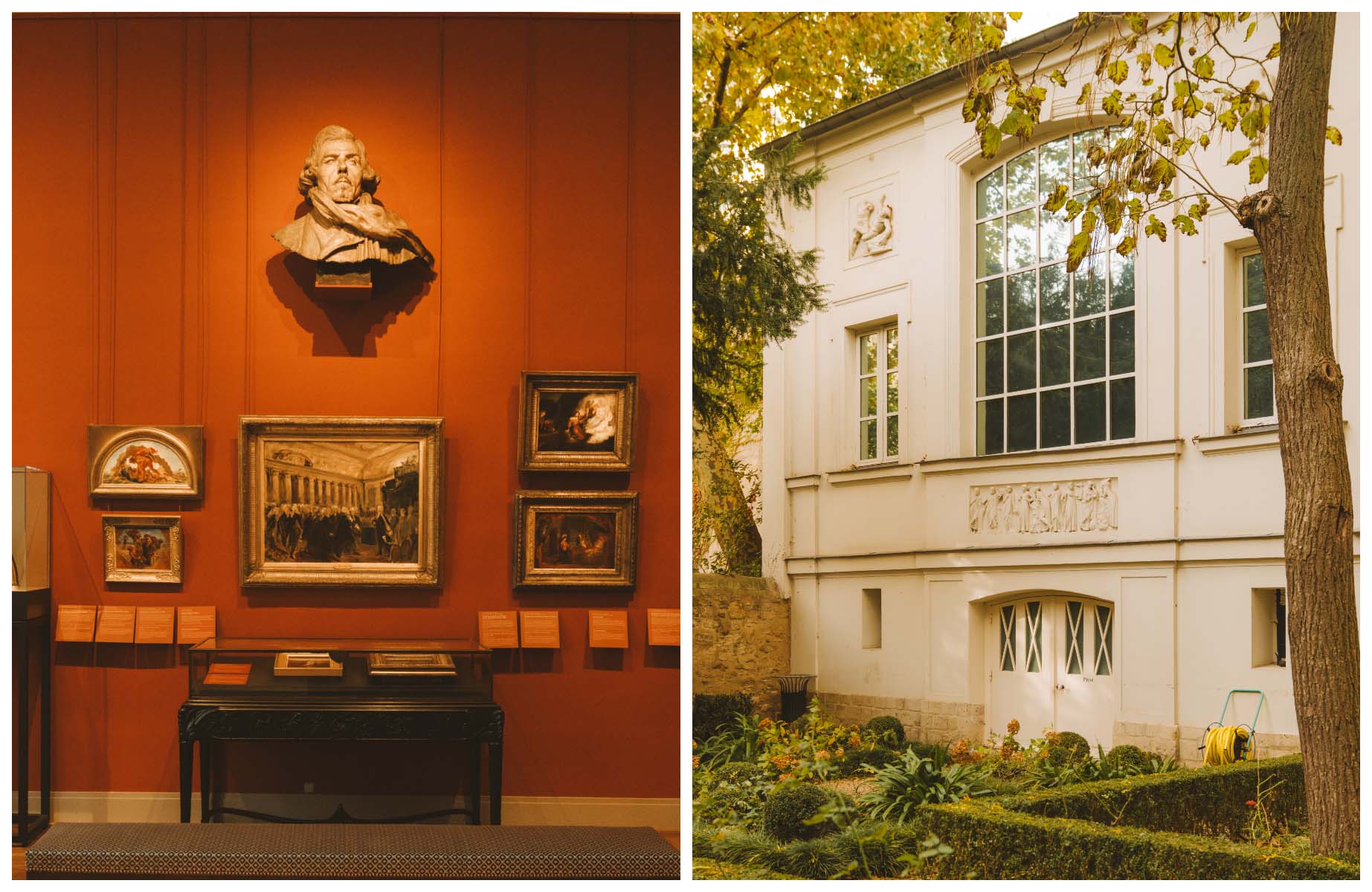
1 p.m. Book a Classic Bistro Experience at Allard
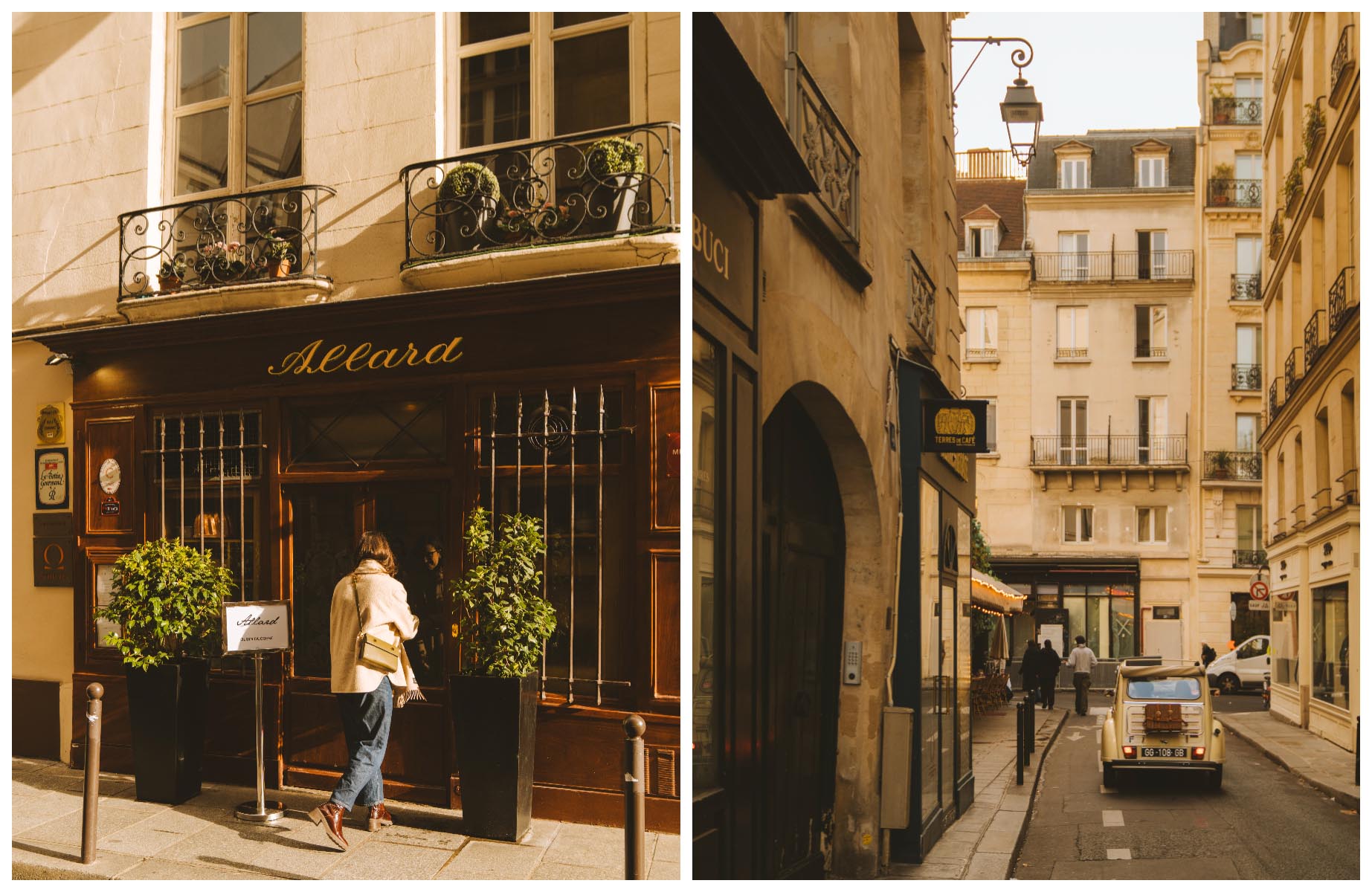
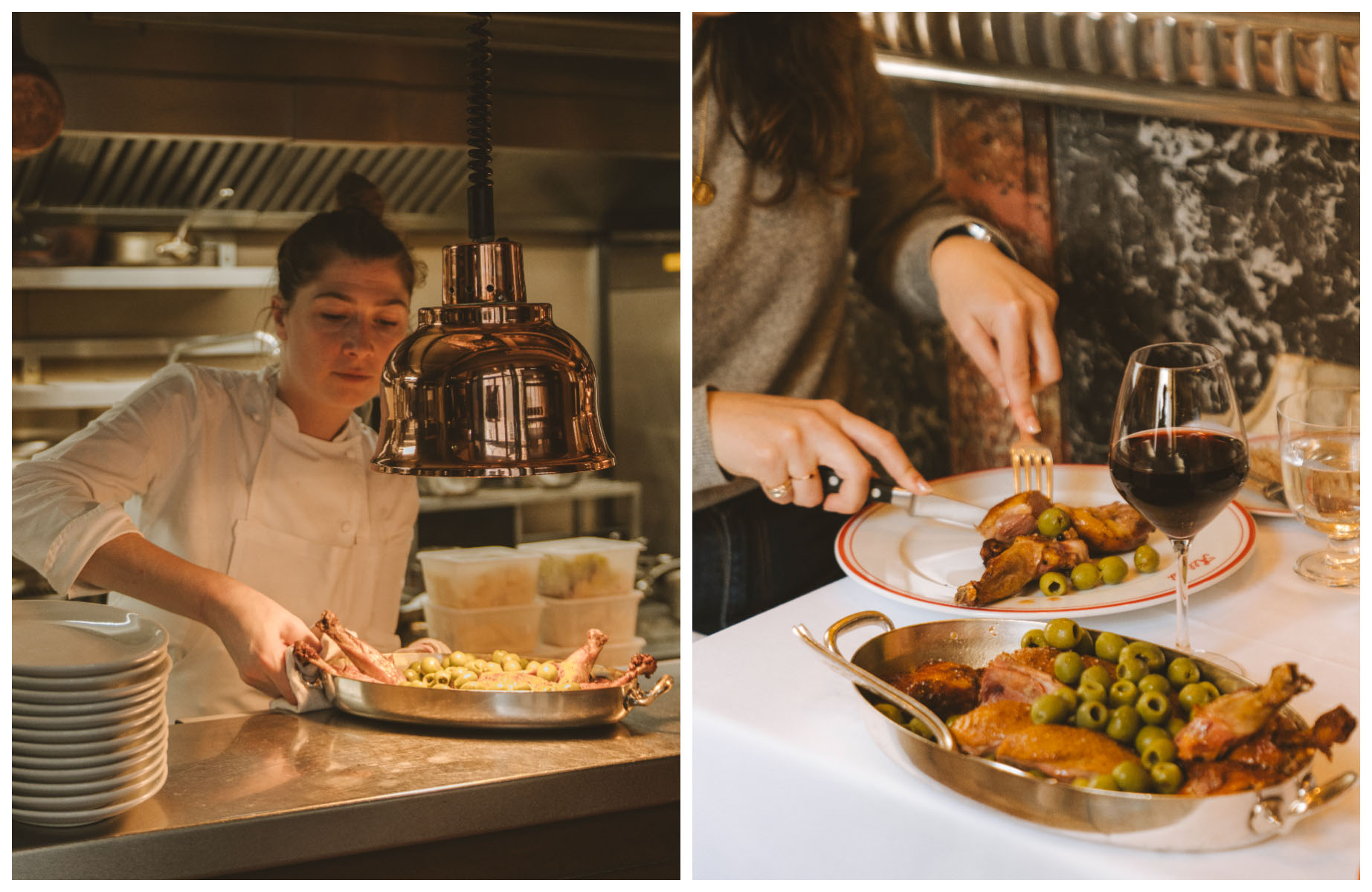
A lunch at this Left Bank institution means experiencing a classic interpretation of the bistro. Opened in 1932 by Marthe Allard, a Burgundy-born cook who brought her family recipes to Paris, Allard was the first traditional restaurant to be recognized by The MICHELIN Guide. That was back in the 1960s, and while the menu has been updated, it still revolves around many of the dishes she and her daughter-in-law (who would later take over) made famous — duck with olives, escargots with garlic-parsley butter, seasonal stews — served in a dining room that has changed little since her time. Generations of chefs and owners have passed through, including Alain Ducasse, who revived the legend in 2013. Today, Chef Lisa Desforges maintains a sense of continuity with Allard’s earlier iterations but updates the recipes for today’s tastes — namely making them a little lighter.
3 p.m. Shop the Artisans of Saint-Germain-des-Prés
The artistic and literary fabric of the neighborhood goes back to the late 19th century, with many of the galleries, antique shops and bookshops lining the streets keeping that past alive. But there are new additions that have modernized the offerings, like the second outpost of Slow Galerie, an accessible art gallery/boutique — housed in what was reportedly once an épicerie where Honoré de Balzac shopped — specializing in the work of emerging and experienced artists spanning multiple disciplines. Nearby, the Librairie des Saints Pères prints illustrated books and reproduces manuscripts, sketches and first drafts of classic works, like Lady Susan by Jane Austen and Notre-Dame de Paris by Victor Hugo. Head down the road even further and you’ll find hand-blown recycled glassware and terra-cotta and plaster accessories at the family-run La Soufflerie.
5:30 p.m. Toast With a Creative Apéritif
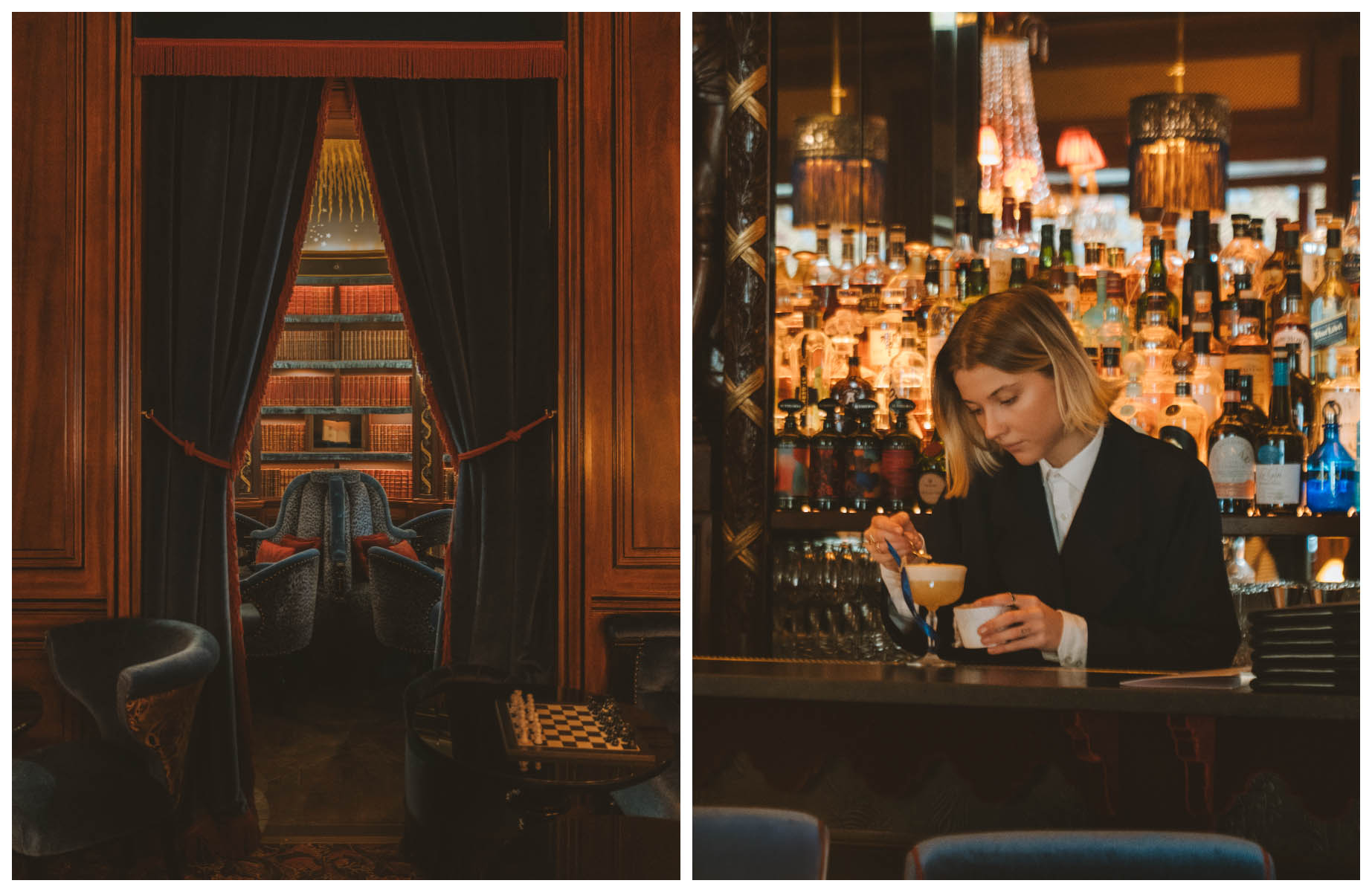
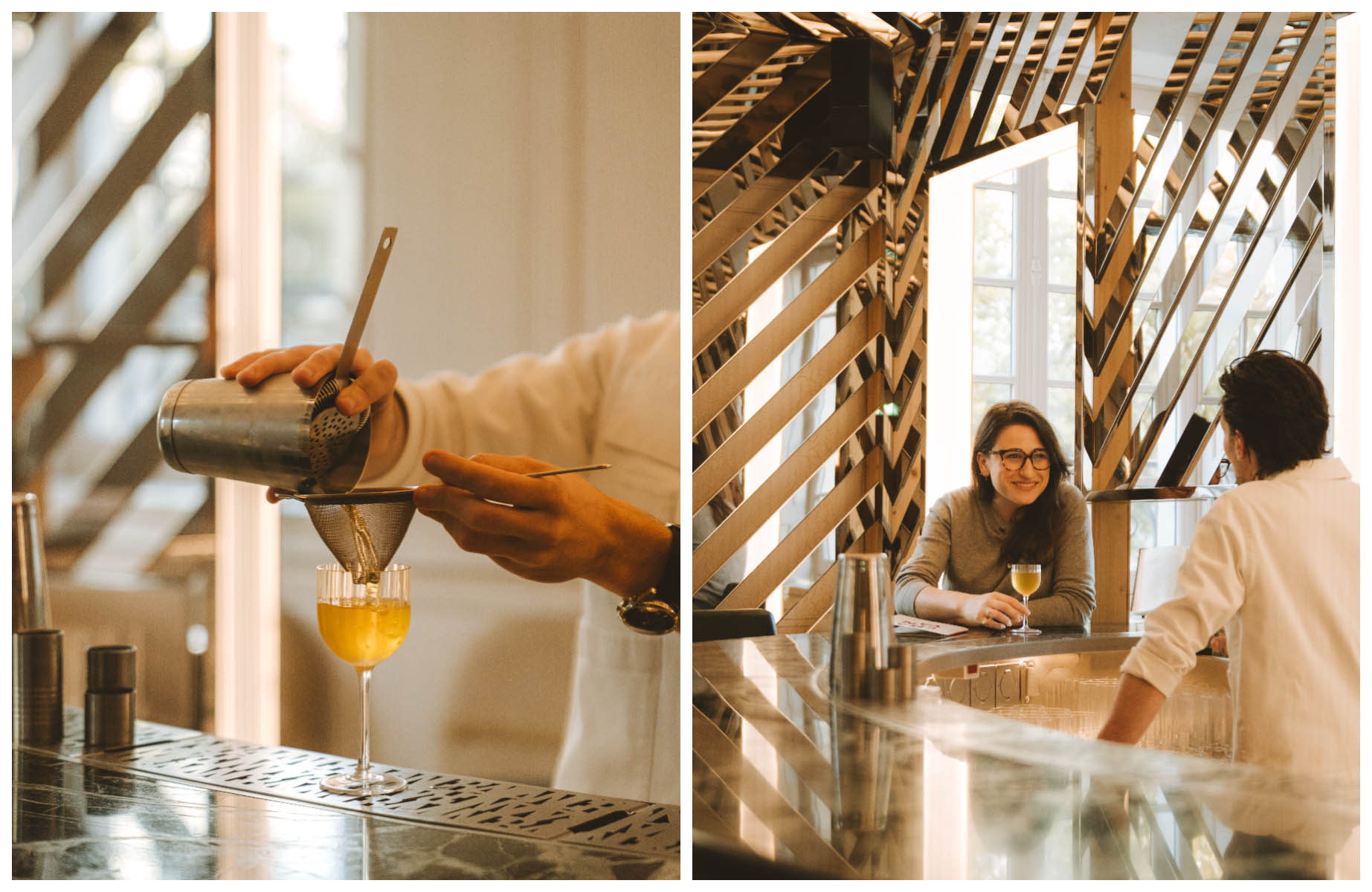
Paris may be synonymous with wine and wine bars, but the craft cocktail movement of the last 15 years put the city on the world’s cocktail map. After its speakeasy heyday, places like mixologist Franck Audoux’s Cravan are redefining what a bar can be. Occupying an old 17th-century house, the multistory bar with an on-site Rizzoli bookstore is the city’s largest and the big sister to the original art nouveau bar that Audoux opened in the 16th arrondissement in 2018. The goal is to emphasize French spirits in a menu of classic, Champagne-based and inventive long and short drinks across three distinct bar atmospheres. Among the most creative of late is the 果Ka, made with vodka infused with a smoked sencha from Ogata, citrus jam and sparkling saké.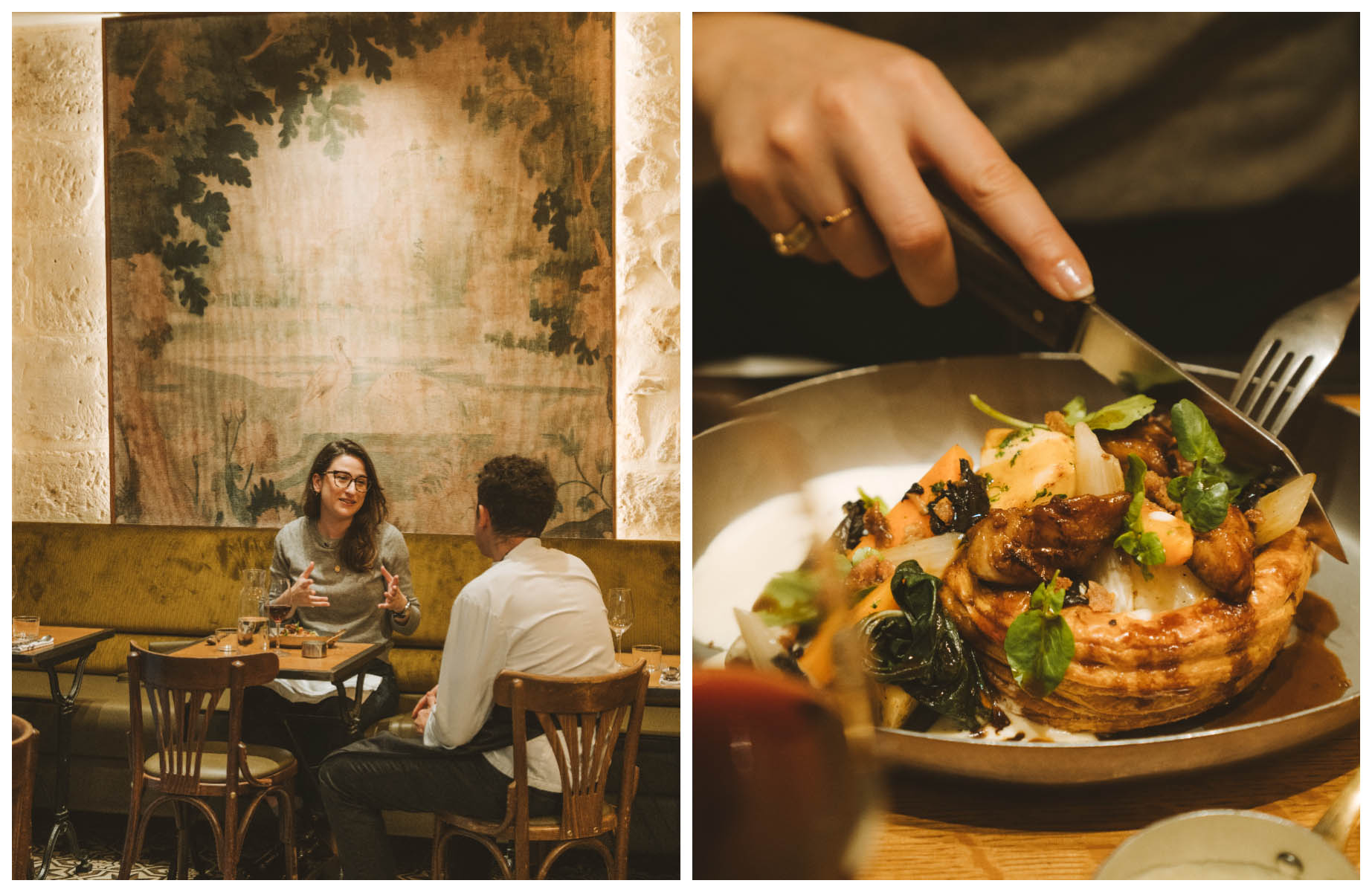
7:30 p.m. Dine Where Old Meets New
It looks like a bistro, it feels like a bistro (with some gussied-up decor), but Chef Baptiste Borderie brings a more modern flair to Colvert through his work with sauces, flavor pairings and textures. Of course, given the restaurant’s name — “colvert” is French for “mallard” — the menu leans heavily on meat and game.
“You have the codes of the bistro here, but we’ve tried to update them,” says Borderie. “We have all the classics but we’ve lightened them, modernized them with newer techniques and influences from our travels.” However, while making classics lighter, he and his team have also preserved the generosity one expects from a bistro meal. A classic leek vinaigrette recipe was refreshed with the earthy flavors of raw champignons de Paris (button mushrooms) and cooked trompette de la mort mushrooms, plus toasted hazelnuts and fried onions for added texture. The vol-au-vent was served with ris de veau (sweetbreads) and seasonal root vegetables, dressed in a Comté cheese sauce. And if you’re lucky, dessert might be a riff on the classic clafouti, prepared with poached plums instead of sour cherries and topped with a scoop of cardamom-almond ice cream.
Day Two on the Right Bank
Morning - Shop High and Low in the Marais
The northern part of the neighborhood is full of unique independent shops and sprawling culinary and lifestyle destinations unto themselves. OFR has been the local go-to for art and fashion books and niche magazines, including rare editions, for 25 years. It sits on one side of the Carreau du Temple from Monsieur, a discreet jewelry store and workshop that has produced delicate pieces by hand for 15 years. And perhaps the most unusual is Ogata, a temple to Japanese craftsmanship and tradition opened in 2020 by the architect, designer and restaurateur Shinichiro Ogata. Within its cathedral-like walls you’ll find a teahouse, a confectionery stand lined with wagashi made fresh daily, a boutique of artisanal goods, a restaurant and an exhibition space.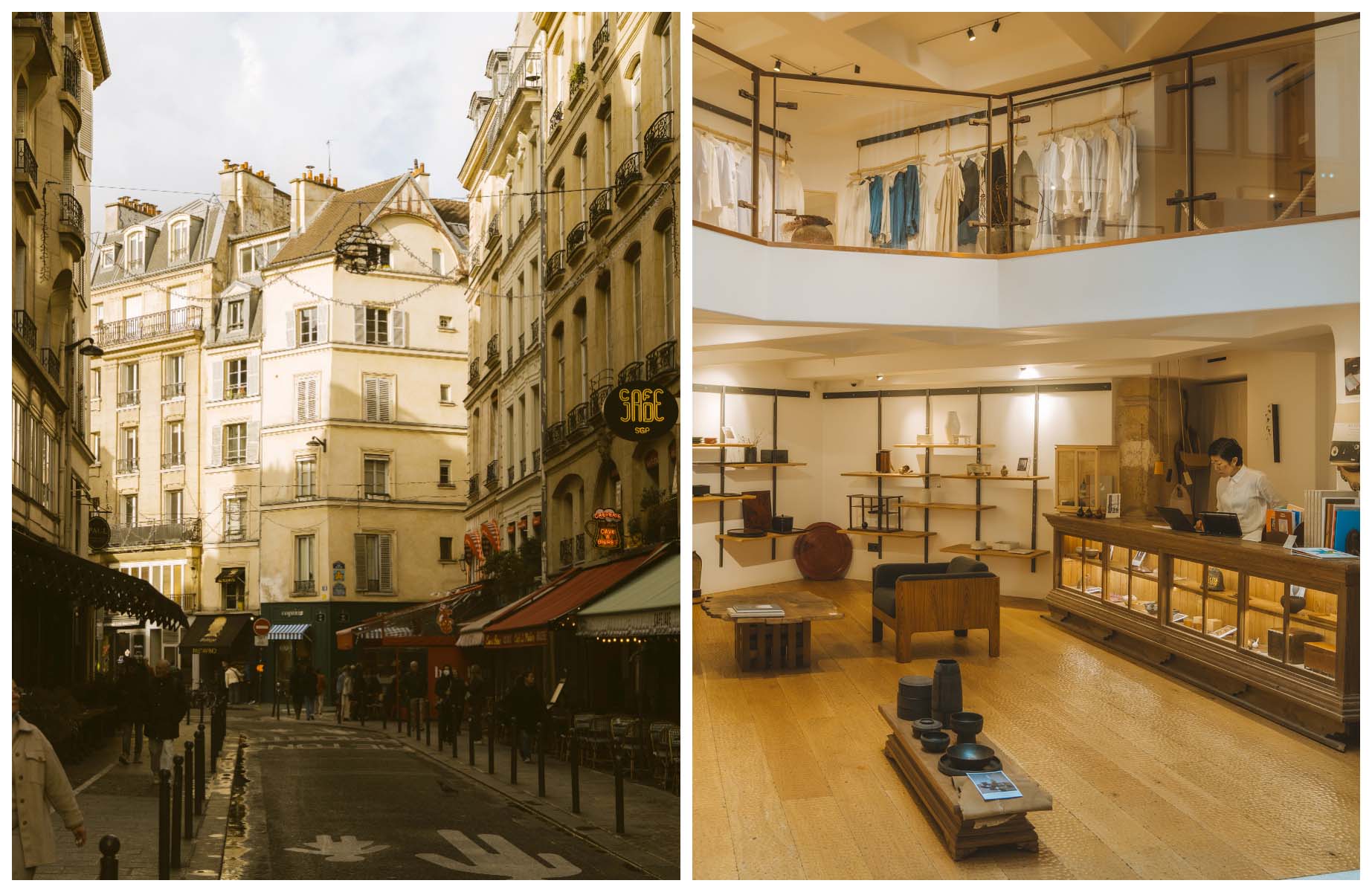
11 a.m. Explore an Offbeat Marais Museum
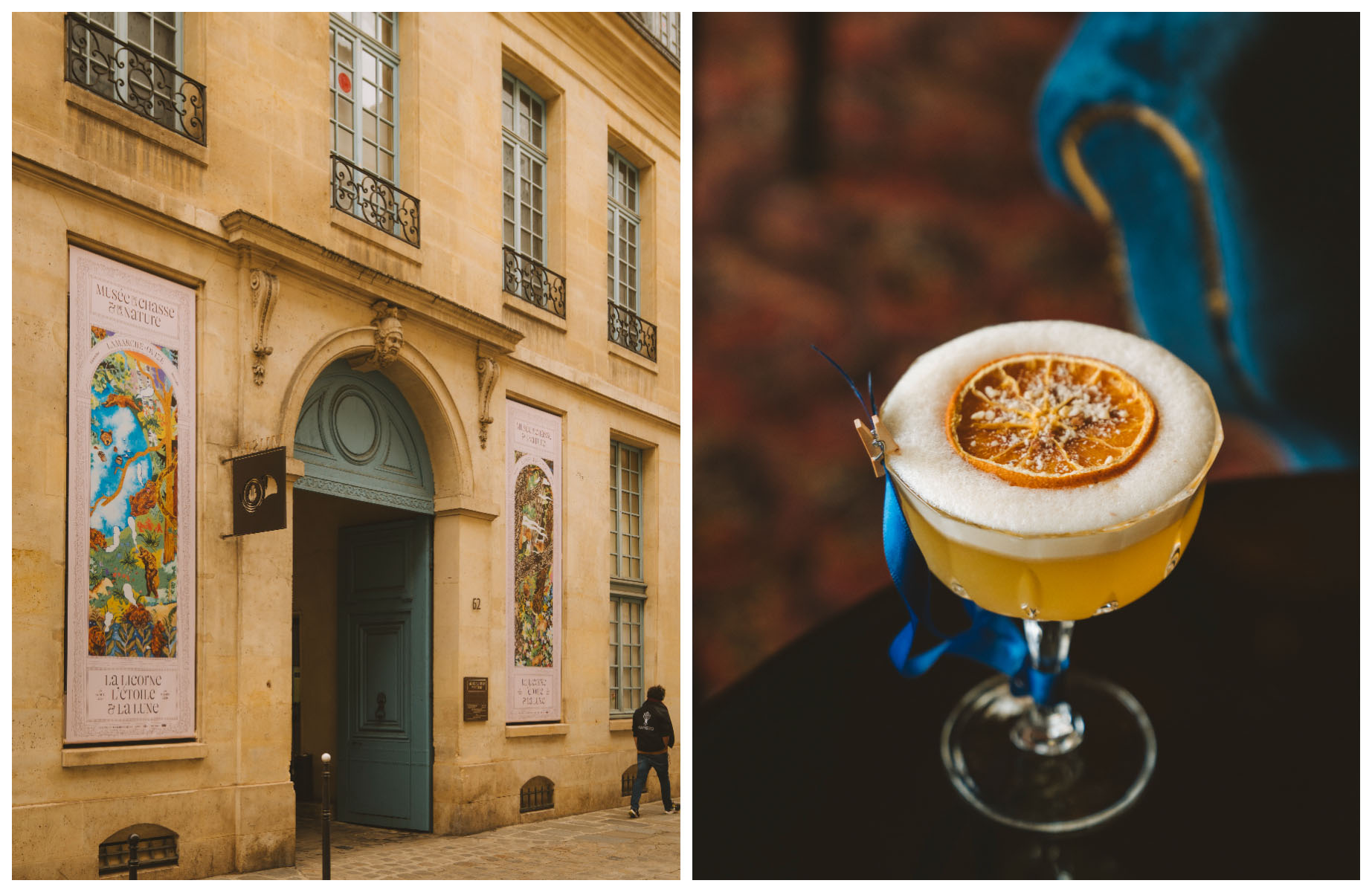
You could easily spend a day hopping between the museums and art galleries of the Marais, but focus your time on the Hunting and Nature Museum (Musée de la Chasse et de la Nature), a private museum housed in a hotel particulier that’s devoted to works, old and new, that examine the relationship between humans and nature through the historical evolution of hunting. The permanent collection leans a bit avant-garde and quirky, with the trophy room and master paintings among the highlights.
12:30 p.m. Lunch in a Countryside Corner of Paris
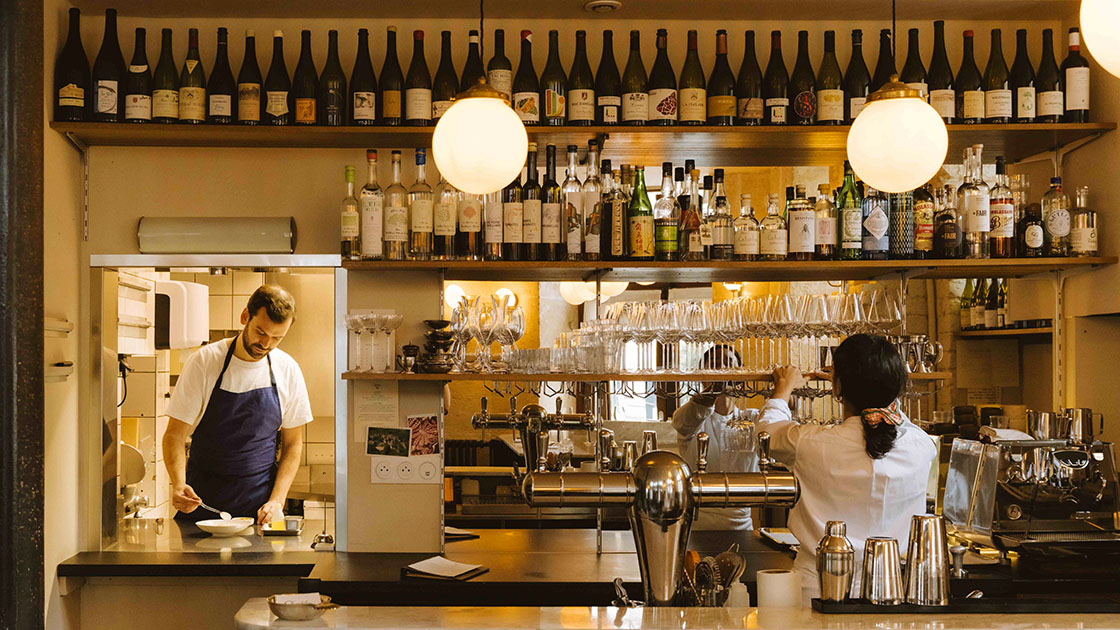
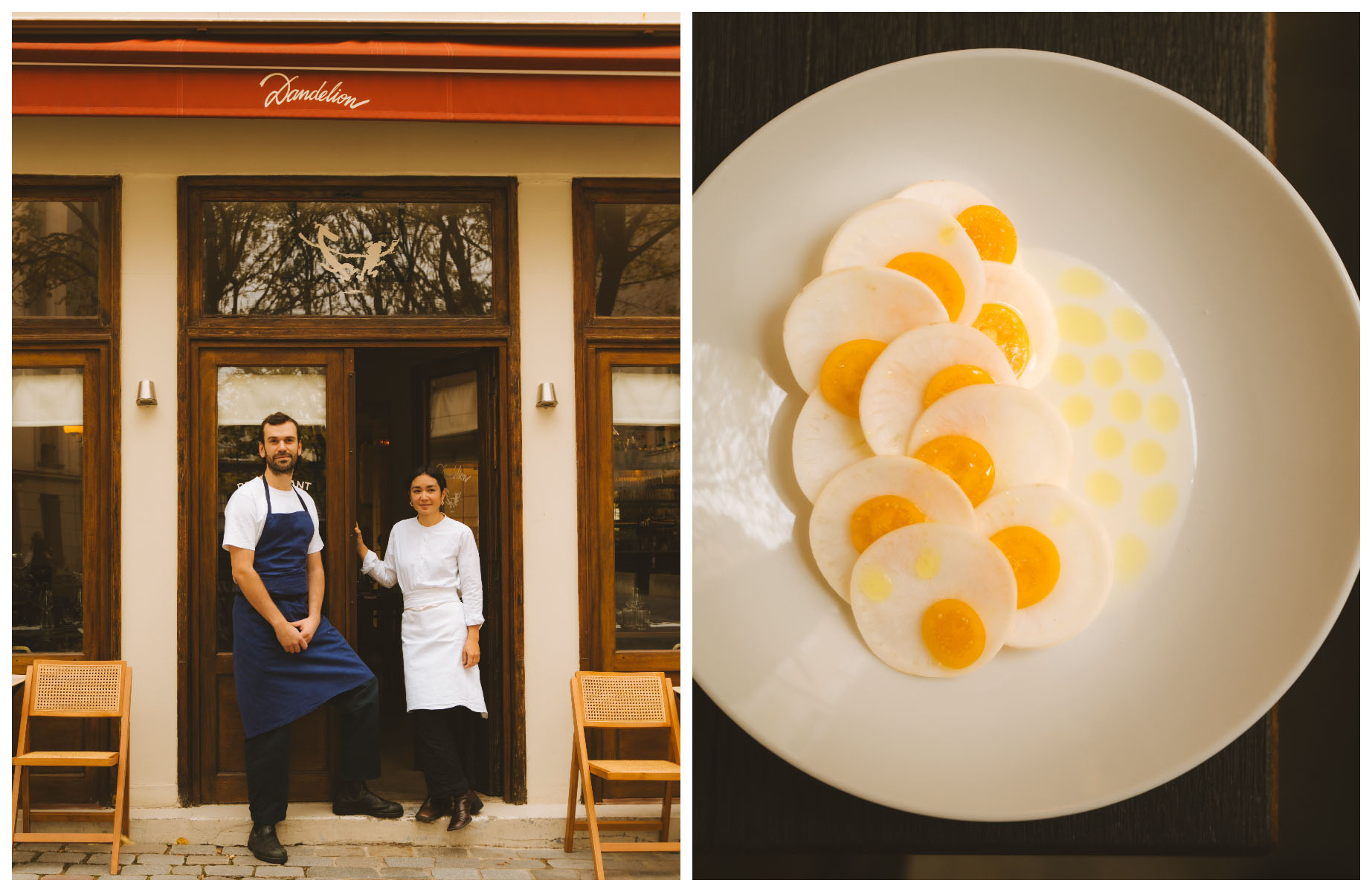
In a quiet corner of the 20th arrondissement known for its residential alleys, Dandelion has not-so-quietly become the area’s dining destination. The first solo project from Chef Antoine Villard and sommelière Morgane Souris, Dandelion sits comfortably between casual neighborhood bistro and neo-bistro — an evolution of the format that saw chefs taking their fine-dining chops and making meals more relaxed, creative and affordable. Decoratively speaking, there’s more approachability: ceramic tableware where no two pieces are the same, antique light fixtures, rough-hewn wood tables. Those elements are all in place at Dandelion, along with a hyperseasonal menu that combines broad influences. There’s also always a fresh pasta dish on the menu as a nod to Villard’s upbringing on the French-Italian border.
3:30 p.m. Take a Parisian Goûter
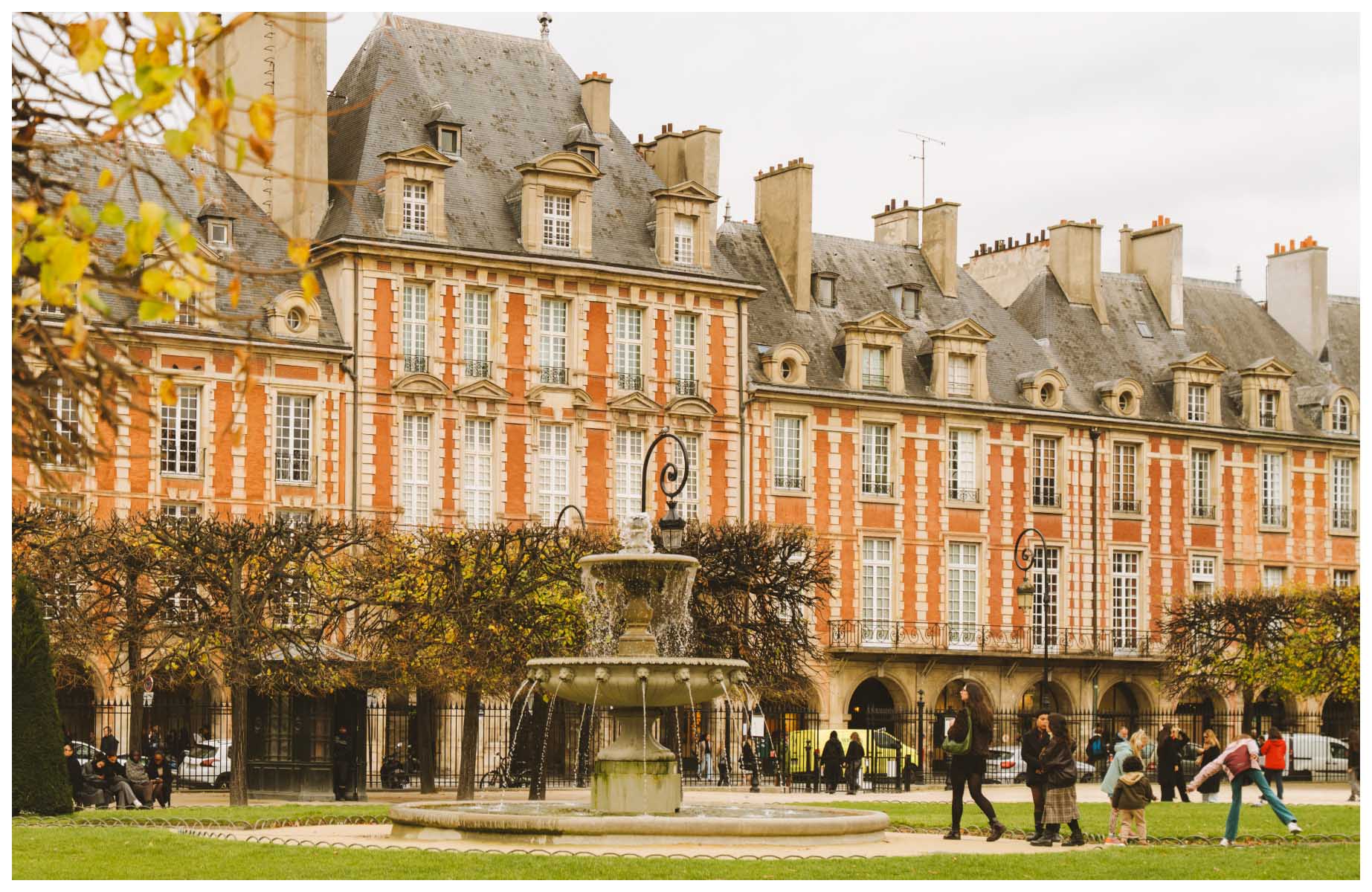
Do as the locals do and break for a sweet snack. At Place des Vosges, the oldest and most symmetrical planned square, several options await you. You can pick up a chocolate bar or box of ganaches from Debauve & Gallais’ latest outpost, kick back with a legendary hot chocolate at Carette (opt for the side of thick whipped cream) or take your treats to go from Brigat’, known for their filled and unfilled pillowy brioche, and sit in the park.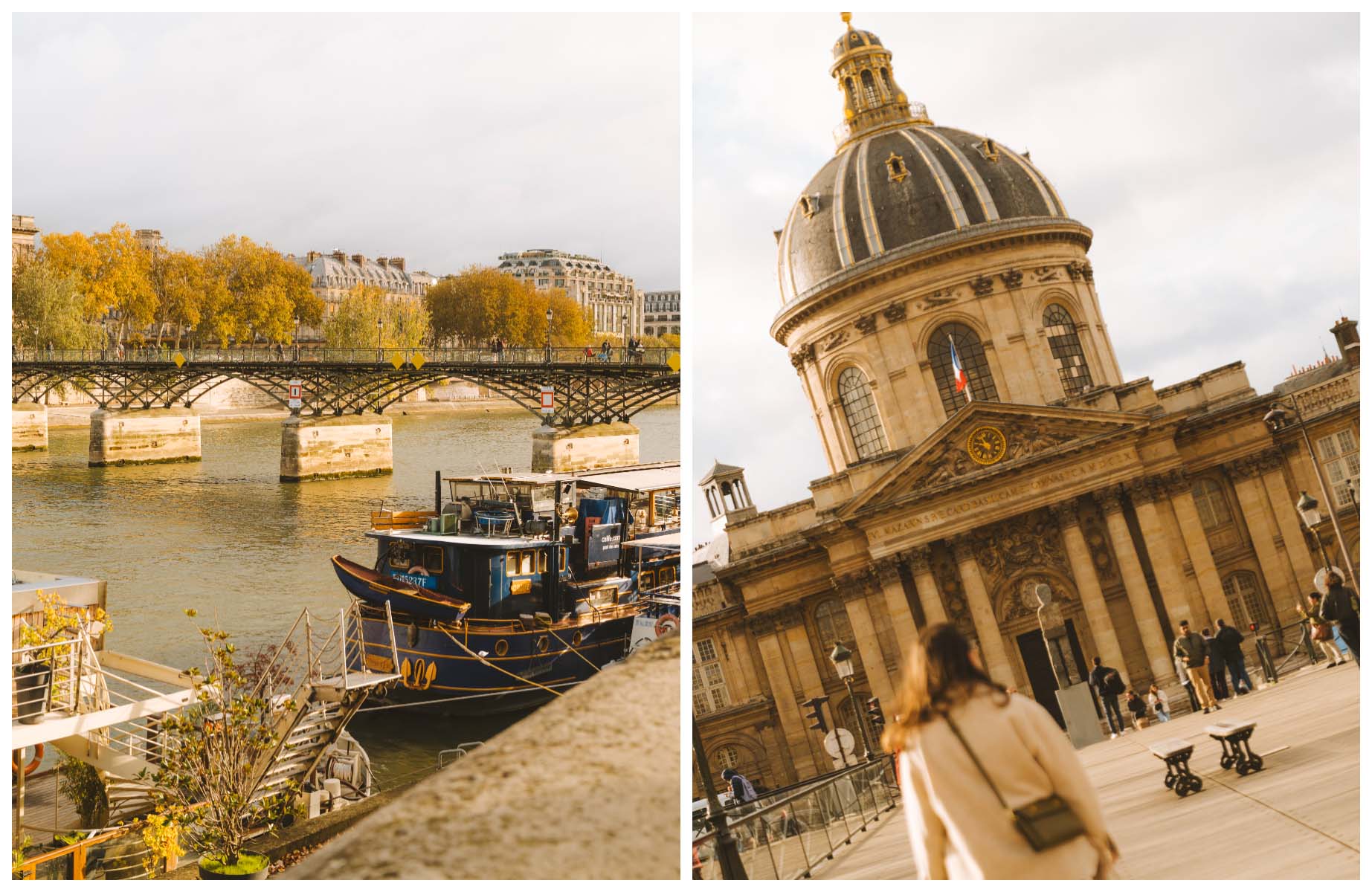
5 p.m. Take a Walk to the Heart of the City
Next, head to the Ile de la Cîté, one of Paris’ natural islands, to visit Notre Dame Cathedral, which reopened in December 2024 after an arduous five-year restoration following the 2019 fire that destroyed much of the roof and spire. Inside, the stone surfaces have been meticulously cleaned, removing decades of soot and grime, leaving them with a remarkable luminosity. Don’t miss the chance to climb the 424 steps through the belfry towers (tickets required) to get a close-up view of the restored gargoyles and sweeping views over Paris. If you’re an early riser, however, consider attending daybreak mass at 8 a.m., which offers a quietly moving ritual before the crowds arrive.6:30 p.m. Sip on a Legendary Apéritif
Order a bloody mary where it was (supposedly) born and where legend has it George Gershwin composed the first chords of An American in Paris: Harry’s New York Bar. The century-old watering hole, with its bar that was shipped piece-by-piece from New York, has been a draw for both Parisians and American expats — following in the tradition of Ernest Hemingway and Ava Gardner — for its stiff drinks, mahogany interiors and collegiate pennants lining the walls.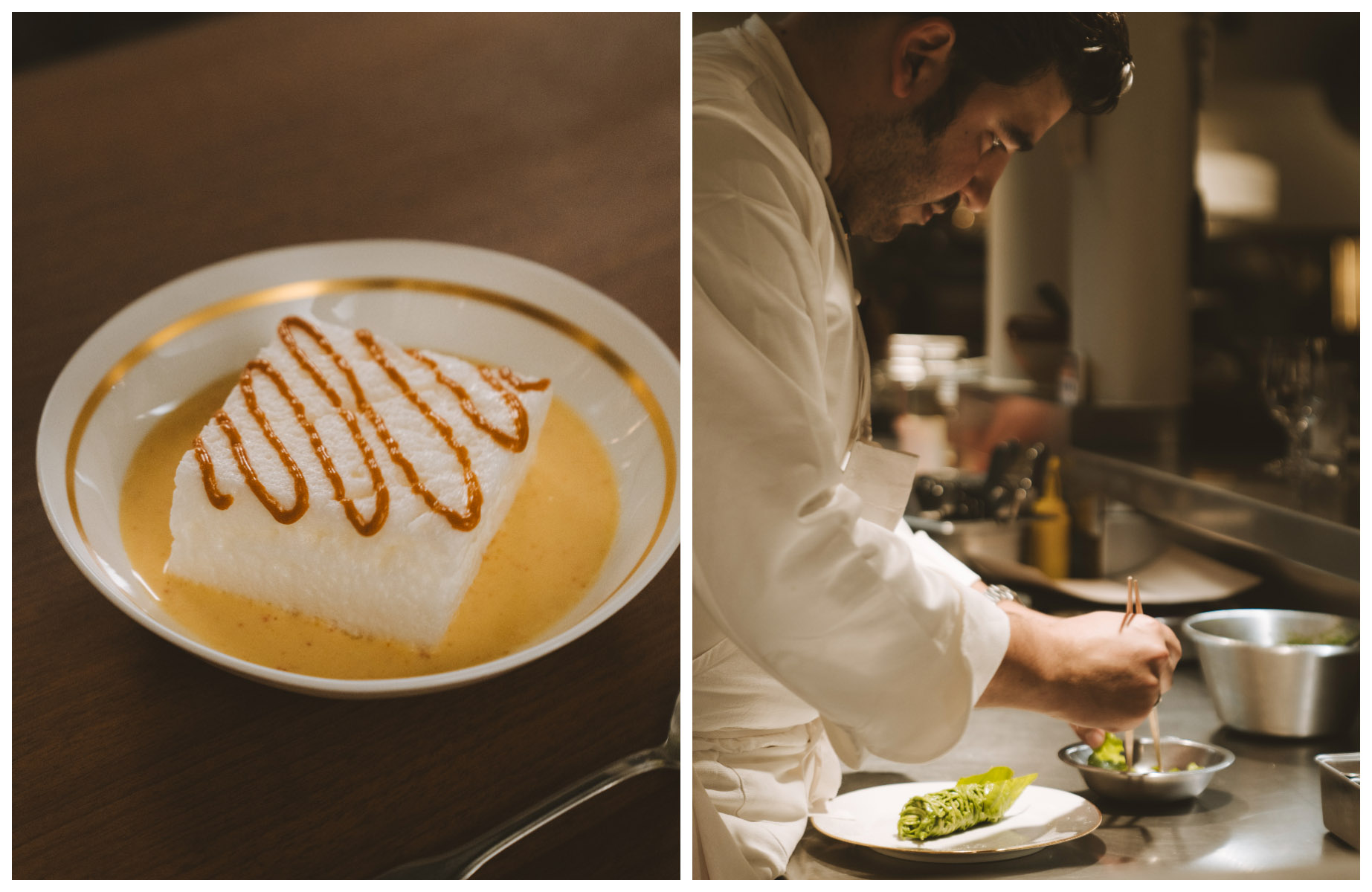
8 p.m. Tuck Into a Modern Bistro Feast
Chef Pierre Touitou is wise beyond his 30-something years. Raised in a French-Tunisian family and cooking since adolescence, he brings a worldly sensibility to 19 Saint-Roch, his polished yet spirited take on the modern bistro. Touitou takes his formal fine-dining experience and varied repertoire — spanning Parisian classics through more Mediterranean influences — and applies them to a slick dining room with an open kitchen at its heart. Dishes combine only a few ingredients at a time but pack big flavor, like the braised beef chuck entirely coated in an earthy sauce made from jute mallow leaves (commonly used in the Tunisian dish mloukhîya, close to the chef’s heart) and served as a trompe l’oeil of bistro classic lièvre à la royale. Be sure to save room to order the ile flottante (floating island), with the meringue presented as a cube floating on a sea of crème anglaise infused with smoked Béarn chile pepper. Just before serving, Touitou drizzles the top with sesame praline. A perfect finish.
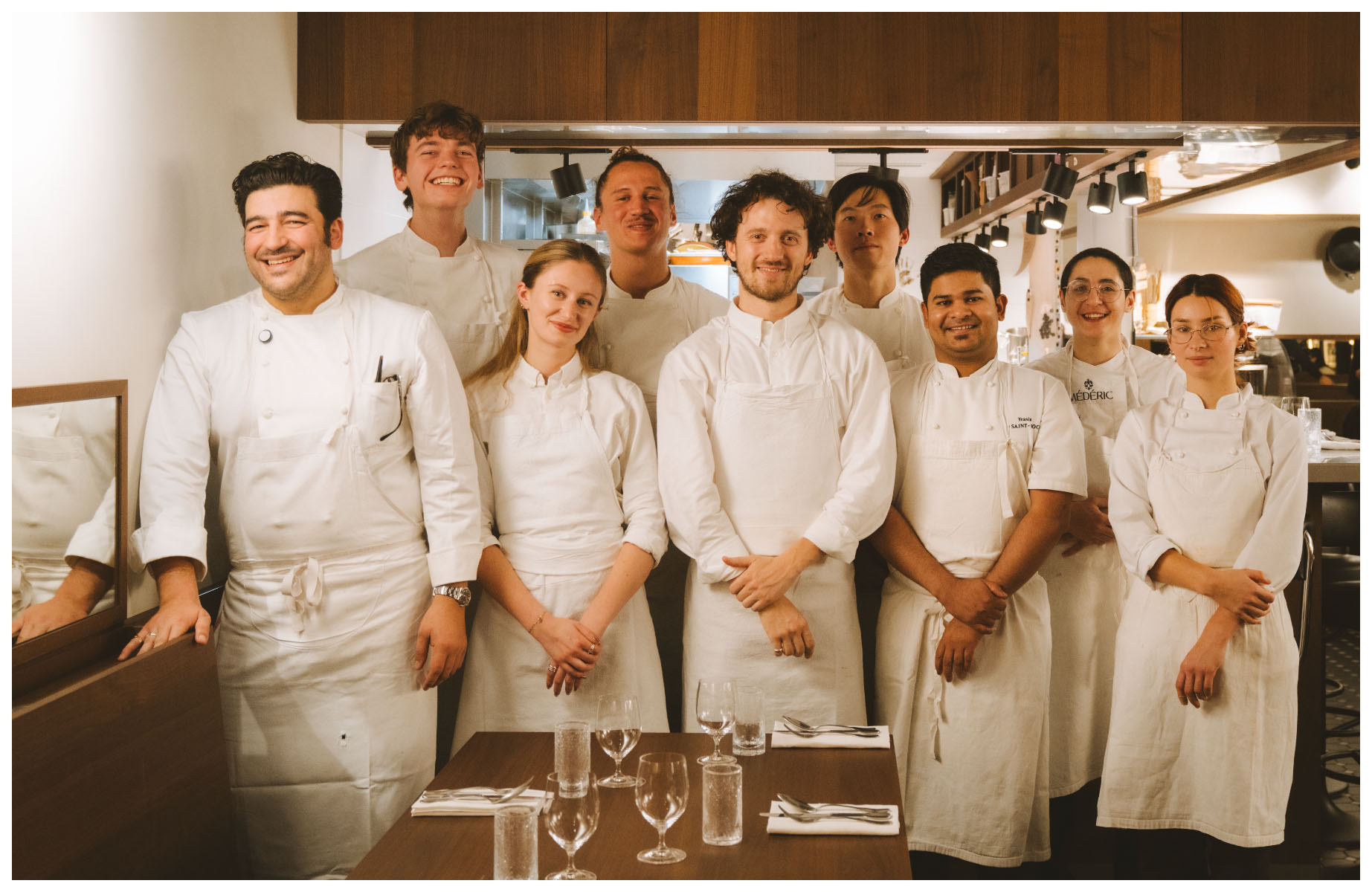
Hero image: Inside Dandelion restaurant with Chef Antoine Villard and sommelière Morgane Souris. © Joann Pai/The MICHELIN Guide.
Related articles: