09 December 2025

Share


With more than 7,000 islands, the Philippines has long been a mosaic of flavors. Its food culture spans street-side grills, home-cooked heirlooms, regional specialties and polished tasting menus — each revealing a different facet of its identity.
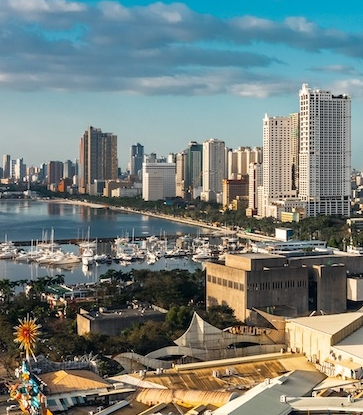
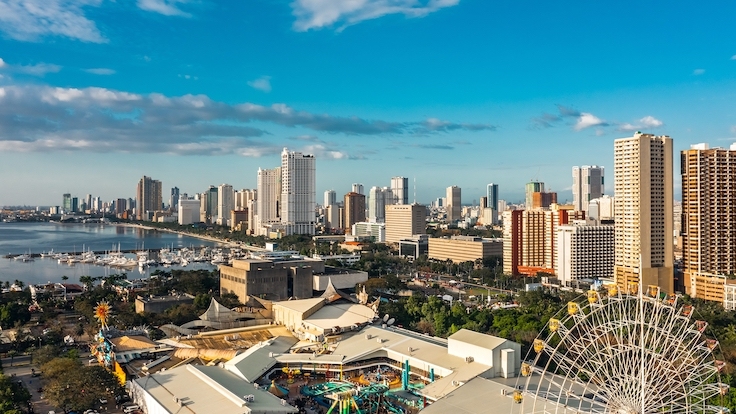
In the inaugural MICHELIN Guide in the Philippines, more than 100 restaurants and street-food stalls showcase this abundance. The inspection team traveled across Metro Manila, Cavite and Cebu, encountering a remarkable breadth of culinary expression: the modern pulse of Bonifacio Global City, the dynamic sprawl of Makati, the historic corners of Old Manila, the authentic local spirit of Quezon City and Marikina, the lush escapes of Cavite and the seafood-forward traditions shaped by Cebu’s dramatic coastlines.
Across the archipelago, food becomes a reflection of geography, history and spirit — woven together in every bite.
Trend 1: A New Generation Leading the Change
One of the most striking observations from our Inspectors is the youth driving Philippine gastronomy. More than 40% of professional kitchens are led by chefs under 38, with many opening their own restaurants within the past two years.

Some of these chefs built their careers locally; others returned after training abroad, bringing with them fresh ideas, broader perspectives and a strong sense of purpose. Together, they are redefining Filipino cuisine while keeping its roots firmly intact.
Pop-ups, test kitchens and guest collaborations have also emerged as important platforms for experimentation, giving chefs space to explore and drawing interest from both local diners and the international culinary community. The result is a dining culture that feels vibrant, curious and constantly evolving.
Photo on the right: Young Chef Awardee Don Baldosano of MICHELIN-Starred Linamnam (©MICHELIN)
Trend 2: Modern Filipino Cuisine at the Forefront
Unlike many markets where French gastronomy often dominates fine dining, its influence in the Philippines is noticeably lighter. Instead, modern Filipino cuisine has become the defining voice of high-end dining.
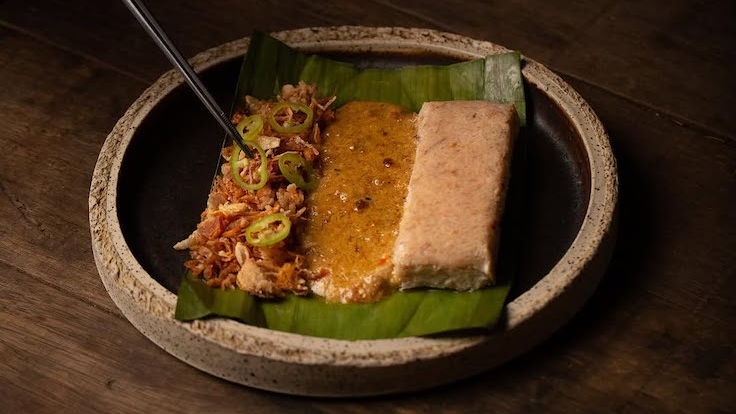
Menus tend to feature bold, expressive flavors: sweet, sour, salty and richly layered — reflecting the archipelago’s complex cultural heritage. Generosity is also a hallmark, not just in flavor but also in portion and hospitality.
Many of the country’s leading kitchens today are driven by a strong sense of identity. Chefs are not simply representing Filipino cuisine; they are interpreting and expanding it, infusing tradition with creativity and pushing boundaries while honoring history.
Trend 3: Locavore Values, Stronger Than Ever
Long before sustainability became a global topic, Filipino chefs were already working closely with local farmers, fishermen and producers. That commitment is even more intentional today.
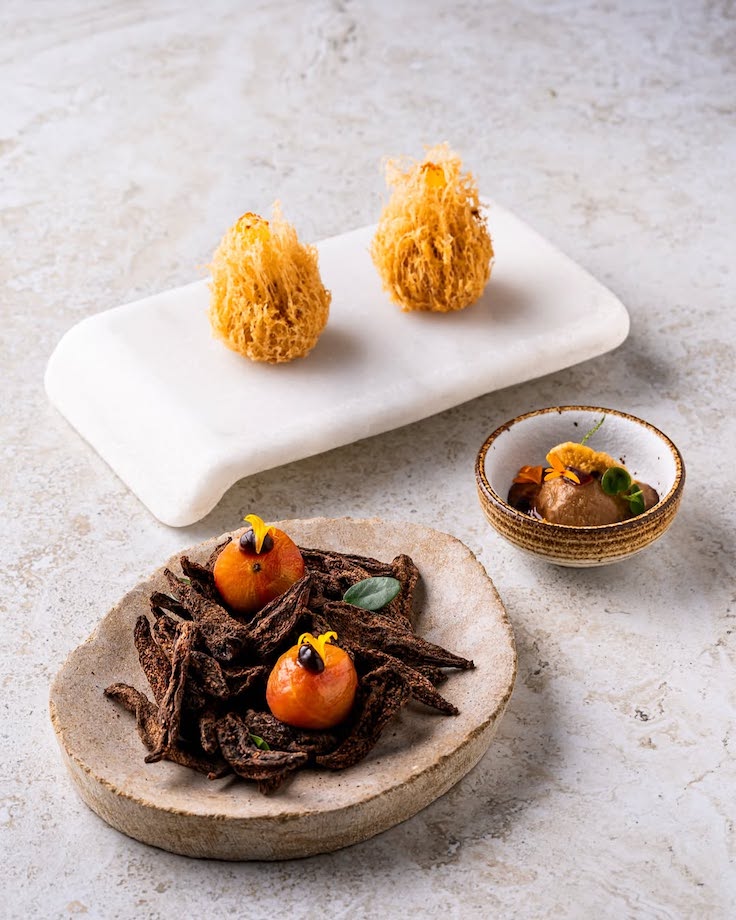
Across Manila, Cavite and Cebu, chefs are crafting menus around seasonality and provenance, highlighting the origins of each ingredient while applying refined technique. Eco-conscious practices such as waste reduction, nose-to-tail cooking and mindful sourcing are increasingly common.
This respect for local produce gives dining in the Philippines a strong sense of place. Menus shift with the seasons and the tides, allowing guests to experience dishes grounded in the present moment.
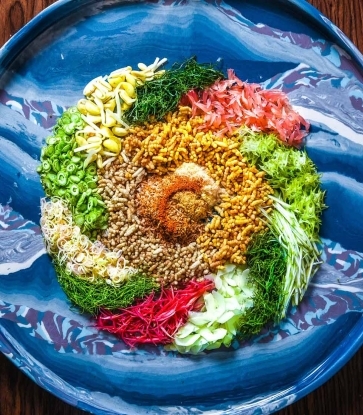
Photo on the left: A trio of appetizers from Gallery by Chele that turns trimmings and scraps into flavor. (©Gallery by Chele)
Trend 4: A Strong Workforce and a Warm, Welcoming Culture
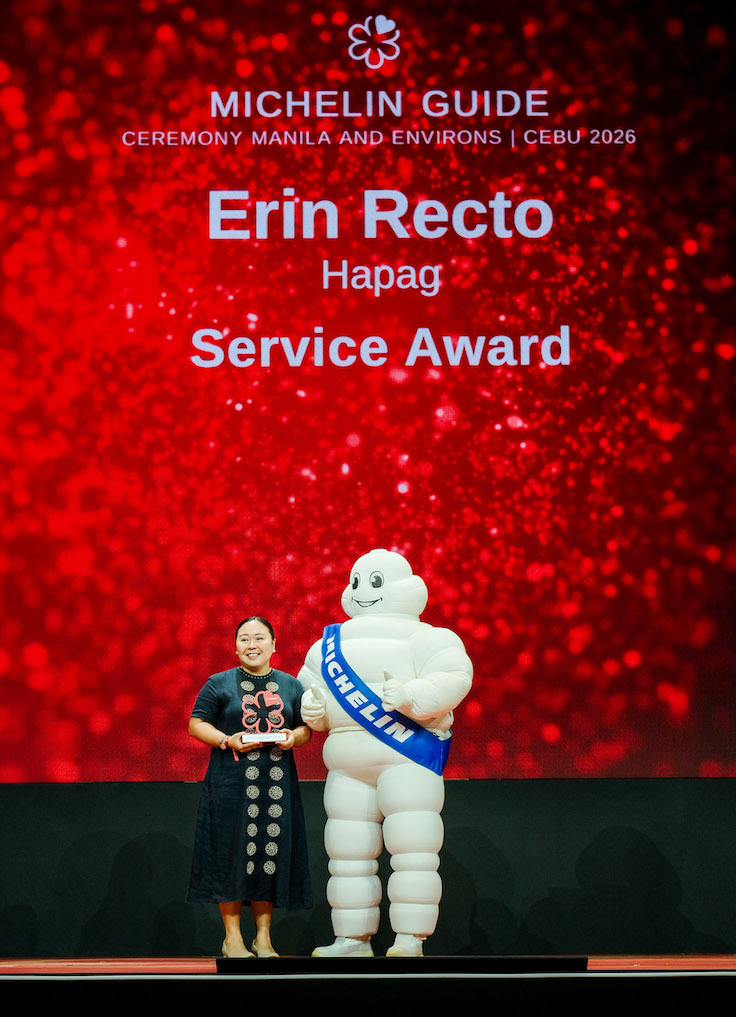
While many global F&B markets struggle with labor shortages, the Philippines stands out for its enthusiastic and motivated workforce. Hospitality is woven into the national character, and its English-friendly environment makes it easy for international visitors and Inspectors to feel at home.
This strong service culture, paired with a young consumer base with notable purchasing power — especially in the fine-dining segment — creates fertile ground for ambitious restaurants. Spanish culinary traditions, shaped by historical ties, also continue to influence the local dining landscape and attract foreign chefs.
Photo on the right: Erin Recto of MICHELIN-Starred Hapag, Service Awardee (©MICHELIN)
Trend 5: A Destination That Leaves an Impression
Despite logistical challenges, particularly around transportation, the Philippines consistently leaves a strong impression on its visitors. The warmth of its people, the vibrancy of its flavors and the creativity of its young talents create experiences that linger long after the journey ends.
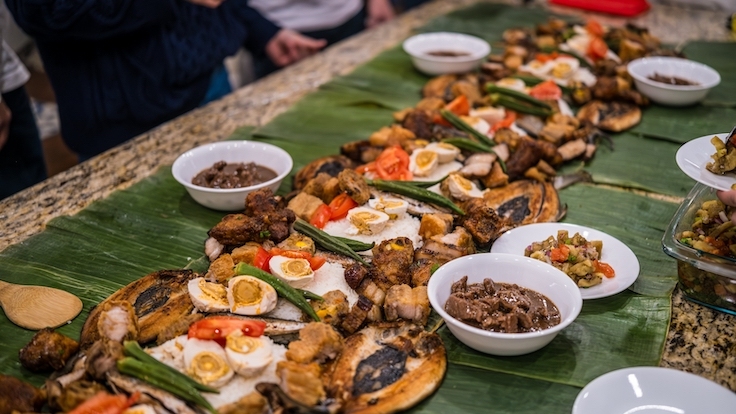
Dining here becomes more than a meal; it becomes an encounter with culture, memory and imagination, shaped by islands rich with stories and character.
An Evolving Culinary Frontier
From the urban dynamism of Metro Manila to the greenery of Cavite and the coastal richness of Cebu, the Philippine gastronomic scene is gaining remarkable momentum. The inaugural MICHELIN Guide in the Philippines captures a snapshot of this moment: confident, youthful and full of possibility.
As chefs continue to innovate and diners embrace the expanding expression of Filipino cuisine, the country’s food story grows even more compelling — an evolving narrative of creativity, identity and place.
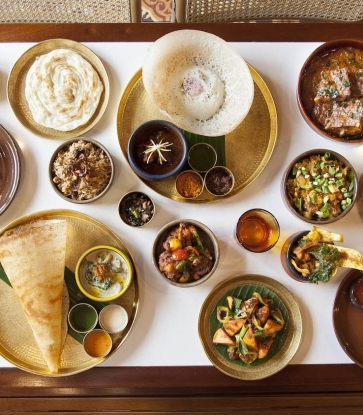
Header Image (©MICHELIN)