28 January 2026
Share


At Lunar New Year, what appears on the table is rarely the result of chance. Each dish is shaped by memory, beliefs and hopes for the coming year. Foods are chosen not only to be eaten, but also to mark continuity: what has sustained the family before is expected to do so again. The table becomes a way to take stock of what has been passed down and what might be possible in the year ahead.
See below for their meanings and some of our favorite places to taste them!
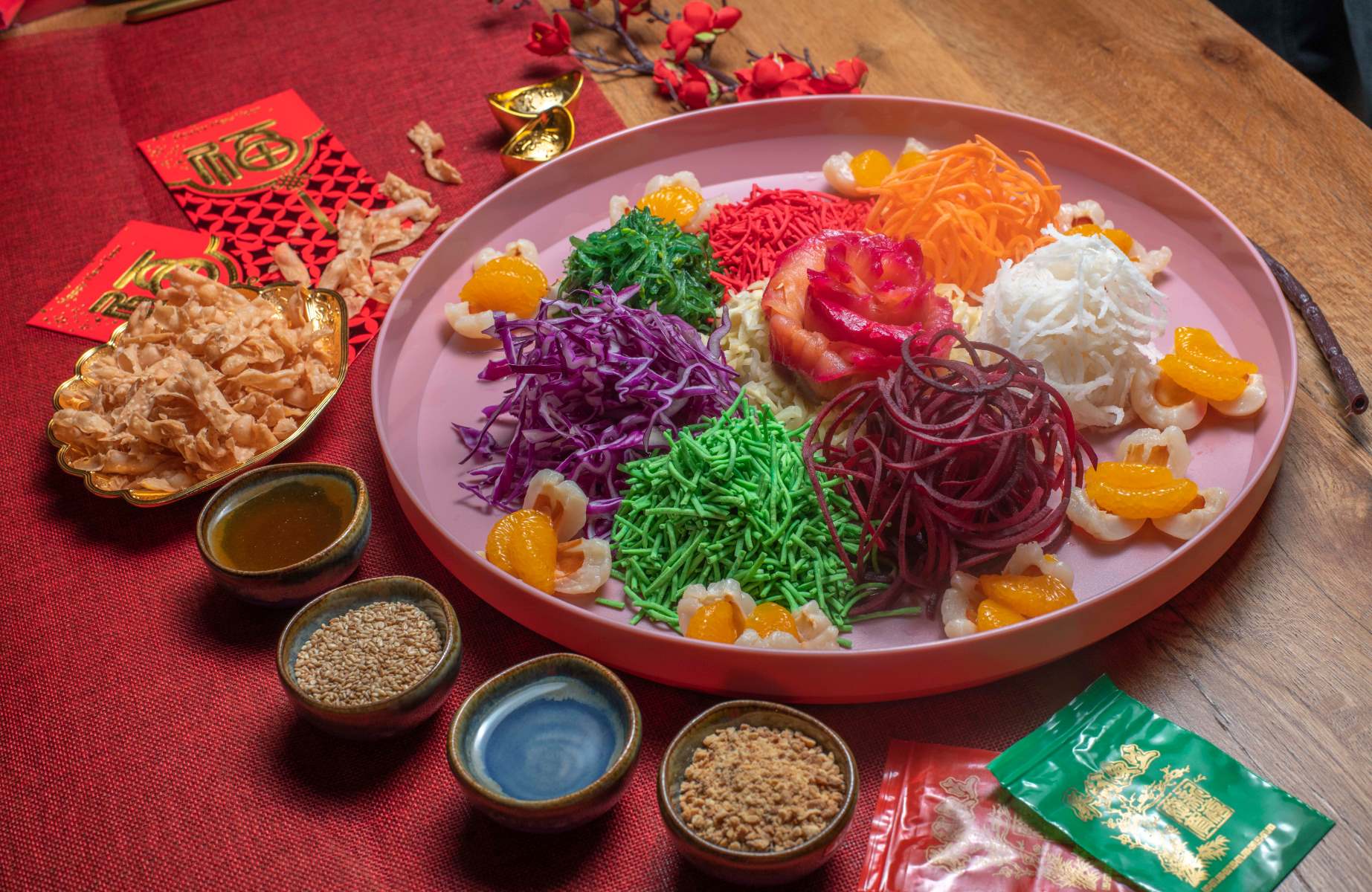
1. Yu Sheng/Lo Hei: Symbol of Wealth and Good Fortune - Singapore and Malaysia
Yu sheng, also known as lo hei, is a composed salad made of raw fish, shredded vegetables, pomelo and crushed peanuts, dressed with sweet plum sauce, hoisin and sesame oil. The ingredients are arranged deliberately before the dish is tossed together by the diners in a communal act associated with prosperity and forward momentum.
Though often treated as an ancient custom, yu sheng in its current form is a relatively modern Lunar New Year ritual, developed in Singapore and Malaysia in the mid-20th century. The ceremonial toss brings the table together in a moment that marks renewal and shared optimism for the year ahead.
Where to try:
In Singapore at Imperial Treasure Fine Teochew Cuisine (Orchard) or San Shu Gong (Geylang)
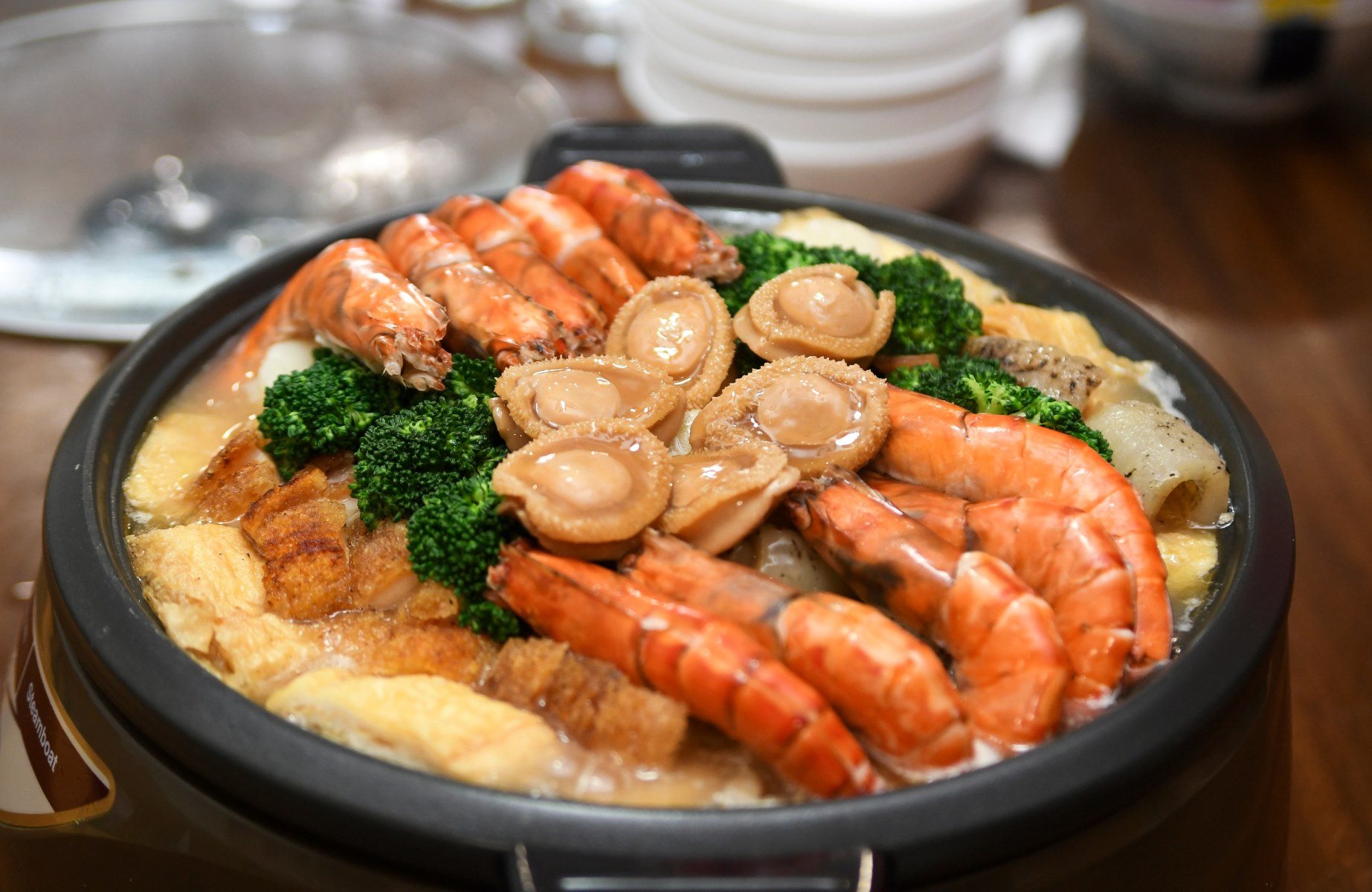
2. Poon Choi (盆菜): Symbol of Family Unity and Abundance - Hong Kong and Macau
Poon choi, also known as pen cai, is a communal feast served in a wide basin, its ingredients arranged in deliberate layers. Braised meats, seafood and preserved delicacies are stacked instead of mixed, allowing each component to hold its place while contributing to the whole.
With roots in Hong Kong’s New Territories, the dish is traditionally shared among extended family, eaten from the top down. Its structure mirrors its meaning: abundance made visible and unity practiced through the act of eating together.
Where to try:
In Hong Kong: at Sun Tung Lok or T’ang Court
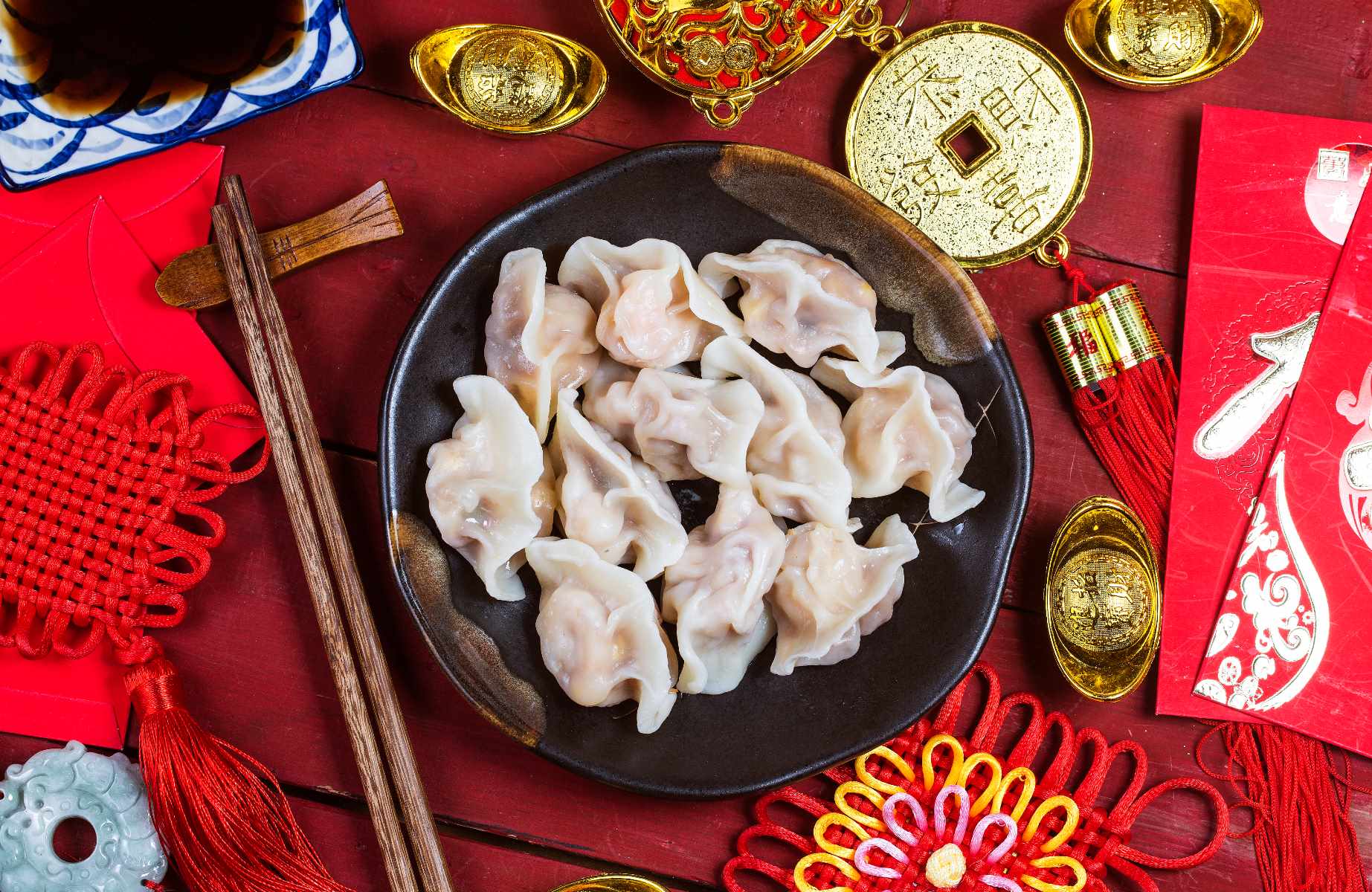
3. Jiaozi (饺子): Symbol of Wealth and New Beginnings - Northern China
Jiaozi are hand-folded dumplings, served for prosperity at Lunar New Year because their curved shape resembles ancient gold ingots. Filled, sealed and cooked in batches, they are designed for easy repetition rather than for display.
In northern China, families gather on Lunar New Year’s Eve to wrap dumplings together, often making more than needed. The labor is part of the meaning: a shared task that marks reunion, closes out the old year and prepares the household for the one to come.
Where to try:
In Beijing: at Beef & Dumplings (Chaoyang) or Liu Ma Ma Dumplings
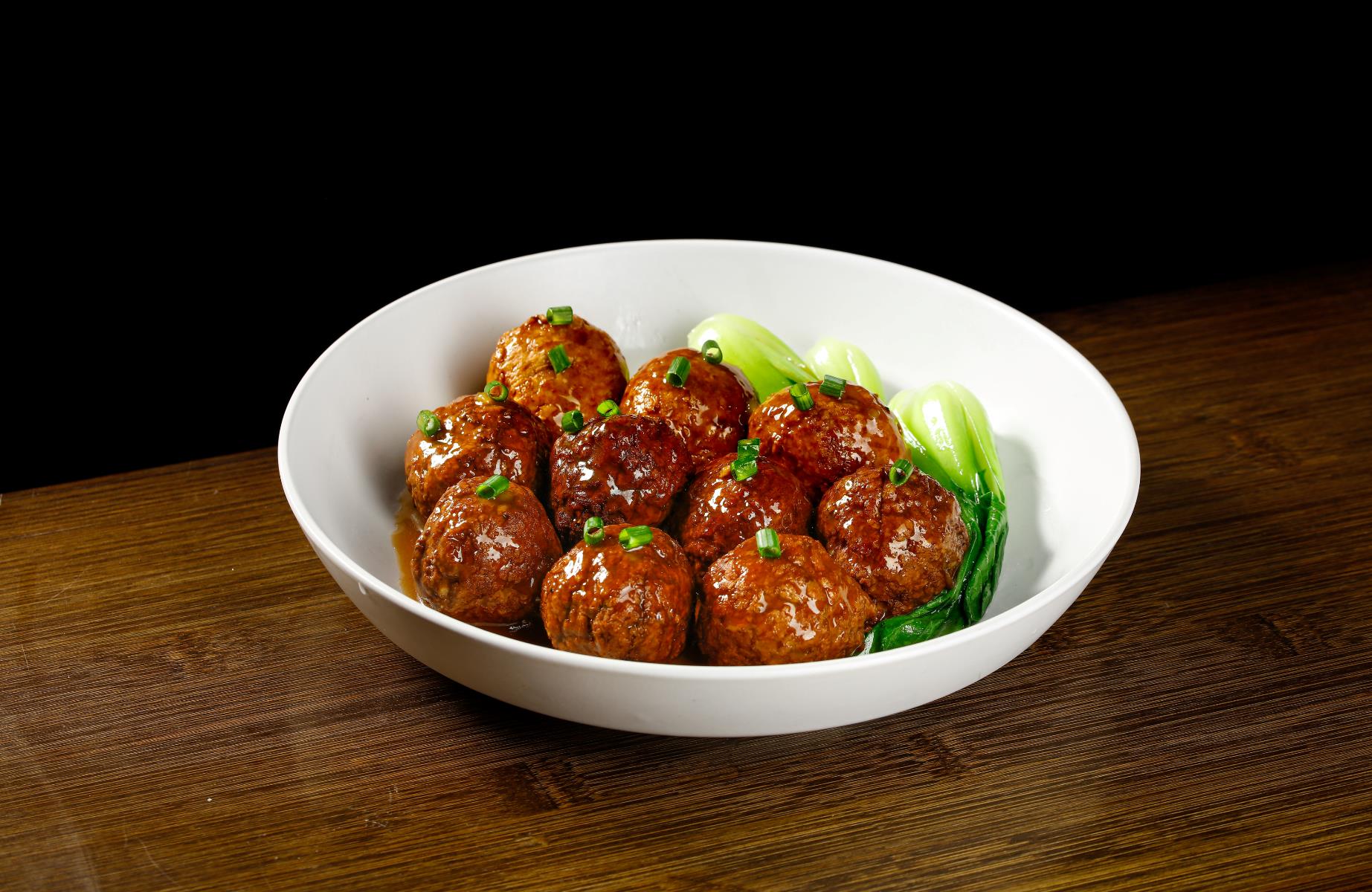
4. Four Joy Meatballs (Si Xi Wan Zi, 四喜丸子): Symbol of Wealth and New Beginnings - Northern China
Four joy meatballs are large pork meatballs, gently braised until tender and dressed in a glossy gravy. Always served in even numbers, most commonly in sets of four, the dish is defined by balance, completeness and shared celebration.
Traditionally served toward the end of a Lunar New Year meal, it symbolizes the four blessings of happiness: prosperity, harmony, health and longevity. The dish’s generosity — in size, richness and number — reflects a wish for abundance gathered and held together as the year begins
Where to try:
In Beijing: at Jing Hua Lou
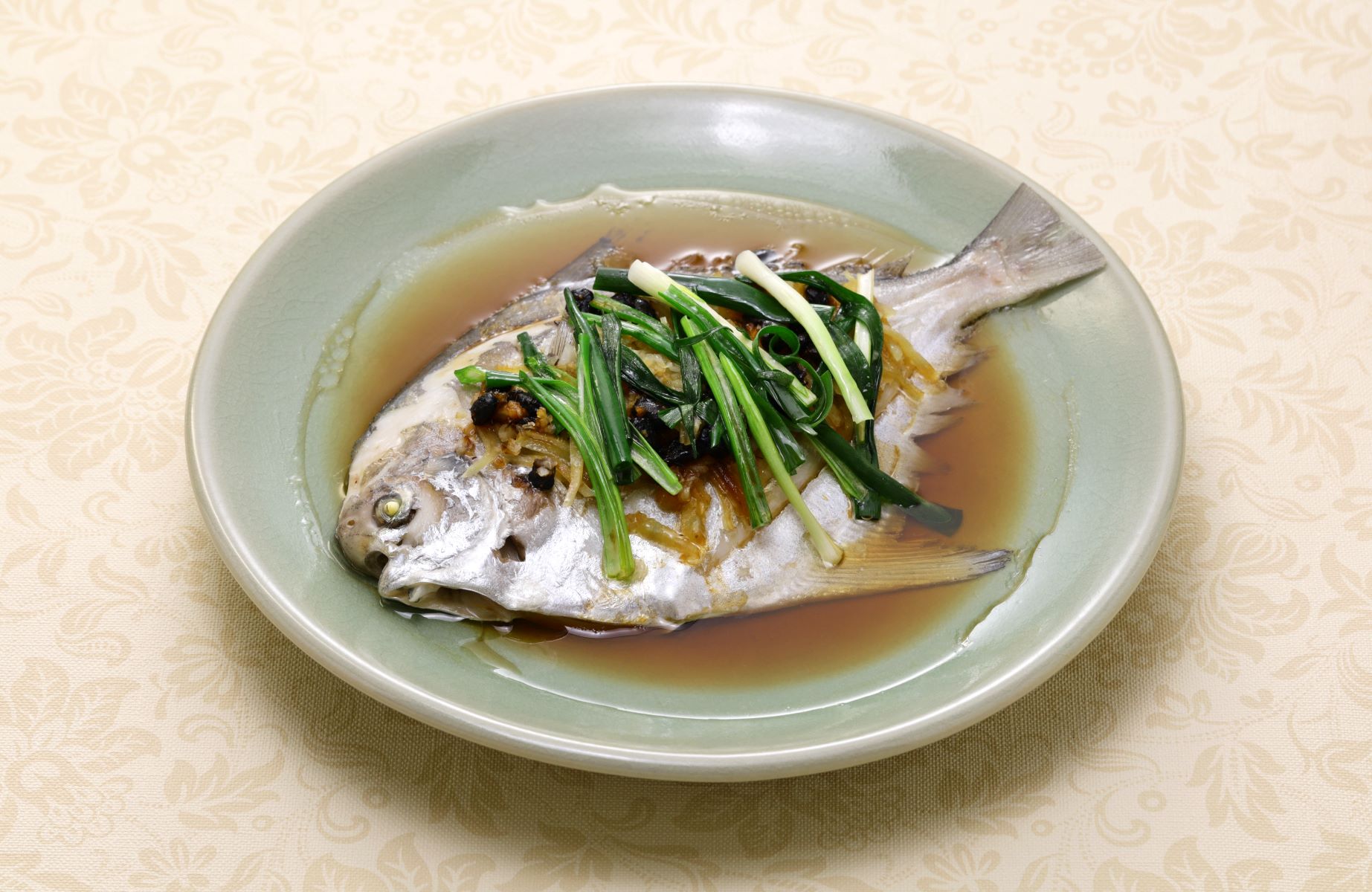
5. Whole Fish: “Year After Year of Abundance” - Mainland China, Hong Kong and Macau
A whole fish is served intact, from head to tail, signaling completeness and balance at the table. The presentation is deliberate, with the fish left unbroken to preserve its meaning.
In Chinese, the word for fish, yú, sounds like the word for “surplus,” making it a natural fixture of Lunar New Year meals. Often partially uneaten, the dish is meant to leave something behind: a symbolic expression of abundance carrying forward into the year ahead.
Where to try:
In Hong Kong: at Fook Lam Moon (Wan Chai) or Loaf On
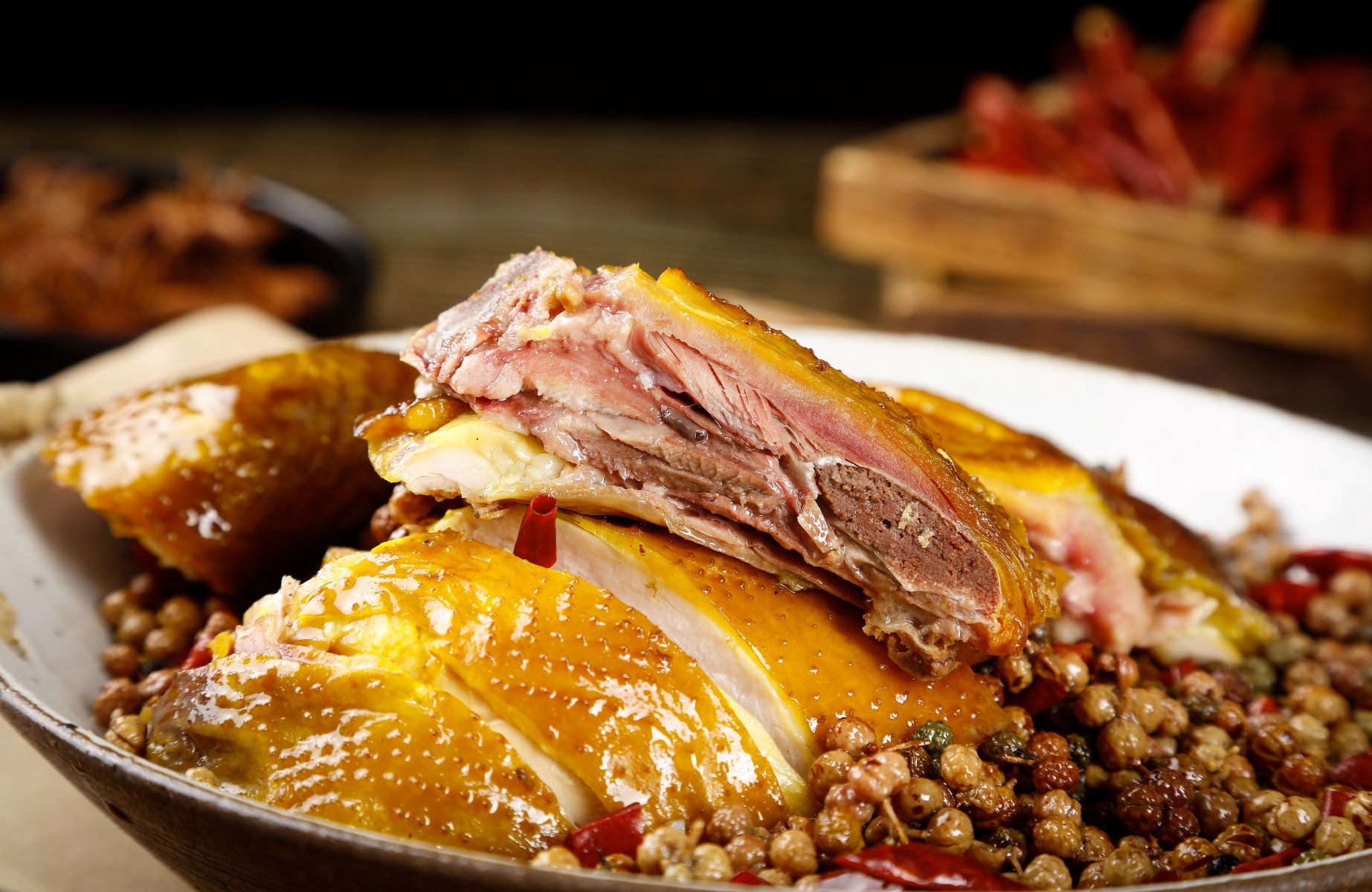
6. Chicken Dishes: Symbol of Auspiciousness and Wholeness - Mainland China, Hong Kong and Macau
Chicken is typically served whole, its intact form representing completeness and cohesion. Whether poached, roasted or braised, the preparation tends to favor familiar methods passed down through households.
A steady presence on festive tables, chicken carries associations with good fortune and family unity. Its role is all about continuity, a dish that anchors the meal and reinforces the idea of togetherness as the year turns.
Where to try:
In Hong Kong: Crispy Chicken at Ying Jee Club or Ping Yuen Chicken in Two Ways at T’ang Court
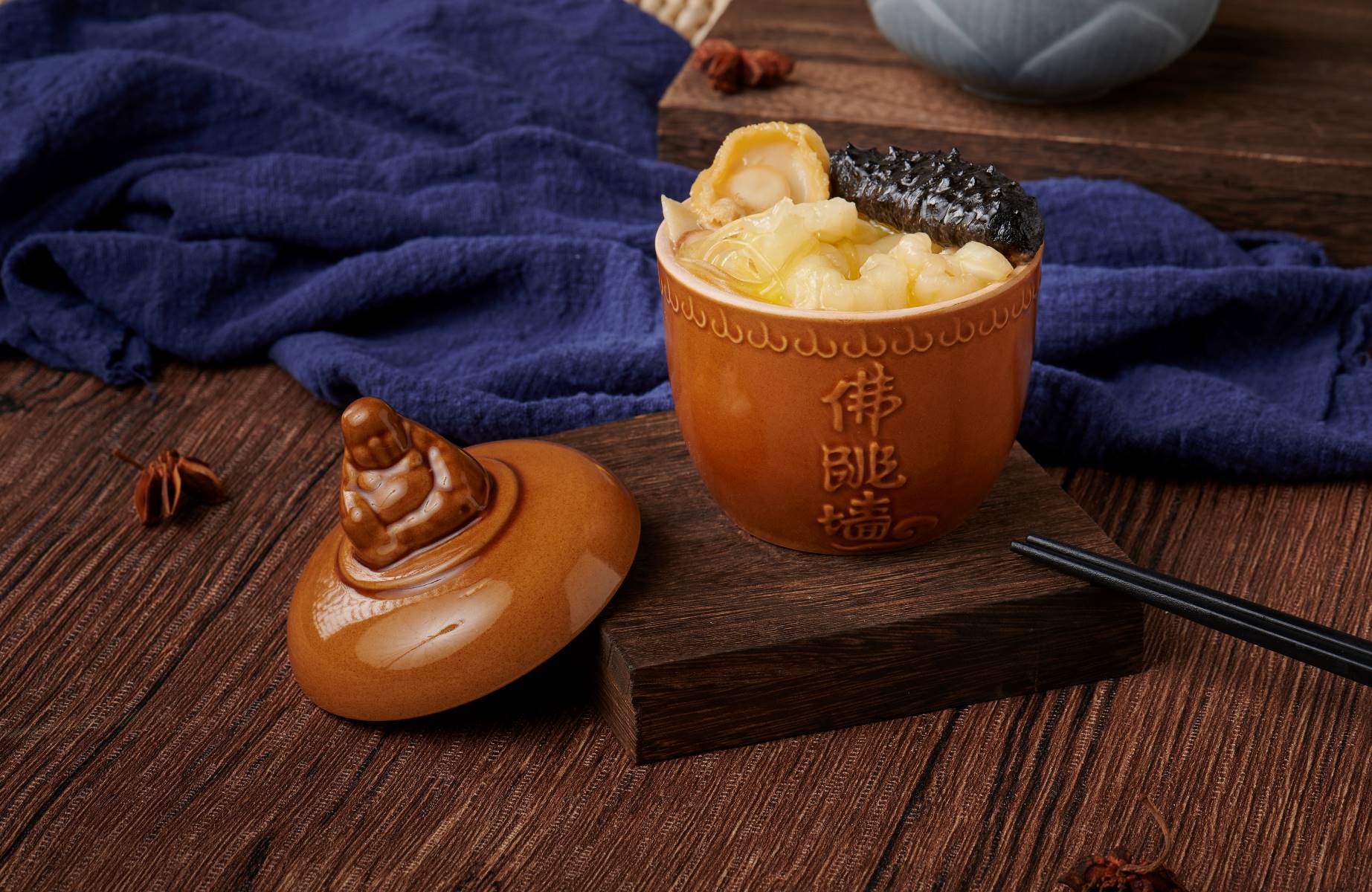
7. Fo Tiao Qiang (“Buddha Jumps Over the Wall,” 佛跳墙): Symbol of Luxury and Prosperity - Fujian
Fo tiao qiang is a slow-simmered soup built from layers of premium ingredients, including abalone, sea cucumber and dried scallops, all concentrated into a deeply fragrant broth. Its unusual name comes from a tale that the soup smelled so appealing that a vegetarian monk jumped over a wall and broke his vows to try some.
Traditionally reserved for significant celebrations, fo tiao qiang reflects a form of abundance measured in time, craft and accumulation — a lesson in both patience and richness. Served during the New Year, it signals generosity and prosperity at their most deliberate.
Where to try:
In Fuzhou: Wenru No.9. In Xiamen Hokklo
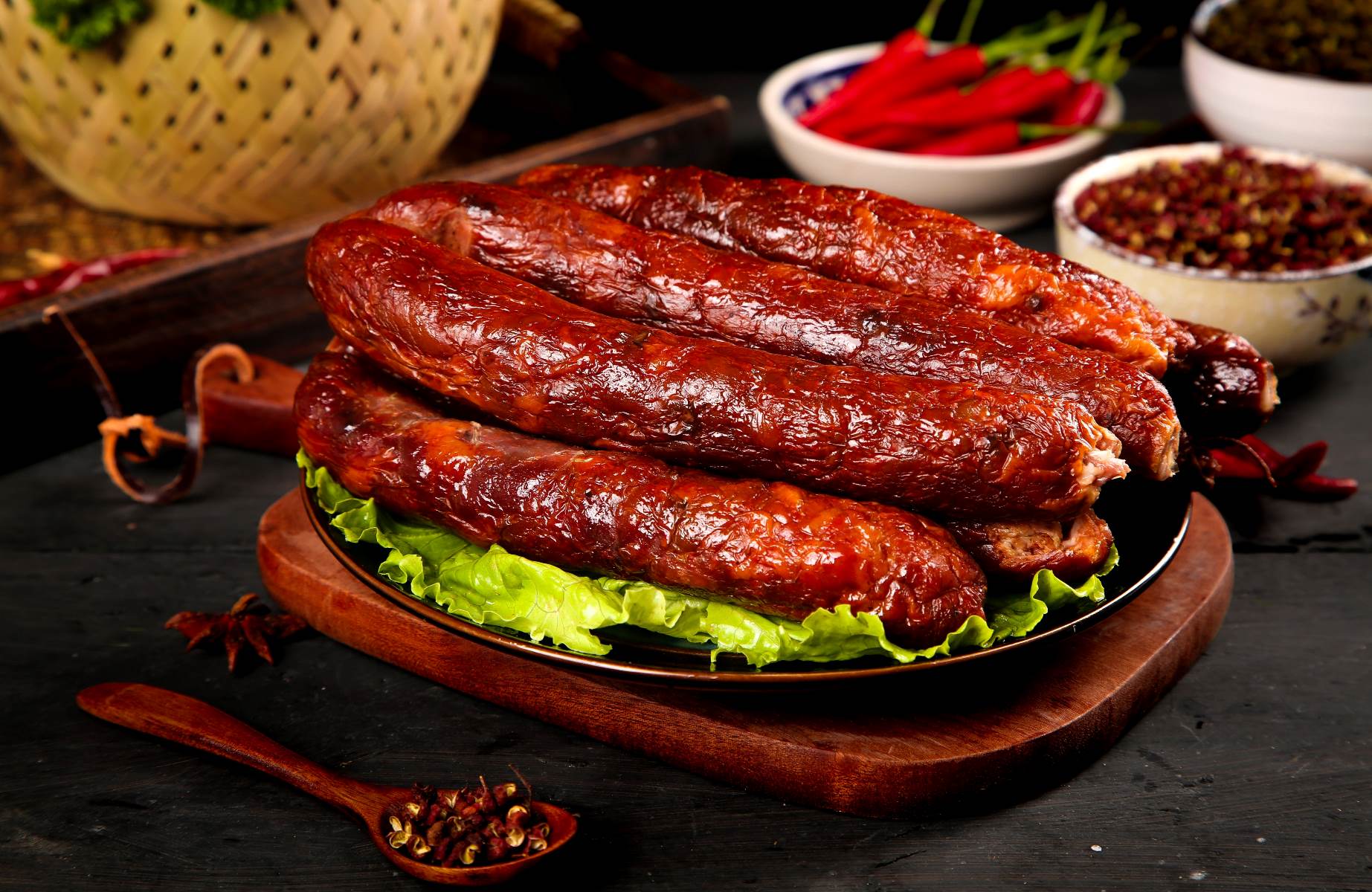
8. Sichuan Cured Pork and Sausages (腊肉腊肠): Preserved Abundance and Enduring Prosperity - Sichuan
Sichuan-style cured pork and sausages are air-dried and smoked during the winter months, developing a deep, savory aroma. The process emphasizes preservation and readiness, with meats prepared well before the New Year arrives.
Served during Lunar New Year, these cured meats suggest a household well stocked and prepared. Their presence reflects a practical form of abundance — blessings saved, rather than spent all at once.
Where to try:
In Chengdu: at Fu Rong Huang or Chaimen Hui
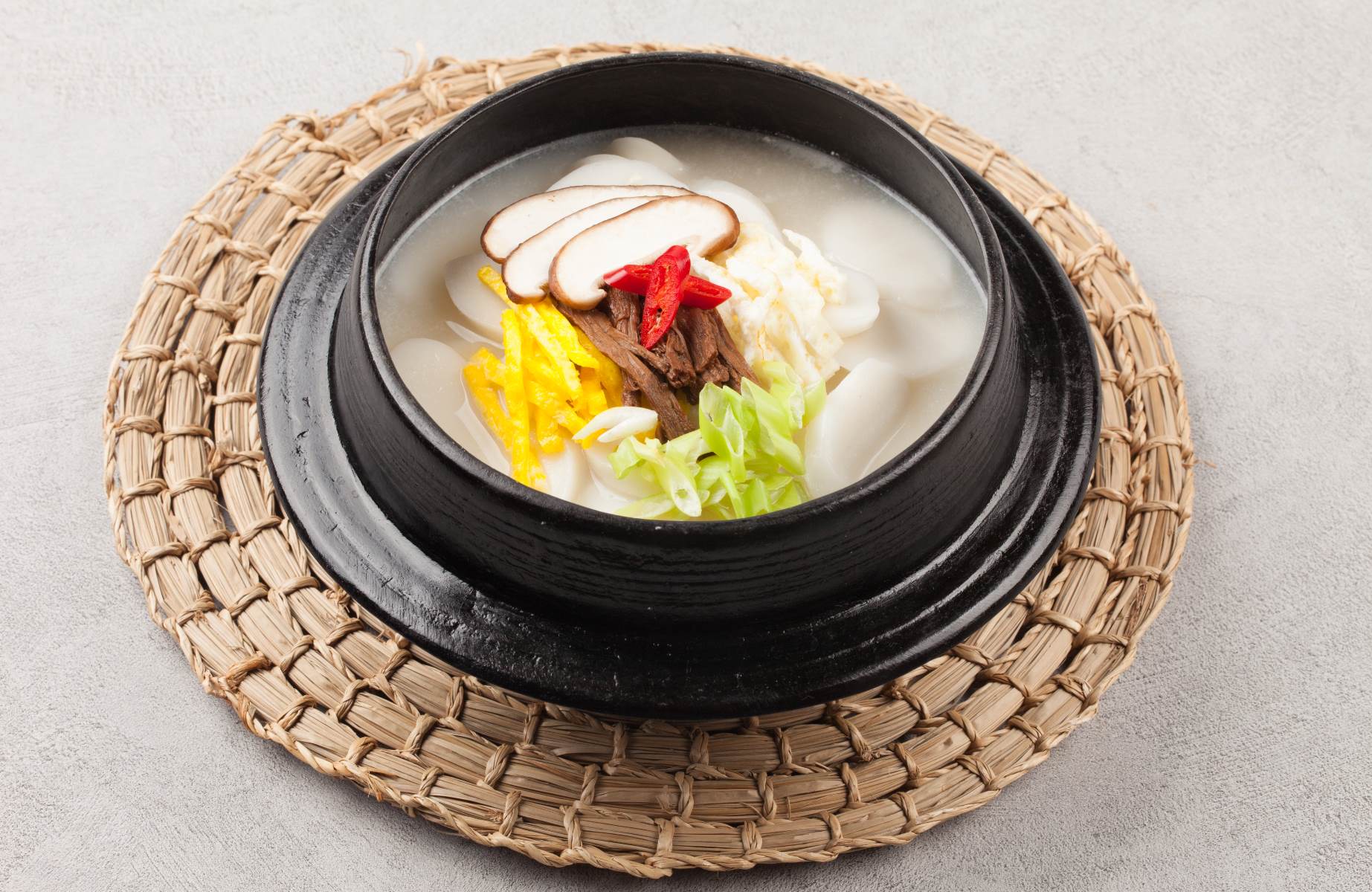
9. Tteokguk (Rice Cake Soup, 떡국): Symbol of Renewal and Growing Older - South Korea
Tteokguk is a clear, warming soup made with thinly sliced rice cakes simmered in a light beef or anchovy broth. Garnished simply — often with egg, seaweed and scallions — it favors clarity and balance over richness.
Traditionally eaten on Lunar New Year’s Day, tteokguk marks the turning of the year. To eat a bowl is to acknowledge time passing: a ritual of renewal, growth and beginning again.
Where to try:
In Seoul: Gaeseong Mandu Koong or Jaha Son Mandu
10. Mandoo (만두): Symbol of Prosperity and Welcome - South Korea
Mandoo are Korean dumplings filled with a mixture of meat, tofu, vegetables and noodles, folded and sealed by hand. They are steamed, boiled or pan-fried, depending on the meal and the household.
Often prepared for Lunar New Year, mandoo are made in quantity and shared widely. Their presence signals welcome and generosity — food intended not for one, but for many — reinforcing the spirit of gathering as the year begins.
Where to try:
In Seoul: at Myeongdong Kyoja. In Busan: at Pyeongyangjip
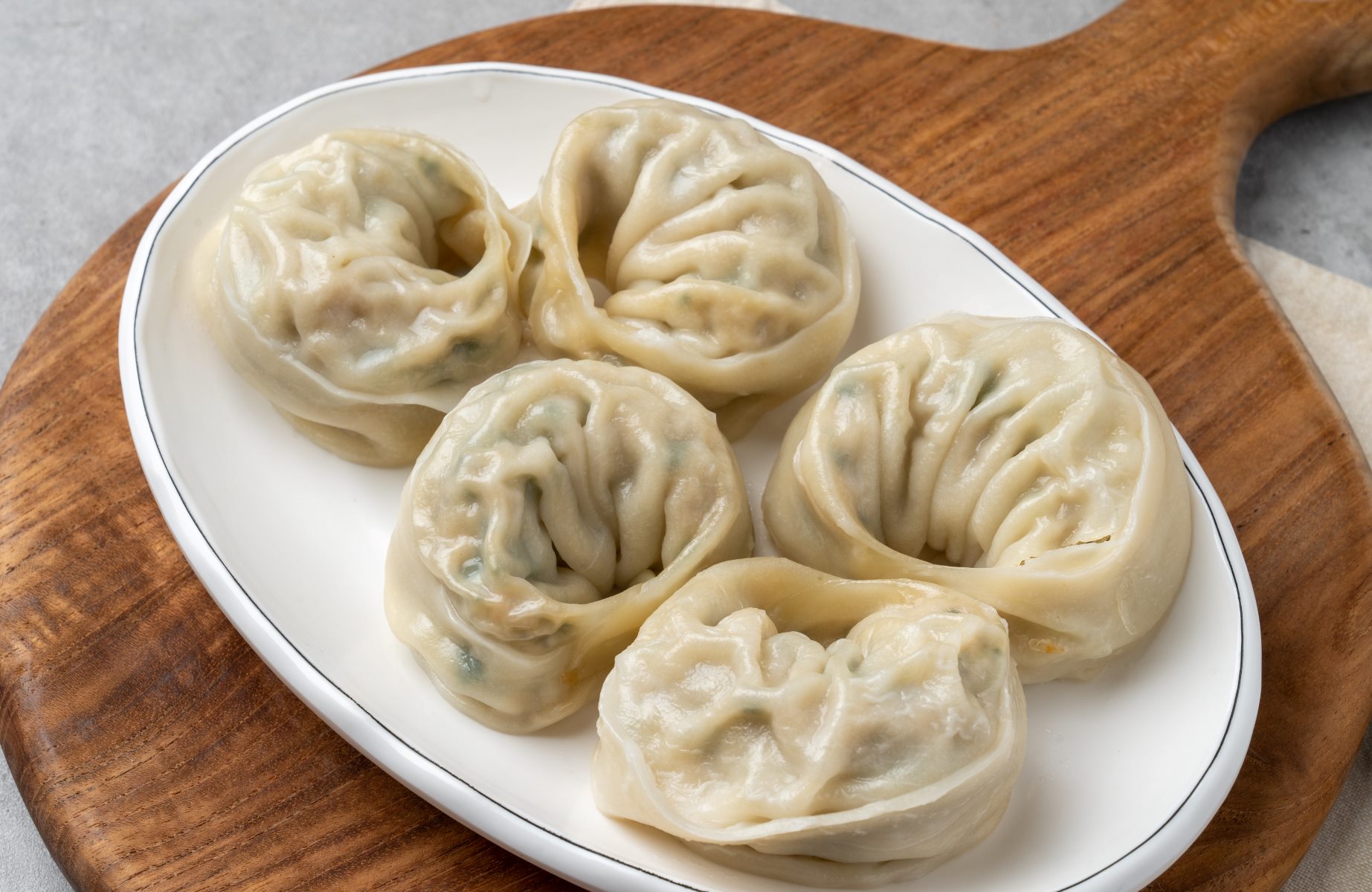
11. Nem Ran (Vietnamese Fried Spring Rolls): Symbol of Prosperity and Reunion - Vietnam
Nem rán, also known as chả giò, are crisp fried spring rolls filled with minced pork, glass noodles, wood ear mushrooms and aromatics, wrapped tightly and fried until golden. Precise and labor-intensive, they are rarely made casually.
A fixture of celebrations for Tết (formally known as Tết Nguyên Đán, or Vietnamese Lunar New Year), nem ran are prepared in large batches and shared across generations. Their presence on the table reflects care, patience and a belief in prosperity built through collective effort — food that brings people back to the table again and again.
Where to try:
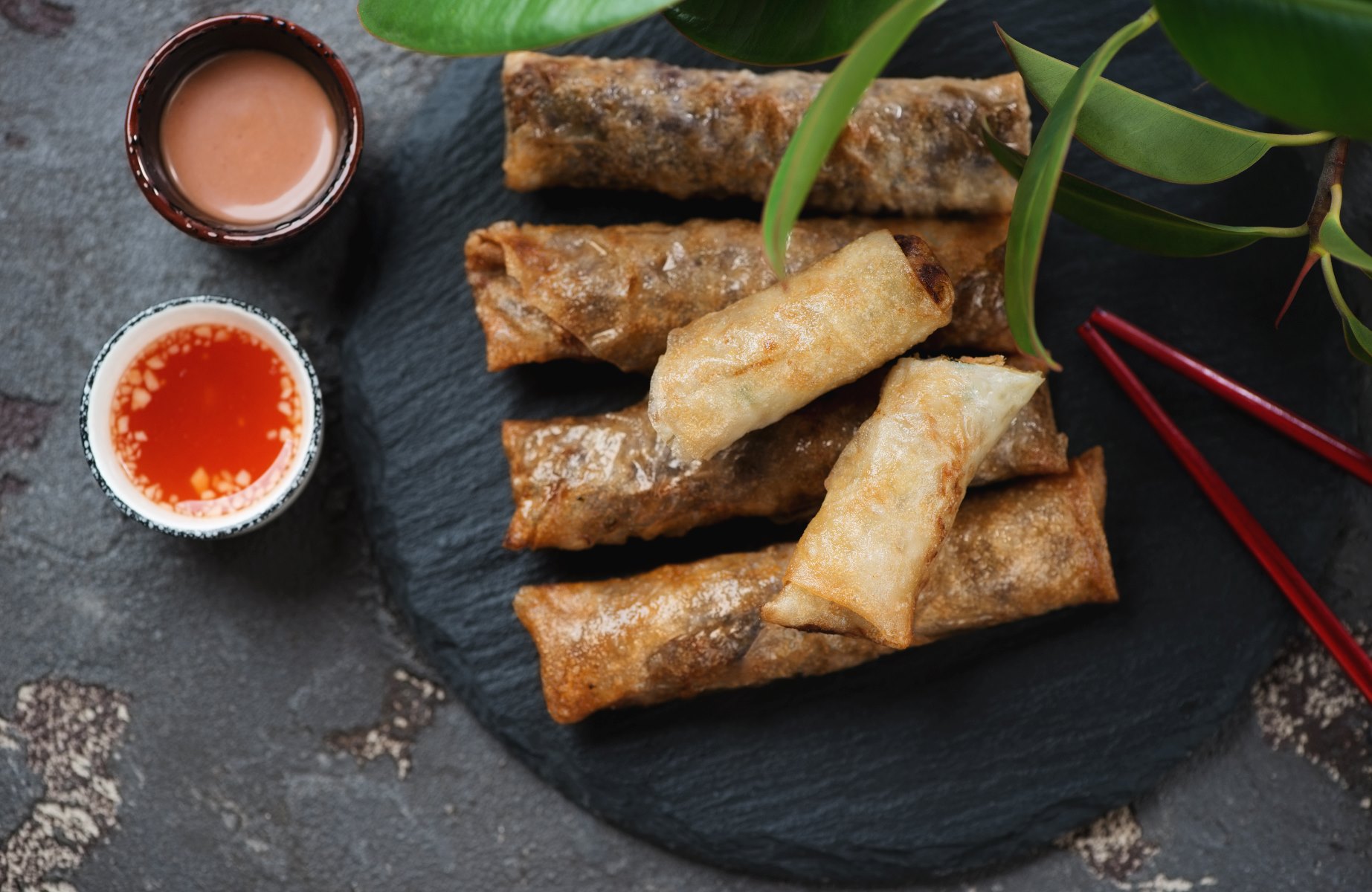
12. Bubur Cha Cha: Symbol of Sweetness and Abundance - Malaysia and Singapore
Bubur cha cha is a warm dessert of coconut milk simmered with sweet potatoes, taro and pearls of sago. Rich yet gentle, it leans into softness: Its rounded textures, mellow sweetness and comforting sense of fullness are meant to set a generous tone for the year ahead.
Often served during festive periods, bubur cha cha reflects a belief that sweetness invites good fortune. Its slow-cooked nature and shared serving style reinforce ideas of patience, continuity and abundance that unfolds gradually rather than all at once.
Where to try:
In Penang: Auntie Gaik Lean’s Old School Eatery or Kota Dine & Coffee
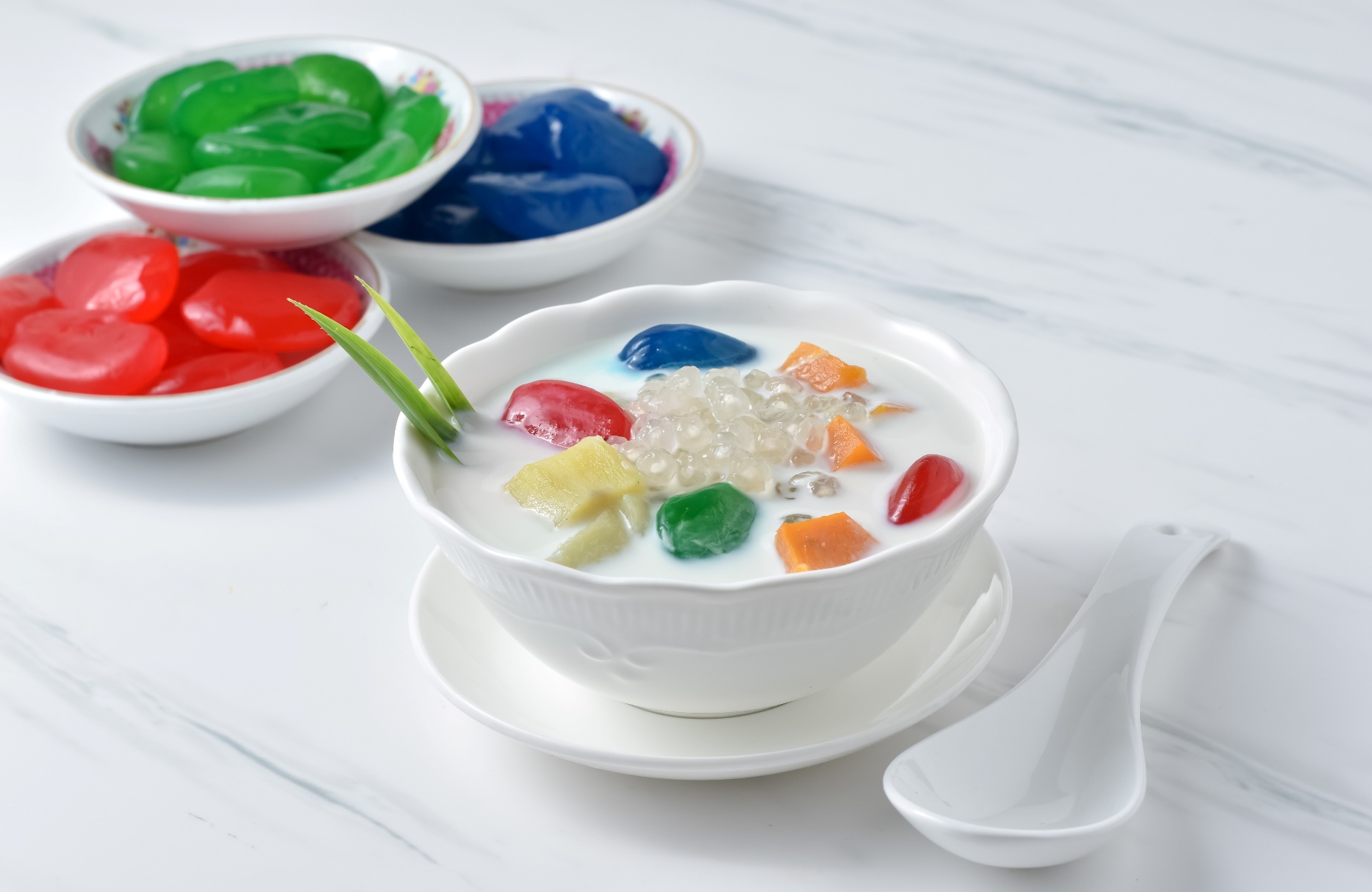
13. Tang Yuan (Glutinous Rice Balls, 汤圆): Symbol of Reunion and Harmony - Southern China
Tang yuan are soft, doughy balls of glutinous rice dough, often stuffed with sweet fillings such as black sesame or taro and served in a lightly sweetened broth. Round in shape and delicate in texture, they are designed to be eaten slowly, often in small bowls.
Traditionally enjoyed toward the end of New Year gatherings, tang yuan marks a return to togetherness. Its meaning is carried through form and timing, closing the celebration on a note of harmony.
Where to try:
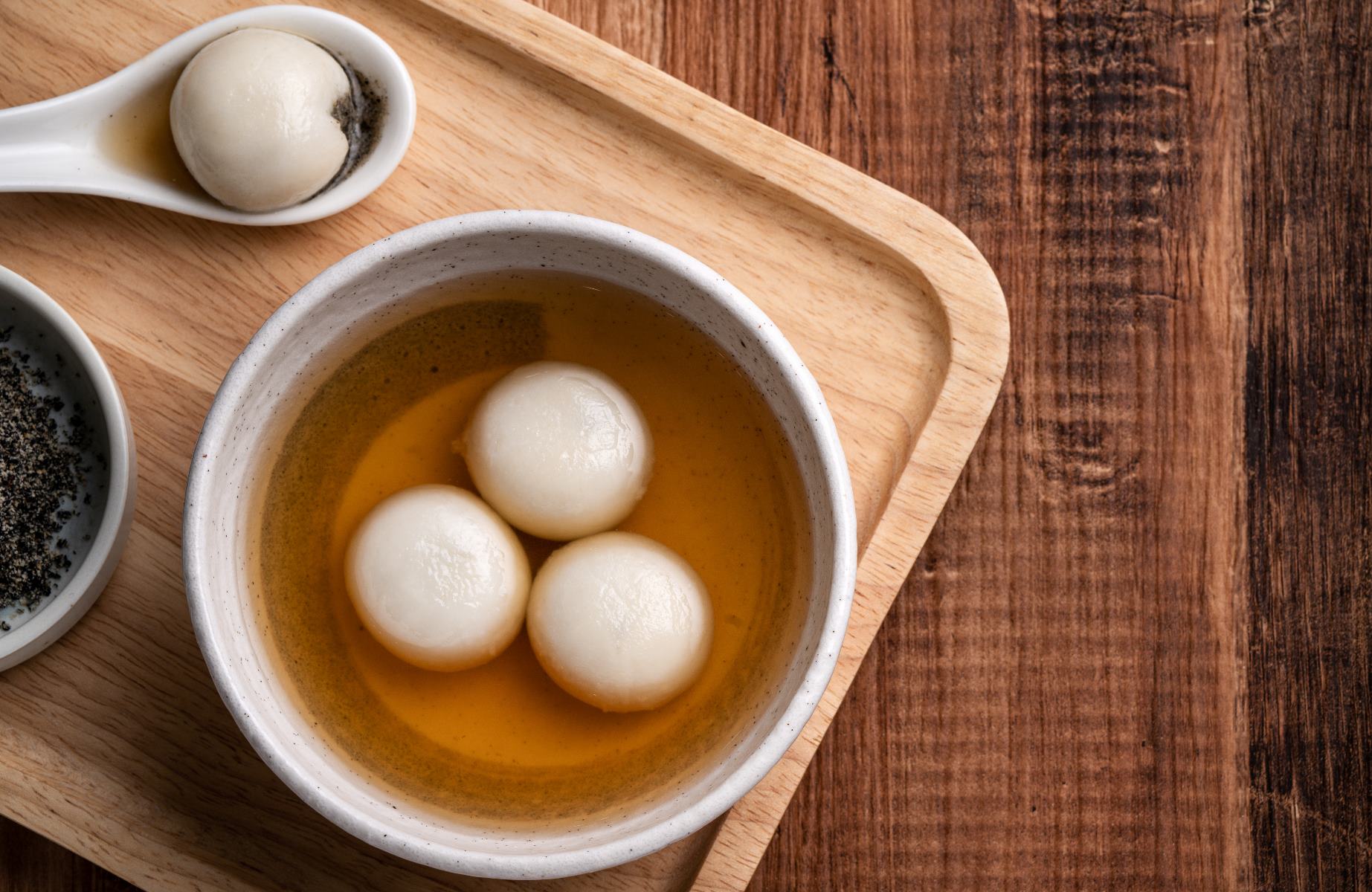
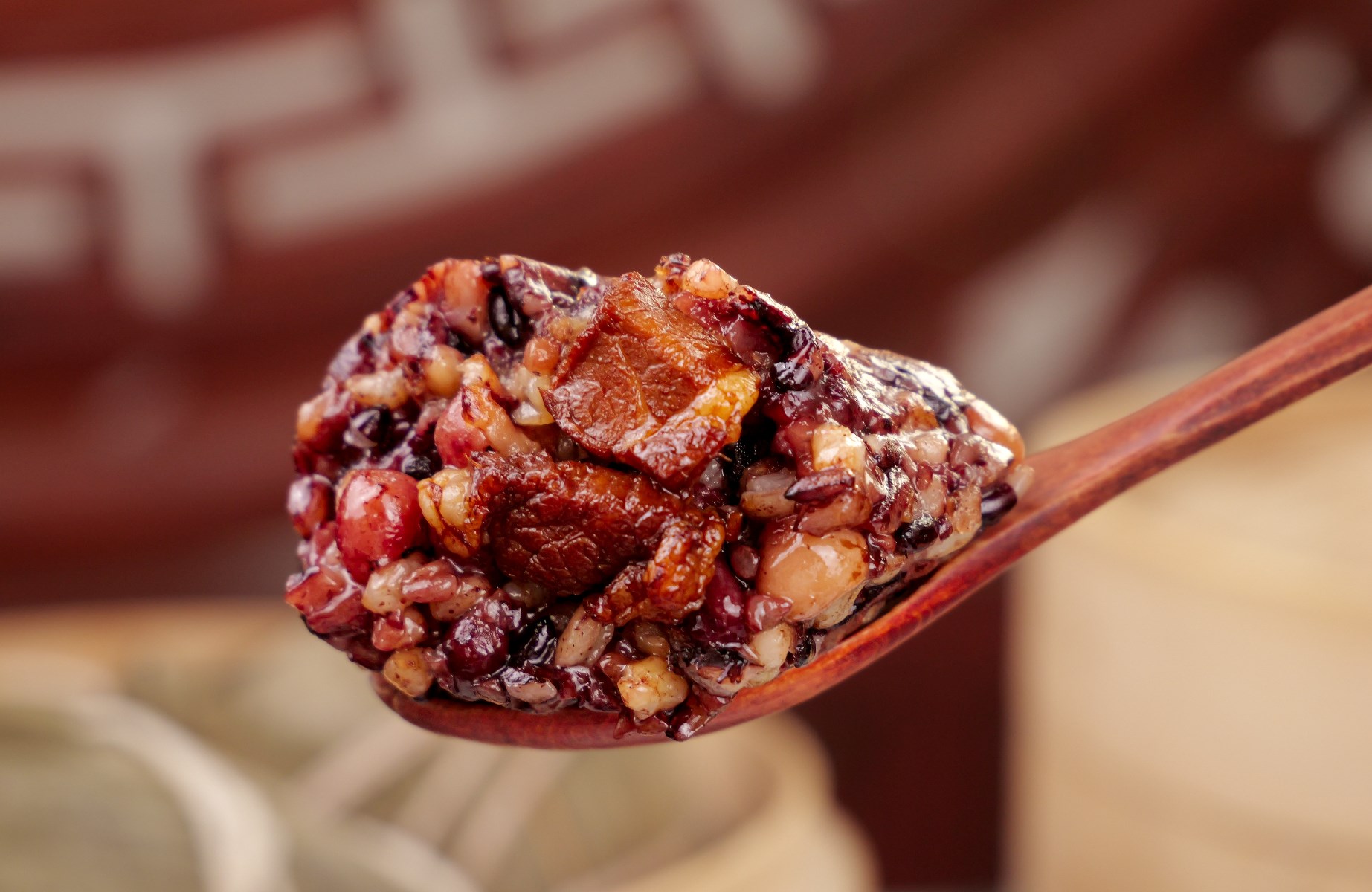
14. Eight-Treasure Sticky Rice (八宝糯米饭): Symbol of Sweetness and Abundance - Jiangsu and Zhejiang
Rich and gently sweet, eight-treasure sticky rice is a dessert of glutinous rice layered with red dates, lotus seeds, longan, nuts and preserved fruits.
Served during festive occasions, the dish reflects a belief in abundance built over time. Its many components come together into a single, cohesive whole, expressing prosperity, continuity and good fortune for the year ahead.
Where to try:
In Shanghai: at Fu 1015, Fu 1088, or Fu 1039 and Lao Xing Xian (Huangpu)
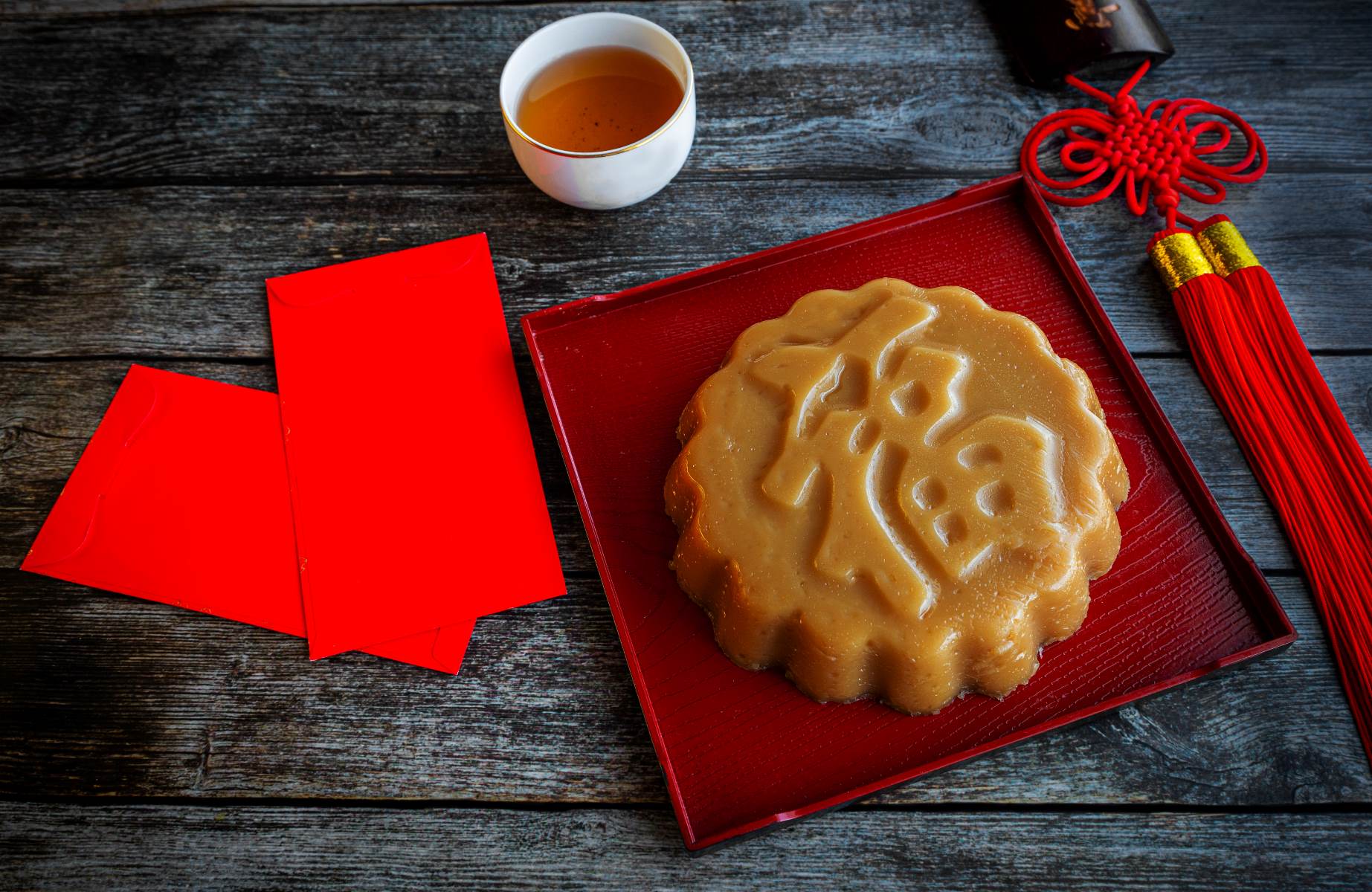
15. Nian Gao (Year Cake, 年糕): “Rising Higher Every Year” - Southern China
Nian gao is a dense, sticky rice cake served in both sweet and savory forms. Sliced, steamed or pan-fried, it is prepared in ways that emphasize texture and staying power.
Its name sounds the same as “year high,” so it carries a suggestion of progress and advancement, making it a fixture of Lunar New Year tables. The dish reflects an aspiration toward steady improvement — rising, year by year, without haste.
Where to try:
In Beijing, Shanghai, Hangzhou and Chengdu: at Xin Rong Ji
Related articles:
- The Best Places to Travel in 2026 for Food Lovers — Taste your way through 2026 with 16 destinations shaping the world’s most exciting journeys.
- The MICHELIN Travel Guides — Explore our favorite cities through the places we love to eat, stay and discover.
- Must-Try dishes in Manila and Cebu and Where to Stay — Enjoy the Philippines through its culinary culture.
Hero Image: Yu sheng. © Miko Ng